
If you open a junction box, outlet, or light fixture, the wires can look confusing fast. One wire may be black, another white, and another bare copper. A mistake here is not just annoying. It can be dangerous.
This electrical wire color guide will help you understand what common wire colors usually mean, how to identify them safely, and where people often get confused. The goal is simple: help you work smarter, avoid bad guesses, and reduce risk before you touch anything.
One important warning first: wire colors can help you, but they are not proof by themselves. In real homes, older wiring, repair work, and local rules can change what a color means. Always test before you touch.
Why wire colors matter more than many people think
Wire color is one of the fastest clues in electrical work. It can tell you which wire carries power, which wire returns power, and which wire is meant for grounding. That sounds simple, but simple mistakes can lead to shocks, damaged devices, or fire risk.
Many beginners make the same mistake: they trust the color alone. That is unsafe. A previous owner, electrician, or DIY repair may have reused a wire for a different purpose. For example, a white wire may be used as a hot wire in a switch loop. So color helps, but testing confirms.
Another detail many people miss is that color meaning can change depending on the country and the age of the wiring. A modern home in one region may follow a very clear code, while an older home may not. This is why a good electrical wire color guide always includes both the usual meaning and the safety check.
Common electrical wire colors and what they usually mean
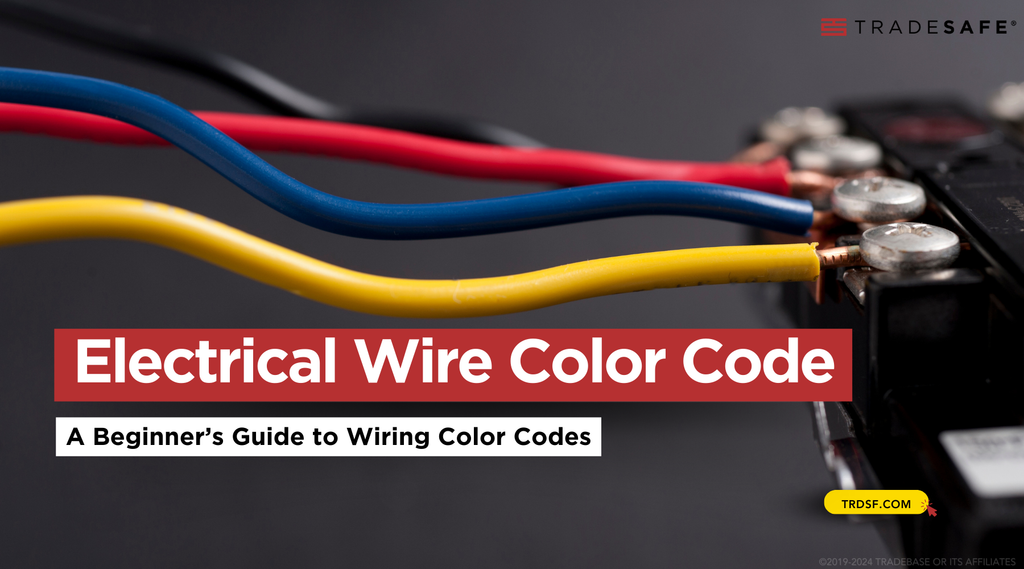
In many homes, wire colors follow a standard pattern. The most common colors are black, red, white, bare copper, and green. Some systems also use blue, yellow, brown, gray, and orange. The exact meaning depends on the wiring system and location, but these are the usual roles.
| Wire Color | Usual Meaning | Common Notes |
|---|---|---|
| Black | Hot wire | Usually carries power to switches, outlets, or fixtures |
| Red | Hot wire | Often used for switch legs, interconnects, or second hot lines |
| White | Neutral wire | May be repurposed as hot in some switch wiring |
| Gray | Neutral wire | Common in some systems instead of white |
| Green | Ground wire | Meant for safety grounding |
| Bare copper | Ground wire | Also used for grounding and bonding |
| Blue | Hot or switched hot | Often used in specific circuits or three-way switches |
| Yellow | Hot or switched hot | Sometimes used in switch wiring or multi-way circuits |
| Brown | Hot wire | More common in some international systems |
Black wire
Black is usually a hot wire. That means it carries electricity from the power source to a device, outlet, or switch. In many home circuits, black is one of the main live conductors.
Never assume a black wire is safe just because the switch is off. A black wire may still be energized depending on the circuit design.
Red wire
Red is also usually hot. It is often used as a second hot wire in 240-volt circuits, a switched hot wire in lighting, or a traveler wire in certain switch setups. In ceiling fans and light fixtures, red may control one function while black controls another.
A non-obvious point: red is not “better” or “more dangerous” than black. It is simply another live conductor with a different role in the circuit.
White and gray wires
White is usually neutral in North American systems. Neutral returns current back to the panel and completes the circuit. Gray can serve the same purpose in some systems. Neutral is not always harmless, though. Under certain conditions, it can still carry current.
Here is a common beginner mistake: people think white always means safe. That is wrong. If the wire has been re-marked or used in a switch loop, it may be hot. This is why testing is so important.
Green wire and bare copper wire
Green and bare copper wires are usually ground wires. Their job is safety. If a fault sends electricity into a metal box, frame, or appliance body, the ground wire gives that current a safe path back.
Ground wires usually do not carry current during normal use. That is one reason people often confuse them with neutral wires. They are not the same thing. Neutral carries return current in normal operation. Ground is mainly for fault protection.
Blue, yellow, brown, and other colors
Blue and yellow are often used in more complex switch wiring, such as three-way or four-way switch circuits. Brown is commonly seen in international wiring systems. Orange can sometimes mark special hot conductors or higher-voltage phases in certain setups.
Because these colors are used differently across regions and systems, never guess. If a color is not part of the simple black-white-green pattern, confirm what system you are dealing with.
How to identify wires safely before touching anything
Wire identification should be careful, slow, and methodical. A good process matters more than speed. Here is a safe approach that works in many basic home situations.
- Turn off the correct breaker. Do not trust the switch alone. Kill power at the panel.
- Confirm the circuit is dead. Use a non-contact voltage tester first, then a multimeter if needed.
- Look for labels and box clues. Old repair marks, tape, or marker writing can give hints.
- Check the wire path. See where each wire enters and leaves the box.
- Test before handling. Never rely on color alone.
- Mark wires after identification. Use tape or tags if you disconnect them.
A good habit is to take a photo before removal. This gives you a backup reference if a wire slips out or a label is lost.
Credit: trdsf.com
Use a non-contact voltage tester first
A non-contact tester is a fast first check. It can tell you if a wire may still be live without touching bare metal. This tool is useful, but it is not perfect. It can miss some conditions or give false signals near bundled cables.
Use it as a first step, not the only step.
Confirm with a multimeter when needed
A multimeter gives a more exact reading. It can help you check voltage between hot and neutral, or hot and ground. This is especially useful when wires have unusual colors or old repairs.
If you are not comfortable using a meter, stop and get help from a qualified electrician. Guessing is the worst option.
Look for re-marked wires
Sometimes a wire is wrapped with colored tape because it has been reassigned. For example, a white wire with black tape may be acting as a hot wire. This is common in switch loops and other special setups.
This is one of the most missed details in any electrical wire color guide: tape can override the original color meaning.
What wire colors mean in typical home wiring
Most homeowners deal with a few common situations: outlets, light switches, ceiling fixtures, and appliances. The wire color meaning is easier to understand when you look at the circuit purpose.
Outlets
In a standard outlet circuit, black usually brings power in, white returns it, and green or bare copper provides ground. If the outlet is split or switched, there may be extra hot wires, often red.
One detail many beginners miss: in a receptacle box, the neutral wire may have a white pigtail, and the ground may be joined to the metal box. Both are normal.
Light switches
Light switch boxes can be confusing because they may not contain a neutral wire in older homes. Instead, you may find a hot feed and a switched hot wire. In many cases, white wires are used in the box but should be re-marked if they are not neutral.
If you open a switch box and see white wire connected to the switch, do not assume it is neutral. In many setups, it is being used as a hot conductor.
Ceiling lights and fans
Ceiling fixtures often use black for power, white for neutral, and green or bare copper for ground. If a fan and light are controlled separately, you may also see red or blue wires.
A common pattern is black for fan power and blue for light power, but not every fixture follows the same setup. Always check the instructions for the exact device too.
Appliances
Large appliances may use different color systems, especially in cords or internal wiring. Some cords use black, white, and green. Others may use brown, blue, and green-yellow in international equipment.
Do not assume appliance wire colors match house wiring exactly. Read the label, manual, or schematic when possible.
Differences between North American and international wire colors
Wire color meaning is not fully global. This is where many online guides become too simple. A color that means one thing in one country may mean something else elsewhere.
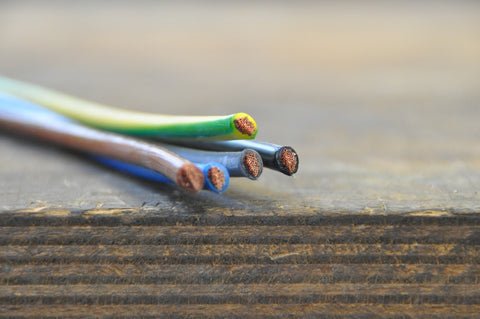
In North America, black is often hot, white is neutral, and green or bare copper is ground. In many international systems, brown is live, blue is neutral, and green-yellow is ground. That change matters a lot when working with imported equipment or mixed installations.
If you are reading a device label or equipment manual, do not assume the house wiring uses the same color code. Compare the document with the actual installation. If the equipment is from another region, the wire colors may follow a different standard.
For a reliable general reference on electrical safety, you can also check the OSHA electrical safety guidance.
Credit: cloopband.com
Common mistakes people make when reading wire colors
People often make the same errors again and again. Knowing these mistakes can save time and reduce danger.
Trusting the color without testing
This is the biggest one. A wire color is a clue, not proof. Old wiring, DIY repairs, and special circuit uses can change the meaning.
Mixing up neutral and ground
Neutral and ground are both important, but they do different jobs. Neutral carries return current in normal operation. Ground is a safety path. They should not be treated as the same thing.
Ignoring old tape or faded markings
Wire colors can fade. Dust, heat, and age can make black look brown, or white look yellow. Old tape can also peel off or fall away. That is why inspection should include more than color.
Forgetting that switches may use white wires as hot
This is a classic trap. In some switch loops, white is not neutral. It is re-marked and used to carry power. If you do not check carefully, you may misread the whole box.
Working on live circuits because “it is only one wire”
One wire can still shock you if the circuit is active. Turn off power. Verify it. Then verify again.
Practical ways to identify a wire with more confidence
Color is only one piece of the puzzle. These extra checks help you identify wires more safely and with better confidence.
Follow the circuit path
See where the wire goes. A wire coming from the panel is often a feed. A wire leaving a switch may be a switched hot. A wire tied into a bundle of whites is more likely to be neutral, but you still need to test it.
Use wiring diagrams when available
Some panels, appliances, and fixtures include diagrams. These diagrams are often more trustworthy than color alone because they show the intended function of each conductor.
Check wire size and insulation style
Wire gauge and insulation can help identify the circuit type. For example, a thicker wire may be for a high-load appliance. A cable jacket may also reveal whether the cable is designed for indoor, outdoor, or special use.
Look at connections, not just loose ends
A loose wire in a box tells only part of the story. The terminals, wire nuts, and device connections show how the circuit was built. That can help you understand whether a wire is hot, neutral, switched hot, or ground.
Safety rules that should always come first
Even a correct wire color guide cannot replace safe work habits. Electricity is unforgiving. A small mistake can have a big result.
- Shut off power at the breaker before touching wires.
- Test every wire before handling it.
- Use insulated tools when possible.
- Never work with wet hands or in damp areas.
- Do not exceed your skill level.
- Call a licensed electrician if the wiring looks old, damaged, or unclear.
Also, do not use wire color alone to decide whether a wire is safe to touch. A neutral wire can still be live under certain fault conditions. A ground wire can be damaged or missing. Safety comes from the full check, not one clue.
When to stop and get professional help
Some situations are better left to a pro. If you find burned insulation, melted connectors, aluminum wiring, mixed old and new cable types, or wires with no clear color pattern, stop. The same is true if a box is crowded and nothing matches standard patterns.
Professionals are also helpful when you need to trace circuits, replace old switches, or deal with multi-way lighting. If you are not sure, do not force the job. The cost of a service call is usually much less than the cost of an electrical mistake.

Credit: uk.rs-online.com
A simple memory trick for common wire colors
If you want a quick starting point, use this easy memory pattern:
- Black and red often mean hot.
- White and gray often mean neutral.
- Green and bare copper usually mean ground.
This is only a memory aid. It does not replace testing. But it can help beginners read a box faster before making a final check.
Final thoughts before you touch a wire
A good electrical wire color guide helps you recognize the most common wire types, but safe identification takes more than color memory. The real skill is combining color, testing, labeling, and circuit logic. That is how you avoid mistakes.
Two things beginners often miss are especially important: first, white wires are not always neutral; second, color rules can change in older homes or foreign equipment. If you remember those two points, you already avoid some of the most common errors.
When in doubt, stop. Confirm the power is off. Test the wire. If the result still feels unclear, ask a licensed electrician. Safe work is always better than fast work.
FAQs
What does the black wire mean in most homes?
The black wire usually means hot. It often carries power from the source to a switch, outlet, or light fixture. Still, test it before touching it because wire color alone is not proof.
Is the white wire always neutral?
No. White is usually neutral, but in some switch wiring it can be used as a hot wire and re-marked with tape. Always confirm with a tester or meter.
What is the difference between ground and neutral?
Neutral returns current during normal operation. Ground is a safety path that helps protect people and equipment during a fault. They are not the same thing.
Can wire colors be different in older homes?
Yes. Older homes may have faded insulation, outdated standards, or repairs that changed the original color meaning. That is why testing is important in older wiring.
Should I rely on wire color when installing a new device?
Use color as a guide, not a final answer. Check the device label, follow the wiring diagram, and test the circuit before making any connection.
