If you are trying to choose between two popular electric pressure washer brands, the decision can feel harder than it should. Both are known for easy use, good cleaning power, and simple setup. But they are not the same. The better choice depends on the kind of mess you clean, how often you use the washer, and how much power you really need.
The ryobi vs sun joe pressure washer debate usually comes down to one thing: balance. Ryobi often appeals to people who want solid build quality and a wider range of models. Sun Joe often attracts buyers who want strong value and light, easy handling. Both can do a good job, but they shine in different situations.
In this guide, you will see where each brand performs best, what matters most before buying, and which one is better for specific cleaning needs. By the end, you should know which pressure washer fits your home, your budget, and your cleaning style.
What matters most when choosing a pressure washer
Before comparing Ryobi and Sun Joe, it helps to know what really changes cleaning results. Many buyers focus only on pressure number, but that is only part of the story. A pressure washer that looks powerful on paper may still feel weak in real use if the water flow is low or the machine is hard to move.
The most useful factors are PSI, GPM, motor type, hose length, build quality, and nozzle options. PSI tells you how hard the water hits the surface. GPM tells you how much water moves through the machine. For most home jobs, both matter. A higher PSI with low GPM may clean slowly. A balanced machine often performs better.
Also think about the surfaces you clean. Patio furniture, cars, fences, siding, and driveways do not all need the same power. A washer that is safe for delicate paint may not be strong enough for deep driveway stains. This is where many first-time buyers make a mistake: they buy too much or too little power for their real use case.
Why electric models are popular
Ryobi and Sun Joe mostly sell electric pressure washers, and that is a big reason they are so popular. Electric models are quieter, lighter, and easier to maintain than gas models. They also work well for most home tasks. If you want a washer for weekend cleaning, they are often the smarter choice.
For general homeowner use, electric washers are usually enough. You do not need the noise, fuel, and maintenance of gas unless you clean very large areas or heavy industrial dirt. If you want a practical overview of pressure washer types from a trusted source, the Consumer Reports pressure washer guide is a useful reference.
Ryobi and Sun Joe at a glance
Ryobi is often seen as the more premium-feeling budget brand. It is widely sold at major home improvement stores and usually has a strong tool ecosystem. That matters if you already own Ryobi batteries or tools, or if you like buying from a brand with broad retail support.
Sun Joe is known for value. The brand often offers attractive features at a lower price. Many people choose Sun Joe because it gives them enough cleaning power for common jobs without asking for a big investment. It is a strong choice for people who want something simple and affordable.
| Category | Ryobi | Sun Joe |
|---|---|---|
| Price | Usually mid-range | Often lower-priced |
| Build feel | Generally sturdy | Light and practical |
| Power range | Wide range of options | Good for home cleaning |
| Ease of use | Simple and user-friendly | Very beginner-friendly |
| Best for | Regular homeowners and brand ecosystem users | Budget buyers and light-to-medium cleaning |
Cleaning power: which brand handles tough jobs better?
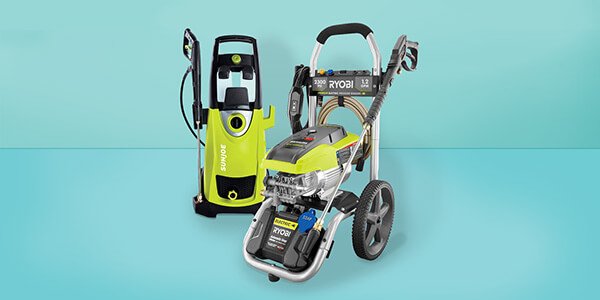
When people search for ryobi vs sun joe pressure washer, cleaning power is usually the first thing they want to know. In many cases, Ryobi has an edge in consistency across its lineup. It offers models with stronger PSI and more serious performance for tougher home tasks.
That does not mean Sun Joe is weak. Far from it. Sun Joe has several models that are more than enough for cleaning decks, siding, outdoor furniture, grills, and light driveway dirt. But if you want a machine for heavier buildup, Ryobi often gives you more confidence and a broader selection.
Here is the non-obvious point many beginners miss: the best washer is not always the one with the highest PSI. If the spray pattern is too narrow or the machine is awkward to use, you may clean slower and with more effort. In real use, a balanced washer with good nozzles can feel stronger than a number on a box.
Credit: pressurewashermaster.com
For cars and delicate surfaces
Both brands can be used for washing cars if you choose the right nozzle and keep the spray at a safe distance. Sun Joe often feels friendlier for this kind of work because many of its models are light and easy to control. That makes it easier for new users to avoid damage.
Ryobi also works well for car washing, but some users prefer it more for general home cleaning than for delicate detailing. If your main goal is vehicle care, look closely at nozzle control, hose length, and how easy the wand is to handle.
For driveways and patios
For dirty concrete, pavers, and patio slabs, Ryobi often has the advantage if you want a little more muscle. Sun Joe can still do the job, but you may need more passes on older stains. A surface cleaner accessory can make a big difference for both brands, and many buyers forget to check whether the model supports one well.
Another beginner mistake is expecting any electric pressure washer to remove deep oil stains instantly. That is rarely realistic. For stubborn stains, you often need detergent, dwell time, and the right technique, not just more pressure.
Build quality and durability over time
Build quality matters more than many buyers think. A pressure washer may work fine on day one, but the real test is whether it still feels solid after a year or two of regular use. Ryobi usually gets praise for a sturdier feel and better overall construction in many of its models. Hoses, fittings, and frames often feel more durable.
Sun Joe focuses more on value, so its machines often feel lighter and simpler. That is not a bad thing. In fact, lighter weight can be a real benefit if you store the washer in a garage shelf or carry it up steps. But it does mean you should be more careful with how you store it and how often you move it around.
One small detail that many people ignore is connector quality. Leaky fittings can waste time and reduce performance. Before buying, check user feedback on hose connections, trigger comfort, and reel quality if the model has one. These small parts often decide whether the machine feels like a good buy after repeated use.
Ease of use and setup
Sun Joe often wins on simplicity. Many of its pressure washers are easy to assemble, easy to start, and easy to understand. If you are a first-time buyer and want a no-stress setup, this can matter a lot. The lighter weight also helps people who do not want to drag a heavy unit around the yard.
Ryobi is also user-friendly, but some models are a little more robust and less compact. That can make them feel more stable, yet slightly less nimble. If you care most about straightforward use and easy storage, Sun Joe has a strong case. If you care about a more solid feel and longer-term versatility, Ryobi may be worth the extra cost.
What to check before you buy
- Hose length: A longer hose can save time and reduce moving the machine around.
- Cord length: A short cord can be annoying if your outlets are far away.
- Wheel quality: Small wheels can struggle on rough ground.
- Nozzle storage: Built-in storage makes the machine easier to manage.
- Detergent system: A good soap tank or foam option helps with dirty surfaces.
Noise, storage, and everyday convenience
Since both brands focus on electric models, they are already quieter than gas machines. That makes them better for neighborhoods, early morning cleaning, and users who do not like engine noise. In real life, this can be a bigger advantage than people expect.
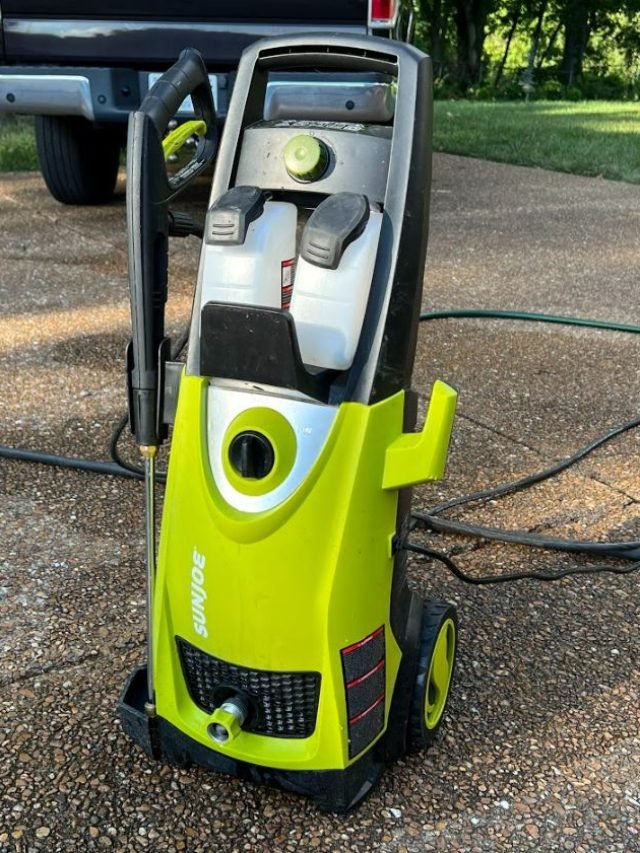
Sun Joe models often win on compact size. If you have limited storage space, this is valuable. A smaller washer is easier to tuck into a closet or garage corner. Ryobi units can be a bit bulkier, but many buyers accept that because they want the stronger feel and wider model range.
Convenience also means how often you will use the washer. If you clean only a few times a year, a lighter, lower-cost model may be enough. If you know you will use it often, paying more for better hose handling, better wheels, and sturdier parts can save frustration later.
Credit: thelawnreview.com
Price and value: where each brand makes sense
Sun Joe often has the best value for budget shoppers. If your main goal is to clean a car, a patio, or siding a few times a season, it may give you everything you need without overspending. That is one of the reasons it is so popular with first-time buyers.
Ryobi usually sits a little higher in price, but it often gives you more options and a better feel. For some buyers, that extra money is worth it because the washer feels less disposable. If you want a pressure washer that may last through more regular use, the higher initial cost can make sense.
The smart way to think about value is not “Which one is cheapest?” but “Which one will do my jobs well with the least hassle?” A cheaper machine that frustrates you is not a good deal. A slightly more expensive machine that saves time and works better can actually be cheaper over time.
Which brand is better for specific cleaning needs?
The honest answer is that neither brand wins every category. The right pick depends on what you clean most often. Here is a simple way to decide.
Choose Ryobi if you want:
- More model choices
- A stronger overall build feel
- Good performance for frequent home cleaning
- A washer that may handle tougher jobs better
- Compatibility with a larger home-tool setup if you already use the brand
Choose Sun Joe if you want:
- A lower price
- A lighter and easier-to-carry washer
- Simple setup and easy use
- Enough power for common home tasks
- A practical machine for light-to-medium cleaning
Best choice by use case
For car washing: Sun Joe often feels easier for beginners, but Ryobi works well too if you want a more durable unit.
For siding and fences: Both are suitable, though Ryobi may give you more confidence on bigger jobs.
For patios and driveways: Ryobi often has the edge when the dirt is older or more stubborn.
For occasional light cleaning: Sun Joe is usually enough and may be the better value.
For regular weekend use: Ryobi is often the safer long-term choice.
Common mistakes buyers make with both brands
One common mistake is buying based on pressure alone. Another is ignoring the accessory package. A model with a good wand, useful nozzles, and a surface cleaner can be much more useful than a slightly stronger bare machine.
People also forget to think about storage and movement. If you live in a small home or apartment, a compact washer can be more practical than a bigger one. Also, if your outlet is far from your cleaning area, cord length becomes a real issue fast.
A final mistake is not checking replacement parts and support. Even good pressure washers need hoses, nozzles, or detergent parts over time. A brand with easier parts access can save you trouble later.
Final verdict: Ryobi vs Sun Joe pressure washer
If you want the shortest answer, here it is: Ryobi is usually the better choice for buyers who want stronger build quality, more options, and better long-term flexibility. Sun Joe is usually better for buyers who want lower cost, lighter weight, and easy everyday use.
For many homeowners, Ryobi is the better all-around pick. It tends to feel more durable and more capable for a wider range of jobs. But Sun Joe can be the smarter buy if your needs are lighter and your budget is tight. In that case, spending less and still getting a useful machine is a win.
The best decision is not about the brand name alone. It is about your surfaces, your storage space, your budget, and how often you clean. Once you match those needs to the right machine, both brands can be useful. But if you want the safer long-term bet in the ryobi vs sun joe pressure washer comparison, Ryobi usually has the edge.
:max_bytes(150000):strip_icc()/spr-pressure-washers-test-sun-joe-spx3500-brushless-induction-electric-riddley-gemperlein-schirm-01-c2eef3b478f2400fa7ad18c496502d18.jpeg)
Credit: thespruce.com
FAQs
1. Is Ryobi better than Sun Joe for pressure washing?
Ryobi is often better if you want stronger build quality and more model choices. Sun Joe is often better if you want a lower price and lighter weight. The better brand depends on your cleaning needs.
2. Which brand is easier for beginners?
Sun Joe is usually easier for beginners because many models are light, simple, and easy to set up. Ryobi is also user-friendly, but it often feels a little more robust and less compact.
3. Can both brands clean cars safely?
Yes, both can clean cars safely if you use the right nozzle, keep the spray at a safe distance, and avoid aiming directly at fragile parts. Always use a gentle setting for vehicle washing.
4. Which pressure washer is better for driveways?
Ryobi usually has the edge for driveways, especially if the dirt or stains are more stubborn. Sun Joe can still clean driveways, but it may take more time on tough buildup.
5. Which brand gives better value for money?
Sun Joe often gives better value if your budget is tight and your cleaning jobs are light to medium. Ryobi can be the better value if you want a more durable machine and plan to use it more often.
