
Using the right oil in a demolition hammer is not a small detail. It affects power, heat, wear, and how long the tool lasts. If you use the wrong oil, the hammer can lose impact force, run hotter, and wear out faster than it should.
Many people ask what oil to use in demolition hammer because the answer is not always obvious. Some tools need gearbox oil. Some need grease. Some have oil-filled chambers. The right choice depends on the model, the work load, and the temperature where you use the tool.
This guide explains the types of oil used in demolition hammers, how to choose the right one, how often to change it, and the mistakes that cause expensive damage. It is written to help you keep the tool strong, smooth, and reliable.
Why the right oil matters so much
A demolition hammer works under heavy stress. Inside the tool, moving parts strike hard, heat builds fast, and friction never stops. Oil helps control all of that. It reduces metal-to-metal contact, carries away heat, and protects internal parts from early wear.
Good lubrication also helps the hammer keep a steady impact rate. When oil becomes too old, too thin, or too thick, the tool may feel weak or noisy. In some cases, the hammer may overheat and shut down early. That is why oil choice matters as much as the tool itself.
One thing many beginners miss is that lubrication is not only about “adding oil.” It is about using the correct type, correct amount, and correct service interval. Too much can be as harmful as too little. Overfilling can push oil into places where it should not go and create pressure problems.
Know your hammer before choosing oil
Before you buy anything, check the manual or the tool label. Different demolition hammers use different lubrication systems. If you guess, you can make the tool worse instead of better.
Common lubrication systems
- Gearbox oil system – The hammer has oil in the gear housing to protect gears and moving parts.
- Grease-lubricated system – Some hammers use grease instead of liquid oil, especially in the impact mechanism.
- Sealed oil bath – The internal parts move in an oil-filled chamber.
- Maintenance-free sealed system – The tool is sealed and does not require user oil changes, but may still need service by a technician.
Most confusion happens because people use the word “oil” for every type of lubricant. In reality, some demolition hammers need oil, while others need special grease. Using grease where oil is needed can block movement. Using light oil where thick grease is needed may not protect the parts well enough.
Check the manual first
The manual is the best source. It tells you the right viscosity, fill level, and service interval. If you do not have the paper copy, look for the model number on the manufacturer’s website. For technical service information, you can also use the official support pages from the brand, such as Bosch Professional, if your tool is from that manufacturer.
The best oil types for a demolition hammer
The correct oil depends on the design of the hammer, but some types are used more often than others. The main goal is to match the oil to the work temperature, pressure, and moving speed inside the tool.
1. Manufacturer-recommended gear oil
If your demolition hammer has a gearbox oil system, the safest choice is the oil recommended by the maker. This oil is usually made to handle high pressure and heat while keeping a stable thickness.
This is the best option because it matches the internal design of the tool. Even small changes in viscosity can affect performance. A hammer that feels fine for a few minutes may start losing power after longer use if the oil is too thin.
2. High-pressure lubricating oil
Some demolition hammers can use high-pressure lubricating oil with anti-wear additives. These additives help protect gears and bearings from damage during heavy work.
This type is useful for tools that work for long periods, especially in concrete breaking and chiseling jobs. It is also helpful when the tool gets hot, because cheap low-grade oil can break down faster under heat.
3. Tool-specific hammer grease
If the tool uses grease instead of liquid oil, do not switch to regular oil. Use the grease type named by the manufacturer. Hammer grease stays in place better and can protect strike components under repeated impact.
A common beginner mistake is to assume all lubricants are interchangeable. They are not. Hammer grease and gear oil behave very differently. The wrong one can reduce performance or cause internal leaks.
4. Cold-weather oil
When you work in low temperatures, normal oil can thicken. Thick oil moves slowly and makes the tool harder to start. Cold-weather oil stays more fluid in winter and helps the hammer begin working without strain.
This is a non-obvious point many users miss. A tool that performs well in summer may feel weak in winter simply because the oil becomes too thick. If you work outdoors in cold weather, this matters a lot.
What viscosity should you use?
Viscosity means how thick or thin the oil is. It is one of the most important factors when choosing the right lubricant. If the oil is too thin, it may not protect enough. If it is too thick, it may slow down movement and increase heat.
| Oil behavior | What it does in the hammer | Main risk |
|---|---|---|
| Thin oil | Flows easily and reaches moving parts fast | May not protect well under heavy load |
| Medium oil | Balances flow and protection | Works only if matched to the tool |
| Thick oil | Stays in place and cushions parts | Can slow the tool and create heat in cold weather |
Most demolition hammer users should not choose viscosity by guess. Use the exact grade listed by the manufacturer. If the manual gives a range, stay within that range and choose based on climate and work intensity.
Another useful detail: a hammer that runs for short bursts in light jobs may do fine with standard oil, while a tool used all day on demolition work may need a stronger high-pressure lubricant. The job matters, not just the tool model.
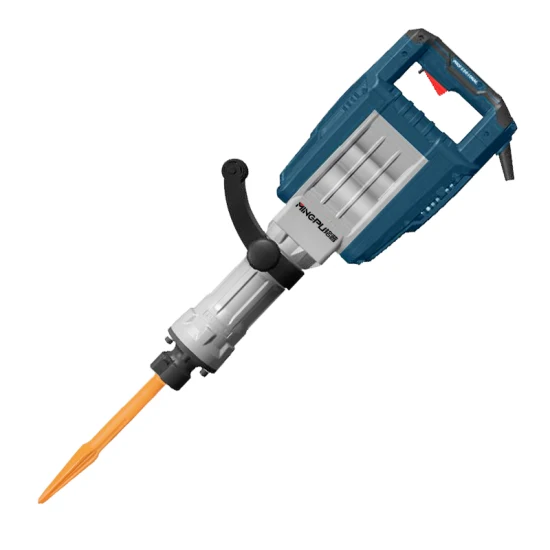
Credit: powertoolstoday.com
How often should you change the oil?
Oil does not last forever. Heat, dust, and constant vibration break it down over time. Old oil loses protective power and may contain tiny metal particles from normal wear.
Always follow the service interval in the manual. If the tool gets used hard, you may need shorter service intervals than the standard recommendation. Heavy dust, long work sessions, and hot weather all shorten oil life.
Signs the oil needs attention
- The hammer becomes louder than usual.
- Performance drops during long use.
- The tool gets hotter than normal.
- You see dark, dirty, or burnt-looking oil.
- The hammer vibrates more or feels rough.
One mistake many users make is waiting until the tool fails. By then, the oil may already have done damage. Regular checks are cheaper than repairs.
How to add or replace oil the right way
Changing oil is not hard, but it must be done carefully. Clean work matters because dirt can enter the tool and damage internal parts.
Basic steps
- Turn off the tool and unplug it or remove the battery.
- Let the tool cool fully before service.
- Clean the outside so dust does not fall inside.
- Open the oil port or service cover as shown in the manual.
- Drain old oil if the tool requires a full change.
- Check for metal flakes, burnt smell, or milky color.
- Add the correct oil slowly and do not overfill.
- Close the cover tightly and test the tool briefly.
If the tool uses a sealed system, do not force oil into it unless the manual says you can. Sealed hammers often need professional service. Pushing oil into the wrong opening can damage seals or create leaks.
How to avoid overfilling
Overfilling is common. Some users think more oil means more protection. That is not true. Too much oil can create pressure, reduce movement, and make the tool messy or unstable.
Fill only to the level mark if the tool has one. If there is no mark, use the amount stated in the manual. This small step protects the hammer more than adding extra oil ever will.
Common mistakes that reduce hammer life
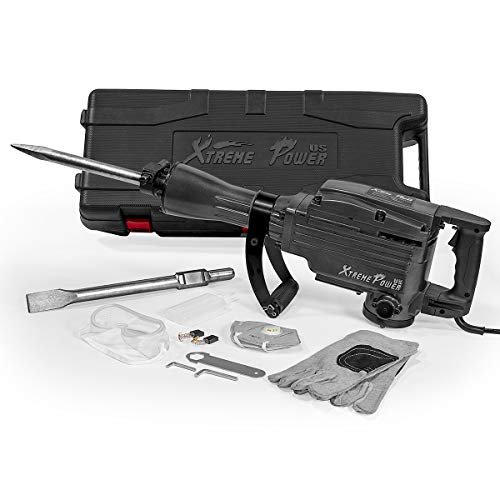
The wrong oil problem often starts with small choices. These mistakes are easy to make, but they can shorten tool life quickly.
Credit: amazon.com
Using motor oil because it is available
Motor oil is designed for engines, not demolition hammers. It may not have the right thickness or pressure protection for impact tools. Even if it seems to work at first, it may not protect the hammer properly under constant strike force.
Mixing different lubricants
Do not mix old oil with a new type unless the manufacturer says it is safe. Different formulas can react badly together. This can reduce protection or create sludge.
Ignoring dirt and dust
Dust is a major enemy of internal parts. If you refill oil without cleaning the area first, dirt can enter the housing. That dirt then mixes with oil and turns into abrasive paste.
Using the hammer too soon after service
After maintenance, some users put the hammer back into full work right away. It is better to test it briefly first. This helps you catch leaks, strange noise, or wrong fill levels before real damage happens.
Oil quality is not the only thing that matters
Good oil helps, but it is not a magic fix. A demolition hammer also needs clean air passages, correct bits, and proper handling. If the tool is run dry, overloaded, or used with damaged bits, oil alone cannot save it.
Two less obvious points matter here:
Heat is as damaging as dust
Many people think only dirt ruins tools. Heat is just as serious. High heat breaks oil down faster and makes seals age sooner. If the hammer feels too hot to touch for long, stop and let it cool.
Short rest periods extend tool life
Even a strong hammer benefits from pauses during long jobs. Short breaks lower heat and give oil time to stay effective. This is simple, but many users skip it and blame the oil when the real issue is overheating.
What oil to use in demolition hammer for different situations
Now let us answer the main question in a practical way. The best oil choice depends on your situation.
- If the manual names a specific oil, use that exact product or an approved equivalent.
- If the hammer uses gearbox oil, choose a high-quality gear oil with the viscosity listed by the maker.
- If the hammer uses grease, use only hammer grease made for impact tools.
- If you work in cold weather, use an oil that stays fluid at low temperatures.
- If the tool runs hot under heavy load, choose a high-pressure oil with strong anti-wear protection.
If you still do not know what oil to use in demolition hammer, the safest answer is simple: follow the manufacturer’s recommendation first. If that is unavailable, match the viscosity, pressure rating, and lubrication type as closely as possible.
How to store oil and keep it clean
Fresh oil can still become bad if stored badly. Keep oil containers closed, dry, and away from dust. Do not leave caps open in a workshop where concrete dust is floating in the air.
Also, do not pour used oil back into the original container. That can contaminate the clean supply. Use a separate clean bottle if you need to carry oil to a job site.
Another small but useful habit is labeling each lubricant clearly. If you use several tools, this prevents confusion and saves time during service.
Credit: amazon.com
When to call a technician
Not every maintenance issue should be handled at home. If the hammer leaks oil, loses power after proper servicing, or makes grinding sounds, internal wear may already be serious. In that case, a qualified technician should inspect it.
This is especially important for sealed systems. Opening them without the right tools can cause more damage than the original problem.
Simple maintenance habits that protect the oil
Good maintenance makes the oil last longer and helps the hammer perform better. These habits are easy, but they make a real difference.
- Clean dust from the tool after every job.
- Check the oil level before heavy work.
- Use the right bit for the material.
- Do not run the tool continuously for too long.
- Store the hammer in a dry place.
These habits lower heat, reduce contamination, and keep the lubricant working as it should. That means fewer repairs and a longer tool life.
In the end, the best answer to what oil to use in demolition hammer is not one universal product. It is the oil or grease that matches the tool design, operating temperature, and service instructions. If you start with the manual, avoid mixing products, and keep the tool clean, you will get stronger performance and fewer problems over time.
Frequently asked questions
1. Can I use regular motor oil in a demolition hammer?
No, not unless the manufacturer clearly allows it. Motor oil is made for engines, not impact tools. It may not protect gears and strike parts correctly.
2. How do I know if my demolition hammer needs oil or grease?
Check the manual or the service label. Some tools use gear oil, some use hammer grease, and some are sealed. The lubrication type depends on the internal design.
3. What happens if I use the wrong oil?
The tool may run hotter, lose impact power, wear faster, or leak. In serious cases, internal parts can fail early and need repair.
4. How often should I check the oil?
Check it before heavy use and follow the service interval in the manual. If the hammer runs for long periods, inspect it more often.
5. Is more oil better for performance?
No. Too much oil can create pressure problems and reduce proper movement. Use only the amount recommended by the manufacturer.
