
If you are trying to clean a driveway, deck, car, fence, or patio, the machine you choose matters a lot. A small unit may take too long. A powerful one may damage the surface. That is why many people ask, what size pressure washer do i need before buying anything.
The answer is not just about one number. You need to look at two main things: PSI and GPM. PSI tells you how strong the water hits the surface. GPM tells you how much water flows through the machine. Together, they decide how fast and how safely you can clean.
This guide will help you choose the right size with confidence. You will learn what PSI and GPM mean, which sizes fit common jobs, and how to avoid costly mistakes. By the end, you will know how to match the washer to your real cleaning needs, not just the biggest number on the box.
Understand PSI and GPM before you buy
Many buyers focus only on PSI because it sounds powerful. That is a common mistake. A pressure washer with high PSI but weak GPM may blast dirt slowly. A unit with moderate PSI and better flow often cleans faster in real life.
PSI means pounds per square inch. It measures pressure, or how hard the water hits. Higher PSI helps remove stuck dirt, mud, mildew, and old stains.
GPM means gallons per minute. It measures water flow. Higher GPM helps rinse dirt away faster and cover more area with each pass.
A simple way to think about it is this:
- PSI breaks the dirt loose.
- GPM washes the dirt away.
Both matter. If you only compare PSI, you can end up with the wrong machine.
The real cleaning power is the balance
One useful measure is cleaning units, which is PSI × GPM. It is not the only thing that matters, but it helps compare machines. For example, 2,000 PSI at 2.0 GPM often cleans better than 3,000 PSI at 1.2 GPM for many jobs because the water flow is much better.
This is one of the non-obvious points many beginners miss: more pressure does not always mean faster cleaning. If the flow is too low, dirt moves slowly and rinsing takes longer. So the best washer is not always the strongest one. It is the one that fits the surface and the task.
Match the washer size to the job
The right pressure washer depends on what you plan to clean most often. A machine for cars is not the same as a machine for concrete. Using too much pressure can leave marks, strip paint, or damage wood.
| Common task | Suggested PSI range | Suggested GPM range | Best washer type |
|---|---|---|---|
| Cars, bikes, outdoor furniture | 1,200–1,900 PSI | 1.2–1.8 GPM | Electric |
| Patios, decks, fences | 1,800–2,800 PSI | 1.8–2.5 GPM | Electric or light gas |
| Driveways, sidewalks, brick | 2,500–3,500 PSI | 2.3–4.0 GPM | Gas |
| Heavy construction cleanup, large commercial jobs | 3,000+ PSI | 3.0+ GPM | Heavy-duty gas |
This chart gives a practical starting point. Still, surface type matters as much as the job itself. A softwood deck needs less pressure than a concrete driveway, even if both are “outdoor cleaning” jobs.
For cars and light cleaning
If you plan to wash a car, motorcycle, patio chairs, or windows, stay in the lower range. Around 1,200 to 1,900 PSI is usually enough. A machine with 1.2 to 1.8 GPM works well for this kind of work.
Here, the goal is gentle cleaning. You want to remove dirt without pushing water past seals, chipping paint, or leaving swirl marks. A fan tip or soap nozzle helps a lot. For cars, a pressure washer that is too strong can do more harm than good.
For decks, fences, and patios
Wood and composite surfaces need more care. Too much PSI can raise wood grain or leave stripes. A good range is often 1,800 to 2,800 PSI, depending on how dirty the surface is and how old the material feels.
For older wood, start lower. Test in a hidden area first. That simple step saves many mistakes. Another detail people often miss: the age and condition of the surface can matter more than the material itself. A weathered fence may need lower pressure than a newer, harder deck board.
For driveways and concrete
Concrete can handle more power. For driveways, sidewalks, and brick, many people do best with 2,500 to 3,500 PSI and at least 2.3 GPM. A surface cleaner attachment can make the job much faster and more even.
This is where GPM becomes very important. A strong flow helps lift sand, dust, oil, and loose grime out of rough concrete. If you have a large driveway, a higher GPM machine can save a lot of time.
For heavy-duty and frequent use
If you clean large areas often, or you use the machine for work, look at stronger gas units. These may offer 3,000 PSI or more and 3.0 GPM or higher. They are better for long sessions and tough dirt.
But do not buy more power than you need just because it sounds better. Higher-powered machines are usually louder, heavier, more expensive, and harder to store. If you only wash a car and a patio once in a while, a smaller model is usually the smarter choice.
Choose between electric and gas the smart way
The type of pressure washer matters almost as much as the PSI and GPM numbers. Most buyers choose between electric and gas. Each has a clear use.
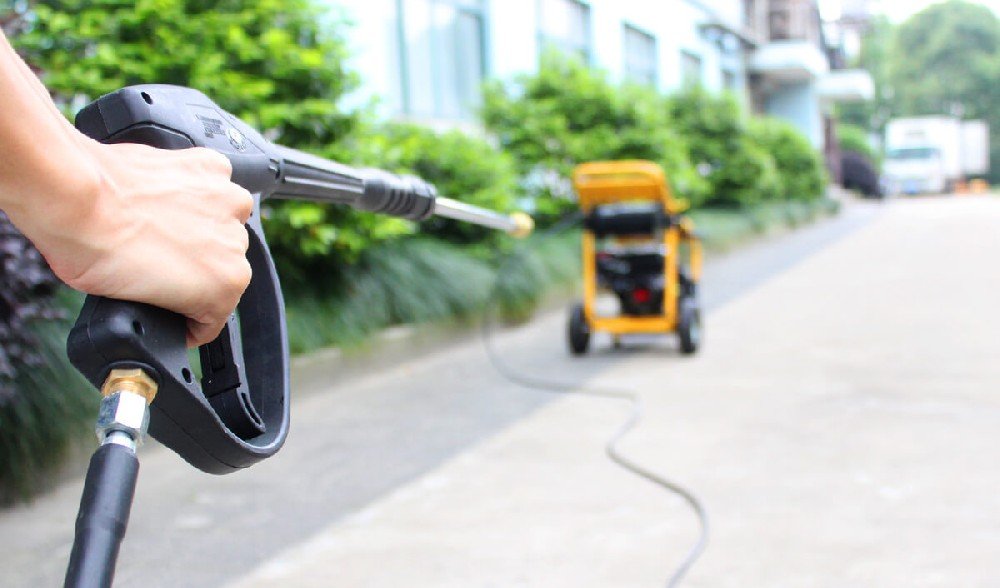
Electric pressure washers are lighter, quieter, easier to use, and better for light to medium cleaning. They are great for homes, vehicles, furniture, and small patios.
Gas pressure washers are stronger, more mobile, and better for big or tough jobs. They are useful for driveways, fences, large yards, and commercial work. They usually need more care and produce more noise.
If you are still asking what size pressure washer do i need, start by thinking about where you will use it most. For most homeowners, an electric model with the right PSI and GPM is enough. For frequent concrete cleaning, gas is often the better fit.
Credit: bisongenerator.com
A simple rule that helps a lot
If your cleaning tasks are mostly small and close to the house, choose electric. If your tasks are large, dirty, or frequent, choose gas. This rule is simple, but it prevents many bad purchases.
Another beginner mistake is buying gas just because it feels more “professional.” For many home users, that only adds cost and maintenance without giving real benefits.
Why GPM can matter more than you think
PSI gets more attention, but GPM often decides how fast the job really gets done. A washer with decent PSI and good GPM can clean faster than a very high-pressure machine with low flow.
For example, imagine cleaning a dirty driveway. If the pressure is strong but the flow is weak, you may need many passes to rinse away the loosened dirt. With better GPM, the surface clears sooner. That means less time, less effort, and often a better finish.
This is the second non-obvious insight many people miss: GPM affects the size of the cleaning area you can handle well. Higher flow is especially useful on large flat surfaces, where rinsing speed matters more than raw pressure.
That is also why surface cleaners work so well. They use water flow efficiently across a wider area. On driveways and concrete, this can make a huge difference.
How to estimate the right size for your home
If you want a quick answer, look at your most common cleaning job. Then choose a washer that fits that task, not your rare hardest task.
- Mostly cars, bikes, and light dirt → 1,200 to 1,900 PSI, 1.2 to 1.8 GPM.
- Mostly decks, fences, and patio furniture → 1,800 to 2,800 PSI, 1.8 to 2.5 GPM.
- Mostly driveways, sidewalks, and brick → 2,500 to 3,500 PSI, 2.3 to 4.0 GPM.
- Frequent heavy-duty work → 3,000+ PSI, 3.0+ GPM.
If you clean many different things, choose the middle of the range rather than the maximum. A machine around 2,000 to 2,800 PSI with about 2.0 to 2.5 GPM is a flexible choice for many homes.
One smart move is to think about storage and power supply too. A large gas washer may be powerful, but if you only have a small garage and simple home tasks, it may be too much machine for your life.
Important features that affect real-world performance
People often focus only on the headline numbers, but a few small details can change the experience a lot.
Credit: imperialdade.com
Nozzle tips
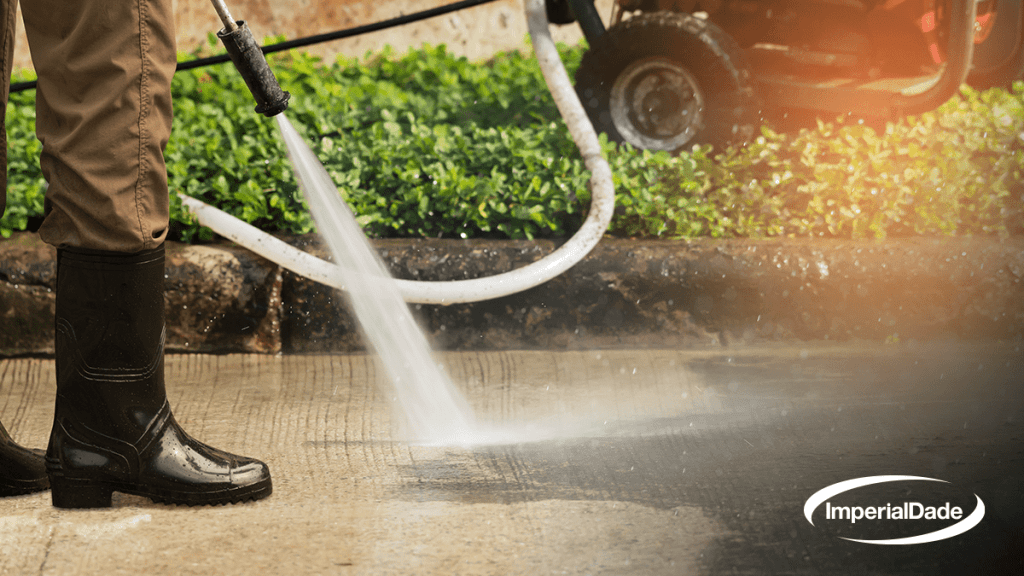
Different nozzles change how the water hits the surface. A narrow tip is stronger and more focused. A wider tip is safer for delicate areas. Most pressure washers come with multiple tips or adjustable nozzles.
For new users, the nozzle is not a minor detail. It can decide whether the washer feels useful or dangerous. A medium-pressure machine with the right nozzle can outperform a stronger one used badly.
Hose length
A longer hose gives you more reach and less need to move the machine around. This is especially helpful for driveways and large yards. Short hoses can make a good washer feel awkward.
Detergent support
Some jobs need soap, not just water. If you clean cars, mildew, or greasy surfaces, detergent support is useful. It helps loosen dirt before rinsing.
Duty cycle and build quality
For regular use, look at how the washer is built, not only how strong it is. Cheap machines may lose performance or wear out faster. A well-built moderate machine often lasts longer than a powerful but weakly made one.
Common mistakes buyers make
Choosing the wrong size pressure washer usually happens for a few simple reasons. If you avoid these, you will make a better choice.
- Buying too much PSI and damaging wood, paint, or trim.
- Ignoring GPM and ending up with slow cleaning.
- Choosing the biggest machine without thinking about storage, noise, or maintenance.
- Using one machine for every job without matching the nozzle and pressure to the surface.
- Forgetting water source limits, which can reduce performance if flow is poor.
One more mistake is expecting any pressure washer to remove everything instantly. Sometimes a pre-soak, the right detergent, or a second pass is needed. Good cleaning is about the right method, not just more power.
How to think about budget and value
It is easy to spend too much on power you will not use. A better plan is to buy the smallest machine that can handle your main jobs comfortably. That usually gives the best value.
If you only need occasional cleaning, an electric washer can be a very smart buy. If you clean large concrete areas often, paying more for higher GPM may save time every month. In that case, the better machine can pay for itself through efficiency.
Also, do not forget running costs. Gas machines need fuel, oil, and more upkeep. Electric models are simpler to maintain. Over time, that difference can matter more than the purchase price.
When bigger is not better
This is worth saying clearly: the most powerful washer is not always the best one for your home.
If you use too much PSI on wood, it can leave permanent marks. If you use too much force on a car, it can damage trim or paint. If you buy a heavy machine for a small task, you may stop using it because it feels annoying to handle.
So when people ask what size pressure washer do i need, the best answer is usually: the size that fits your most common job, not your rare hardest one.
A simple buying shortcut
If you want a fast decision, use this guide:
- Small home tasks like cars and outdoor furniture: choose 1,300 to 1,900 PSI and 1.2 to 1.8 GPM.
- General household cleaning like patios and fences: choose 1,800 to 2,800 PSI and 1.8 to 2.5 GPM.
- Big tough outdoor surfaces like driveways: choose 2,500 to 3,500 PSI and 2.3 to 4.0 GPM.
- Frequent heavy work: choose 3,000+ PSI and 3.0+ GPM.
If you are unsure, choose a versatile mid-range model. It is usually safer and more useful for a normal home owner than an extreme-power unit.
For official product safety and use details, you can also check guidance from Consumer Reports, which explains how pressure washers differ and what features matter.

Credit: thespruce.com
Final thoughts before you buy
Choosing the right pressure washer is easier when you stop thinking only about size and start thinking about the job. PSI gives you cutting power. GPM gives you cleaning speed. Both matter, and both should match your surface.
For most homeowners, a mid-range electric model is enough. For driveways and heavy dirt, gas and higher flow make more sense. The best machine is the one that cleans well, protects your surfaces, and feels easy to use often.
Now you should have a much clearer answer to what size pressure washer do i need. Use your main cleaning task as the guide, and you will avoid the most common buying mistakes.
FAQs
What size pressure washer do I need for a house?
For most homes, a pressure washer between 1,800 and 2,800 PSI with around 1.8 to 2.5 GPM is a practical choice. It can handle patios, fences, siding, and light driveway cleaning without being too aggressive.
Is higher PSI always better?
No. Higher PSI can help with tough dirt, but it can also damage wood, paint, and delicate surfaces. The best washer is the one that matches the surface, not the strongest one you can find.
How much GPM do I need?
For light home cleaning, 1.2 to 1.8 GPM is often enough. For driveways and larger outdoor jobs, 2.3 GPM or more is better because it rinses dirt faster and covers more area.
Should I buy electric or gas?
Choose electric if you want quiet, simple cleaning for cars, furniture, and small home jobs. Choose gas if you need more power, more mobility, and better performance on large or dirty outdoor surfaces.
Can I use one pressure washer for everything?
Yes, but only if you choose a balanced mid-range model and use the right nozzle and technique. A versatile washer can handle many tasks, but very delicate and very heavy jobs may still need different settings or attachments.
