
If you are building a wall, a floor, or a roof frame, the nail gun you choose matters more than many people think. The wrong tool can make the job slow, tiring, and even unsafe. The right one helps you drive nails fast, hold lumber tight, and work with much less effort.
One of the most common questions people ask is what size nail gun for framing. The short answer is that framing work usually needs a full-size framing nailer that drives 16d to 10d nails, often in the 2 inch to 3.5 inch range. But the best choice depends on the type of framing, the nail angle, the power source, and the lumber you are using.
This guide explains how to choose the right nail gun size for framing in a simple way. You will learn what nail lengths matter, what angles mean, which power type works best, and how to avoid common mistakes that cost time and money.
What framing really needs from a nail gun
Framing is not the same as finish work. A finish nailer is made for trim, molding, and light wood pieces. Framing is much heavier. It is used for wall studs, joists, rafters, headers, and other structural parts of a building. That means the nail gun must drive large nails with enough force to hold thick lumber together.
For most framing jobs, you want a framing nail gun, not a general-purpose nailer. These tools are built to handle larger fasteners and tougher materials. They also have a stronger magazine, a larger nose, and more driving power than smaller nail guns.
The most important part is not only the gun itself, but the size and type of nail it uses. If the nail is too short, it may not grip deep enough. If it is too long, it can split the wood or pass through where it should not. So when people ask what size nail gun for framing, they are really asking two things: what kind of nailer and what size nails.
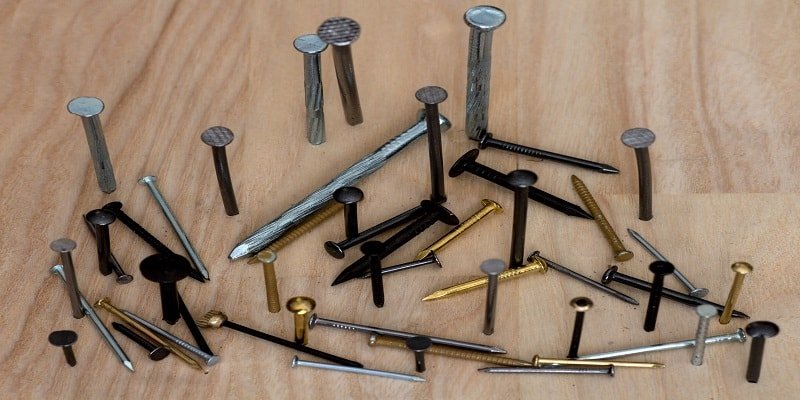
Typical nail sizes used in framing
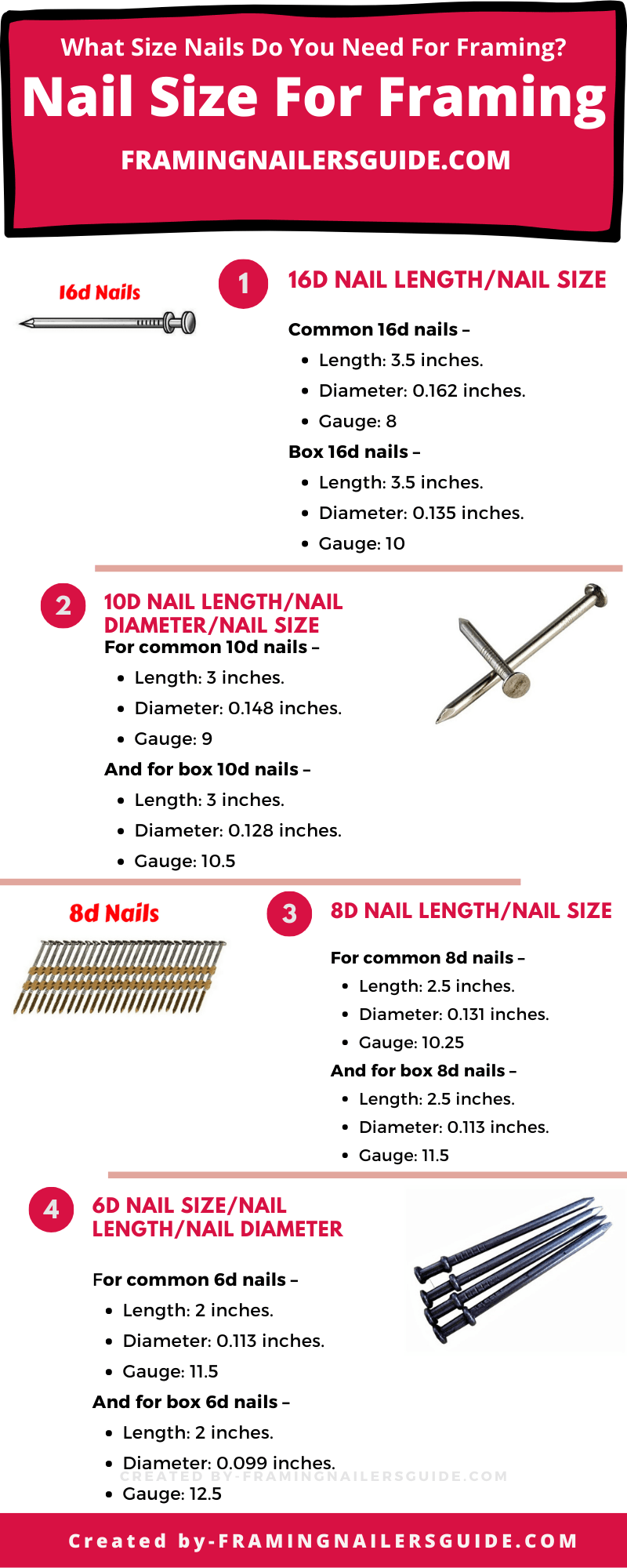
Framing nailers usually use nails from about 2 inches to 3.5 inches. The exact size depends on the job and the thickness of the wood.
- 2 inch to 2.5 inch nails are often used for lighter framing or smaller lumber connections.
- 3 inch nails are common for general wall framing and many structural tasks.
- 3.25 inch to 3.5 inch nails are used for deeper fastening in large lumber or load-bearing areas.
In old carpentry terms, you may hear 10d, 12d, and 16d nails. These names are still common on job sites, but the actual length can vary a little by nail type and code. For modern framing nailers, the length is usually the more useful measurement to check.
Which framing nailer size works best for most jobs
If you want one tool that fits most framing tasks, choose a full-size framing nailer that drives nails up to 3.5 inches. That size gives you the best mix of strength and flexibility.
This is the safest choice for people who build walls, frame decks, install roof trusses, or work with standard 2x lumber. It lets you use shorter nails when needed, but also gives you the option to use longer nails for heavier joints.
There are smaller nailers too, but they are less useful for real framing. A compact nailer may feel easier in tight spaces, yet it often lacks the power and nail length needed for full structural work. If framing is your main task, avoid buying a tool that is too small just to save a little weight.
How nail length affects holding power
Nail length is one of the biggest factors in framing strength. A nail must go deep enough into the second piece of lumber to hold well. As a general rule, the nail should pass through the first board and embed well into the second board.
For example, if you are joining two 2x4s, a 3-inch or 3.25-inch nail often gives better holding power than a 2-inch nail. If you are fastening thinner material, a shorter nail may be enough. Using the right length helps prevent loose joints and wasted fasteners.
One mistake beginners make is thinking “bigger is always better.” That is not true. Very long nails can bend, split the wood, or protrude through the other side. The best nail is the one that gives enough grip without damaging the workpiece.
16-gauge, 15-gauge, or framing nailer: what is the difference?
People often confuse nail gauge with nail size, but they are different. In nail terms, lower gauge numbers mean thicker nails. That is important when comparing nail guns.
For framing, you usually need a framing nailer, which uses thicker nails than finish nailers. These are often called:
- Full round-head framing nailers
- Clipped-head framing nailers
- Plastic-collated framing nailers
A 15-gauge or 16-gauge nailer is not a framing nailer. Those are finishing tools for trim and lighter joinery. They do not drive nails large enough for structural framing.
Clipped head vs full round head
Framing nailers come with different head styles. This affects how many nails fit in the magazine and sometimes how much building code acceptance you get.
Full round-head nails are often preferred because they provide more holding power and are accepted more widely in structural work. Clipped-head nails let the magazine hold more nails and can be a little faster to load, but some building codes restrict them in certain areas.
Before buying, check your local code if you work on load-bearing framing. This is one of those details beginners often miss. A tool can work fine mechanically, yet still be the wrong choice for inspection or code compliance.
For a reliable reference on framing nail requirements and related building practices, you can review guidance from the American Wood Council.
Choosing the right power source for framing work
The size of the nail gun is only part of the decision. You also need to think about power source. Framing nailers are usually available in three main types: pneumatic, cordless, and gas-powered.
Credit: thesprucetools.com
Pneumatic framing nailers
Pneumatic nailers use compressed air from an air compressor. These are still very common on construction sites because they are powerful, fast, and dependable.
Best for: heavy use, job sites, and professional framing work.
Pros:
- Strong driving power
- Light nailer body
- Reliable for long work sessions
- Usually lower tool cost
Cons:
- Need an air compressor and hose
- Less portable
- More setup time
Cordless framing nailers
Cordless framing nailers run on battery power, and some use a gas-assisted system. These are easier to move around and very convenient for small jobs or working in places without air lines.
Best for: remodel work, remote areas, and fast setup.
Pros:
- No air hose
- Easy to carry
- Good for small to medium jobs
Cons:
- Heavier tool body
- Battery life matters
- Higher tool price
Gas-powered framing nailers
Gas-powered nailers use fuel cells and batteries. They are less common today, but still useful in some situations.
Best for: special job sites and users who want cordless power with strong drive.
They can work well, but they usually need more maintenance than pneumatic tools. You also need to think about fuel cost and cleaning needs over time.
Angle choice: 21-degree, 28-degree, or 30-degree nailer?
The angle of the nail magazine is another detail that matters a lot. Framing nailers usually come in 21-degree, 28-degree, or 30-degree models. This angle changes how the tool feels, how many nails it holds, and how easy it is to reach tight spots.
| Angle | Main benefit | Main drawback | Best use |
|---|---|---|---|
| 21-degree | Usually uses full round-head nails and fits well in close spaces | Smaller nail capacity | General framing and code-friendly work |
| 28-degree | Good balance of size and reach | Nails may be more limited in some markets | Versatile framing tasks |
| 30-degree | Great access in tight corners and deep angles | Often uses paper-collated nails and can be slightly bulkier | Roofing, corners, and tighter framing spots |
For most buyers, a 21-degree framing nailer is the simplest starting point. It is widely used, easy to find nails for, and often compatible with full round-head fasteners.
A useful non-obvious point: angle choice should match how you actually work, not just what feels more “professional.” A 30-degree nailer may seem better because it reaches tight areas, but if you mostly build open wall frames, a 21-degree model can be easier to source, load, and keep supplied with nails.
How to match nail size to your framing project
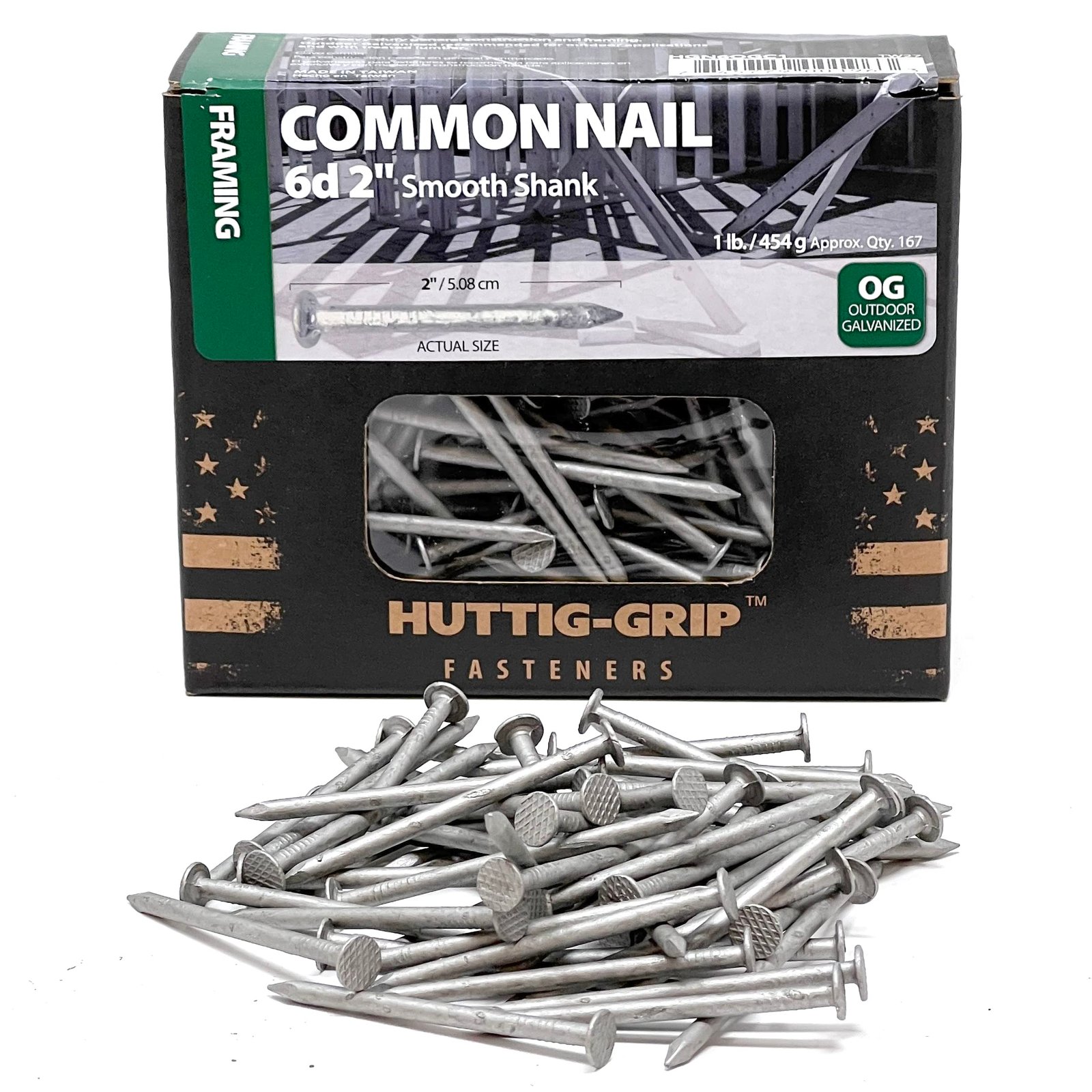
The best nail gun size depends on the project, not only the tool label. Here is a simple way to think about it.
Credit: amazon.com
Wall framing
For standard wall framing, a full-size framing nailer that uses 2.5 inch to 3.25 inch nails is usually enough. This works well for studs, plates, and many common structural joints.
Roof framing
Roof framing often needs a stronger hold because of angled loads and heavier lumber. In this case, a nailer that handles 3 inch to 3.5 inch nails is a smart choice.
Deck framing
Deck building also benefits from a powerful framing nailer, but the exact nail choice depends on the connection. Some areas may require screws or bolts instead of nails. So do not assume every deck part should be nailed the same way.
Trusses and larger structural work
For trusses, headers, or beam-related work, longer nails are often preferred when allowed by code and design. This is where a full-size framing nailer gives you more confidence and fewer limitations.
Another beginner mistake is using the same nail for every connection. That may feel simpler, but it can lead to over-nailing in some places and weak holding in others. The better habit is to match nail length to lumber thickness and the type of joint.
What matters more than size: power, depth, and nail capacity
When people focus too much on “what size nail gun for framing,” they sometimes ignore the other features that matter just as much.
Driving depth control
Depth adjustment helps you set the nail head properly. You want the nail head to sit flush or slightly below the surface, without crushing the wood too much.
If the gun has poor depth control, even the correct nail size may not give clean results. This is especially important in softwood, where nails can sink too deep if the setting is off.
Nail capacity
A magazine that holds more nails means fewer reloads. This saves time on large framing jobs. But larger magazines can also make the tool heavier or harder to handle in tight places.
Weight and balance
Framing often means working overhead, at odd angles, or for long periods. A heavy nailer can cause fatigue fast. Many beginners buy a powerful tool and later regret how tiring it feels after an hour.
Do not only compare power specs. Hold the tool if possible. Check the balance. A slightly lighter nailer can make a big difference in real use.
Common mistakes when choosing a framing nail gun
Buying the wrong framing nailer is easy if you focus only on price or brand. These mistakes are common and expensive.
- Buying a finish nailer by mistake. It may look similar, but it cannot handle structural framing.
- Choosing a nailer that is too short in nail length. This reduces holding strength.
- Ignoring nail angle. The wrong angle can make nails hard to find or use in tight spaces.
- Forgetting about code rules. Some jobs require full round-head nails.
- Buying too much tool for small work. A large framing nailer is not ideal if you only do light DIY tasks.
One deeper insight many beginners miss is that the “best” framing nailer is not always the one with the biggest nail. It is the one that matches your real work pattern. If you mostly repair wall sections or build small sheds, a flexible, lighter framing nailer may be better than a heavy-duty model made for full-time crews.
How to decide if you need a framing nailer at all
Not every wood project needs a framing nail gun. If you only install trim, build small furniture, or do basic home repairs, a finish nailer or brad nailer may be enough. Framing nailers are for jobs where strength and speed matter.
You likely need a framing nailer if you:
- Build walls, floors, or roofs
- Work with 2x lumber
- Need structural holding power
- Want fast fastening on large construction projects
If your work is mostly decorative or light indoor carpentry, a smaller nail gun may be more useful. Using a framing nailer for delicate work is overkill and can damage the material.
Simple buying guide for first-time users
If this is your first framing nail gun, keep the choice simple.
- Choose a full-size framing nailer that drives up to 3.5-inch nails.
- Pick 21-degree if you want a common, easy-to-supply option.
- Choose pneumatic if you already own or plan to buy an air compressor.
- Choose cordless if you want more mobility and faster setup.
- Check whether your work needs full round-head nails for code compliance.
This approach avoids most bad purchases. It gives you enough power for real framing without buying a tool that is too specialized or too limited.
Credit: framingnailersguide.com
Final answer: what size nail gun for framing?
If you want the clearest answer to what size nail gun for framing, choose a full-size framing nailer that drives 2 inch to 3.5 inch nails. For most users, a 21-degree framing nailer is the best all-around option. It handles standard framing work well, and it gives you flexibility for walls, roofs, and general structural jobs.
The real goal is not just buying a “big” nail gun. It is buying the right combination of nail length, head style, angle, and power source for your job. When those parts match, framing becomes faster, cleaner, and much less tiring.
FAQs
1. What size nail gun is best for 2×4 framing?
A full-size framing nailer that drives 3-inch to 3.25-inch nails is usually best for 2×4 framing. This gives strong holding power without being too large for standard wall work.
2. Can I use a 16-gauge nail gun for framing?
No. A 16-gauge nail gun is a finish tool, not a framing tool. It does not drive nails thick or strong enough for structural framing.
3. Is a 21-degree framing nailer better than a 30-degree one?
Not always. A 21-degree nailer is often better for general use and full round-head nails. A 30-degree nailer can be better in tight spaces. The best one depends on your project.
4. What nail length should I use for framing?
Most framing jobs use nails between 2 inches and 3.5 inches. For standard wall framing, 3-inch nails are very common. The right length depends on lumber thickness and joint type.
5. Should I buy pneumatic or cordless for framing?
Choose pneumatic if you want strong, proven performance for regular job-site use. Choose cordless if you want easier movement and faster setup. Both can work well if the tool matches your needs.
