
If you want clean hedge cuts and a longer tool life, lubricant matters more than many people think. Dry blades create heat, drag, and rough cuts. Over time, that can also strain the motor or make your manual hedge trimmer harder to use.
The tricky part is that there is no single oil that is perfect for every situation. The best lubricant for hedge trimmer blades depends on your tool type, the plants you cut, and how often you clean the blades. Some oils work well for rust prevention. Others are better for fast cutting and low stickiness. A few products do both.
In this guide, you will learn what actually matters when choosing a blade lubricant, which oils work best in real use, and how to apply them the right way. You will also see common mistakes that damage blades and reduce performance.
Why hedge trimmer blades need lubrication
Hedge trimmer blades move fast and rub against each other with a lot of force. Even if the cut feels smooth, there is still friction. That friction creates heat and wear. It also makes sap and dirt stick more easily.
Good lubrication helps in four important ways:
- Reduces friction between moving blade parts
- Prevents rust after rain, storage, or washing
- Helps blades cut cleaner with less resistance
- Stops sap build-up from hardening on the metal
This matters for all hedge trimmers, whether they are electric, cordless, or gas-powered. It also matters for manual hedge shears, although the product choice may be slightly different.
One important point many beginners miss: lubrication is not only for maintenance after use. A light coat before trimming can also help blades glide through green growth more easily, especially on soft, sap-heavy hedges.
What is the best lubricant for hedge trimmer blades?
If you want the short answer, the best lubricant for hedge trimmer blades is usually a light, blade-safe oil that stays in place without becoming thick or sticky. In many cases, a purpose-made hedge trimmer blade oil is the best choice because it is designed for metal blades, outdoor use, and sap resistance.
In practice, the best option often falls into one of these categories:
| Lubricant type | Best for | Main advantage | Main drawback |
|---|---|---|---|
| Hedge trimmer blade oil | Most users | Balanced protection and smooth cutting | May cost more than basic oils |
| Light machine oil | General maintenance | Easy to find and simple to use | Not always as good against sap |
| Bar and chain oil | Heavier use, thicker coating | Stays on metal well | Can be too sticky on some trimmers |
| Silicone spray | Light sap resistance and quick cleaning | Leaves a slick surface | May not protect as long as oil |
| Rust-preventive spray | Storage and seasonal care | Good corrosion protection | Not always ideal for active cutting |
For most homeowners, a light hedge trimmer blade oil or a high-quality light machine oil is the safest, most practical answer. If your hedges are very sticky, a product with stronger anti-sap properties is often better.
One thing beginners often miss: the “best” lubricant is not always the most slippery one. Too much slip can attract dirt, dust, and plant matter. That can create a paste on the blade and make cutting worse.
When hedge trimmer blade oil is the best choice
Blade oil is ideal if you want a product made specifically for this job. It is usually thin enough to spread well, but it also clings to the metal long enough to protect it.
Choose it if you:
- Use your trimmer often
- Cut soft, green hedges with sap
- Want easy maintenance with fewer guesswork problems
- Store your trimmer for long periods between uses
When light machine oil works well
Light machine oil is a solid backup choice. It is common, affordable, and usually safe for metal blades if used in a thin layer.
It works best when:
- You trim only a few times per season
- You want simple rust protection
- Your hedge trimmer maker does not require a special oil
However, do not use heavy grease or thick automotive oils unless the manufacturer clearly allows it. They can slow the blade movement and hold debris.
When silicone spray is useful
Silicone spray is not always the main lubricant, but it can be helpful. It leaves a slick surface and can make sap less likely to stick.
This is useful if you:
- Trim resin-rich plants
- Want a fast-drying coating
- Need a light, clean finish before storage
Still, silicone spray is often better as a helper product than a full replacement for blade oil.
How to choose the right oil for your hedge trimmer
The right oil depends on a few practical things. You do not need to overthink it, but you should not pick randomly either.
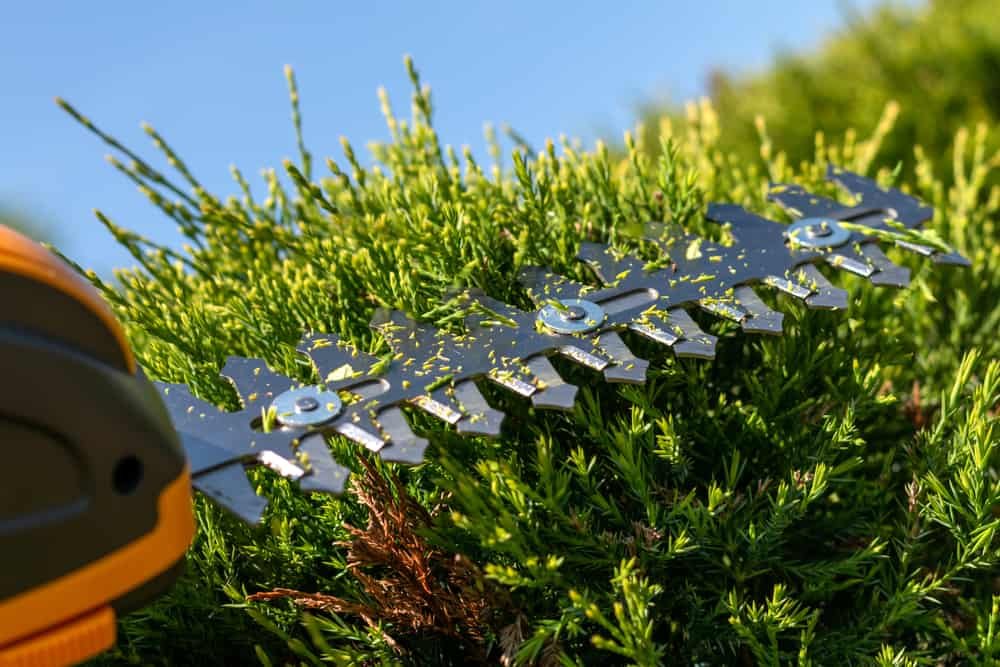
Credit: obsessedlawn.com
1. Check your trimmer type
Electric and cordless hedge trimmers often need lighter oil. Gas trimmers may handle stronger-duty lubrication better, especially if they are used for larger jobs. Manual hedge shears need a different approach, but the same rule still applies: use a light, clean lubricant that does not gum up.
2. Think about the plants you cut
Some hedges are clean and dry. Others are sticky and messy. If you cut boxwood, privet, yew, or other sap-heavy shrubs, choose an oil that resists buildup. If your hedges are mostly dry and woody, a basic blade oil may be enough.
3. Look at the weather
Hot weather can thin some oils too much, while cold weather can make some products thick and slow. If you live in a very hot or very cold area, choose an oil that stays stable across seasons.
4. Consider storage time
If you use the trimmer once a month, the main concern is smooth cutting. If you store it for winter, rust protection becomes more important. In that case, a lubricant with anti-corrosion properties is worth more than a very slippery spray.
5. Check the manufacturer’s advice
This point is easy to ignore, but it matters. Some brands recommend specific oils or cleaning methods. You can often find that information in the manual or on the brand’s support site. If you want a trusted general guide to tool care and maintenance, the Oregon Products resource is useful for understanding blade and chain lubrication principles.
Lubricants you should avoid
Some products may seem fine at first, but they can create long-term problems. Avoid these unless your manufacturer specifically says they are safe:
- Heavy grease that collects dirt and slows blade movement
- Cooking oil that can go rancid and become sticky
- Thick motor oil that is too heavy for fine blade action
- Random household sprays that may damage plastic parts or rubber seals
Another mistake beginners make is using too much oil. A thick layer does not mean better protection. It usually means more mess, more dust, and more cleanup.
How to lubricate hedge trimmer blades the right way
Good oil helps only if it is applied correctly. The process is simple, but the details matter.
Step 1: Clean the blades first
Always remove leaves, sap, and dirt before adding oil. If you oil dirty blades, you trap debris under the coating. That can wear down the metal faster.
Use a soft cloth or brush. For stubborn sap, use a blade-safe cleaner or warm soapy water if the manufacturer allows it. Dry the blades fully before oiling.
Step 2: Apply a thin coat
Put a small amount of oil along the blade edge and moving parts. You do not need to soak them. A thin, even coat is enough.
A practical rule: if the oil drips, it is probably too much.
Step 3: Run the trimmer briefly
If it is a powered trimmer, switch it on for a few seconds after oiling. This helps spread the lubricant across the blade surface. For manual shears, open and close the blades several times by hand.
Step 4: Wipe off the excess
Excess oil should be removed with a clean cloth. This keeps the trimmer cleaner during the next use and reduces dust build-up.
Step 5: Reapply after use
After trimming, clean the blades again and add a light coat before storage. This is one of the best ways to prevent rust and keep the tool ready for the next job.
How often should you lubricate hedge trimmer blades?
The answer depends on how much you use the tool. There is no need to overdo it, but regular lubrication is important.
- Before each use: light coat if the blades are dry or dusty
- After each use: clean and re-oil before storage
- During long trimming sessions: reapply if sap starts to build up or cutting becomes harder
If you notice squeaking, rough cutting, or extra resistance, the blades may already be too dry. That is a sign to stop and service them before the problem gets worse.
A useful beginner insight: if you trim very wet hedges, you may need to clean and relubricate more often than normal. Moist plant juice can wash away light coatings faster than expected.
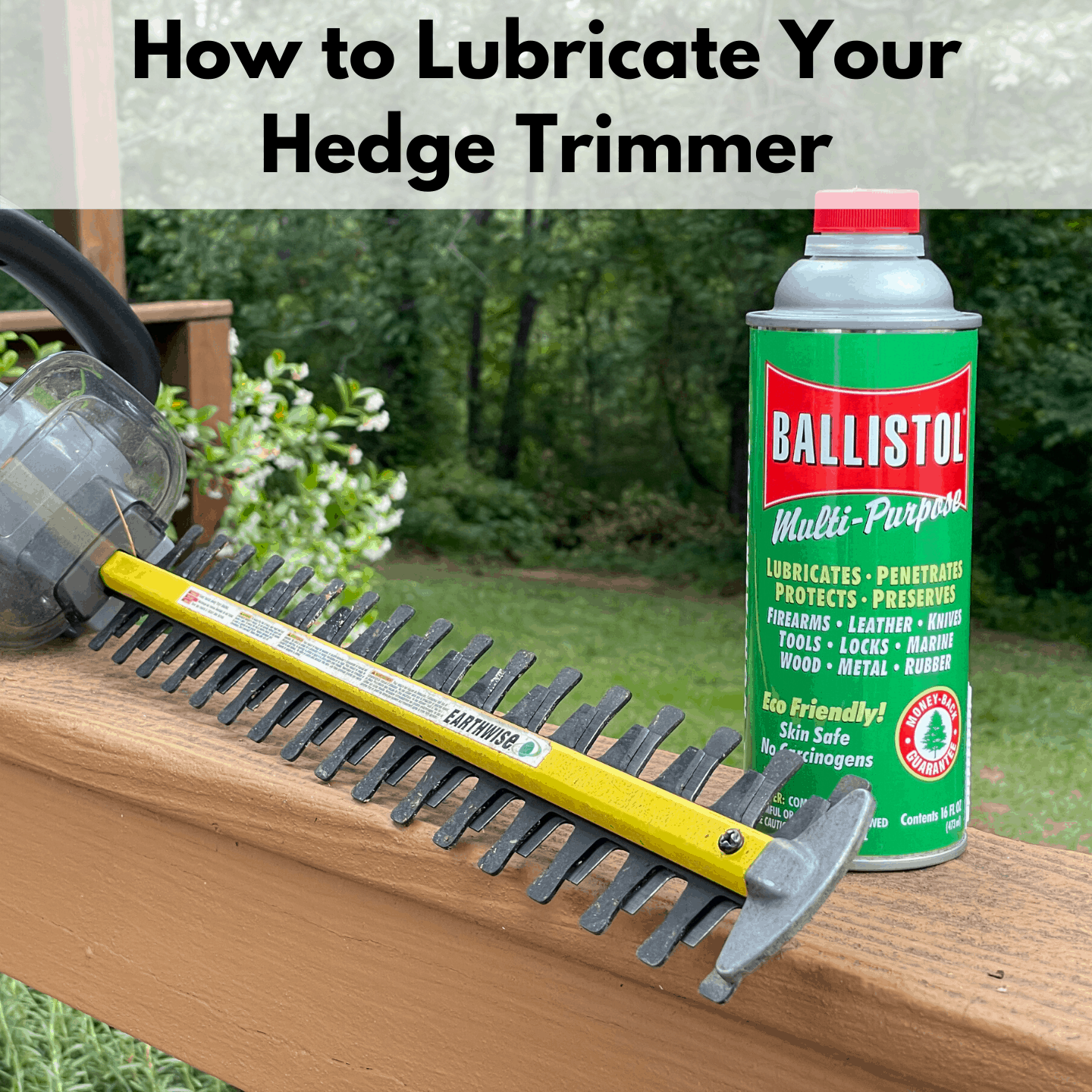
Credit: togethertimefamily.com
Signs you are using the wrong lubricant
Sometimes the product itself is the problem. Other times the problem is how it behaves on your blades. Watch for these warning signs:
- Blades feel sticky instead of smooth
- Dust and leaf bits cling to the metal quickly
- The trimmer seems to work harder than usual
- Cut edges look torn rather than clean
- A dark gummy layer appears on the blades
If you see these signs, stop using that lubricant and clean the blades well. Then switch to a lighter product or one designed for hedge trimmers.
Practical buying tips that save time and money
When people ask what is the best lubricant for hedge trimmer blades, they often expect one product name. But the better answer is to choose based on use, not hype.
Keep these buying tips in mind:
- Buy a product made for outdoor metal tools, not a random household oil.
- Choose a thin formula that spreads easily and does not gum up.
- Look for rust protection if you store the tool for long periods.
- Pick a low-mess option if you trim often and want less cleanup.
- Match the oil to the plant type if your hedges are especially sticky.
Non-obvious tip: a slightly better lubricant can save money by reducing blade wear and cleaning time. The cheapest bottle is not always the cheapest option in the long run.
Simple maintenance habits that improve blade life
Lubricant is only one part of the job. Blade life also depends on how you treat the tool after trimming.
- Remove sap before it hardens
- Store the trimmer in a dry place
- Check for dull or bent teeth
- Inspect the blade after contact with wire, stone, or hard branches
- Sharpen or service the blades when cutting becomes uneven
If the blades are damaged, no lubricant will fully fix the problem. Oil supports performance, but it cannot replace sharpening or proper repair.
Another useful point: if your hedge trimmer suddenly needs more oil than usual, the blades may already be dull. Dull blades create more friction, which makes the lubrication seem to “disappear” faster.
Final verdict: the safest choice for most users
For most homeowners, the best lubricant for hedge trimmer blades is a light, purpose-made hedge trimmer blade oil. It gives a good balance of smooth cutting, sap resistance, and rust protection. If that is not available, a light machine oil is usually the next best option.
If you cut sticky hedges often, look for a product with stronger anti-sap performance. If your main concern is storage, choose one with corrosion protection. The right choice is the one that keeps your blades clean, fast, and easy to maintain.
In short, do not chase the thickest oil or the most expensive spray. Choose a light, clean, blade-safe lubricant, apply it often, and keep the blades clean. That simple routine will improve cutting performance and help your hedge trimmer last longer.
Credit: togethertimefamily.com
FAQs
1. Can I use WD-40 on hedge trimmer blades?
Yes, in small amounts, WD-40 can help remove moisture and light rust. But it is not always the best long-term blade lubricant. It works better as a cleaner or short-term protectant than as the main oil for regular cutting.
2. Is vegetable oil safe for hedge trimmer blades?
It may work for a very short time, but it is not a good choice. Vegetable oil can turn sticky, attract dirt, and go bad over time. A proper tool oil is much safer and more reliable.
3. How do I know if my hedge trimmer blades need oil?
If the blades look dry, squeak, cut poorly, or collect sap quickly, they likely need oil. You should also oil them after cleaning and before storage, even if they still seem to work fine.
4. Can too much lubricant damage hedge trimmer blades?
Too much lubricant does not usually damage the blades directly, but it can trap dirt and plant debris. That makes the blades dirty faster and can reduce cutting quality. A thin coat is always better than a heavy one.
5. Should I lubricate hedge trimmer blades before or after use?
Both can help. A light coat before use can improve cutting, especially on sticky hedges. After use, clean the blades and apply another thin coat to protect them during storage and prevent rust.
