
If you have ever seen a clean, shiny weld on thin metal and wondered how it was made, there is a good chance a TIG welder was behind it. TIG welding is known for precision, beauty, and control. It is one of the most respected welding methods in metal work.
So, what is a TIG welder? In simple words, it is a machine used for Tungsten Inert Gas welding. This process uses a non-consumable tungsten electrode and a shielding gas to make strong, clean welds. It is slower than some other welding methods, but it gives excellent results when you want accuracy and a neat finish.
This guide explains TIG welding basics in clear, simple language. You will learn how the process works, what parts you need, where TIG welding is used, and what beginners should know before starting.
How TIG welding works
TIG stands for Tungsten Inert Gas. The key idea is simple: the tungsten creates the arc, and the inert gas protects the weld area from air. Air contains oxygen and nitrogen, which can weaken hot metal. The gas keeps the weld clean while the metal cools.
Unlike some other welding methods, the tungsten electrode does not melt into the weld. It only creates the heat needed to melt the base metal. If filler metal is needed, the welder adds it by hand. This gives the welder a lot of control over the final weld.
A TIG welder usually uses a foot pedal or hand control to adjust heat. This makes it easier to work on thin metal, corners, and detailed parts. That is why TIG welding is often chosen for work where appearance matters as much as strength.
Main parts of a TIG welding setup
A TIG machine is more than just a power source. Several parts work together to create a stable arc and a clean weld.
- Power source – supplies the current needed for welding.
- Torch – holds the tungsten electrode and sends shielding gas to the weld area.
- Tungsten electrode – creates the arc but does not melt into the weld.
- Shielding gas – usually argon, which protects the weld from contamination.
- Filler rod – optional metal rod added by hand when extra material is needed.
- Foot pedal or amperage control – helps control heat during the weld.
- Work clamp – completes the electrical circuit between the machine and the metal.
One detail beginners often miss is that the torch angle matters a lot. Even a small change in angle can affect gas coverage and heat distribution. Another common point is tungsten choice. Different tungsten types work better for different metals and power settings. Using the right one makes arc starting smoother and improves weld stability.
Why TIG welding is different from other welding methods
Many beginners compare TIG welding with MIG or stick welding. The biggest difference is control. TIG gives you more control, but it also asks for more skill and patience.
With MIG welding, the wire is fed automatically. That makes it faster and easier to learn. With stick welding, the electrode melts and becomes part of the weld. TIG is more exact because the electrode does not feed itself. The welder controls heat, filler metal, and movement all at once.
This is why TIG welding is often used for jobs where finish quality matters. If the weld must look clean, stay smooth, and avoid spatter, TIG is often the best choice. It is not always the fastest option, but it can produce some of the most attractive welds in the shop.
For a detailed technical overview of welding safety and methods, you can also review guidance from the Occupational Safety and Health Administration.
Jobs where TIG welding stands out
- Automotive repair and custom car work
- Aircraft and aerospace parts
- Stainless steel fabrication
- Pipe welding in certain applications
- Bike frames, art pieces, and decorative metal work
- Thin sheet metal projects
TIG welding is especially useful when you need strong welds on thin material. Heat control is often the difference between a good weld and a burned-through part. That is one reason experienced welders value TIG for delicate work.
The types of metals TIG welding can handle
One of the biggest strengths of TIG welding is its flexibility. It works on many metals, including some that are hard to weld with other methods.
| Metal | TIG welding use | Notes |
|---|---|---|
| Steel | Excellent | Common in fabrication and repair work |
| Stainless steel | Excellent | Popular for clean, corrosion-resistant welds |
| Aluminum | Very good | Needs proper cleaning and AC machine settings |
| Titanium | Excellent | Requires very clean conditions and strong gas coverage |
| Copper alloys | Good | Needs skill and correct setup |
Aluminum deserves special attention. Many beginners think aluminum is just another metal, but it behaves differently because of its oxide layer. That layer melts at a much higher temperature than the metal under it. If the surface is not cleaned well, the weld can become weak or dirty.
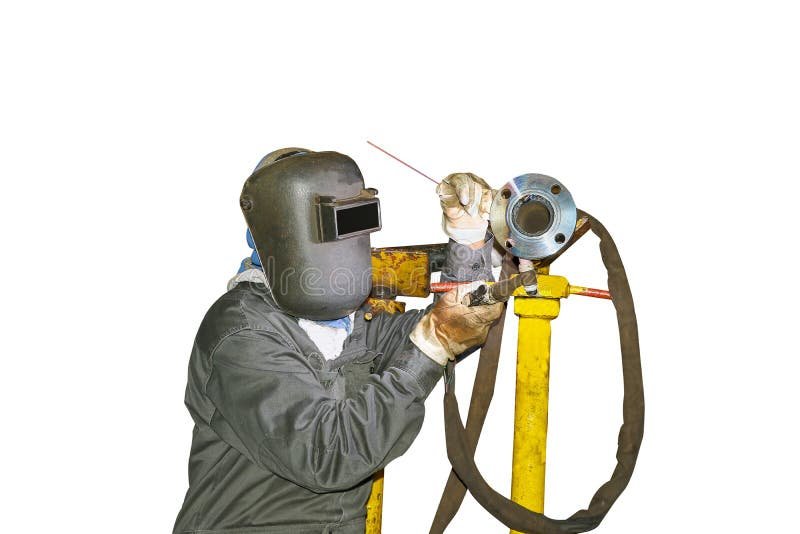
Another point many people miss is that TIG welding on stainless steel can look perfect on the outside but still fail if heat input is too high. Too much heat can distort the metal or reduce corrosion resistance. Good TIG work is not only about appearance. It is also about controlling the metal’s structure.
Credit: dreamstime.com
How to set up a TIG welder
Getting the machine ready is a major part of successful welding. A clean setup saves time and reduces mistakes.
- Choose the right power source – Make sure your TIG welder matches the material and thickness you plan to weld.
- Select the correct tungsten – Use the tungsten type and size recommended for the job.
- Install the torch parts – Check the collet, cup, and back cap so everything is secure.
- Set the shielding gas – Argon is the most common gas for TIG welding.
- Prepare the workpiece – Clean the metal well. Remove rust, oil, paint, and dirt.
- Attach the work clamp – Place it on clean metal for a strong electrical connection.
- Test your settings – Check amperage, gas flow, and arc start before welding the real part.
Clean metal is not optional in TIG welding. Dirt or oil can ruin the weld quickly. Even fingerprints can matter on sensitive jobs like stainless steel or aluminum. A small amount of contamination can cause porosity, discoloration, or weak fusion.
Setting gas flow the smart way
Many beginners assume more gas is always better. That is not true. Too much shielding gas can create turbulence and pull air into the weld area. Too little gas leaves the molten metal unprotected.
The goal is steady coverage, not maximum flow. The right amount depends on the cup size, torch design, and the surrounding environment. Drafts from fans or open doors can also disturb the gas shield. This is a small detail, but it can make a big difference in weld quality.
TIG welding technique basics
TIG welding looks simple when done by an expert, but it requires good hand control and rhythm. Your torch hand, filler hand, and foot pedal work together. That is why practice matters so much.
Basic torch movement
Keep the torch steady and move at an even speed. The arc should stay focused on the joint area. Do not point the torch too steeply, or shielding gas coverage may weaken. A slight angle is usually better than a direct vertical position.
Adding filler metal
If the weld needs filler, add it carefully into the leading edge of the weld pool. Do not dip the rod into the tungsten. That can contaminate the electrode and disturb the arc. A smooth rhythm helps create even bead shape.
Using the foot pedal
The foot pedal is one of the most useful parts of a TIG setup. It lets you increase heat at the start and reduce heat as the metal warms up. This is very helpful on thin metal, where too much heat can burn a hole.
Beginners often use the pedal too aggressively. A better method is to treat it like a fine control tool, not an on-off switch. Small changes often give better results than large ones.
Reading the weld puddle
The molten puddle tells you a lot. If it spreads too fast, the heat may be too high. If it barely moves, the heat may be too low. A stable puddle is a sign that your settings and travel speed are balanced.
This is one of the most useful skills in TIG welding: learning to watch the puddle instead of only watching the torch. The puddle tells the truth about what is happening. Once you can read it, your welding improves quickly.
Common mistakes beginners make
TIG welding rewards patience, but beginners often try to rush. That usually creates problems. Here are some mistakes that show up often.
- Dirty metal – contamination causes weak welds and ugly results.
- Wrong tungsten choice – poor electrode selection can make arc starts difficult.
- Too much heat – this can warp metal or burn through thin parts.
- Bad filler timing – adding filler too early or too late harms bead shape.
- Weak gas coverage – drafts, leaks, or bad torch angle can expose the weld to air.
- Contaminating the tungsten – touching the filler rod to the electrode causes arc problems.
Another mistake is ignoring fit-up. If the joint has large gaps or poor alignment, even a skilled welder will struggle. TIG is very precise, so the parts should fit well before welding starts. Good preparation often matters more than expensive equipment.

Credit: gettyimages.com
Safety steps you should not ignore
Welding always involves heat, bright light, and fumes. TIG welding is clean compared with some other methods, but it still needs proper safety habits.
- Wear a welding helmet with the correct shade.
- Use gloves and long sleeves to protect your skin.
- Work in a space with good ventilation.
- Keep flammable materials away from the welding area.
- Check gas cylinders and hoses for leaks or damage.
- Do not touch hot metal right after welding.
The arc light can damage your eyes and skin very quickly. Even a short exposure can cause a painful burn. Good safety gear is not a bonus. It is part of the welding process.
One safety habit that beginners often forget
Let the metal cool before touching or moving it. TIG welds may look finished, but the workpiece can stay very hot for a long time. A part that seems safe can still cause burns or damage a surface nearby.
What makes a TIG welder a good choice
If you want a machine that gives precision and beauty, TIG is a strong choice. It is especially useful when the weld must be clean and controlled. The process is slower, but the quality can be excellent.
A TIG welder is a good investment if you work with stainless steel, aluminum, thin metal, or detailed custom parts. It is also a great option if you want to build real welding skill. TIG teaches hand control, heat control, and patience better than many other methods.
At the same time, TIG is not the easiest path for fast production work. If you need speed more than appearance, another welding process may fit better. The right tool depends on the job. That is an important rule many buyers miss.
Who should learn TIG welding first
TIG welding is a strong choice for people who want clean results and are willing to practice. It is ideal for:
- Hobby welders who want high-quality finishes
- Fabricators working on thin or visible metal parts
- Mechanics and custom builders
- Students learning detailed welding control
- Anyone who wants to weld stainless steel or aluminum well
If your goal is to learn one welding process that teaches precision, TIG is hard to beat. It can be frustrating at first, but the skill you build carries over into many metalworking jobs.
How to improve faster with TIG welding
The best way to improve is to practice short welds on scrap metal. Do not start with a project you care about. Use practice pieces first, because mistakes are part of the learning process.
- Practice hand position – Keep your torch hand steady before you try full welds.
- Work on starts and stops – A smooth arc start helps the entire weld.
- Watch the puddle closely – Learn how heat changes the metal.
- Practice filler timing – Add filler in a repeatable rhythm.
- Review each weld – Look for undercut, porosity, or uneven bead shape.
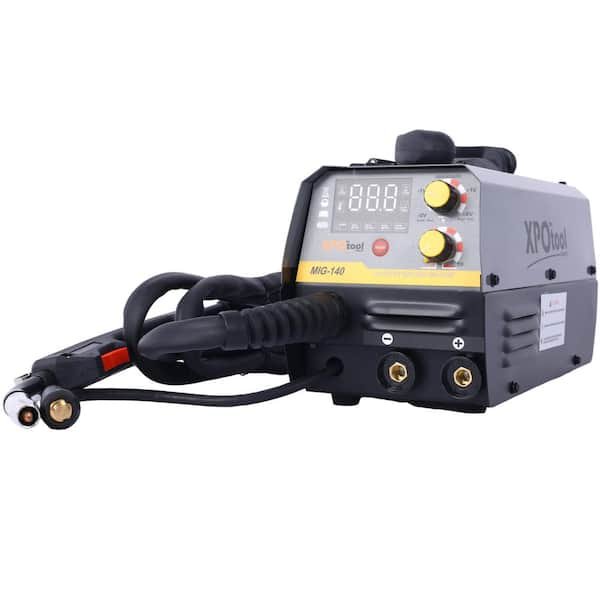
Small practice sessions are often better than long tired sessions. TIG welding needs focus, so short and regular practice can help you improve faster. Another useful habit is to change only one setting at a time when learning. That makes it easier to understand what each change does.
Credit: homedepot.com
Final thoughts on TIG welding basics
So, what is a TIG welder? It is a machine that creates precise, clean welds using a tungsten electrode, shielding gas, and careful hand control. TIG welding is slower than some other methods, but it gives excellent results on many metals, especially when appearance and accuracy matter.
If you want strong control, neat beads, and the ability to work on thin or delicate material, TIG welding is worth learning. It takes practice, but the skill is valuable. Once you understand the setup, the technique, and the common mistakes, TIG welding becomes much less intimidating and much more rewarding.
FAQs
What is a TIG welder used for?
A TIG welder is used to make clean, precise welds on metals like steel, stainless steel, aluminum, and titanium. It is often used in automotive, fabrication, aerospace, and artistic metal work.
Is TIG welding hard to learn?
Yes, TIG welding is harder to learn than some other welding methods because you control the torch, filler rod, and heat at the same time. However, it becomes much easier with practice and good preparation.
What gas is used for TIG welding?
Argon is the most common shielding gas for TIG welding. In some special cases, gas mixes may be used, but argon is the standard choice for most jobs.
Can TIG welders weld aluminum?
Yes, TIG welders can weld aluminum very well. The process needs proper cleaning, the right machine settings, and good gas coverage for the best results.
What is the biggest advantage of TIG welding?
The biggest advantage of TIG welding is control. It gives you very clean, accurate welds with a smooth finish, which makes it ideal for detailed or visible work.
