
If you have ever tried to drill into brick, concrete, or stone with a normal drill, you know the problem fast. The bit slips. The hole takes forever. The tool feels weak. That is where a hammer drill becomes very useful.
Many people ask, what is a hammer drill used for, because the name sounds simple, but the tool does more than just spin. It adds a fast pounding motion while the bit turns. That extra force helps the drill bite into hard materials much better than a standard drill.
In this guide, you will learn what a hammer drill does, when to use it, when not to use it, and how to get better results. If you are a homeowner, DIY user, or beginner buyer, this will help you choose the right tool and avoid common mistakes.
How a Hammer Drill Works
A hammer drill is made for drilling into hard surfaces. It works in two ways at the same time. First, the drill bit spins like a normal drill. Second, the tool creates a rapid hammering action that pushes the bit forward many times per second.
This hammering motion is not the same as the impact from an impact driver. An impact driver delivers twisting force for screws and bolts. A hammer drill delivers forward pounding to help the bit cut into masonry.
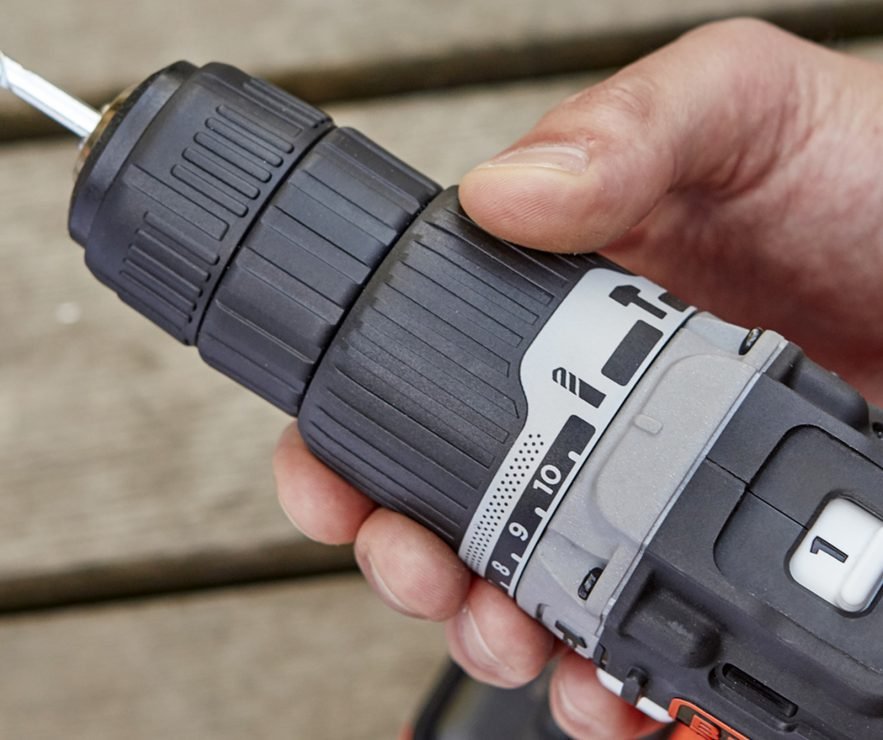
The tool usually has a switch that lets you turn the hammer action on or off. That is important because you do not want hammer action for every job. For wood, metal, and plastic, regular drilling mode is often the better choice.
What makes it different from a regular drill
A regular drill only spins. That works well for soft materials like wood and thin metal. But when the surface is dense, the bit may struggle to make progress.
A hammer drill solves that problem by adding vibration and impact. This extra force helps the bit break through hard material faster. It is especially useful when you need to drill anchor holes for shelves, wall mounts, brackets, or fixtures.
What Is a Hammer Drill Used For in Real Projects?
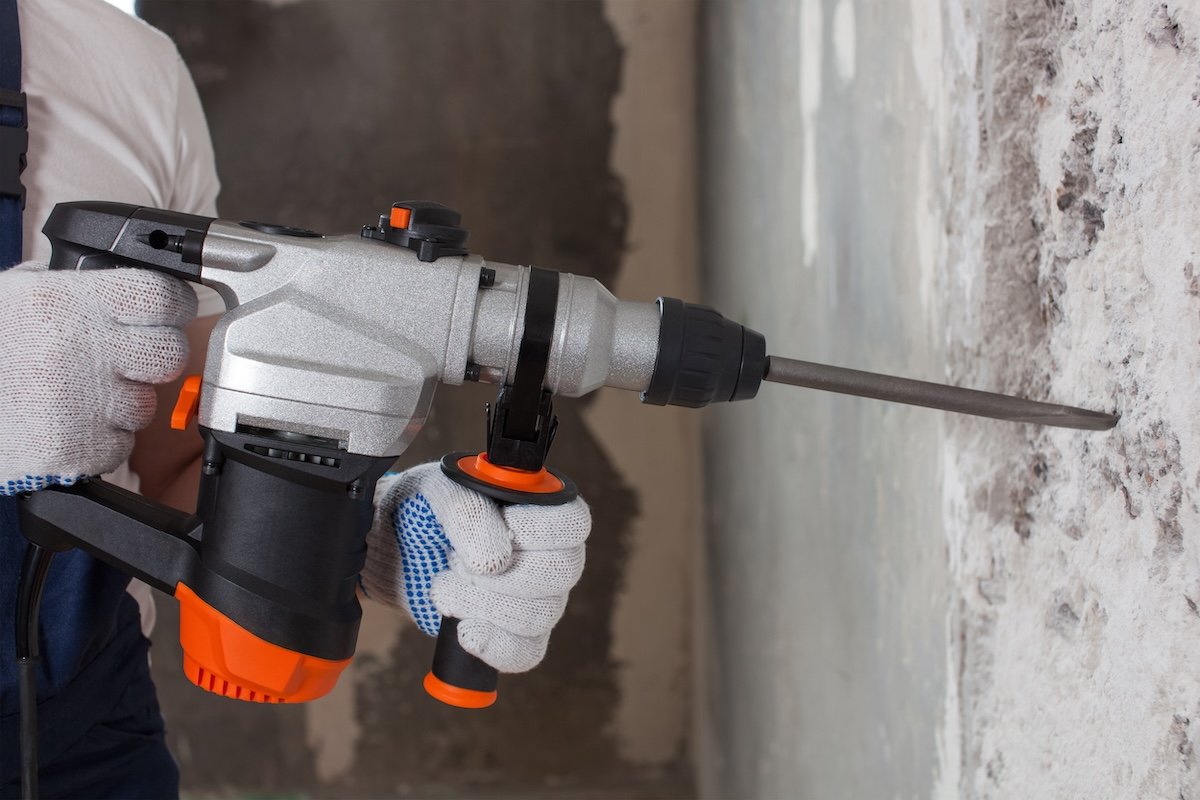
The main use of a hammer drill is drilling into masonry surfaces. That includes concrete, brick, block, mortar, and stone. These materials are common in walls, floors, and outdoor structures.
Here are the most common uses:
- Drilling holes in concrete walls for anchors
- Installing shelves on brick walls
- Mounting handrails, TV brackets, or cabinets on masonry
- Fixing outdoor lighting or camera systems to stone or brick
- Running small holes through cement or block for wiring or fasteners
- Putting in expansion anchors, sleeve anchors, or masonry screws
For many home projects, this tool saves a lot of time and effort. A normal drill can sometimes make a small hole in soft brick or mortar, but it is usually slow and frustrating. A hammer drill makes the job smoother and more controlled.
Best surfaces for a hammer drill
A hammer drill works best on hard but brittle materials. The hammering motion helps break the surface instead of just rubbing against it.
- Concrete — great for anchors, bolts, and heavy fixtures
- Brick — works well for shelves, lights, and wall mounts
- Concrete block — common in basements and garages
- Stone — useful for some outdoor and decorative work
- Mortar joints — often easier than drilling directly into brick
One smart tip many beginners miss: if you have a choice, drilling into mortar is often easier than drilling into the brick itself. Mortar is softer, so it can reduce wear on the bit and make the job faster. But make sure the mortar is strong enough for the weight you plan to hang.
When You Should Use a Hammer Drill
Use a hammer drill when you need to make holes in masonry and want better speed, cleaner progress, and less strain. It is the right choice when the surface is too hard for a regular drill to handle well.
Good examples include:
- Installing wall anchors in concrete
- Hanging a heavy shelf on brick
- Securing outdoor fixtures into stone
- Drilling pilot holes for masonry screws
- Mounting safety rails in a basement wall
If you are doing light home improvement work, a hammer drill can be a very practical tool. It gives you more control than a large rotary hammer, and it is usually easier for beginners to handle.
When a hammer drill is the better choice than a rotary hammer
Some people confuse hammer drills with rotary hammers. They are not the same. A rotary hammer is stronger and is better for heavy concrete work or frequent drilling in tough materials.
A hammer drill is usually enough for:
- Small to medium holes
- Occasional masonry work
- Home use and DIY projects
- Brick, block, and lighter concrete jobs
If you only need to drill a few anchor holes or complete a few home tasks, a hammer drill is often the more practical and lower-cost choice.
When You Should Not Use a Hammer Drill
Knowing when not to use the tool is just as important. The hammer action is helpful on masonry, but it can damage some materials.
Do not use hammer mode on:
- Wood
- Plastic
- Drywall
- Thin sheet metal
- Glass or tile unless the bit and method are designed for it
On soft materials, the hammering action can make holes messy, split the material, or cause the bit to wander. For these jobs, use normal drilling mode or a tool made for the material.
Another beginner mistake is using a hammer drill on decorative tile without care. Tile can crack easily. If you need to drill tile, use the proper bit, low speed, and no hammer action until you reach the backing material.
Credit: bobvila.com
Main Benefits of a Hammer Drill
A hammer drill is not just for making holes faster. It also improves control and reduces the physical effort needed for hard surfaces.
| Benefit | Why it matters |
|---|---|
| Faster drilling in masonry | Helps you finish hard-surface jobs with less waiting |
| Less effort | The hammering action helps the bit do more work |
| Better hole quality | Creates cleaner holes for anchors and fasteners |
| More control for DIY work | Good for home users who need power without a very heavy tool |
| Versatility | Can often be used as a regular drill when hammer mode is off |
One benefit people often overlook is bit wear. A hammer drill can reduce the time the bit spends fighting the material. That does not mean the bit never wears out, but the right tool can help you work more efficiently and avoid forcing the drill too hard.
Another practical advantage is safety through better progress. When a drill bit slips or stalls in hard material, it can twist the tool in your hand. A hammer drill helps the bit stay engaged more consistently, which can make the task feel more stable.
Choosing the Right Hammer Drill for Your Needs
Not all hammer drills are the same. Before buying one, think about the type of work you will actually do. A light cordless model may be enough for home use. A stronger corded model may suit larger or more frequent masonry jobs.
Features that matter most
- Power — More power helps on harder materials
- Speed control — Useful for starting holes cleanly
- Hammer mode switch — Lets you turn the impact on or off
- Chuck type — Keyless chucks are easier for quick bit changes
- Corded or cordless — Corded gives constant power; cordless gives mobility
For small home tasks, cordless tools are easy to carry and use in tight spaces. For longer drilling sessions, corded tools are often better because they do not run out of battery.
If you need to drill into concrete often, pay attention to the drill’s impact rate and torque, not just the brand name. A tool can look strong but still struggle if it lacks enough punch for masonry.
The right bits matter too
A hammer drill only works well when paired with the right bit. Standard twist bits are not designed for concrete or brick. You need masonry bits with carbide tips.
Using the wrong bit can lead to slow progress, broken tips, and overheating. It can also put extra strain on the drill motor. This is a common mistake, especially among new users.
If you want a reliable reference for masonry fasteners and drilling practices, the Concrete Fasteners guide is a useful starting point for learning more about anchors and installation methods.
How to Use a Hammer Drill the Right Way
Using the tool correctly makes a big difference. A hammer drill is simple, but a few small habits can improve the result a lot.
Credit: tooled-up.com
Step-by-step basic use
- Mark the hole location clearly.
- Choose the correct masonry bit size.
- Set the drill to hammer mode if drilling into masonry.
- Start at a steady speed without forcing the tool.
- Keep the bit straight and let the hammer action do the work.
- Pull the bit out occasionally to clear dust.
- Stop once you reach the needed depth.
Do not press too hard. Many beginners think stronger pressure means faster drilling. In reality, too much pressure can slow the tool down and wear the bit faster. Let the drill work at its own pace.
Useful drilling habits
- Use eye protection because dust and chips can fly out
- Mark depth with tape if you need a precise hole
- Clear dust from the hole before inserting an anchor
- Use both hands if the drill feels powerful or heavy
- Start slow to keep the bit from wandering
A second detail many beginners miss: dust buildup inside the hole can make anchors fit poorly. Even if the hole looks deep enough, packed dust can stop the anchor from seating correctly. A quick clean-out with air or a vacuum can improve the final result.
Common Mistakes People Make With Hammer Drills
Even a good tool will perform badly if used the wrong way. These are the mistakes that cause most problems.
Using hammer mode on the wrong material
This is the most common mistake. Hammer mode is for masonry, not soft materials. If you forget to switch it off, you can damage the surface or make the hole messy.
Using the wrong bit
A masonry bit is built for hard, brittle material. A wood bit or standard metal bit is not the right choice for concrete or brick.
Forcing the tool
Too much pressure can overheat the bit and make the hole worse. A hammer drill should feel active, but not forced.
Ignoring hole cleaning
Masonry dust can fill the hole and cause anchor problems. Clean the hole before inserting hardware.
Expecting it to work like a rotary hammer
A hammer drill is powerful, but it is not a heavy demolition tool. For thick concrete or repeated large holes, you may need a stronger machine.
Hammer Drill vs. Regular Drill vs. Impact Driver
These tools sound similar, but they are built for different jobs. Choosing the right one saves time and frustration.
- Regular drill — best for wood, metal, plastic, and light home tasks
- Hammer drill — best for masonry and mixed-use drilling
- Impact driver — best for driving screws and fasteners with high twisting force
If your work is mostly shelves, wall mounts, or drilling into brick and concrete, the hammer drill is the more useful tool. If your work is mostly furniture assembly or screw driving, an impact driver may be the better choice.
Think about the material first, then choose the tool. That simple habit prevents many bad purchases.
Who Needs a Hammer Drill Most?
Not everyone needs one, but many people benefit from owning one.
- Homeowners who hang fixtures on concrete or brick walls
- DIY users who work on garages, patios, and basements
- Apartment renovators who need to mount items on masonry
- Handymen who want a versatile tool for light professional use
- Installers who often fit anchors, brackets, and wall hardware
If your home has block walls, brick walls, or a concrete foundation, a hammer drill can quickly become one of your most useful tools. It is not only for professionals. Many everyday household projects depend on it.
Safety and Maintenance Tips
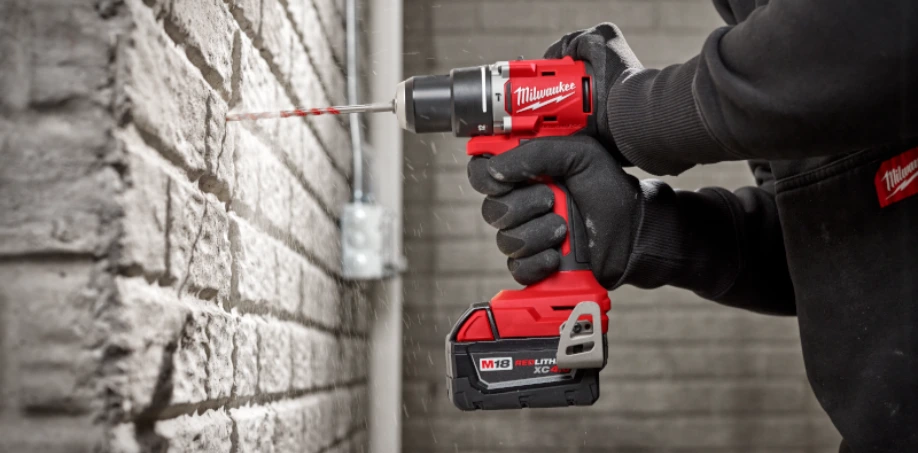
A hammer drill is safe when handled properly, but the tool does create dust, vibration, and heat. Good habits protect both you and the drill.
Credit: midlandtool.com
Basic safety steps
- Wear safety glasses
- Use hearing protection for longer jobs
- Hold the drill firmly with both hands
- Check for hidden wires or pipes before drilling
- Keep loose clothing and jewelry away from the moving bit
For maintenance, clean dust from the chuck and vents after use. Store bits in a dry place so they do not rust. If the drill is corded, inspect the cord often. If it is cordless, keep the battery charged and follow the maker’s charging advice.
Well cared for, a hammer drill can last a long time and stay reliable for repeated home projects.
Final Thoughts
So, what is a hammer drill used for? In simple terms, it is used to drill into hard surfaces like concrete, brick, block, and stone. It combines spinning with a hammering motion, which makes masonry work easier, faster, and more controlled.
It is a practical tool for homeowners, DIY users, and professionals who often need to install anchors, hang fixtures, or make holes in tough walls. It is not the right tool for every surface, but when used in the right place, it can save time and effort right away.
If you remember only one thing, remember this: use a hammer drill for masonry, use a regular drill for soft materials, and match the bit to the job. That simple rule will help you get better results on almost any project.
FAQs
1. What is a hammer drill used for most often?
A hammer drill is used most often for drilling into concrete, brick, block, and stone. It is also used for installing anchors, wall mounts, and other hardware that needs to hold in masonry.
2. Can a hammer drill be used like a normal drill?
Yes. Most hammer drills have a setting that turns off the hammer action. In regular drilling mode, you can use it on wood, metal, and plastic just like a standard drill.
3. Do I need a hammer drill for brick walls?
If you plan to drill into brick walls more than once or twice, a hammer drill is very helpful. It makes the work faster and helps the bit move through the material more cleanly.
4. What kind of bit should I use with a hammer drill?
Use a masonry bit with a carbide tip for concrete, brick, and stone. Standard wood or metal bits are not made for those hard surfaces.
5. Is a hammer drill the same as an impact driver?
No. A hammer drill is for drilling into hard materials like masonry. An impact driver is mainly for driving screws and bolts with strong twisting force.
