
If you work with metal, wood, plastic, or car parts, you may have seen a die grinder and wondered why people trust this small tool so much. It looks simple, but it can do jobs that bigger tools cannot do as cleanly or as precisely. That is why many mechanics, fabricators, and DIY users keep one close by.
The short answer to what is a die grinder used for is this: it is used for cutting, shaping, grinding, cleaning, smoothing, and finishing material in tight spaces. It is fast, sharp, and very useful when detail matters more than brute force. In the right hands, it can save time and improve the final result.
In this guide, you will learn the main uses of a die grinder, where it works best, and what beginners often miss. You will also see when to choose it over other tools, so you can use it with more confidence and less waste.
What a die grinder really does
A die grinder is a small, high-speed power tool that spins different bits and attachments. It can use grinding stones, carbide burrs, sanding drums, cutting wheels, and polishing accessories. The tool itself is not the whole story. The attachment decides the job.
That is one reason people like it. A die grinder can move from rough material removal to fine finishing with a quick change of bit. It is often used in places where a larger grinder, sander, or drill would not fit.
The tool is common in auto repair, metalworking, woodworking, and fabrication shops. Air-powered versions are popular in professional shops. Electric versions are more common for home users. Both can be useful, but the right one depends on how often you use it and what material you work with.
Why it stands out from other tools
A die grinder is not meant to replace every grinder or sander. Its strength is precision. It is especially good for small areas, corners, curves, and shaped surfaces. It gives you more control than a larger grinder, but it also demands more care because it removes material quickly.
Non-obvious insight: beginners often think the strongest tool is the best one. With die grinders, control matters more than power. A tool that cuts too fast can ruin a part in seconds if you use the wrong bit or too much pressure.
7 powerful uses and applications
Here are the most useful ways people use a die grinder in real work. These are not just theory. They are the jobs that make the tool worth owning.
1. Removing welds and smoothing rough metal
One of the most common answers to what is a die grinder used for is weld cleanup. After welding, beads and high spots often need to be flattened or shaped. A die grinder with a carbide burr or grinding stone can remove extra material and make the surface smoother.
This is important in metal fabrication, exhaust repair, and custom work. A clean weld area often looks better and may help parts fit together more easily. It can also prepare a surface for paint, coating, or another weld pass.
For this job, do not push hard. Let the attachment do the work. If you press too much, you can make grooves or overheat the metal.
2. Cutting bolts, rods, and small metal parts
Die grinders can cut small metal pieces when fitted with the right cutting wheel. This is useful when a bolt is stuck, a rod is too long, or a bracket needs a quick trim. In auto repair, this is a real time saver because tight spaces often make larger cutting tools hard to use.
They are also helpful when you need to cut something without a large blade getting in the way. For example, you may need to cut a rusted clamp, a broken screw, or a thin strip of metal in a small area.
Non-obvious insight: the cut is often cleaner if you make several light passes instead of one deep pass. Many beginners try to force a cut, but a light, controlled approach usually gives better results and less wheel damage.
3. Deburring sharp edges
After cutting metal or drilling holes, sharp edges often remain. These edges can be dangerous and can make parts harder to fit or handle. A die grinder is excellent for deburring, which means removing those sharp burrs.
This use may seem small, but it matters a lot. A part with clean edges is safer to handle and often looks more professional. It also helps when parts need to slide together without catching.
Deburring is common on sheet metal, brackets, machined parts, and custom fabrication work. A small grinding stone or carbide bit is usually enough.
4. Porting and shaping engine or machine parts
In engine work, a die grinder is often used for porting. This means shaping intake or exhaust passages to improve airflow. It can also be used on machine parts that need careful shaping or material removal.
This is a skilled task. The goal is not to remove as much material as possible. The goal is to remove material in the right place. A small mistake can change how a part performs.
Many people use a die grinder to match ports, clean casting marks, or smooth rough internal areas. This is common in performance engine work, but it can also be used on pumps, manifolds, and other metal parts that need better flow or fit.
If you are new, start with light cleanup work before trying serious porting. Once material is removed, you cannot put it back.
5. Cleaning rust, paint, and gasket material
A die grinder can help remove rust, old paint, and stuck gasket residue. This is very useful in repair work, especially when a surface must be clean before reassembly. The right attachment can strip away old material without using a large amount of force.
For gasket cleanup, many mechanics use a non-aggressive attachment so they do not damage the sealing surface. That is important because a scratched surface can cause leaks later.
For rust and paint, die grinders are often used on brackets, frames, weld joints, and small parts. They can reach areas that larger sanding tools may miss.
If you want a trusted safety reference for grinding and cutting work, OSHA has clear guidance on power tool safety at osha.gov/power-tools.
6. Sanding, blending, and surface finishing
Die grinders are not just for rough work. With sanding drums or abrasive bits, they can blend marks and improve surface finish. This is useful when you want to smooth a transition between two areas or prepare a part for coating.
Blending is common after welding, shaping, or cutting. It helps remove ugly lines and makes the final surface look more even. In custom fabrication, this is often the difference between an average part and a polished-looking one.
Non-obvious insight: surface finishing is not only about looks. A smoother transition can also reduce stress points in some parts, especially where sharp changes in shape would otherwise remain.
7. Polishing and detail work
With the right attachments, a die grinder can polish metal and handle small detail work. This is useful for decorative parts, small chrome pieces, jewelry, molds, dies, and custom metal projects.
It can also be used to reach tight spots that larger polishers cannot reach. That makes it valuable when a project has curves, corners, or detailed shapes.
Polishing is one of the easiest ways to see how much control a die grinder has. But it still needs the right speed and the right material. Too much speed can damage the finish instead of improving it.
Where die grinders are used most
Die grinders are common in many work areas because they fit many small tasks. The tool is not tied to one trade only. It moves across jobs where detail, access, and control matter.
| Area of use | Common tasks | Why a die grinder helps |
|---|---|---|
| Auto repair | Gasket cleanup, bolt cutting, rust removal, porting | Fits into tight engine spaces and works with many bits |
| Metal fabrication | Weld smoothing, edge cleanup, shaping | Removes material with precision |
| Machining | Deburring, finishing, detail shaping | Useful for small corrections and surface work |
| Woodworking | Detail carving, sanding, shaping | Handles curves and small areas better than larger tools |
| Home repair | Cutting small fasteners, cleaning rust, trimming parts | Good for quick fixes in tight spaces |
Credit: onallcylinders.com
Types of die grinders and how they differ
Before you buy or use one, it helps to understand the main types. The tool may look similar from the outside, but the power source changes how it feels and performs.
Credit: heamar.co.uk
Air die grinders
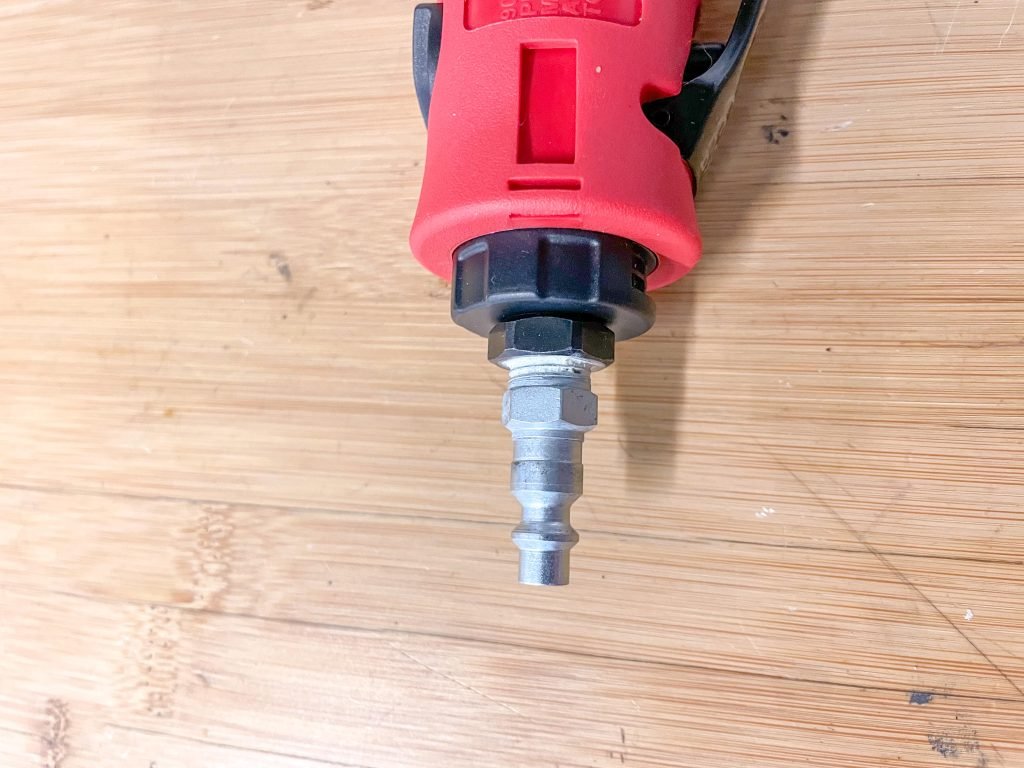
Air die grinders run on compressed air. They are light, fast, and very common in professional shops. They usually have a slim body, which makes them easy to hold for detailed work.
The downside is that they need an air compressor. If your compressor is small or weak, the tool may not perform well. Air tools also tend to be louder.
Electric die grinders
Electric die grinders plug into a wall outlet or use a battery. They are easier for home users because they do not need an air system. They also give steady power for many jobs.
They can be slightly heavier than air tools, but they are more convenient for many people. For general use, they are often the simpler choice.
Important choice many beginners miss
Speed matters more than many people think. Different materials need different RPM ranges and different attachments. High speed is not always better. For example, some polishing jobs need control, while some cutting jobs need the right wheel, not just more speed.
Non-obvious insight: a die grinder that feels powerful but has poor speed control can be harder to use than a smaller one with better control. This is especially true for finish work.
What makes it useful for beginners and pros
A die grinder is useful because it is flexible. One tool can do many small jobs if you choose the correct bit. That saves space in a toolbox and saves time when you move from one task to another.
For professionals, it is often a daily-use tool. For beginners, it is a tool that can quickly improve the quality of a repair or project. But it also rewards patience. The best results come from light pressure, short passes, and the correct attachment.
Common mistakes to avoid
- Using the wrong bit — A cutting wheel is not the same as a grinding burr. Each one has a different job.
- Pressing too hard — Extra force often makes the tool less accurate and can damage the part.
- Ignoring safety gear — Eye protection is not optional. Small debris can fly fast.
- Working without control — A die grinder can remove material quickly, so hand position matters.
- Choosing speed over accuracy — Fast is not always smart. Clean work takes control.
How to choose the right attachment
The attachment decides what the tool can do. If you use the wrong one, the tool will feel weak, rough, or unsafe. If you use the right one, the work feels easier and cleaner.
Basic attachment guide
- Carbide burrs — Best for shaping, grinding, and removing metal
- Grinding stones — Good for general metal grinding and smoothing
- Cutting wheels — Used for trimming bolts, rods, and thin metal
- Sanding drums — Helpful for sanding wood, plastic, and light finishing
- Polishing wheels — Used for final shine and surface finishing
Always check that the attachment is rated for the speed of your tool. A weak or damaged bit can fail under load. That is one of the fastest ways to create danger.
Safety matters more than most people expect
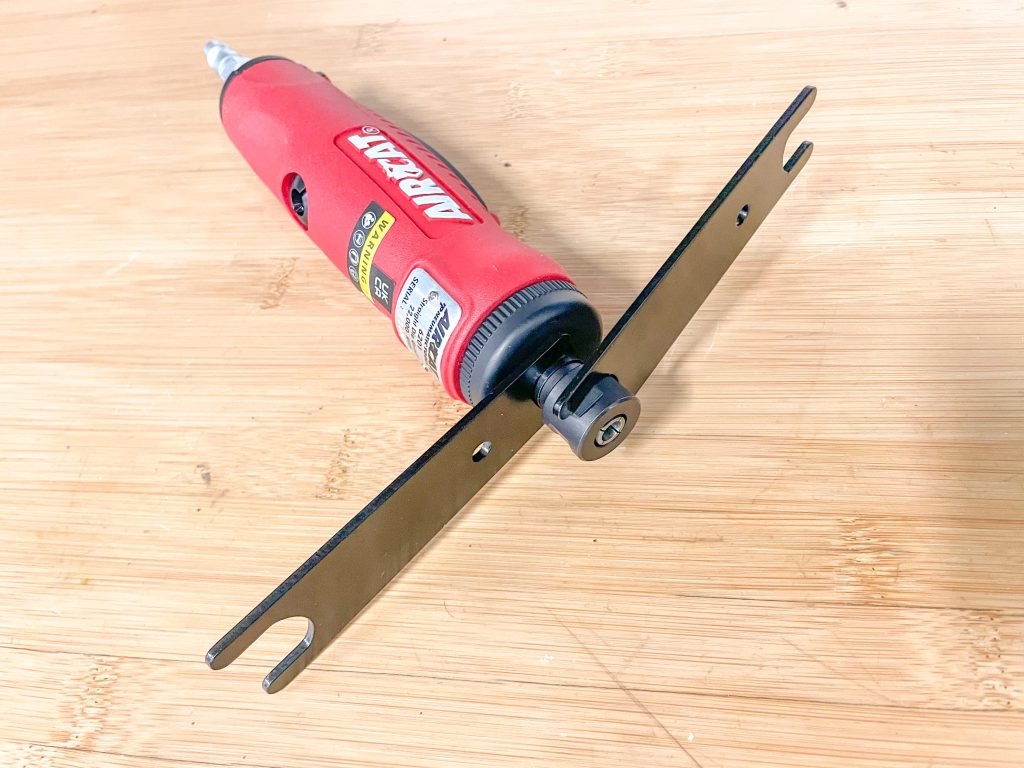
Because a die grinder spins very fast, it can cause injury if used carelessly. Even small pieces of metal can become dangerous at high speed. Safe habits matter from the first use.
Wear eye protection every time. Gloves can help in some jobs, but they should not reduce your grip or get caught in moving parts. Keep the workpiece secure. A loose part can move when the tool touches it.
Also, let the tool stop fully before setting it down. A spinning bit can still catch fabric, skin, or a nearby object. This is a small habit, but it prevents many accidents.
Credit: onallcylinders.com
Why people keep asking this question
People ask what is a die grinder used for because the tool does not look special at first glance. It is small. It is simple. But it can do many different jobs if you know how to use it well.
That is what makes it valuable. It is not a one-purpose tool. It is a detail tool. It handles the jobs that need access, control, and quick material removal in a small space.
In many workshops, the die grinder becomes the tool people reach for after larger tools fail to fit. That alone explains why it has stayed important for so long.
Final thoughts
A die grinder is used for cutting, grinding, cleaning, smoothing, shaping, deburring, porting, and polishing. It is one of the most useful detail tools in metalwork, repair work, and custom fabrication. The real value of the tool is not just speed. It is precision in tight places.
If you choose the right attachment, use light pressure, and work carefully, a die grinder can make many jobs easier and cleaner. That is why it remains a trusted tool in shops and garages everywhere.
FAQs
1. What is a die grinder used for in auto repair?
In auto repair, a die grinder is used for gasket cleanup, rust removal, bolt cutting, weld smoothing, and porting engine parts. It is especially useful in tight engine spaces where larger tools do not fit well.
2. Can a die grinder cut metal?
Yes, a die grinder can cut metal when fitted with the correct cutting wheel. It works well for bolts, rods, clamps, and thin metal pieces. For bigger cuts, another tool may be more efficient.
3. Is a die grinder the same as a rotary tool?
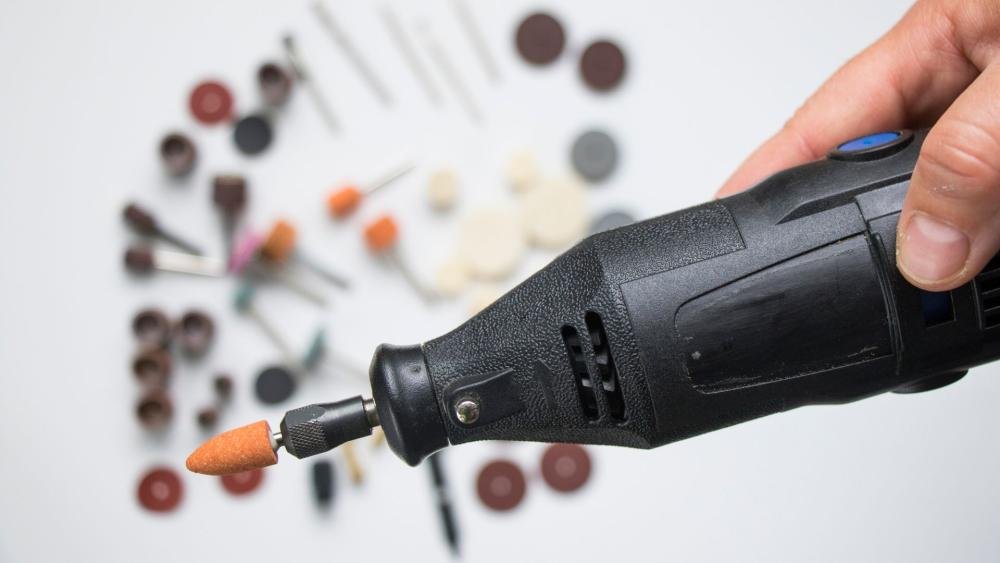
They are similar, but not the same. A die grinder is usually larger, faster, and made for tougher materials like metal. A rotary tool is often smaller and better for light craft or hobby work.
4. What should a beginner use a die grinder for first?
A beginner should start with simple jobs like deburring edges, cleaning rust from small parts, or smoothing rough weld spots. These jobs help build control before moving to more detailed work like porting or polishing.
5. Do I need an air compressor for a die grinder?
Only if you choose an air die grinder. Electric die grinders do not need an air compressor. For many home users, an electric model is easier to set up and use.
