
If you have ever tried to sharpen a knife, chisel, or plane iron, you may have seen two common stone types: water stones and oil stones. Both can make a blade very sharp, but they work in different ways. That difference affects speed, feel, maintenance, and the final edge you get.
Choosing the right stone is not only about brand or price. It is about how you sharpen, how much time you want to spend, and what kind of edge you need. In the water stone vs oil stone debate, the best choice is often the one that fits your tools and your habits.
This guide explains the key differences, the real pros and cons, and the best uses for each stone type. By the end, you will know which one makes more sense for your kitchen knives, workshop tools, or everyday sharpening routine.
How these sharpening stones work
Both water stones and oil stones remove metal from a blade. That is how they create a fresh, sharp edge. But the way they do it is different.
Water stones use water as a lubricant. The water helps carry away tiny metal particles, often called swarf, and exposes fresh abrasive material on the stone surface. This is one reason water stones often cut fast.
Oil stones use oil instead of water. The oil keeps the stone from clogging too quickly and helps the stone work smoothly. Many oil stones are harder and wear down more slowly than water stones.
The big idea is simple: water stones usually sharpen faster, while oil stones usually last longer and need less flattening.
Water stone vs oil stone: the main differences
There are many small details, but a few differences matter most in real use. If you understand these, you can make a smarter choice.
| Feature | Water Stone | Oil Stone |
|---|---|---|
| Lubricant | Water | Honing oil |
| Sharpening speed | Usually faster | Usually slower |
| Stone wear | Wears faster | Wears slower |
| Maintenance | Needs flattening more often | Needs flattening less often |
| Feel during sharpening | More responsive and softer | Harder and more stable |
| Cleanup | Easy, but messy slurry can form | Oil cleanup can be more annoying |
| Best for | Fast sharpening, fine edges, frequent use | Durable stones, general workshop use |
1. Sharpening speed
Water stones usually remove metal faster. That makes them a strong choice when a blade is dull and needs serious work. If you sharpen often, this speed saves time.
Oil stones work more slowly. Some people like that because it gives more control. But if your blade is very dull, it may take longer to restore the edge.
2. Stone hardness and wear
Water stones are often softer. That softness is part of what makes them cut quickly. The tradeoff is that they wear down faster and must be flattened more often.
Oil stones are usually harder. They keep their shape longer, so they are less demanding over time. This matters if you want a stone that stays ready with less upkeep.
3. Surface feel
Water stones often feel smoother and more “alive” in hand. You can usually feel the blade working against the stone very clearly. That feedback helps many sharpeners learn and improve.
Oil stones feel firmer and more stable. Some users prefer that firm feel, especially when sharpening larger tools.
4. Cleanup and mess
Water stones need water, and that is simple. But they also create a slurry of water and metal particles. This slurry can be helpful because it increases cutting action, but it can also make a mess.
Oil stones need oil, which can be cleaner during use but harder to wash off afterward. Oil can also leave residue on tools, hands, and surfaces. If you dislike oily cleanup, this is worth thinking about.
5. Maintenance needs
Water stones need more care. They should be flattened because they wear unevenly. Some types also need soaking before use, though many modern ones are splash-and-go.
Oil stones are simpler in this area. They do not usually need soaking. They also stay usable for a long time with less flattening, though they can still glaze or clog if neglected.
Pros of water stones
Water stones have become very popular for a reason. They offer a strong mix of speed, precision, and edge quality.
- Fast cutting action: They remove metal quickly, which is useful for dull blades.
- Excellent fine sharpening: They can produce very sharp edges, including polished edges.
- Good feedback: Many users find them easier to “read” while sharpening.
- Wide grit range: You can find coarse stones for repair and very fine stones for finishing.
- Simple lubricant: Water is easy to find and cheap to use.
One non-obvious advantage is that water stones can help beginners learn angle control faster. Because they cut quickly, you can see your progress sooner. That feedback is useful when you are trying to build a consistent sharpening habit.
Another point many people miss is that water stones are especially good when you need to remove a tiny chip or reset an edge shape. The faster cut makes these repair jobs much less painful.

Credit: reddit.com
Pros of oil stones
Oil stones remain a solid choice, especially for people who want a more durable, low-maintenance sharpening surface.
- Long-lasting: They generally wear more slowly than water stones.
- Less flattening: They stay flat longer, which reduces maintenance.
- Smooth operation: They often give a controlled, steady sharpening feel.
- Good for workshop tools: They work well on knives, chisels, and plane irons.
- Reliable and simple: They do not need soaking and are easy to keep on hand.
Oil stones are often underestimated because they are slower than water stones. But slower is not always bad. If you sharpen less often and want a stone that lasts, oil stones can be a very practical choice.
They are also a strong option for users who prefer a more traditional sharpening routine and do not want to deal with frequent flattening.
Best uses for water stones
Water stones are a great fit when you want speed and a refined edge. They are often the best choice for people who sharpen often or who work with finer blades.
Kitchen knives
Kitchen knives benefit a lot from water stones. A sharp kitchen knife slices better, feels safer to control, and needs less force. Water stones are especially useful if you want a polished, clean edge for slicing vegetables, meat, or fish.
Repairing dull or damaged edges
If a blade is very dull, or if the edge has small chips, water stones can remove metal quickly enough to fix the problem without wasting too much time.
Fine finishing work
Water stones are excellent for final edge refinement. Fine grits can produce very crisp edges on knives, chisels, and plane blades.
Users who enjoy feedback
Some people like to feel exactly what the blade is doing. Water stones give clearer feedback than many oil stones, which can help you sharpen with more confidence.
Best uses for oil stones
Oil stones are best when you want durability, ease of storage, and a steady sharpening pace. They are not always the fastest, but they are dependable.
Workshop tools
Oil stones work very well on chisels, plane irons, and other hand tools. These tools often need routine touch-ups more than heavy repair, and oil stones handle that kind of work nicely.
Low-maintenance sharpening
If you do not want to flatten your stone very often, an oil stone may suit you better. It is a strong choice for users who want a simple sharpening setup that lasts a long time.
General-purpose sharpening
Oil stones are useful for many common blades, especially when you do not need the fastest possible cutting speed. They are a practical option for home workshops and garage tool kits.
People who sharpen less often
If you only sharpen from time to time, oil stones can be a sensible buy. They stay ready longer and do not demand as much attention as softer water stones.
Types of water stones and oil stones
Not all stones in each group are the same. The material used affects speed, finish, and durability.
Common water stone materials
Water stones may be made from synthetic abrasives like aluminum oxide or other bonded abrasive materials. Some are designed for fast cutting, while others are made for very fine finishing.
Many modern water stones are synthetic because they are consistent and easier to produce in predictable grits. That consistency is helpful when you want repeatable results.
Common oil stone materials
Oil stones are often made from natural or synthetic materials such as novaculite, aluminum oxide, or silicon carbide. Each type has its own feel.
For example, a harder natural oil stone may cut more slowly but offer a very smooth finish. A synthetic oil stone may cut faster and feel more aggressive.
What beginners often miss
When people compare water stone vs oil stone, they often focus only on speed. That is not the full story. There are a few details that matter a lot in real use.
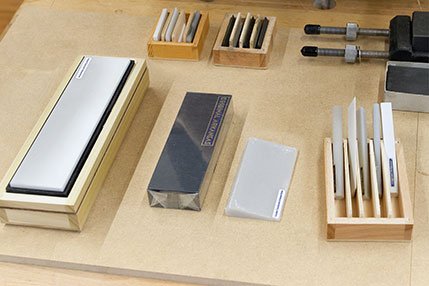
Credit: dictum.com
Flattening matters more than most people think
A worn stone can ruin sharpening quality. If the surface is not flat, you may round over the edge instead of sharpening it properly. This is why water stones, which wear faster, need more attention.
If you do not want to learn stone flattening early, oil stones may feel easier at first.
Lubricant choice changes the whole experience
Water and oil are not just cleanup choices. They change how the stone feels, how fast it cuts, and how much the surface clogs. That means the lubricant is part of the sharpening system, not just an extra step.
Edge quality is not only about grit
Two stones with the same grit number can perform very differently. Bond hardness, abrasive type, and slurry behavior all affect the final edge. That is why one 1000-grit stone may feel much faster or finer than another.
Which one gives a sharper edge?
In many cases, both can give an excellent edge. The final sharpness depends more on skill, grit progression, and technique than on whether the stone uses water or oil.
That said, water stones often make it easier to reach a very fine polished edge because they cut quickly and are available in very fine grits. Oil stones can also get a blade very sharp, but they may take longer to reach the same level of refinement.
If you are chasing speed and fine finishing, water stones often win. If you are chasing durability and simple upkeep, oil stones are hard to beat.
Common mistakes when using either stone
Many sharpening problems are caused by technique, not the stone itself. Avoid these mistakes if you want better results.
- Using the wrong pressure: Too much pressure can wear the stone fast and damage the edge. Use light, steady pressure, especially near the finish.
- Ignoring flatness: A curved stone gives poor results. Check and flatten the surface often, especially with water stones.
- Skipping the coarse grit: If a blade is dull or damaged, starting too fine wastes time. Begin with the grit that matches the problem.
- Mixing oils on water stones: Oil can ruin a water stone’s performance. Keep the two systems separate.
- Expecting speed without technique: Even a fast stone will not help much if your angle changes all the time.
How to choose the right one for your needs
The best choice depends on how you sharpen and what you sharpen most often. Here is a simple way to decide.
Choose a water stone if you want:
- Faster sharpening
- Better feedback while working
- Fine, polished edges
- Help with dull or damaged blades
- A more modern sharpening feel
Choose an oil stone if you want:
- Long stone life
- Less flattening and upkeep
- A steady, controlled sharpening pace
- A simple workshop setup
- Less frequent sharpening sessions
A useful rule: if you sharpen knives often and care about speed, start with water stones. If you want a tough stone that stays flat longer and fits general workshop use, oil stones are a strong pick.
Practical care tips for better results
Good care improves any sharpening stone. A little routine attention saves time later.
For water stones
Rinse them after use, let them dry properly, and flatten them when the surface starts to dish. If your stone needs soaking, follow the maker’s instructions. Do not store it wet, because that can cause damage or mold in some cases.
For oil stones
Use only the correct honing oil. Clean the surface when it starts to clog. If the stone glazes, a light cleaning with a suitable abrasive cleaner may help restore cutting performance.
One small but important tip: keep each stone type separate. Do not use oil on a water stone. Once a water stone is contaminated with oil, its performance can suffer badly.
Water stone vs oil stone for different users
Different people need different things. The best stone is not always the most popular one.
- Home cooks: Water stones often make sense because they sharpen kitchen knives quickly and can give a very clean edge.
- Woodworkers: Both can work, but oil stones are often chosen for routine chisel and plane iron maintenance.
- Beginners: Water stones are easier to learn on for many people, but oil stones may feel simpler if you want less maintenance.
- Frequent sharpeners: Water stones usually save more time.
- Infrequent sharpeners: Oil stones may be more convenient over the long run.
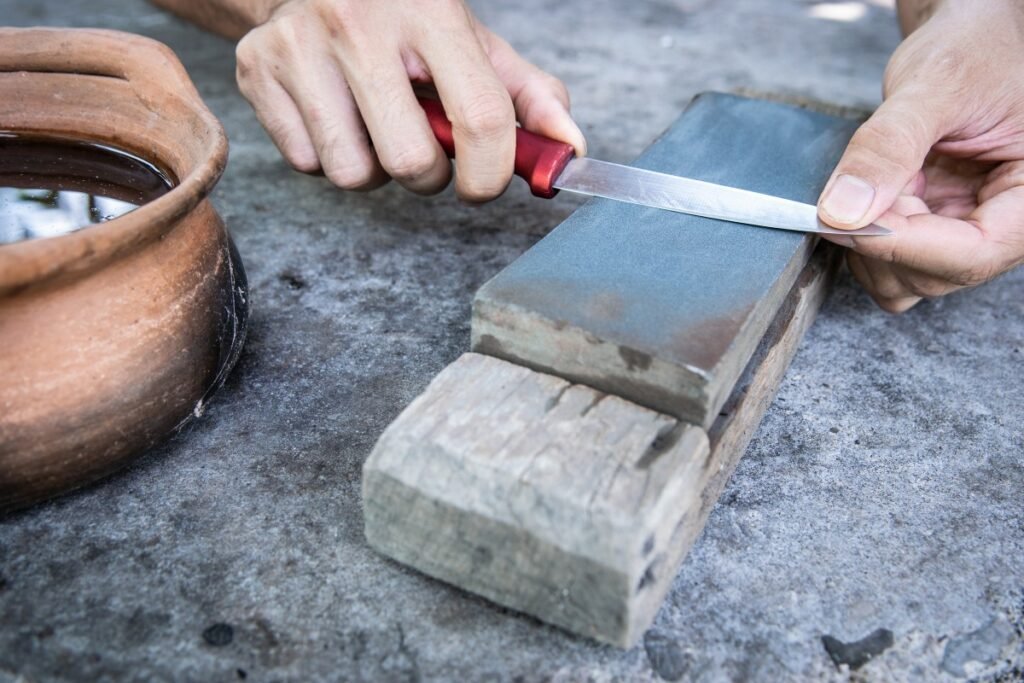
Credit: sharpyknives.com
Do you need both?
Some people use both types. That can be smart if you have different tools and different goals. For example, a water stone may handle knife sharpening, while an oil stone may stay in the workshop for chisels and plane irons.
Still, most users do not need both to get great results. If you are just starting, one good system is enough. It is better to learn one stone type well than to buy many tools and use them poorly.
If you want to go deeper into sharpening stone basics, the Science of Sharp site is a helpful resource with detailed testing and clear sharpening comparisons.
Final verdict
In the water stone vs oil stone debate, there is no single winner for everyone. Water stones are faster, more responsive, and often better for fine edge work. Oil stones are tougher, slower to wear, and easier to live with if you want less maintenance.
If you sharpen often and want great results quickly, water stones are usually the better choice. If you want a durable, low-fuss stone for workshop use, oil stones make a lot of sense. The best stone is the one that fits your tools, your time, and your sharpening style.
FAQs
1. Are water stones better than oil stones?
Not always. Water stones are usually faster and better for fine edges, but oil stones last longer and need less maintenance. The better choice depends on how often you sharpen and what tools you use.
2. Can I use water on an oil stone?
Usually no. Oil stones are made to work with honing oil, not water. Using water may reduce performance and cause the stone to clog or behave poorly.
3. Do water stones wear out faster?
Yes, most water stones wear faster than oil stones. That is one reason they sharpen so quickly. The tradeoff is that they need flattening more often.
4. Which stone is better for kitchen knives?
Water stones are often better for kitchen knives because they cut faster and can produce a very sharp, refined edge. They are a popular choice for home cooks and chefs.
5. Which stone is easier for beginners?
Many beginners find water stones easier because they give good feedback and fast results. But if you want less maintenance and a sturdier stone, an oil stone can also be beginner-friendly.
