
Choosing the wrong wrench size can turn a small plumbing job into a long, frustrating one. A wrench that is too small may slip. A wrench that is too large may be hard to control. In both cases, you can damage pipes, fittings, or even your own hands.
This pipe wrench sizes guide will help you pick the right tool for the job with confidence. You will learn how pipe wrench sizes work, what each size is best for, and how to match the wrench to the pipe, fitting, and working space. If you have ever stood in a hardware aisle wondering which wrench to buy, this guide is for you.
The good news is that choosing the right pipe wrench is not complicated once you understand a few simple rules. The real trick is not just looking at pipe size. You also need to think about jaw capacity, handle length, access space, and how much force the job may need.
How pipe wrench size actually works
Pipe wrenches are usually described by their overall length, not by the pipe size they fit. For example, a 10-inch wrench, a 14-inch wrench, and an 18-inch wrench each have different uses. The longer the wrench, the more leverage you get. That helps when a pipe is stuck or tight.
The jaw opening also matters. A larger wrench can grip a wider pipe. But bigger is not always better. A large wrench can be too heavy for small jobs and too bulky in tight spaces. On the other hand, a small wrench may not grip well enough on a large pipe.
Many beginners make one common mistake: they think the wrench size must match the pipe diameter exactly. That is not how it works. You choose the wrench based on the pipe size, the force needed, and the working space around the pipe.
The two size factors that matter most
When comparing pipe wrench sizes, focus on these two things:
- Jaw capacity — the widest pipe the wrench can grip.
- Handle length — how much leverage and turning power you get.
A short wrench is easier to carry and use in small areas. A long wrench gives better grip power. The best choice depends on the job.
Common pipe wrench sizes and what they are used for
Most pipe wrenches come in a few standard sizes. The exact jaw capacity can vary a little by brand, but the uses are usually similar.
| Wrench length | Typical use | Best for | Notes |
|---|---|---|---|
| 6 to 8 inches | Very small fittings | Tight spaces, light work | Not common for heavy plumbing |
| 10 inches | Small home repairs | Sink traps, small pipe fittings | Easy to handle |
| 14 inches | General-purpose use | Most household plumbing tasks | Good balance of size and power |
| 18 inches | Medium-duty work | Stubborn fittings, larger pipes | More leverage, less maneuverable |
| 24 inches | Heavy-duty work | Large pipes, tough repairs | Best for stronger grip and torque |
| 36 inches and above | Industrial or large plumbing work | Main lines, serious stuck fittings | Very heavy and usually not needed at home |
The 14-inch pipe wrench is often the best all-around choice for homeowners. It handles many jobs without being too heavy. Still, if you work on tiny fittings or large supply lines often, you may need more than one size.
Choosing the right pipe wrench for the pipe size
The pipe itself gives you a starting point. Smaller pipes need smaller wrenches. Larger pipes need longer wrenches with wider jaws. But the pipe diameter alone does not tell the full story.
Here is a simple way to think about it:
- Small pipes often need a 10-inch wrench.
- Standard household plumbing often works best with a 14-inch wrench.
- Medium to larger pipes may need an 18-inch wrench.
- Very large or stuck pipes may call for a 24-inch wrench or bigger.
If you are working on pipes around a sink, bathtub, or toilet supply line, a 10-inch or 14-inch wrench is usually enough. For older plumbing or outdoor lines, a bigger wrench may be safer and more useful.
What beginners often miss
Two non-obvious things matter a lot here.
First, the pipe surface matters. A smooth, clean pipe is easier to grip than a rusty or greasy one. A larger wrench may still slip if the pipe is dirty.
Second, the shape of the job matters. A pipe in an open area is easy to reach. A pipe under a sink or near a wall may need a shorter wrench, even if the pipe itself is not small. In tight spaces, control can matter more than raw power.
How leverage changes the job
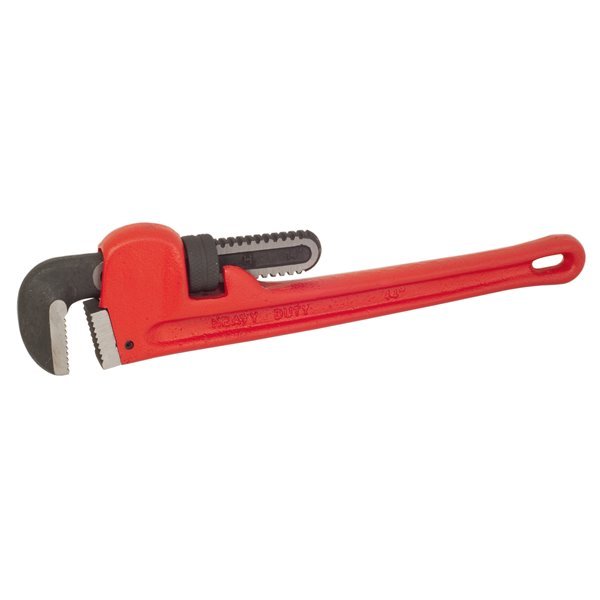
Longer pipe wrenches give you more leverage. That means you can turn tight fittings with less hand force. This is one reason plumbers often carry a few sizes.
But more leverage can also be a problem. If the wrench is too long for the job, you may over-tighten fittings or damage softer metal pipes. You may also hit walls, cabinets, or nearby parts while turning.
For delicate work, a smaller wrench gives better control. For stuck joints, a longer wrench helps break the bond. The right size is often the one that gives enough force without becoming hard to manage.
Credit: mgftools.eu
A simple rule for leverage
If the fitting moves easily, use the smallest wrench that still gives a secure grip. If the fitting is stuck, move up to a longer wrench before forcing the tool. This often gives you better control and reduces hand strain.
Match the wrench to the work environment
The best pipe wrench sizes guide is not only about pipe size. It is also about where you work. A wrench that feels perfect on a bench can feel wrong under a sink or inside a wall cavity.
Think about these job conditions:
- Tight spaces — choose a shorter wrench for easier movement.
- Open areas — choose a longer wrench if you need more power.
- High pipes — lighter tools are easier to hold overhead.
- Rusty fittings — longer handles help break them loose.
- Plastic or soft metal parts — use care, because too much force can damage them.
One useful habit is to test the wrench before applying full force. Make sure the jaws are seated correctly. If the wrench is not aligned well, it can round the pipe or slip suddenly.
When one wrench is not enough
Many homeowners think they only need one pipe wrench. In reality, having two sizes is often better than having one large wrench. Why? Because some plumbing jobs need one wrench to hold a pipe steady and another to turn the fitting.
This is a smart, practical setup:
- 10-inch wrench for small or tight jobs
- 14-inch wrench for general use
- 18-inch wrench for heavy or stubborn fittings
If you only want two, a 14-inch and an 18-inch wrench make a strong combination for most people. If your work is mostly small home plumbing, a 10-inch and 14-inch pair may be enough.
Why two wrenches help
When you use two pipe wrenches together, one can hold the pipe while the other turns the fitting. This reduces stress on the system. It also lowers the chance of twisting pipes in the wrong direction.
This is one of the most useful ideas beginners miss. They push harder with one wrench when they really need a second wrench for support.
Manual pipe wrench size chart for quick decisions
If you want a fast reference, this simple guide can help you choose more quickly.
| Job type | Suggested wrench size | Why it fits |
|---|---|---|
| Small sink fittings | 10 inches | Light, easy to move, enough grip |
| General home plumbing | 14 inches | Balanced size and leverage |
| Stiff threaded joints | 18 inches | Extra turning power |
| Large supply lines | 24 inches | Strong hold and more leverage |
| Industrial work | 36 inches or larger | Built for very large, difficult jobs |
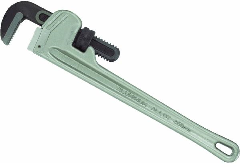
This is not a strict rule, but it is a very useful starting point. Always think about the exact work area before buying.
Credit: coxhardware.com
Steel quality and jaw design matter too
Size is important, but it is not the only thing that matters. A poorly made wrench in the “right” size can still perform badly. Look for strong steel, a smooth adjustment nut, and jaws that grip securely.
A good pipe wrench should bite into the pipe without sliding too much. The teeth should be sharp enough to hold, but not so damaged or worn that they lose grip. If the tool feels loose or uneven, it may not hold well under pressure.
Also, the handle should feel solid in your hand. A longer wrench should not feel weak or bent when you apply force. Cheap tools can flex more than they should, which makes the job harder and less safe.
Common buying mistake
Some people buy the biggest wrench they can find because they think it will work for everything. In practice, a huge wrench is tiring to use and often bad for small jobs. A better choice is a set of useful sizes, not one oversized tool.
How to avoid damage when using a pipe wrench
Using the right size helps, but technique matters just as much. A bad grip can damage the pipe even if the wrench size is correct.
Follow these simple habits:
- Position the jaws correctly. Make sure the wrench bites firmly before turning.
- Pull instead of push when possible. This gives you better control and balance.
- Keep the wrench square to the pipe. Angled force can cause slipping.
- Do not overtighten. Pipe wrenches are for turning and holding, not crushing.
- Use the proper size for the space. A wrench that is too long can hit nearby surfaces.
If the pipe is soft or finished, place a cloth or use a different tool when needed. Pipe wrenches are rugged tools, but they are not gentle tools. That is why size and control matter so much.
Pipe wrench size guide for home users
For most homeowners, the choice is simpler than it first seems. You usually do not need a giant wrench collection. You need the right mix for common repairs.
A smart home kit often includes:
- One 10-inch wrench for small fittings
- One 14-inch wrench for everyday plumbing
- One 18-inch wrench for tougher jobs
This small set covers most sink, toilet, shower, and supply-line work. If you only plan to buy one, the 14-inch size is the safest all-around choice for many users.
For more detail on wrench types and tool standards, a reliable source is NIST, which supports measurement and technical accuracy across many industries.
Pipe wrench size guide for plumbers and heavy-duty users
Professional users need more flexibility. A plumber may face small brass fittings in one job and large steel lines in the next. In that case, size selection becomes a practical system, not a one-tool choice.
Heavy-duty users often carry:
- 10-inch for tight under-sink work
- 14-inch for daily service work
- 18-inch for force and reach
- 24-inch for large pipe and strong leverage
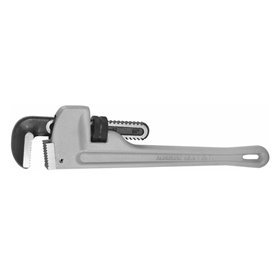
One important professional insight is that longer wrenches are not always faster. In cramped service spaces, a shorter wrench can save time because you can reposition it more easily. Speed comes from the right size, not just the biggest one.
Credit: mgftools.eu
Final advice before you buy
Before choosing a wrench, ask three simple questions. What size pipe am I working on? How much force will the job need? How much space do I have around the pipe?
If the job is light and the space is tight, choose a smaller wrench. If the job is stuck or heavy, choose a longer wrench. If you do both home repairs and tougher plumbing work, buy two sizes instead of trying to force one tool to do everything.
The best pipe wrench sizes guide is not about memorizing numbers. It is about matching the tool to the job in a smart and practical way. Once you understand leverage, jaw capacity, and working space, choosing becomes much easier.
FAQs
1. What is the best all-around pipe wrench size?
The 14-inch pipe wrench is usually the best all-around choice for home use. It gives a good balance of grip, reach, and control for many common plumbing jobs.
2. Can I use a big pipe wrench on a small pipe?
Yes, but it is often not the best choice. A large wrench can feel awkward in tight spaces and may be harder to control. A smaller wrench usually works better for small pipes.
3. How do I know if my pipe wrench is too small?
If the jaws barely fit, slip often, or do not give enough turning power, the wrench is probably too small. You may need a longer wrench with more leverage.
4. Do I need more than one pipe wrench?
For many jobs, yes. One wrench can hold the pipe while another turns the fitting. Having two sizes also gives you more flexibility for different pipe diameters and work spaces.
5. What size pipe wrench do plumbers use most often?
Many plumbers use 14-inch and 18-inch pipe wrenches most often. These sizes work well for a wide range of tasks, from household repairs to tougher plumbing jobs.
