
If you want better cleaning results from a pressure washer, soap is often the missing piece. Water alone can blast away loose dirt, but it does not always break down grease, mold, road film, or sticky grime. That is why learning how to use soap with pressure washer the right way can make a huge difference.
The good news is that soap is not hard to use. But the small details matter. The wrong soap, wrong nozzle, or wrong method can waste time, create streaks, or even damage your machine and surfaces. Used well, soap helps loosen dirt fast, so the pressure washer can rinse it away with less effort.
In this guide, you will learn exactly how to apply soap, what type to choose, which mistakes to avoid, and how to get maximum cleaning power without risking damage.
Why soap improves pressure washing results
Pressure washing works by using water force to remove dirt. Soap adds a chemical cleaning step before rinsing. It helps loosen grime so the water does not need to do all the work.
This is especially useful on surfaces with oily buildup, mildew, pollen, bug residue, or long-term dirt. Soap also helps lift dirt from tiny cracks and rough surfaces where water alone may not reach well.
One thing beginners often miss is that soap does not need high pressure to work. In fact, soap works best when it sits on the surface for a short time before rinsing. That is why the cleaning process is not just “spray and blast.” It is “apply, wait, rinse.”
Another useful point: soap can reduce the total amount of scrubbing you need to do. For many jobs, that saves time and helps protect the surface from extra wear.
Choose the right soap before you start
Not every cleaner is safe for every pressure washer or surface. The best soap is one made for pressure washing or one approved by the manufacturer of your machine. If you use the wrong product, you can damage seals, clog the system, or strip delicate finishes.
For general outdoor cleaning, look for detergent that is:
- Pressure washer safe
- Low-foaming
- Biodegradable when possible
- Suitable for the surface you are cleaning
Different jobs need different cleaners. A house wash soap is not the same as a degreaser for a driveway. A car wash soap is not the same as a deck cleaner. Using the right type gives better cleaning and reduces risk.
For a helpful reference on detergent and cleaning chemistry, the U.S. Environmental Protection Agency offers useful information about cleaning products and safe use.
Match the soap to the surface
Here is a simple way to think about it:
| Surface | Best soap type | What to avoid |
|---|---|---|
| House siding | House wash detergent, gentle cleaner | Strong acids, harsh bleach mixes, high foam |
| Driveways | Concrete cleaner or degreaser | Mild soap that cannot break oil buildup |
| Cars and bikes | Auto-safe car wash soap | Dish soap or strong degreasers |
| Decks and fences | Wood-safe cleaner | Bleach-heavy or aggressive chemical mixes |
| Patios and outdoor furniture | General exterior cleaner | Anything that leaves residue or stains |
If you are unsure, test a small hidden area first. That one simple step can save you from an expensive mistake.
Check your pressure washer setup
Before adding soap, make sure your pressure washer can actually use detergent. Some machines have a built-in soap tank, while others use a separate siphon tube or foam cannon.
Most pressure washers need lower pressure when applying soap. Soap is usually sprayed at a wider angle and gentler flow. The idea is to cover the surface, not blast it.
Also check the manufacturer’s instructions. Some machines are made for specific detergent types. Using the wrong setup can reduce soap flow or harm internal parts.
Know the basic soap application methods
There are three common ways to apply soap with a pressure washer:
- Built-in soap tank — Easy for simple jobs, but often less powerful and less controlled.
- Siphon tube — Pulls detergent from a separate container, which gives better flexibility.
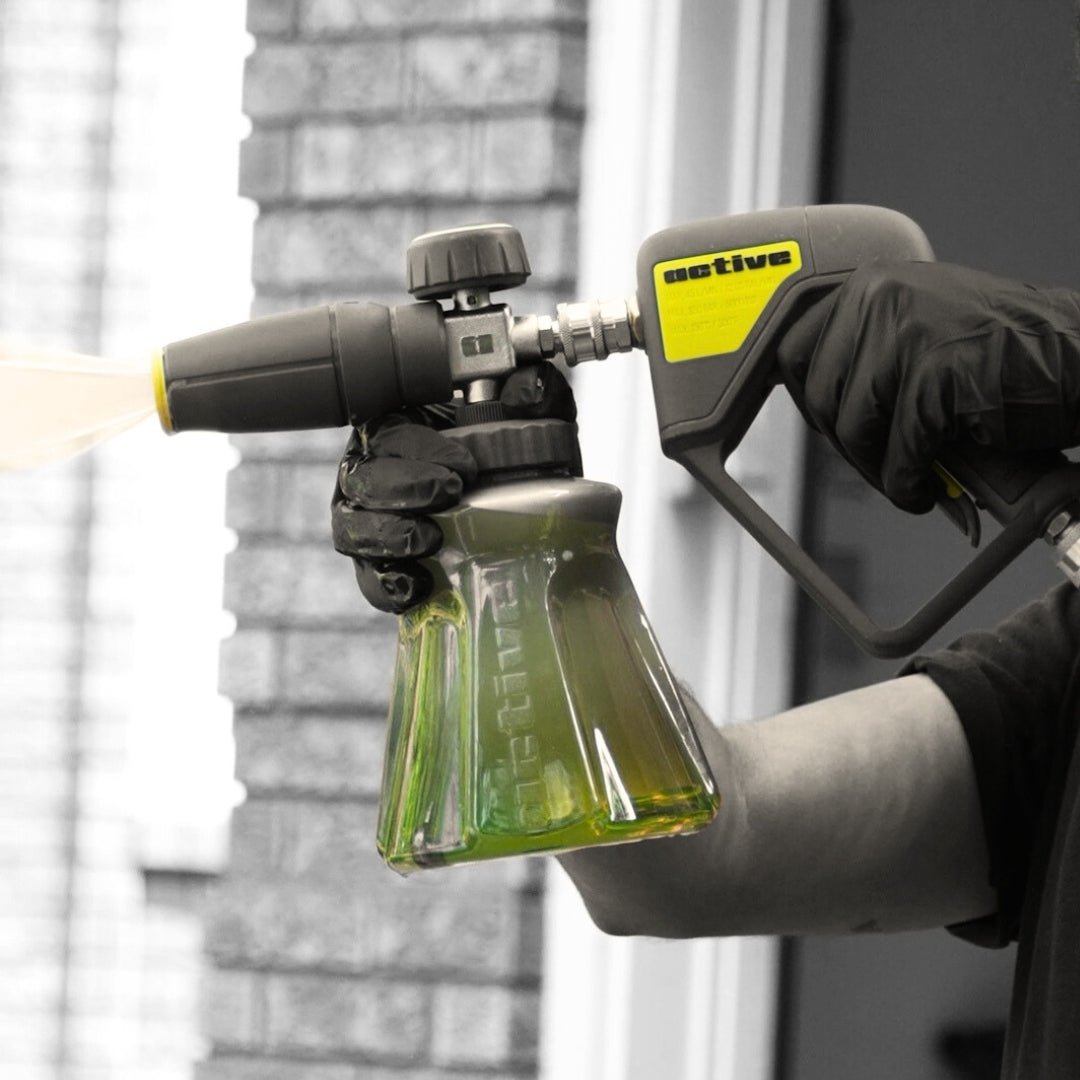
- Foam cannon or foam sprayer — Creates thick foam and offers great coverage, especially for cars and detailed cleaning.
For maximum cleaning power, a foam cannon often gives the best visible coverage. But for large jobs like siding or driveways, a detergent siphon or built-in system may be more practical.
How to use soap with pressure washer the right way
If you want strong results, follow a simple process. The steps below work for most pressure washers and most outdoor cleaning jobs.
-
Rinse loose dirt first
Use plain water to remove loose dust, leaves, or surface debris. This helps the soap work better and prevents scratching.

Credit: bobvila.com
-
Prepare the detergent correctly
Mix the soap only if the label says to dilute it. Some products are ready to use. Others need a certain ratio. Too much soap can leave residue. Too little may not clean well.
-
Switch to the soap nozzle or low-pressure setting
Most pressure washers need a black soap nozzle or a special low-pressure mode for detergent application. This lets the machine draw soap safely without forcing it through high pressure.
-
Apply soap from bottom to top
On vertical surfaces, start at the bottom and move upward. This helps reduce streaking and gives better visual control. On flat surfaces, apply an even coat across the area.
-
Let the soap dwell
Give the cleaner time to work, but do not let it dry. Most soaps need a short dwell time of a few minutes. If the surface dries in the sun, the soap can leave marks.
-
Rinse with clean water at the right angle
After dwell time, switch back to a rinsing nozzle and remove the soap from top to bottom. Keep the spray moving. Let the water do the final lifting.
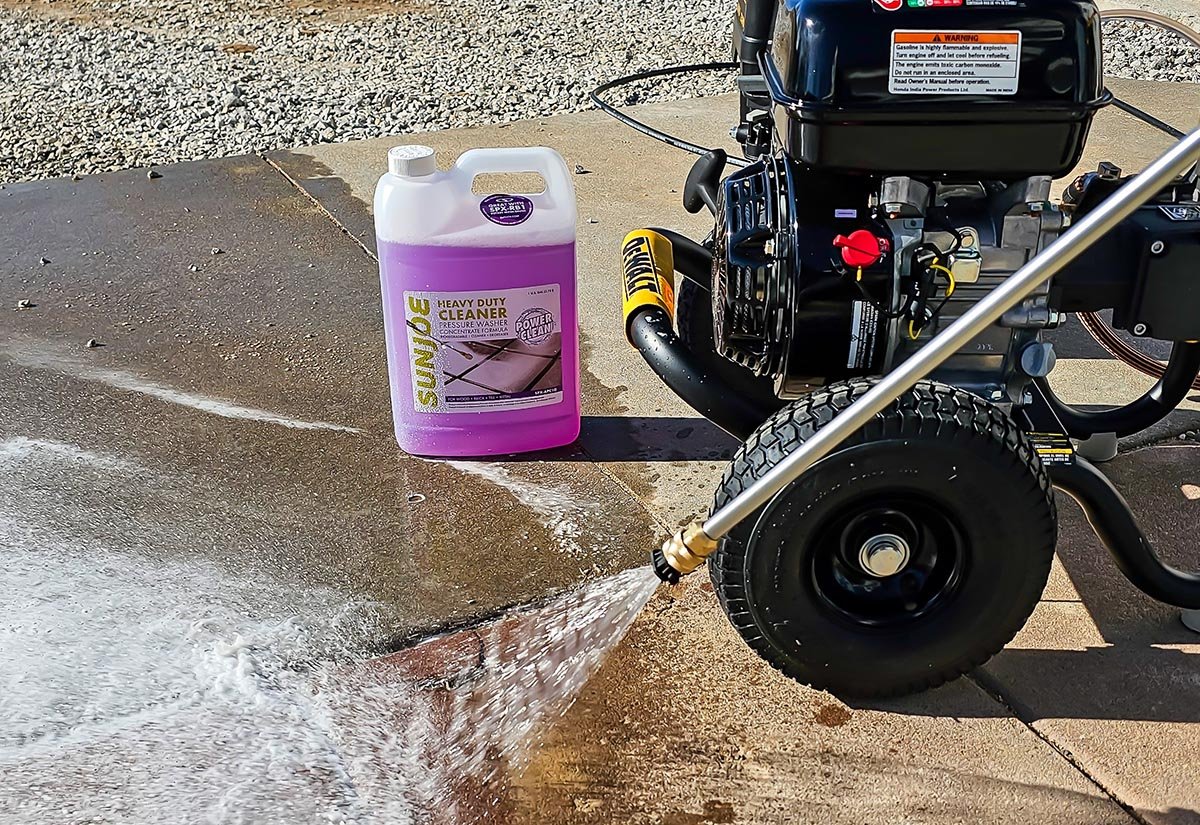
This is the basic formula: pre-rinse, soap, dwell, rinse. It sounds simple, but it is the foundation of strong cleaning results.
Use the correct nozzle and pressure
Nozzle choice matters more than many beginners think. Soap application needs a wider spray and lower force. Rinsing needs more pressure, but still enough control to protect the surface.
For soap, a low-pressure soap nozzle is usually the right option. For rinsing, use a nozzle that matches the surface type. A narrow nozzle may clean faster, but it can also etch wood, strip paint, or damage soft materials.
Common nozzle mistakes
- Using high pressure to apply soap, which wastes detergent and can force dirt deeper into the surface
- Using a narrow nozzle on delicate surfaces, which can cause damage
- Holding the spray too close, which increases risk of streaks or surface marks
- Switching nozzles too fast and not giving the soap time to work
A non-obvious tip: more pressure does not always mean more cleaning power. If the soap has not had time to break down the dirt, extra pressure often just moves the grime around. Good dwell time can outperform raw force.
How much soap should you use?
Using too much soap is one of the most common beginner mistakes. It does not clean twice as well. In many cases, it just creates waste, residue, or extra rinsing time.
Start with the manufacturer’s recommended mix. If the product is concentrated, measure carefully. If you are using a foam cannon, adjust the ratio based on the thickness of foam you want and the cleaning job you are doing.
As a general rule, use enough detergent to cover the surface with a light, even layer. You do not need dripping foam for every task. What matters is full contact between the cleaner and the dirt.
Another important point: harder jobs often need better chemistry, not more soap. For example, grease on a driveway usually needs a stronger degreaser, while mildew on siding may need a cleaner made for organic stains. The right formula matters more than the amount.
Best technique for different cleaning jobs
Different surfaces need different methods. If you use the same soap technique everywhere, you may get average results instead of excellent ones.
Credit: homedepot.com
House siding
Use a siding-safe detergent and apply it from the bottom up. Let it sit for a short time, then rinse from the top down. Keep the pressure gentle. High force can push water behind siding or damage trim.
Driveways and concrete
Concrete can handle more pressure than many other surfaces, but the soap still matters. A concrete cleaner or degreaser helps break down oil and tire marks. For best results, let the detergent work before using a surface cleaner attachment or strong rinse.
Cars and trucks
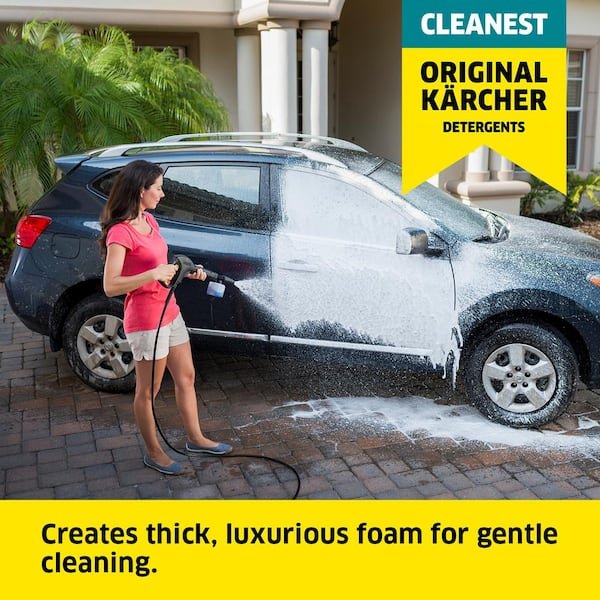
Use car-safe soap only. Foam can help lift dirt before you touch the paint. Rinse thoroughly, and never use a tight spray pattern too close to the paint. The goal is to remove dirt without creating swirl marks.
Wood decks and fences
Wood is more delicate than concrete. Use a wood-safe cleaner and avoid harsh force. Let soap do more of the work so you do not need to rely on pressure. Too much pressure can roughen the wood grain.
Outdoor furniture
Plastic, metal, and resin furniture usually clean well with a general exterior detergent. Be careful around cushions, seams, and joints where water can collect.
Common mistakes that reduce cleaning power
Even with good soap, results can disappoint if the process is wrong. These are the mistakes that most often cause poor cleaning:
- Using dish soap instead of pressure washer detergent — Dish soap may create too much foam and can harm your machine or leave residue.
- Letting soap dry on the surface — Dried detergent can streak, stain, or become harder to rinse.
- Using high pressure for soap application — This reduces dwell time and wastes product.
- Skipping the pre-rinse — Loose dirt can scratch the surface when soap and water move it around.
- Not testing the surface first — A small test spot can reveal fading, discoloration, or sensitivity.
One more beginner mistake is cleaning in direct hot sun without enough water on the surface. Heat makes soap dry fast. If possible, work in shade or on a cooler part of the day.
Safety matters when using soap and pressure
Soap helps with cleaning, but safety still comes first. Wear closed shoes, eye protection, and gloves if the detergent can irritate skin. Be careful around plants, painted surfaces, windows, and electrical outlets.
If you are cleaning near landscaping, rinse plants before and after use to reduce chemical contact. If runoff may reach drains or waterways, choose a product designed for safer outdoor use and follow local rules.
Also, never point the nozzle at people, pets, or fragile objects. Even with soap mode, a pressure washer can be dangerous if used carelessly.
Small habits that improve results and safety
- Work in sections so soap does not dry before rinsing
- Keep the wand moving in steady passes
- Store detergent away from children and pets
- Check hoses, connections, and seals before starting
- Rinse equipment after use so soap does not dry inside the system
How to get maximum cleaning power from soap
If your goal is the best possible clean, focus on the full process, not just the detergent itself. Strong cleaning comes from the right mix of product, pressure, dwell time, and nozzle choice.
Here are the key habits that create better results:
- Use the right cleaner for the job
- Apply soap evenly
- Let it sit long enough to work
- Rinse at the right pressure
- Repeat only where needed
Two beginner-friendly insights are especially important. First, the first pass does not have to remove everything. Its job is to loosen the grime. Second, the rinse stage matters as much as the soap stage. If you rush the rinse, you can leave behind dirt, streaks, or cleaner residue.
If the surface is still dirty after one cycle, do not instantly crank up the pressure. Instead, reapply soap to the stubborn spots and let it dwell again. That approach often works better and is safer.
Simple maintenance after soap use
After cleaning, flush the pressure washer system with clean water. This helps remove detergent from the pump, hose, wand, and soap pickup parts. It is a small step, but it can extend the life of your machine.
Also empty leftover detergent if the manufacturer recommends it. Some soaps can thicken or separate over time. Clean and dry your attachments before storage so they are ready for the next job.
Good maintenance also helps your next cleaning job. If soap residue stays inside the system, it can clog parts or affect flow later.
Credit: activeproducts.com
Final thoughts
Learning how to use soap with pressure washer the right way is one of the easiest ways to improve cleaning power. Soap breaks down grime, reduces scrubbing, and helps your machine work more efficiently. But the best results come from using the correct detergent, the proper nozzle, the right pressure, and enough dwell time.
Keep the process simple: rinse loose dirt, apply soap at low pressure, let it work, then rinse thoroughly. If you match the soap to the surface and avoid common mistakes, you will get better results with less effort.
FAQs
1. Can I use regular dish soap in a pressure washer?
No, it is usually not a good idea. Dish soap can create too much foam and may damage parts of the pressure washer or leave residue on the surface. Use detergent made for pressure washers instead.
2. Should I put soap in the pressure washer tank?
Only if your machine is designed for that. Some models have a built-in soap tank, while others need a siphon tube, foam cannon, or separate detergent attachment. Check the manual before adding soap.
3. How long should soap stay on the surface?
Most soaps need just a few minutes. Do not let the soap dry. Work in small sections so you can rinse before the cleaner leaves marks or streaks.
4. Why is my pressure washer not pulling soap?
This can happen if the soap nozzle is wrong, the detergent is too thick, the siphon tube is blocked, or the machine is not set to low-pressure mode. Check the setup and clean the pickup parts if needed.
5. Is more soap always better for cleaning?
No. Too much soap can leave residue and waste product. The best cleaning comes from the right cleaner, correct dilution, proper dwell time, and good rinsing.
