
If you want to cut metal, smooth rough edges, remove rust, or shape stone, an angle grinder can save a lot of time. It is one of the most useful power tools in a workshop, garage, or job site. But it is also one of the most dangerous tools for beginners if it is used the wrong way.
That is why learning how to use an angle grinder safely matters so much. The tool spins fast, the disc can break, and even a small mistake can cause a serious injury. The good news is that you can use it with confidence once you know the right setup, the right disc, and the right handling method.
This guide explains the basics in simple words. You will learn how to choose the right wheel, prepare your work area, make clean cuts, avoid common mistakes, and stay safe from start to finish.
Start with the right grinder and disc
Before you turn the tool on, make sure the grinder and disc match the job. Many beginners use the wrong wheel because they think all discs do the same thing. They do not. A cutting disc, grinding wheel, flap disc, and wire brush all work differently.
The grinder itself also matters. Small grinders, usually 4.5-inch or 5-inch models, are easier for beginners because they are lighter and easier to control. Bigger grinders remove material faster, but they are harder to handle and need more experience.
Choose the right disc for the task
- Cutting disc for slicing metal, bolts, tile, or stone
- Grinding wheel for removing material and smoothing welds
- Flap disc for cleaner finishing and light sanding
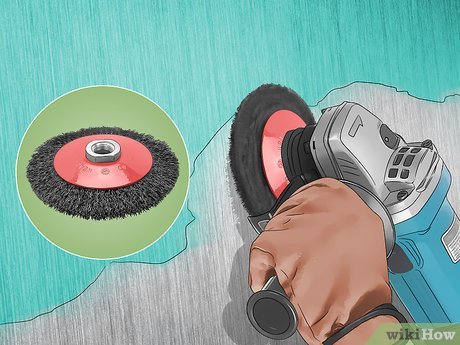
- Wire brush for removing rust, paint, or dirt
One beginner mistake is using a worn or cracked disc. Never do that. A damaged wheel can break at high speed. Also check the disc speed rating. It must be equal to or higher than the grinder’s no-load speed.
If you are not sure which disc to choose, read the label carefully and check the tool manual. For more safety guidance from a trusted source, you can also review the OSHA power tools safety page.
Understand the two most common grinder sizes
| Grinder size | Best for | Beginner note |
|---|---|---|
| 4.5-inch | Light cutting, rust removal, small repairs | Best choice for most beginners |
| 5-inch | Slightly larger jobs with more reach | Still manageable, but a bit heavier |
| 7-inch or larger | Heavy-duty work, deep cutting | More power, but harder to control |
A small grinder is not “weak.” In many home projects, it is actually the smarter choice because it gives you better control and less fatigue.
Prepare your work area before you start
Good preparation makes the job safer and faster. Never start grinding in a crowded, messy, or flammable area. Angle grinders throw sparks, dust, and small bits of material. You need space to move and a clean place to work.
Set your work on a stable bench if possible. If the object moves while you cut or grind, the tool can jump. That is when many accidents happen. Clamp the workpiece firmly so both hands stay on the grinder.
Clear the area around you
- Remove paper, cloth, fuel, paint thinner, and sawdust
- Keep children and bystanders away
- Work in a dry area with good light
- Make sure the floor is not slippery
- Know where the power switch is before starting
Another small detail beginners often miss is spark direction. Sparks can travel far and may bounce off metal surfaces. Point them away from your body, cables, glass, and anything that can burn.
Check the tool before use
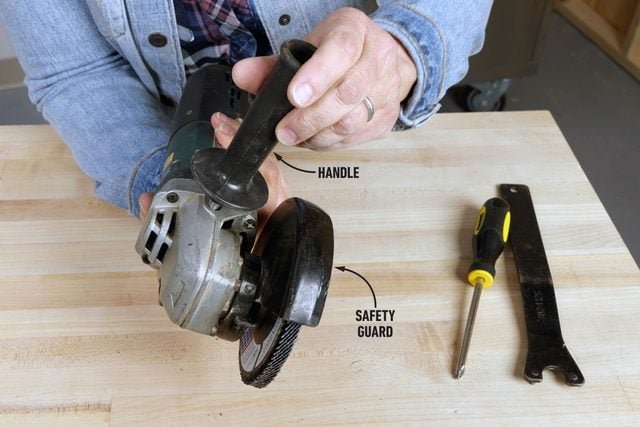
Before plugging in the grinder, inspect the power cord, guard, side handle, disc, and spindle lock. The guard should always be in place unless the manufacturer says otherwise. It protects you if the wheel breaks and also helps block sparks and debris.
Make sure the disc is mounted correctly and tightened properly. A loose wheel is dangerous. If the grinder has a damaged cord, strange noise, or vibration, do not use it until it is repaired.
Wear proper safety gear every time
Angle grinder safety is not just about skill. It is also about protection. The right gear can stop a minor mistake from becoming a serious injury.
At minimum, wear safety glasses and preferably a face shield. Small fragments can fly into your eyes even when the wheel looks stable. Glasses alone help, but a face shield gives better coverage.
Credit: wikihow.com
Basic protective gear for grinder use
- Eye protection: safety glasses or goggles
- Face shield: for extra protection from sparks and debris
- Hearing protection: grinders are loud
- Gloves: for grip and limited protection from heat and debris
- Long sleeves: to protect skin from sparks
- Sturdy shoes: closed-toe footwear only
One non-obvious point: do not wear loose clothing, dangling jewelry, or long hair without tying it back. These can get caught in the spinning wheel or in the workpiece.
Another common mistake is wearing thin gloves that reduce grip. Your hands must feel secure on the grinder. If gloves are too bulky, they may make the tool harder to control. Choose gloves that protect but still allow a firm hold.
Hold the grinder the right way
Most beginners think power is the main thing. In reality, control is the real skill. A grinder should feel balanced in your hands, not forced.
Use both hands. One hand should hold the main body of the tool, and the other should hold the side handle. The side handle is there for a reason. It gives better control and helps stop the grinder from twisting if the disc catches.
Body position matters more than many people realize
Stand with your feet apart so you stay steady. Keep the grinder slightly to the side of your body, not directly in front of your face or chest. This gives you better balance if the tool kicks back.
Also, keep the cord away from the disc. A surprising number of beginners forget this simple point. If the cord gets near the wheel, it can be cut in seconds.
Let the tool reach full speed first
Turn on the grinder and wait for it to reach full speed before touching the workpiece. Do not force it into the material right away. A spinning wheel needs a moment to stabilize. If you rush this step, the disc can grab and pull.
Listen to the sound. A steady sound usually means the grinder is running smoothly. If it vibrates strongly or makes strange noise, stop and inspect it.
How to use an angle grinder for cutting
Cutting is one of the most common uses for this tool, especially on metal. The key is to let the disc do the work. You do not need heavy pressure. Too much force can damage the wheel, slow the motor, and increase the chance of kickback.
For straight cuts, mark the line first. A clear mark helps you stay accurate. If possible, support both sides of the material so the cut does not pinch the wheel near the end.
Follow these simple cutting steps
- Mark the cut line clearly.
- Clamp the material securely.
- Put on safety gear.
- Hold the grinder with both hands.
- Let the wheel reach full speed.
- Start the cut gently at the edge of the line.
- Move slowly and steadily.
- Do not twist the grinder.
- Finish the cut without forcing the disc.
- Wait until the wheel stops before setting the tool down.
One beginner mistake is trying to cut too deep in one pass. If the material is thick, make several shallow passes instead. This gives better control and puts less stress on the wheel.
Common cutting mistakes to avoid
- Using a grinding wheel instead of a cutting disc
- Forcing the disc into the material
- Cutting with a loose workpiece
- Standing directly in line with the wheel
- Ignoring sparks and hot metal near your hands
If the disc begins to bind, stop right away. Binding often means the cut is pinching the wheel. Keep the material supported so the cut opens naturally as you work.
How to grind, smooth, and remove material
Grinding is different from cutting. Here, you are usually removing surface material, cleaning a weld, or smoothing an edge. The motion is often wider, but the pressure should still be light.
Use the side of the wheel only if the disc is made for that purpose. Never use a cutting disc for side grinding. It is made for edge cutting, not side pressure. This is another safety point beginners often miss.
Keep the angle steady
Hold the grinder at the correct angle for the job. For most grinding work, a small tilt works better than a flat, hard push. Start with light contact and move the tool slowly across the surface.
Do not stay in one spot too long. This can create grooves, extra heat, or uneven spots. A smooth movement gives a cleaner result.
Helpful rule for beginners
If you are asking yourself whether you are pressing too hard, you probably are. The grinder should cut or grind steadily without being forced.
Heat is another thing to watch. Metal can get very hot during grinding. Let it cool before touching it, especially on small pieces that heat up fast.
Keep sparks and kickback under control
Sparks are normal, but they still need respect. They can burn skin, damage nearby surfaces, and start fires. Always point sparks in a safe direction and use them carefully around paint, gas, and dry wood.
Kickback is one of the biggest dangers when learning how to use an angle grinder. It happens when the disc catches the material and the tool jumps back toward the user. Kickback is more likely if you twist the grinder, push too hard, or cut with a jammed wheel.

Credit: vecteezy.com
Ways to reduce kickback
- Use the correct disc for the job
- Keep a firm two-handed grip
- Do not force the tool
- Support the workpiece properly
- Stay alert when the cut nears the end
One non-obvious tip: the final part of a cut is often the most dangerous. As the material separates, the piece may move and pinch the disc. Slow down at the end and control both sides of the cut if possible.
Use the right technique for special tasks
An angle grinder can do more than cut and grind. With the correct attachment, it can clean rust, smooth paint edges, and prepare surfaces for welding or painting. The technique changes slightly for each task.
Removing rust or paint
Use a wire brush or a stripping disc. Move the tool lightly over the surface and let the attachment work. Do not press hard. Too much pressure can damage the surface or wear out the brush too quickly.
Shaping and finishing metal
A flap disc is often the best option for finishing. It removes material more smoothly than a heavy grinding wheel and leaves a cleaner surface. It is useful when you want a neater result after a rough cut or weld.
Cutting tile or stone
Use only a disc designed for masonry or stone. These materials create a lot of dust, so eye protection and breathing protection matter even more. Work slowly, and remember that stone can chip in an uneven way.
Clean up and inspect after the job
When the work is done, do not set the grinder down immediately after switching it off. Wait until the wheel stops completely. A spinning disc can still cause injury or damage even while the motor is off.
After use, unplug the tool or remove the battery. Inspect the disc for wear, cracks, or uneven edges. Clean dust from the guard and vents so the motor can cool properly next time.
Store discs in a dry place. Moisture and rough handling can weaken some wheels over time. If an attachment has been dropped, cracked, or overheated, replace it.
What beginners usually get wrong
Most mistakes are simple, but they can still be serious. A new user often thinks the grinder is only dangerous if it looks powerful. In reality, even a small grinder can cause harm if used carelessly.
Here are the most common beginner errors:
- Using the wrong disc
- Removing the guard
- Working without eye protection
- Forcing the tool into the material
- Holding the workpiece by hand instead of clamping it
- Standing in the spark line
- Using a damaged or worn wheel
Another mistake beginners miss is trying to do too much with one pass. In most cases, slower and lighter passes are safer and give better control. Patience makes the job cleaner and easier.
Simple practice tips for your first project
If this is your first time using the tool, start with a small, low-risk task. A practice piece of scrap metal is better than your final project. You can learn the feel of the grinder without pressure.
Try these habits early:
- Test the tool before touching the workpiece
- Hold it with both hands every time
- Use slow, controlled movements
- Stop and inspect if vibration increases
- Take breaks if your hands get tired
Fatigue is easy to ignore, but it reduces control. If your grip weakens, the grinder becomes harder to guide safely. Short sessions are better than rushing a long job.
Credit: familyhandyman.com
Final safety mindset
Learning how to use an angle grinder is not only about technique. It is also about habits. The best users stay calm, check their setup, and respect the tool every time they use it.
If you remember just a few things, make them these: use the right disc, wear proper protection, clamp the work securely, keep both hands on the grinder, and never force the wheel. Those simple habits prevent most accidents and also improve your results.
With a little practice, an angle grinder becomes a very useful tool instead of a scary one. Start small, stay alert, and let the tool work at its own speed.
Frequently asked questions
1. What is the safest way to hold an angle grinder?
Use both hands at all times. One hand should hold the main body and the other should hold the side handle. Stand with a balanced stance and keep the grinder slightly to one side of your body, not directly in front of your face.
2. Can I use an angle grinder without the guard?
No, you should not remove the guard unless the manufacturer gives a very specific reason. The guard helps protect you from broken discs, sparks, and flying debris. It is an important safety part, not an extra piece.
3. What disc should a beginner use first?
For most beginners, a 4.5-inch grinder with the correct cutting disc or flap disc is the easiest starting point. The best disc depends on the task, so always match the attachment to the material and job.
4. Why does my angle grinder kick back?
Kickback usually happens when the disc catches, binds, or is pushed too hard into the material. It can also happen if the workpiece is not clamped securely. Using the right angle, light pressure, and stable support reduces the risk.
5. How do I know when a grinding disc should be replaced?
Replace the disc if it is cracked, chipped, badly worn, or has been dropped and may be damaged. You should also replace it if it vibrates badly or if the speed rating no longer matches the grinder.
