
If you are learning how to start a pressure washer, the good news is that the process is simple once you know the right order. The bad news is that many beginners skip one small step, and then the machine will not start, will stall, or will run poorly. That is why a clear guide matters.
A pressure washer is powerful, but it is not difficult to use. The key is to prepare it the right way before pulling the starter cord or flipping the power switch. When you do that, you protect the pump, avoid damage, and make the machine work the way it should.
This guide walks you through the process step by step. You will learn how to prepare the machine, check the fuel or power source, connect the hose, start the engine safely, and fix common startup problems. If you are a beginner, this will help you feel confident before your first job.
Get the machine ready before starting
Before you try to start the pressure washer, take a minute to inspect it. Many startup problems happen because the machine is not set up correctly. A pressure washer needs water, the correct fuel or electricity, and proper connections before it can run.
First, place the washer on flat ground. A tilted machine can cause movement, leaks, or unstable starting. Make sure the area is dry and open, with enough space around the machine. If you are using a gas pressure washer, never start it inside a garage or any closed space. Exhaust fumes are dangerous.
Then check these basics:
- The water supply is turned on
- The garden hose is connected tightly
- The high-pressure hose is attached correctly
- The nozzle or spray wand is in place
- The oil level is correct for gas models
- The fuel tank has fresh fuel if it is a gas unit
A small detail many beginners miss is that a pressure washer should never run without water flow. The pump can be damaged quickly if the machine starts dry. Even a short dry run can shorten the life of the pump.
Know which type of pressure washer you have
Starting a pressure washer depends on the type of machine. Gas and electric models work differently. If you know which one you own, the startup steps become much easier.
| Type | How it starts | Main thing to check first |
|---|---|---|
| Gas pressure washer | Pull-start engine | Fuel, oil, choke, water flow |
| Electric pressure washer | Power button or switch | Power source, cord, water connection |
| Battery-powered washer | Battery activation | Battery charge and secure fit |
Gas models usually take more setup, but they give more power and freedom of movement. Electric units are easier to start and are often better for beginners who want a simpler process.
Connect the water supply the right way
Water flow is one of the most important parts of starting a pressure washer. Without steady water, the pump cannot build pressure safely. This is true for both gas and electric models.
Connect your garden hose to the water inlet on the washer. Tighten it by hand. Do not use tools unless the manual tells you to. Then connect the other end of the hose to a water tap. Turn the tap on fully so the washer gets enough flow.
Next, squeeze the spray trigger for a few seconds before starting the machine. This removes trapped air from the hose and pump. Air pockets can make the washer hard to start and can create uneven pressure later.
Here is a simple way to think about it: the machine should already have water moving through it before you try to power it on. That small step helps the pump prime correctly.
A beginner mistake that causes trouble
Many first-time users start the machine with the nozzle closed or the trigger untouched. That traps air in the system. The machine may start, but the pump may strain or the spray may pulse. Always let water move through the system first.
Starting a gas pressure washer step by step
If you are learning how to start a pressure washer with a gas engine, follow the order below carefully. Gas models often fail to start when one setting is in the wrong position.
- Check the oil and fuel. Make sure the engine has the right amount of oil and fresh fuel. Old fuel is a common reason for starting trouble.
- Turn on the water supply. Open the tap fully and let water flow through the hose.
- Squeeze the trigger. Hold the spray trigger for a few seconds to release air.
- Switch the engine to ON. Set the power switch or engine switch to the correct position.
- Set the choke. If the engine is cold, move the choke to the start position.
- Press the fuel primer if your model has one. Some units need a few presses to send fuel to the carburetor.
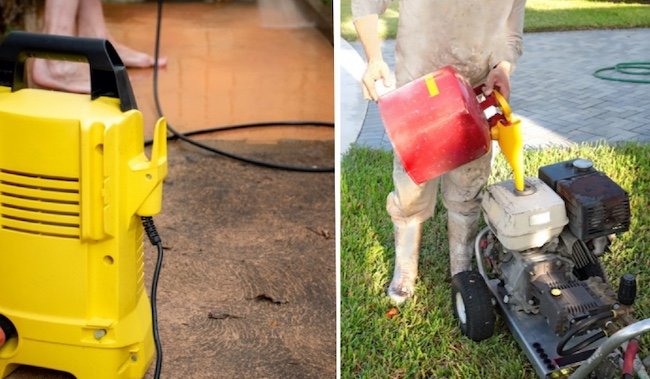
- Pull the starter cord slowly at first, then firmly. Do not yank it wildly. A smooth pull works better and is easier on the machine.
- Let the engine warm up. Once it starts, adjust the choke back as the engine runs more smoothly.
One non-obvious tip: do not hold the spray trigger fully open while trying to start a gas washer unless the manual recommends it. Some models start more easily with pressure released first, while others need the trigger squeezed to reduce pump resistance. The right method depends on your machine, so check the manual if needed.
Another detail beginners often miss is choke timing. If you leave the choke on too long after the engine starts, the washer may run rough or stall. If you turn it off too soon, the engine may die. The best approach is to adjust it gradually after startup.
Credit: bobvila.com
If the engine is cold or has been stored for a while
Cold engines often need a slightly different start. If the machine has not been used for weeks, expect it to take a few extra pulls. Make sure the fuel is fresh and the spark plug is in good condition. Old fuel loses strength and can make the engine hard to fire.
If the washer has been stored during winter, the carburetor may also have residue inside. In that case, the machine may need maintenance before it will start well. That is not a startup mistake. It is a storage issue.
Starting an electric pressure washer
Electric models are easier for most beginners because they do not need fuel, choke settings, or pull cords. Still, they need the correct setup before you switch them on.
- Connect the water hose. Attach the garden hose to the water inlet and turn on the water supply.
- Attach the spray wand and nozzle. Make sure every part is locked into place.
- Release trapped air. Hold the trigger for several seconds until water flows smoothly.
- Plug into a proper outlet. Use a grounded outlet if required by the manufacturer.
- Switch the machine on. Press the power button or flip the switch.
- Check the spray. The washer should build pressure after a short moment.
Do not use an extension cord unless the manual allows it. Some electric pressure washers lose power when the cord is too long or too thin. That can make starting difficult and reduce performance. If you need a cord, use one that matches the machine’s power needs.
Also, do not assume a silent machine is broken if it does not spray immediately. Some electric models take a second or two to build pressure after startup. If water is flowing and the power is on, give it a moment before checking for a problem.
What to do if an electric washer hums but does not spray
If the motor runs but the washer does not spray, the pump may still have air inside, or the nozzle may be blocked. Turn the machine off, squeeze the trigger again, and check the nozzle for dirt. Small debris can block the spray tip and stop pressure from building correctly.
How to stop a pressure washer safely
Knowing how to start the machine is useful, but stopping it the right way is just as important. A safe shutdown protects the pump and makes the next start easier.
- Release the spray trigger
- Turn the power switch off
- Shut off the water supply
- Squeeze the trigger again to release remaining pressure
- Disconnect the hose and wand after the system is fully depressurized
Do not disconnect hoses while the system still has pressure inside. Water can spray out unexpectedly and may hurt your hands or eyes. It also puts strain on the fittings.
For gas models, let the engine cool before storing it. For electric models, unplug the unit only after it has been turned off and depressurized.
Common reasons a pressure washer will not start
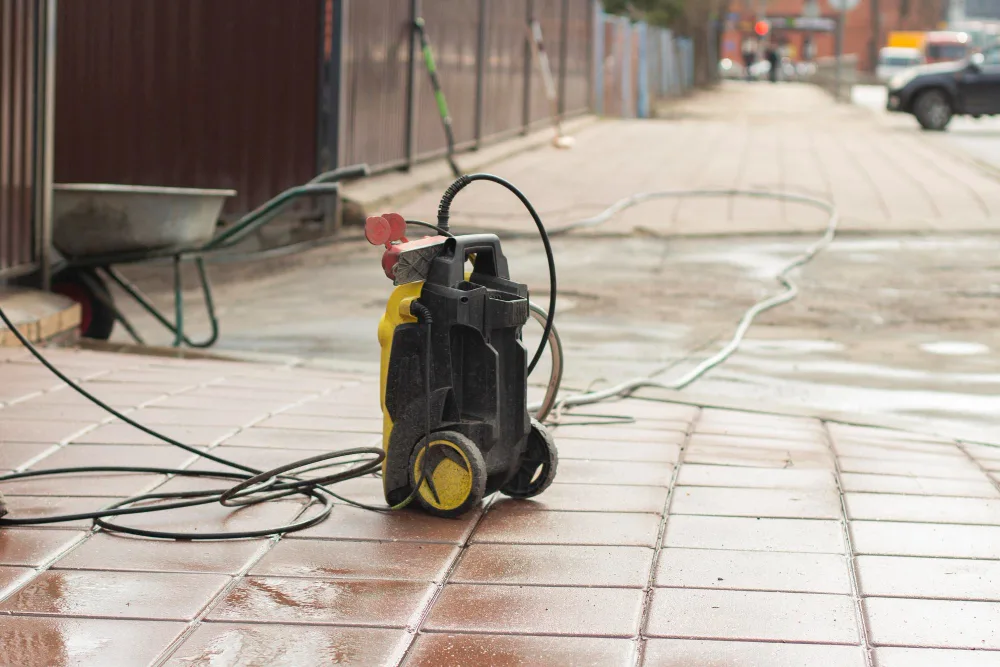
Sometimes a pressure washer refuses to start even when you follow the steps. The good news is that the cause is usually simple. Most startup problems come from water flow issues, fuel issues, or small setup mistakes.
Credit: backyardprovider.com
1. No water flow
If the water is off or the hose is kinked, the pump cannot prime. Check the tap, hose, and inlet filter. A clogged inlet screen can block water and make the washer seem broken.
2. Old or bad fuel
Gas pressure washers need fresh fuel. Fuel that sits too long can thicken and cause poor starting. If your washer has not been used in months, empty old fuel and refill it with fresh gas if the manual says it is safe to do so.
3. Wrong choke setting
If the choke is left in the wrong position, the engine may flood or fail to catch. Cold engines often need choke on at first, then off after startup.
4. Air in the hose
Air trapped in the system can stop the pump from working properly. That is why you should always squeeze the trigger before starting.
5. Electrical supply problems
For electric washers, weak outlets, damaged cords, or a tripped breaker can stop startup. Make sure the outlet works and the cord is fully connected.
6. Clogged nozzle
A dirty nozzle can make it seem like the machine is not working. Clean the spray tip if the pressure is weak or uneven.
Helpful startup checks many beginners overlook
Some details are easy to ignore, but they matter a lot. These are the small things that often separate a smooth start from a frustrating one.
- Check the inlet filter. Dirt in the water inlet can reduce water flow before you even begin.
- Use the right nozzle. A wrong nozzle can make the machine feel weak or difficult to control.
- Watch for leaks. A loose hose connection can lower pressure and make startup inconsistent.
- Keep the trigger locked only when safe. Some machines have a trigger lock. Use it when moving the washer, not while starting pressure flow.
- Read the manual once. Each model has small differences. The manual often gives the exact startup order for your machine.
One strong habit is to inspect the machine before every use, even if it worked fine last time. Pressure washers can sit unused for weeks, and a tiny issue can appear during storage. A quick check saves time later.
Safe use while the washer is running
After the pressure washer starts, do not rush into full cleaning power right away. Let the machine run for a short moment so it can settle. Then test the spray on a small area first.
Keep both hands on the wand when using high pressure. The spray can push back hard, especially with stronger gas models. Aim the nozzle away from people, pets, windows, and fragile surfaces.
According to Consumer Reports, pressure washers are powerful tools and should be used with proper care and control. That advice is worth following, especially for beginners.
Do not point the spray at your skin, shoes, or electrical outlets. High-pressure water can cut skin and cause serious injury. Wear closed shoes and eye protection if possible.
Simple maintenance that makes the next start easier
A pressure washer starts better when it is stored well. A few minutes of care after use can save you a lot of trouble next time.
After the machine is off, drain pressure from the hose and spray wand. Clean any dirt from the nozzle and inlet filter. If you use a gas washer, follow the storage steps for fuel in your manual. If the washer will sit for a long time, proper storage is very important.
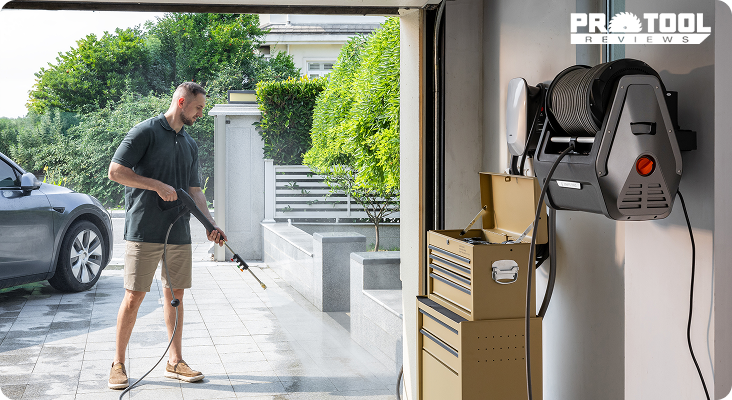
For electric models, coil the cord loosely and keep it away from water. For all models, store the machine in a dry place. Moisture can damage parts and make startup harder later.
Here is a useful rule: the cleaner and drier the washer is after use, the easier it will be to start next time.
Credit: giraffetools.com
Final thoughts
Learning how to start a pressure washer is mostly about doing the small steps in the right order. You need water flow, the correct fuel or power source, a clear hose, and a machine that is set up safely. Once you understand that pattern, startup becomes simple.
Beginners often think the machine is complicated, but most problems come from missed details. A dry pump, old fuel, trapped air, or a blocked nozzle can stop the washer from starting properly. If you check those basics first, you will avoid most frustration.
With practice, starting a pressure washer becomes a quick routine. Prepare the machine, prime the water, power it on, and test it safely. That is all it takes to begin cleaning with confidence.
FAQs
1. What is the first step in how to start a pressure washer?
The first step is to make sure the washer is set up correctly. Check the water connection, hose, fuel or power source, and oil if you have a gas model. Never try to start it before water is flowing.
2. Can I start a pressure washer without water?
No. Starting a pressure washer without water can damage the pump very quickly. Always connect the hose, turn on the water, and release trapped air before starting the machine.
3. Why does my pressure washer pull cord feel stuck?
If the pull cord feels stuck, the engine may be flooded, the pump may have pressure trapped inside, or a part may be jammed. Release trigger pressure first and check the machine settings before pulling again.
4. Why does my electric pressure washer not turn on?
Check the outlet, power cord, switch, and breaker. Also make sure the machine has water flow and the trigger is not blocked. Some electric units will not start properly if they do not detect water.
5. How do I make my pressure washer start easier next time?
Use fresh fuel, clean the nozzles, store the machine in a dry place, and drain pressure after use. Regular care makes the next startup faster and reduces common problems.
