
If you are trying to buy a tool for home repairs, car work, electronics, or electrical testing, learning how to choose a multimeter can save you a lot of time and money. The right meter makes testing safe, fast, and easy. The wrong one can confuse you, give poor readings, or even create risk.
A multimeter is not just for experts. It is one of the most useful tools for beginners, DIY users, electricians, and technicians. But the market is full of models with different ranges, safety ratings, display types, and extra features. That is why many people buy too much, or too little, for their real needs.
This guide will help you choose the right multimeter with confidence. You will learn what matters, what does not, and which features make sense for different jobs. By the end, you will know how to pick a meter that fits your work, your skill level, and your budget.
Start with the kind of work you want to do
The best way to choose a multimeter is to think about your main task first. A meter for fixing a household outlet is not the same as a meter for electronics repair or auto work. Many buyers make the mistake of starting with brand or price. That usually leads to a poor match.
Ask yourself what you will test most often. Are you checking batteries, switches, fuses, wires, wall sockets, car circuits, or small boards? Your answer changes the features you need.
For home users
If you only need basic electrical checks at home, you do not need a very expensive model. A simple digital multimeter with voltage, continuity, and resistance is often enough. This is useful for checking batteries, outlets, light fixtures, and extension cords.
For auto work
Car work often needs more current reading, better probe leads, and a meter that can handle 12V systems well. A meter with a clear display and fast response helps when you test alternators, sensors, and fuses. Some auto work also benefits from min/max capture and frequency reading.
For electronics and hobby projects
If you work with circuit boards, Arduino projects, or small devices, you may need better accuracy, low-voltage resolution, and features like diode test and capacitance. A stable display and fine decimal readings are more useful than many extra functions you may never use.
For professional electrical work
Professionals need strong safety ratings, rugged build quality, and dependable readings. In this case, the meter must protect the user as well as measure well. Safety is not optional when working on higher-energy systems.
Choose between a digital and analog multimeter
Most people today should choose a digital multimeter. It is easier to read, usually more accurate, and better for beginners. The screen gives a clear number, so you do not have to guess the needle position.
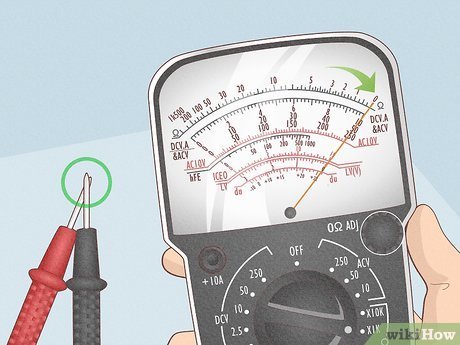
Analog multimeters still exist, and some experienced users like them for observing changing signals. The moving needle can show slow changes more smoothly. But for most people, digital is the smarter choice.
If you want one meter for general use, go digital. If you already know you need to watch signal movement in a simple way, analog can still have a place. For nearly everyone else, the digital option is the practical answer.
Focus on the functions you will actually use
Many multimeters advertise a long list of functions. That can look impressive, but more features do not always mean a better purchase. In fact, beginners often pay more for options they never touch.
The most useful features are usually these:
- Voltage measurement for AC and DC
- Resistance for checking wires, heaters, and components
- Continuity test for quick go/no-go checks
- Current measurement for testing electrical flow
- Diode test for electronics work
Some meters also offer capacitance, frequency, temperature, duty cycle, and transistor testing. These are useful in certain jobs, but not essential for everyone.
Do not overpay for features you will ignore
A common beginner mistake is buying a meter with every function listed on the box. Later, they only use voltage and continuity. A better method is to match the meter to your regular tasks. If you do not know what a feature does, you probably do not need to pay extra for it yet.
Make sure the ranges make sense
Some meters use manual range selection. Others are auto-ranging. Auto-ranging is easier because the meter picks the correct range for you. This is helpful for beginners and saves time.
Manual range can still be useful if you like control or already understand electrical values. But for most buyers, auto-ranging reduces mistakes and makes learning easier.
Check the safety rating before anything else
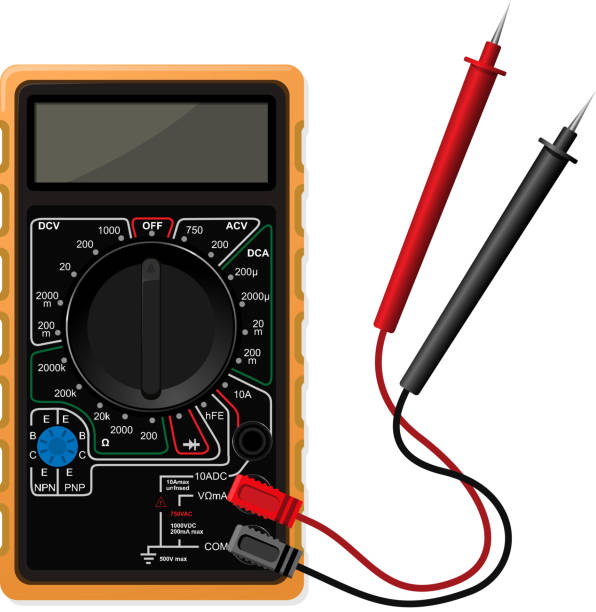
Safety should be one of your first checks when learning how to choose a multimeter. This is especially important if you work with wall power, panels, or industrial circuits. A meter may look sturdy, but the real protection comes from its internal design and rating.
Look for the CAT rating. This tells you the type of electrical environment the meter can safely handle. In simple terms, the higher the category, the more demanding the environment.
| Rating | Typical use | What it means |
|---|---|---|
| CAT I | Low-energy electronics | Safe for simple, protected circuits |
| CAT II | Appliances and plug-in devices | For standard household loads |
| CAT III | Fixed building wiring | For distribution panels and hardwired systems |
| CAT IV | Service entrances and outdoor lines | For the highest transient energy areas |
If you test household outlets or electrical panels, do not buy a weak safety-rated meter just because it is cheap. A lower price is never worth poor protection. For official safety guidance, you can review the standards information from Fluke’s explanation of CAT ratings.
Credit: istockphoto.com
Safety is not only about the label
Two meters may show the same CAT rating, but one may still be safer in real use. Look for quality input protection, proper fused current inputs, and solid probe leads. Cheap leads can fail before the meter does. That is a problem many buyers miss.
Also check whether the meter has:
- Proper fuses for current inputs
- Protected input jacks
- Clear warnings on the case
- Good build quality around the probe connections
Understand accuracy and resolution
Accuracy tells you how close the meter is to the real value. Resolution tells you how small a change the display can show. These are not the same thing, but both matter.
For simple home tasks, very high precision may not be necessary. For electronics work, it can matter a lot. If you are checking a 1.5V battery, a meter that only shows rough numbers may not help much. If you are diagnosing a circuit problem, small differences can be important.
Most buyers should not obsess over tiny accuracy differences unless the work needs it. A good practical rule is this: choose a meter that is accurate enough for your job, but do not pay extra for lab-level precision you will never use.
Watch for false precision
Some meters show many decimal places, which looks impressive. But if the meter is noisy or unstable, extra digits do not help. A stable reading is often better than a flashy one. This is a second thing beginners often miss.
Auto-ranging or manual ranging: which is better?
Auto-ranging is usually best for beginners and general users. You turn the dial to the function, and the meter chooses the right measurement range. This lowers the chance of mistakes and saves time.
Manual ranging can feel slower, but it gives more control. Some users like it because they can lock into a range and keep the reading steady. It may also be useful if you already know what values to expect.
If you are not sure, choose auto-ranging. It makes learning easier and reduces frustration. For most people buying their first meter, this is one of the simplest and best choices.
Pick a display that is easy to read
The screen matters more than many buyers think. If you cannot read the numbers clearly, the multimeter becomes annoying to use. This is especially true in dark basements, under dashboards, or in small workspaces.
Look for a large display with strong contrast. Backlight is very helpful. A bar graph can also help when readings change fast. That small visual detail can make diagnosing issues much easier.
Think about digits and clarity
A 3.5-digit or 4.5-digit display is common. For most users, the exact digit count is less important than stability, readability, and ease of use. A good screen with a clear layout is usually more useful than a fancy one.
Check the input jacks and probe quality
A multimeter is only as good as the way you connect to the circuit. Weak probes or poor jacks can make readings jump, cause bad contact, or wear out quickly. This is another area where cheap products often fail.
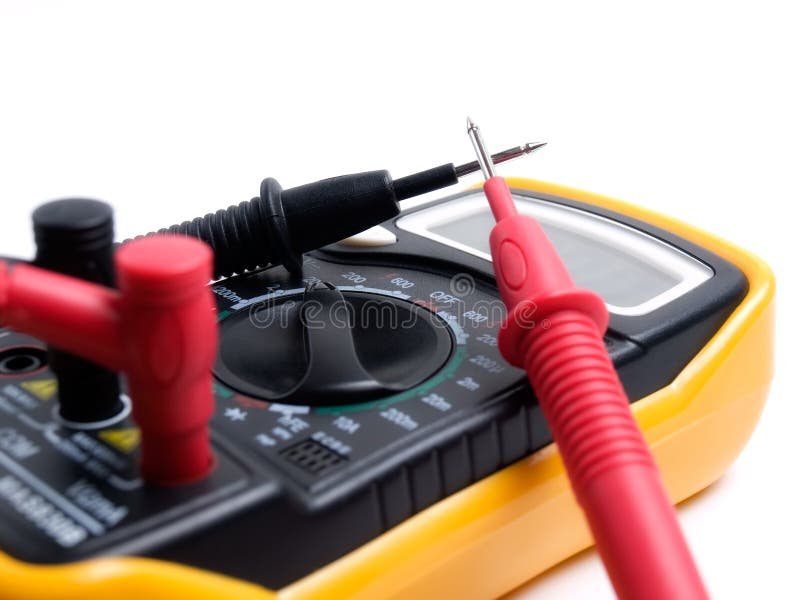
Good probe leads should feel flexible, solid, and well insulated. The tips should make clean contact. The banana plugs should fit tightly into the meter. Loose connections create bad measurements and can become a safety issue.
Replaceable leads are a smart bonus
Many people forget that leads wear out faster than the meter. If a multimeter uses standard replaceable leads, that is a real advantage. You can upgrade the probes later without replacing the whole tool.
Think about build quality and daily comfort
A multimeter is a tool you may hold often. If it feels awkward, slippery, or too bulky, you may avoid using it. Comfort is not a luxury. It affects how often you use the tool and how accurate your work becomes.
Look for a strong case, a dial that turns smoothly, and buttons that feel solid. A rubber holster can help if you work in rough spaces. If you plan to carry the meter often, weight and size matter too.
For field use, a rugged body is helpful. For bench work, a slightly larger meter with a better screen may be better. Choose the shape that fits your real workflow.
Credit: wikihow.com
Know when clamp meter features matter
Some multimeters can also measure current with clamp attachments, or they are built as clamp meters. This is useful when you need to measure current without opening the circuit.
If you mainly test batteries, small electronics, or household voltage, a clamp feature may not be necessary. But if you work on motors, HVAC systems, or larger AC loads, it can be very helpful.
A clamp meter is not always a replacement for a regular multimeter. It depends on the job. In many cases, a standard multimeter plus a clamp accessory is enough. In other cases, a dedicated clamp meter is the better choice.
Current measurement can be tricky
Here is a non-obvious point: many beginners need current measurement far less often than they think. Voltage and continuity solve many common problems. Current testing can also require more care because the meter must be connected the right way. So do not let current range alone decide your purchase unless you truly need it.
Look at the brand, warranty, and support
Brand matters less than many people claim, but it still helps. A known brand often has better documentation, better replacement parts, and more reliable support. That matters if you plan to use the meter often.
Also check the warranty. A good warranty does not guarantee perfect quality, but it shows the company stands behind the product. This is useful when you want long-term value, not just a low starting price.
Do not ignore manuals and online support. A clear manual can save hours of confusion, especially for first-time users.
Set a budget, then spend where it counts
You do not need the most expensive meter to get good results. But you should avoid ultra-cheap models with weak safety, poor accuracy, and flimsy leads. That is a bad deal even if the price looks tempting.
A sensible budget depends on your use:
- Basic home use: low to mid range is often enough
- Auto work: mid range is usually better
- Electronics: mid range with better precision can help
- Professional electrical work: higher-end safety and durability matter
Spend first on safety, then on good leads, then on the features you truly need. Fancy extras come last.
A simple buying process that works
If you still feel unsure, use this practical order when deciding how to choose a multimeter:
- Define your main use case.
- Choose digital unless you have a special reason not to.
- Check the safety category for your work.
- Pick the core functions you will actually use.
- Prefer auto-ranging if you are a beginner.
- Make sure the display is easy to read.
- Check lead quality and replaceability.
- Compare warranty, build quality, and value.
This order keeps you from getting distracted by unnecessary features. It also helps you choose based on real use, not marketing language.
Common mistakes buyers make
People often make the same mistakes when buying a multimeter. If you avoid these, your chances of getting a good tool go up fast.
Credit: dreamstime.com
Buying for the wrong job
A meter that is great for hobby electronics may be a poor choice for HVAC or panels. Match the tool to the work.
Ignoring safety ratings
Some buyers focus only on price and forget the meter may be used near live power. This is one of the worst mistakes.
Choosing too many features
Extra functions can confuse beginners and slow down daily use. More is not always better.
Forgetting about the leads
Cheap leads can ruin a good meter. Strong probes are part of the tool, not an accessory afterthought.
Assuming all digital meters are the same
They are not. Accuracy, protection, range behavior, and display quality can vary a lot.
What a good first multimeter should offer
If this is your first purchase, a good all-around multimeter should usually have:
- Digital display
- Auto-ranging
- AC and DC voltage
- Resistance and continuity
- Diode test
- Clear backlit screen
- Proper safety rating for your use
- Decent probe leads
This setup covers most everyday tasks without making the tool too complex. It is the safest starting point for most beginners.
Final thoughts before you buy
Learning how to choose a multimeter is really about matching the tool to your work. You do not need the most complex model. You need one that is safe, readable, accurate enough, and easy to use for your main jobs.
Focus first on safety and function. Then think about comfort, display quality, and lead durability. If you choose with those things in mind, you will end up with a meter that helps you solve problems instead of creating new ones.
The best multimeter is not the one with the longest feature list. It is the one you will trust, use often, and understand quickly.
FAQs
What is the most important factor when choosing a multimeter?
The most important factor is how you plan to use it. After that, safety rating matters most, especially if you work with household or higher-voltage electrical systems.
Is auto-ranging better than manual ranging?
For most beginners and general users, yes. Auto-ranging is easier to use and reduces mistakes. Manual ranging can still be useful for experienced users who want more control.
Do I need an expensive multimeter for home use?
No, not usually. A good mid-range digital multimeter is often enough for home repairs, battery checks, and basic outlet testing. Spend more only if your work needs stronger safety or special features.
Can a cheap multimeter be safe?
Some low-cost meters can be safe for very simple tasks, but many are poorly built. If you test live circuits, do not rely on a cheap meter without checking its CAT rating, fuses, and lead quality.
What features should a beginner avoid paying for?
Beginners often do not need advanced frequency tools, transistor testers, or complex specialty functions. It is better to buy a clear, safe, easy-to-use meter with the basics done well.
