
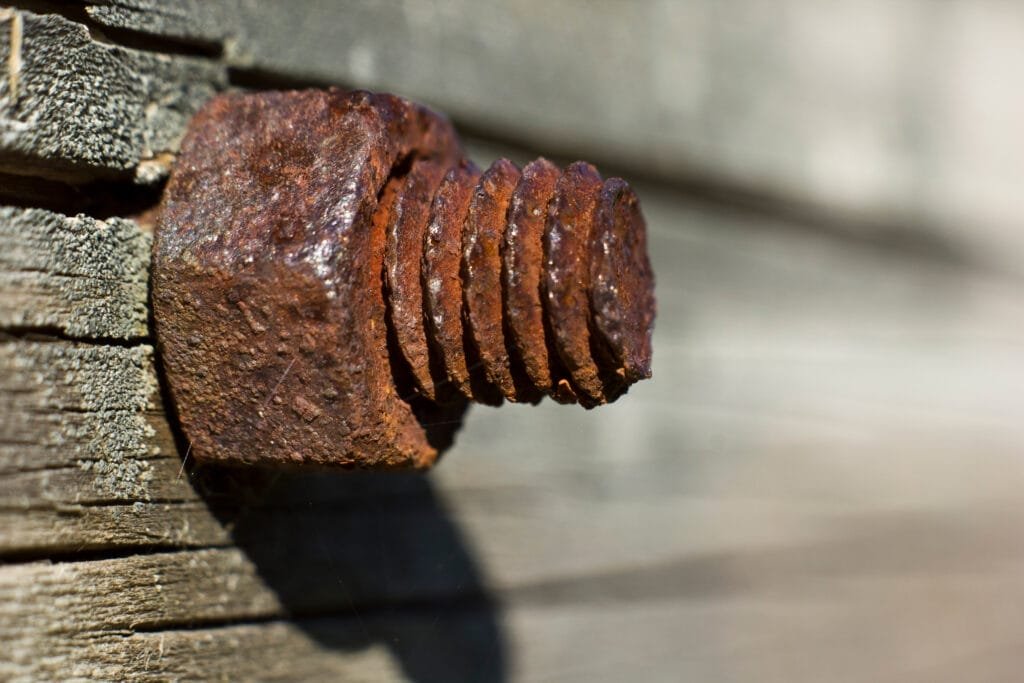
A rusted bolt can turn a small repair into a long, frustrating job. You put a wrench on it, apply pressure, and nothing moves. The bolt may feel frozen in place, but that does not always mean it is stuck forever. With the right method, patience, and a little care, many seized bolts can be removed without damage.
If you want to know how to break loose a rusted bolt, the key is to start gently and work up to stronger methods only when needed. That keeps you from rounding the bolt head, snapping the bolt, or damaging the part around it. In many cases, the first method that works is not the strongest one. It is the one that loosens the rust bond in the smartest way.
This guide shows 10 proven methods that mechanics, home repair workers, and DIY users rely on. You will also learn when to stop, what mistakes to avoid, and how to know if a bolt is about to fail. A few extra minutes of careful work can save you hours of drilling, cutting, or replacing parts later.
Start with the safest way to break the rust bond
The first goal is not to force the bolt off. The first goal is to weaken the rust holding it in place. Rust acts like glue between the bolt threads and the nut or threaded hole. It can also fill tiny gaps and make the bolt feel welded in place. That is why steady force alone often fails.
Before using heat, impact, or cutting tools, clean the area around the bolt. Remove dirt, loose rust, paint, and grease. A wire brush, pick, or small scraper helps more than many beginners expect. If the bolt head is buried in debris, your wrench will slip more easily and the bolt will round off.
One useful idea many people miss is this: rusted bolts often loosen better after repeated small shocks than after one huge pull. Light taps, soak time, and back-and-forth movement can do more than a single hard twist.
1. Use penetrating oil the right way
Penetrating oil is one of the best first steps for a rusted bolt. It is made to creep into tiny spaces and weaken the rust bond. Spray it on the bolt head, the threads if visible, and both sides of the connection if possible.
Do not rush this part. Let the oil sit for at least 15 to 30 minutes. For badly rusted bolts, give it several hours or even overnight. Reapply it once or twice during that time. A short wait often is not enough for the oil to move deep into the threads.
Tip: Place the part so gravity helps the oil flow into the threads. If you can reach both sides, spray from both directions.
2. Tap the bolt to crack the rust
A few light hammer taps can help the penetrating oil move deeper. The goal is not to smash the bolt. The goal is to create tiny vibrations that break the rust layer.
Use a small hammer and tap the bolt head, nut, or the area around it. Then apply more penetrating oil. This combination works better than oil alone. The tapping can open microscopic paths for the oil to enter.
Be careful not to hit so hard that you damage the threads or deform the part. Gentle, repeated taps are enough in many cases.
3. Turn the bolt back and forth
If the bolt starts to move even a little, do not try to remove it in one long turn. Instead, work it back and forth. Turn it a little in the loosening direction, then a little in the tightening direction, then loosen again.
This method helps break the rust crystals bit by bit. It also spreads penetrating oil into the threads as the bolt moves. Beginners often make the mistake of forcing a stuck bolt all at once. That can snap it. Small movements are safer and often more effective.
If the bolt moves only a few degrees, keep going patiently. More oil and more back-and-forth motion may free it fully.
4. Use the correct wrench or socket
A poor-fitting tool is one of the biggest reasons bolts get rounded. Use a six-point socket if possible. It grips the flat sides of the bolt head better than a twelve-point socket. For wrenches, choose one that fits tightly with no play.
If the bolt head is damaged, switch to a bolt extractor socket before trying harder force. That tool bites into the metal and can save a stubborn fastener.
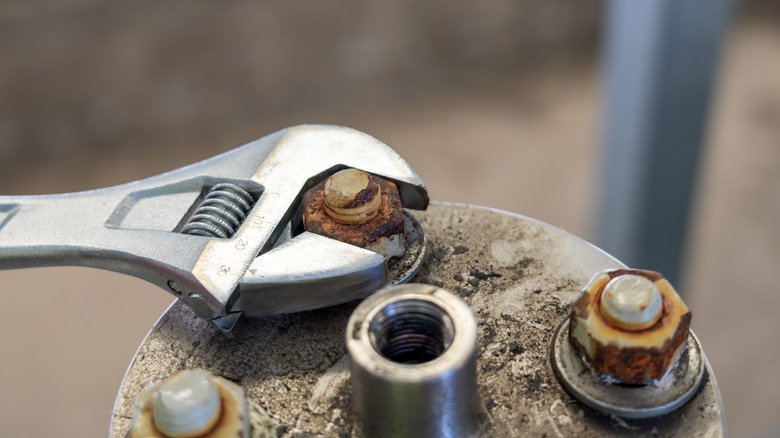
Common mistake: Using an adjustable wrench on a rusted bolt often leads to slipping. Once the corners round off, removal becomes much harder.
5. Apply steady force instead of jerking
When you try to loosen the bolt, apply smooth, steady pressure. Fast jerks can damage the bolt head and make the wrench slip. A controlled pull gives you better feel and more chance to stop if the bolt begins to twist badly.
If the bolt is very tight, position your body so you can pull safely. Push or pull in a direction that keeps the tool fully seated. If needed, use a longer handle for more leverage, but only after confirming the bolt head can take the pressure.
Steady force works best after oil, tapping, and cleaning. It should be the next step, not the first.
6. Add heat to expand the metal
Heat is one of the most powerful ways to how to break loose a rusted bolt. When metal heats up, it expands slightly. That expansion can crack the rust bond and help the bolt move. After heating, the bolt may loosen as it cools a little or when combined with penetrating oil.
You can use a propane torch for many jobs, but only if the area is safe for heat. Keep heat away from fuel lines, rubber hoses, plastic parts, and flammable materials. If the bolt is near sensitive parts, do not use open flame.
For more detailed safety guidance on heating and flammable materials, the OSHA website is a trusted source.
Important: Never spray penetrating oil directly onto a hot flame. That is dangerous. Let the part cool a little before applying more oil, or apply oil before heating and allow it to soak first.
7. Use the heat-and-cool cycle
This method is often more effective than heat alone. Heat the bolt or surrounding metal, then let it cool slightly. As it cools, apply penetrating oil. The change in temperature helps pull the oil into the threads.
The process works like this:
- Clean the area.
- Heat the bolt and surrounding metal.
- Let it cool for a short time.
- Apply penetrating oil.
- Try loosening the bolt with steady pressure.
This is one of the most useful methods for bolts on exhaust parts, suspension parts, and old outdoor equipment. Temperature change often breaks the rust grip better than brute force.
8. Try an impact tool or impact wrench
An impact tool delivers sharp rotational hits instead of a constant twist. That shock can break the rust bond without applying as much steady stress to the bolt head. For many rusted fasteners, this is a major advantage.
A hand impact driver is useful for bolts that accept a screwdriver-style bit or socket. An impact wrench is better for larger bolts and heavy-duty work. Use the lowest setting first if possible.
One reason this method works so well is that rust bonds often fail under sudden force before the metal itself does. The brief shock helps, while the short duration lowers the chance of stripping the head.
9. Use a dedicated bolt extractor or grip tool
If the bolt head is rounded, damaged, or partly broken, a bolt extractor tool may be your best option. These tools are designed to grip tight on damaged fasteners. Some are socket-style. Others are locking pliers with special teeth.
For bolt heads that stick out, locking pliers can work if they bite firmly. Clamp them as tightly as possible. Rock the bolt back and forth before trying a full removal.
If the bolt is flush with the surface or broken off, you may need a left-hand drill bit or a screw extractor. Those methods are more advanced, but they can save a part that looks hopeless.
10. Drill, cut, or replace only as a last resort
Sometimes a rusted bolt will not come out cleanly. If the head is destroyed or the bolt snaps, drilling becomes the next option. This is not the fastest method, but it can solve the problem when everything else fails.
Start with a center punch to keep the drill bit from wandering. Use a small pilot hole first, then move up carefully. If you can remove the bolt with an extractor, great. If not, drilling it out completely may be necessary.
In some cases, cutting the bolt and replacing the part is the smartest move. That is especially true when the cost of time and damage is higher than the cost of a new fastener.
What works best in real life
There is no single method that works every time. The best approach depends on how rusty the bolt is, where it sits, and what tools you have. In many real repairs, the winning order is simple: clean, oil, tap, wait, try back-and-forth motion, then use heat or impact if needed.
The table below shows which method is usually best for common situations.
| Situation | Best starting method | Next step if it fails |
|---|---|---|
| Light surface rust | Penetrating oil | Steady wrench force |
| Outdoor bolt exposed to weather | Oil plus tapping | Heat and cool cycle |
| Rounded bolt head | Extractor socket | Locking pliers or drilling |
| Large stuck automotive bolt | Penetrating oil plus impact tool | Heat and back-and-forth motion |
| Severely corroded bolt | Heat, oil, and tapping | Drilling or replacement |
Credit: thisoldhouse.com
Credit: housedigest.com
Common mistakes that make a rusted bolt worse
Many bolts become harder to remove because of the way people attack them. A stuck bolt does not need more anger. It needs a better plan.
- Using the wrong tool size: A loose fit strips the bolt corners fast.
- Forcing it too early: If the rust has not been weakened, hard torque may only snap the bolt.
- Skipping cleaning: Dirt and scale keep penetrating oil from reaching the threads.
- Ignoring safety: Heat near fuel, plastic, or rubber can cause damage or fire.
- Giving up too soon: Some bolts need repeated oil and soak cycles before they move.
Another detail beginners often miss is that rust does not always spread evenly. One side of the thread may be more seized than the other. That is why a small movement, then reverse movement, can sometimes work better than trying to twist straight out in one shot.
How to know when a bolt is about to fail
A bolt may feel stuck, but there are warning signs that it is close to snapping. If the bolt head starts to twist without turning the fastener, stop. That means the metal is stretching. If the wrench slips more and more, the head may be rounding. If you hear a sharp creak or feel a sudden softening, the bolt may be failing internally.
When you notice these signs, reduce force and change methods. Add more penetrating oil. Try heat. Use an impact tool. If needed, stop before the bolt breaks and switch to a controlled removal plan. A broken bolt is usually much harder to deal with than a stubborn one.
Helpful order of attack
For most jobs, this sequence gives you the best chance of success:
- Clean the area.
- Apply penetrating oil.
- Tap the bolt lightly.
- Wait and reapply oil.
- Try back-and-forth movement.
- Use heat if the part can handle it.
- Try an impact tool or extractor.
- Drill or replace only if needed.
Extra tips that save time on tough bolts
Two small habits can make a big difference. First, always choose the right direction before pulling hard. This sounds obvious, but in tight spaces it is easy to work from the wrong angle and mistake resistance for a stuck fastener. Second, keep your tool square to the bolt. Even a slight angle can make the socket slip and damage the head.
Another useful tip is to work on the bolt when the surrounding metal is not cold-soaked from winter weather. Very cold parts can hold rust tighter and make penetrating oil work more slowly. If possible, let the part warm naturally before starting.
If the bolt is in a shared thread with a nut on the other side, hold the nut steady with a second wrench. That prevents unnecessary twisting of the whole assembly. It also gives you a cleaner feel for what the bolt is doing.
Finally, when a bolt comes out, clean the threads right away. Use a wire brush and a small amount of lubricant or anti-seize compound before reinstalling. That simple step makes the next repair much easier.

Credit: reddit.com
FAQs
1. What is the best first step for a rusted bolt?
Start with penetrating oil and cleaning. Remove dirt and loose rust, then let the oil soak into the threads. This gives you the best chance of loosening the rust bond before using more force.
2. Can heat damage the part around the bolt?
Yes. Heat can harm rubber, plastic, paint, wiring, and fuel-related parts. Use heat only when the area is safe and keep a fire extinguisher nearby if you are working with a torch.
3. Why does back-and-forth turning help?
It breaks the rust bond little by little. Instead of forcing the bolt in one direction, small movements help the threads release gradually and let oil reach deeper into the joint.
4. What if the bolt head is already rounded?
Use a bolt extractor socket or locking pliers if the head sticks out. If the bolt is flush or broken, drilling or a screw extractor may be needed. The key is to stop using tools that slip and cause more damage.
5. How do I stop bolts from rusting again?
Clean the threads, dry the part well, and apply anti-seize or the correct lubricant before reassembly. If the bolt is exposed to weather, using a rust-resistant replacement can also help a lot.
