
Choosing the right tool can save time, reduce mistakes, and make work feel much easier. That is especially true when you are working with drills and drivers, because the wrong choice can lead to weak holes, stripped screws, damaged surfaces, or a tool that feels tiring after only a few minutes.
This drilling and driving tools guide will help you understand what matters before you buy or use a tool. You do not need to be an expert. You only need to know the type of work you do, the material you work on, and the kind of results you want.
Many beginners think all drills and drivers do the same job. They do not. Some tools are better for simple home tasks. Others are built for heavy work, tighter spaces, or long use. The good news is that once you know the main differences, the right choice becomes much easier.
Start with the job, not the brand
The best tool is not always the most expensive one. It is the one that matches your task. Before you look at features, ask a simple question: what am I trying to do most often?
If you mostly hang shelves, assemble furniture, and drive screws into wood, a lightweight drill driver may be enough. If you need to drill into concrete or brick, you need a tool with impact or hammer action. If you work on long projects or tight jobs every day, comfort and battery life matter more than extra speed settings.
This is one of the biggest mistakes beginners make. They buy a powerful tool because it sounds impressive, then discover it is too heavy, too strong, or too hard to control for their real work.
Think about the material first
Different materials need different kinds of force. Wood is easy to drill compared to metal or masonry. Soft pine needs less power than thick hardwood. Steel needs sharper bits and steady control. Brick and concrete need a hammer drill or rotary hammer, not a basic drill driver.
Match the tool to the material, and you will get cleaner holes, less wear on the motor, and better results overall.
Know the main tool types before you buy
Not every drill or driver is built the same way. Some tools look similar, but their use is very different. A clear understanding of the main types will help you avoid a bad purchase.
Drill driver
A drill driver is one of the most common tools for home use. It drills holes and drives screws. It is a strong all-round choice for furniture, shelves, cabinets, and light repair work.
It is usually the best first tool for most people because it handles many everyday tasks without being too complicated.
Impact driver
An impact driver is made mainly for driving screws and bolts. It uses short bursts of force, which helps drive long screws into wood more easily. It is smaller than many drill drivers and often feels stronger when fastening.
However, it is not the best choice for drilling precise holes. You can drill with it in some cases, but that is not its main purpose.
Hammer drill
A hammer drill adds a pounding action while it rotates. This makes it useful for masonry, brick, and light concrete work. If you only need to drill into walls sometimes, a hammer drill is often enough.
For regular heavy concrete drilling, a rotary hammer is usually the better tool, but that is more specialized.
Cordless vs corded
Cordless tools are popular because they are easy to move and simple to use anywhere. They are great for home projects and jobs where you do not want to deal with cords.
Corded tools usually give constant power and do not run out of battery. They can be a smart choice for long shop work or repeated heavy tasks. If you work for hours at a time, corded can still make sense.
Look at the power details that really matter
Many tool ads focus on numbers, but not every number tells the full story. You need to know which specs are actually useful.
Voltage is not the whole story
For cordless tools, voltage often gets attention. Higher voltage can mean more power, but it does not automatically make a tool better. A well-designed 12V tool can be easier to handle than a bulky 20V one for light work.
If you only do small tasks, a smaller battery system may be more practical. If you need longer runtime and stronger performance, a larger battery platform may be worth it.
Torque matters for driving
Torque is the twisting force of the tool. It matters most when driving screws or bolts. Higher torque helps with large fasteners and dense materials.
But more torque is not always better. Too much torque can strip screws, split wood, or make control harder. For many jobs, adjustable clutch settings are more useful than raw force alone.
Speed control helps accuracy
Variable speed gives you better control. Low speed works well for starting screws and drilling carefully. Higher speed can help with drilling faster or completing lighter fastening work.
A good trigger response is one of those small things beginners often miss. If the trigger feels jerky, you may struggle with precise work even if the tool is powerful.
Pay attention to the chuck and bit compatibility
The chuck is the part that holds the drill bit or driver bit. It affects how easy the tool is to use and how flexible it is with different accessories.
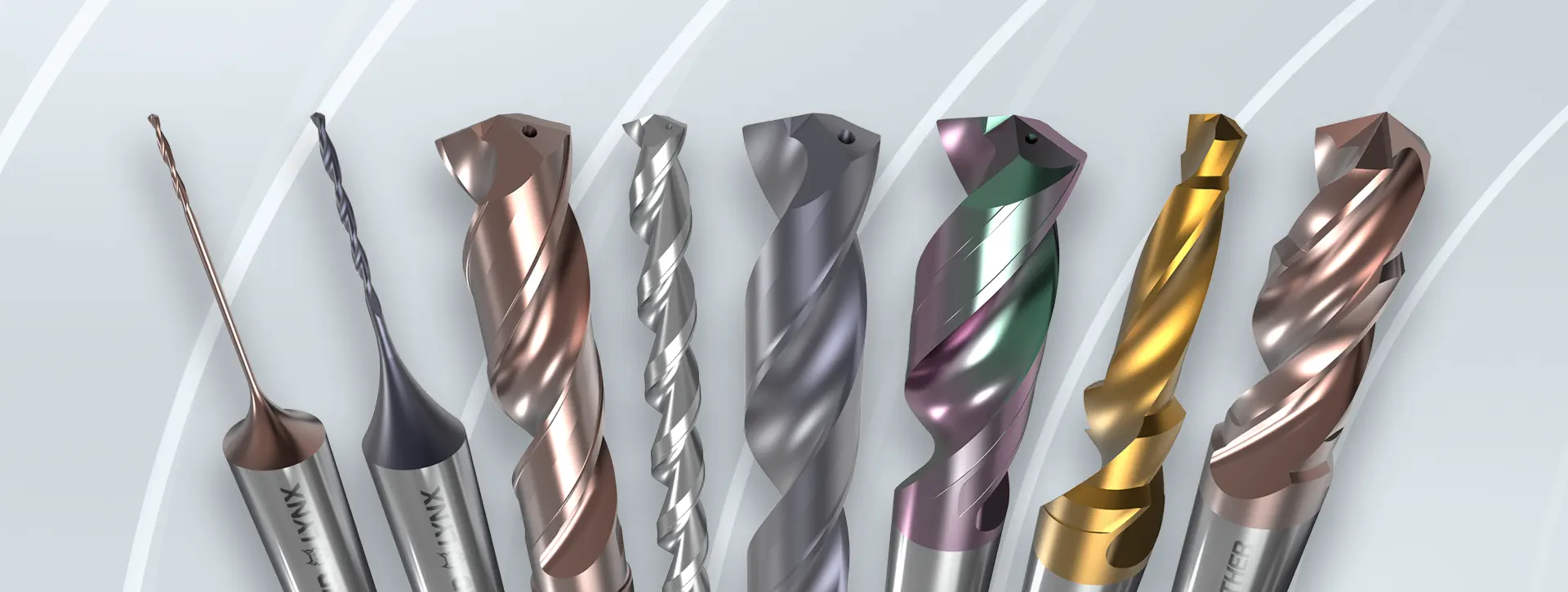
Credit: quickgrind.com
Keyless chuck
A keyless chuck is common on modern drill drivers. You tighten it by hand, so changing bits is fast and simple. For most home users, this is the easiest option.
Hex chuck
Impact drivers often use a 1/4-inch hex chuck. This design grips driver bits firmly and allows fast bit changes. It is ideal for fastening work.
Bit size and shank type
Before buying, check which bits the tool accepts. Some tools work better with round-shank drill bits. Others are made for hex-shank bits. If you already own bits, make sure they fit the new tool.
A tool that cannot use your common bits will cost you more later, even if the purchase price looked good at first.
Choose comfort, not just performance
Comfort is easy to ignore when you are shopping. That is a mistake. A tool that feels awkward will slow you down and make work more tiring.
Weight and balance
A lighter tool is easier to control above your head or in tight spaces. But very light tools are not always best if they feel weak or unsteady. What matters is balance. A well-balanced tool often feels better than a lighter tool with poor shape.
Grip and handle design
The handle should feel secure in your hand, even if your hands are sweaty or dusty. A soft grip can help, but it should still feel firm and stable.
For longer jobs, a poor grip can cause hand pain faster than most people expect.
Noise and vibration
Some tools are louder and rougher than others. Vibration is more than a comfort issue. Over time, it can affect control and make accurate work harder. If you use tools often, lower vibration can make a real difference.
Battery systems can save money later
If you buy cordless, do not think only about the tool itself. Think about the battery platform too. A battery platform is the family of tools that use the same batteries.
This is a smart place to save money. If one battery works with a drill, impact driver, saw, and light, you do not need separate batteries for every tool. That means less clutter and lower long-term cost.
Battery size and runtime
Battery capacity is usually shown in amp-hours, or Ah. Higher Ah often means longer runtime. A 2.0Ah battery is lighter and good for shorter jobs. A 4.0Ah or 5.0Ah battery lasts longer but adds weight.
Choose based on your work style. If you do quick jobs, a small battery may be enough. If you work for a long time, bigger batteries can reduce interruptions.
Charging time
Fast charging sounds great, but do not focus on that alone. A very fast charger is less helpful if the battery loses performance quickly. Look at the full system: runtime, charging speed, and battery availability.
Use the right tool for fastening and drilling separately when needed
One of the most useful beginner lessons is that drilling and driving are related, but not always the same job. A drill makes holes. A driver turns fasteners. Some tools do both well enough for general use, but special tasks often need a more focused tool.
When a drill driver is enough
If your work is light to medium, a drill driver can handle most tasks. It can drill pilot holes, make small holes in wood or plastic, and drive common screws.
When an impact driver is better
If you often drive long screws into wood, build decks, or work with tough fasteners, an impact driver can make the job easier. It keeps driving without as much wrist twist, which is helpful during heavy fastening.
When a hammer drill is needed
For brick, block, or concrete, a hammer drill is usually the right choice for occasional work. Trying to force a normal drill through masonry wastes time and wears the tool down.
Non-obvious insight: tool “helpfulness” depends on the screw, not just the motor
A powerful driver does not solve every fastening problem. The shape of the screw head, the quality of the bit, and whether you pre-drilled a pilot hole can matter just as much. A weak bit or bad fit causes cam-out, stripped heads, and frustration.
Don’t ignore drill bits and driver bits
Even a very good tool performs poorly with low-quality bits. Bits are the part that touches the material, so they affect accuracy, speed, and finish.
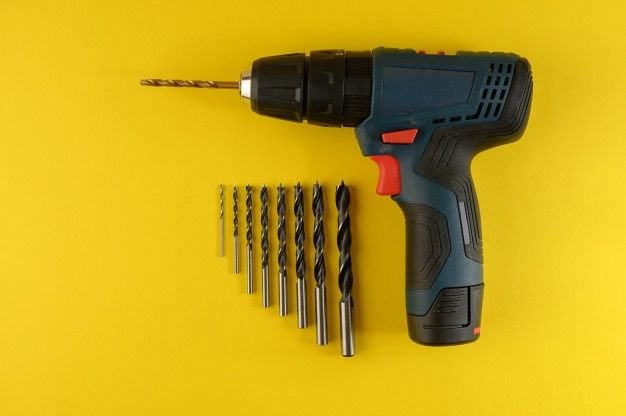
Credit: pinterest.com
Use the right bit for the material
Wood bits, metal bits, masonry bits, and multi-purpose bits are not all the same. If you use the wrong one, the hole may burn, wander, or come out rough.
For example, a basic wood bit is not the best choice for concrete. A masonry bit is built to handle that harder surface.
Bit quality affects control
Cheap bits can wobble, dull fast, or break. Better bits often stay sharper longer and give cleaner results. If you use your tool often, good bits are worth the extra cost.
For reliable technical guidance on safe tool use and maintenance, the New Zealand Occupational Safety and Health website has useful safety information that applies well to many drilling and driving tasks.
Common mistakes buyers make
People often regret their purchase for simple reasons that could have been avoided. Knowing these mistakes can save you money and stress.
- Buying too much power – A heavy-duty tool can be tiring for basic home jobs.
- Ignoring battery platform – One tool may look cheap until you buy extra batteries and chargers.
- Choosing speed over control – A fast tool is not always a useful tool.
- Using the wrong tool type – An impact driver is not a perfect replacement for a drill driver.
- Forgetting comfort – A tool that feels bad in hand gets used less and performs worse in real life.
A less obvious mistake is buying a tool based on one single project. If you only need to drill into concrete once a year, do not overspend on a very specialized setup unless you truly need it often.
A simple way to compare your options
If you are looking at several tools, compare them in a practical way. Do not get lost in marketing claims. Focus on the details that affect real use.
| What to compare | Why it matters | Best for |
|---|---|---|
| Tool type | Shows whether it is made for drilling, driving, or both | Matching the main job |
| Power and torque | Affects screw driving and harder materials | Tougher fastening tasks |
| Weight and balance | Changes comfort and control | Long use and overhead work |
| Battery system | Impacts runtime and future tool costs | Cordless users |
| Chuck type | Controls bit compatibility and speed of change | Frequent bit swaps |
| Clutch and speed control | Helps prevent damage and improves accuracy | Furniture, cabinets, and precision work |
Match the tool to your skill level
Your experience matters. A beginner often does better with a tool that is easy to control rather than one with the highest power rating. A simple drill driver with good speed control is often a safer and smarter first choice.
More experienced users may want stronger torque, better battery life, or a more specialized tool for specific tasks. That is where the right upgrade can really improve productivity.
For beginners
Look for clear controls, a comfortable grip, and a tool that is not too heavy. A clutch is very useful because it helps prevent overdriving screws.
For regular DIY users
Choose a tool that can handle mixed tasks. A drill driver paired with an impact driver gives you flexibility without making your setup too complicated.
For heavy users
Focus on durability, battery ecosystem, and long-term comfort. A tool that survives daily use and stays comfortable is usually better than one with a flashy spec sheet.
Tool care also affects buying decisions
A tool is not just a purchase. It is a system that needs care. If you plan to use it for years, choose a model that is easy to maintain.
Check how easy it is to clean dust from vents, change batteries, and replace worn bits. Also think about storage. A tool that comes with a sturdy case or fits neatly into your workshop may last longer because it stays protected.
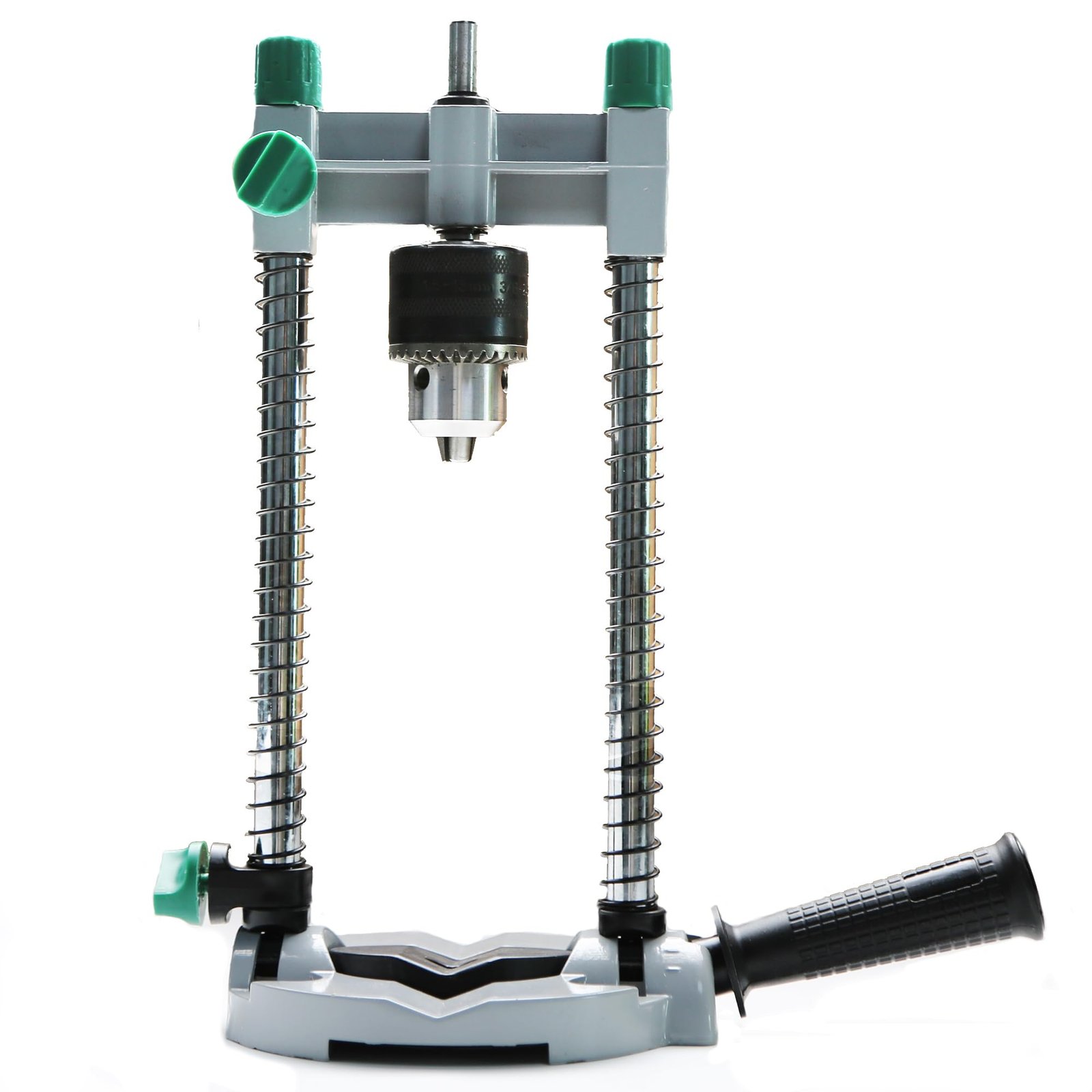
Credit: amazon.com
Non-obvious insight: better storage can improve tool life
Dust, damp air, and rough storage cause slow damage. Even a strong tool can wear out faster if it is thrown into a car trunk or left in a wet garage. Simple storage habits protect your investment more than many people realize.
Final thoughts before you buy
The best drilling and driving tools guide is the one that helps you choose based on real use, not hype. Start with the job, then look at the material, the tool type, comfort, and the battery or power system. If you do that, you will avoid many common mistakes.
A good tool should feel easy to control, strong enough for the task, and comfortable enough to use more than once. That is what makes it valuable. Not a long spec list. Not a big logo. Real usefulness.
If you are choosing your first tool, keep it simple and flexible. If you already own tools, look for the gap in your setup. The right choice is usually the one that solves the most real problems with the least effort.
FAQs
What is the difference between a drill driver and an impact driver?
A drill driver is better for drilling holes and general screw driving. An impact driver is better for driving long screws and tough fasteners. It has more twisting force and usually works faster for fastening jobs.
Do I need a hammer drill for home use?
Only if you plan to drill into brick, block, or concrete. For wood, plastic, and light metal, a regular drill driver is usually enough. A hammer drill is helpful if you often work on wall-mounted projects.
Is a cordless tool better than a corded one?
It depends on your work. Cordless tools are easier to move and great for most home users. Corded tools are better when you need constant power for long periods and do not want to worry about battery life.
How much torque do I need?
For light household work, moderate torque is usually enough. If you drive large screws into dense wood, you need more torque. The best choice is one that gives enough power without making the tool hard to control.
What should I check before buying bits?
Check that the bit type matches your tool chuck and the material you are drilling. Good fit, good quality, and the right material type matter more than price alone. A poor bit can make even a strong tool perform badly.
