
If you are shopping for a jigsaw, one of the first choices you will face is barrel grip jigsaw vs top handle. Both tools cut curves, shapes, and straight lines in wood, metal, and plastic. Both can do excellent work. But they do not feel the same in your hand, and that changes how you control the cut.
The right choice is not just about power. It is also about comfort, wrist position, line of sight, and how long you can work without fatigue. A tool that feels small in the hand can be a big advantage on fine detail work. A tool that feels natural for long cuts can save time and reduce mistakes.
In this guide, you will learn the key differences, the real pros and cons of each style, and how to choose the one that matches your projects. If you want the short answer: top handle jigsaws are easier for most beginners, while barrel grip jigsaws often give better control for experienced users. But the best choice depends on your work style, not just skill level.
How these two jigsaw styles feel in real use
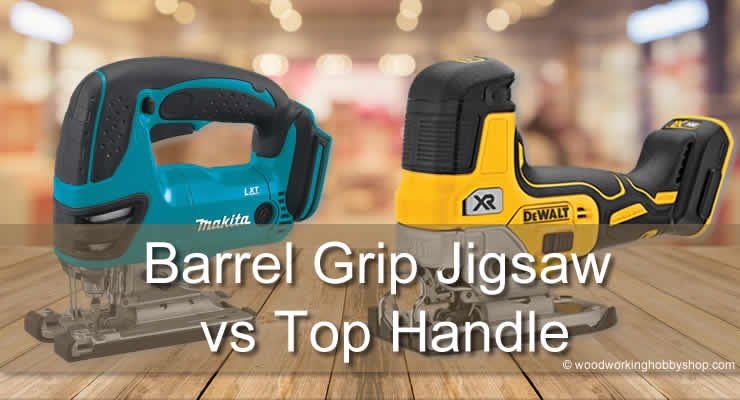
The biggest difference between these tools is simple: where you place your hand. A top handle jigsaw has a large handle above the motor. You hold it like a drill. A barrel grip jigsaw has a lower, slimmer body. Your hand wraps around the barrel itself.
This changes more than comfort. It changes how your wrist sits, how much pressure you apply, and how close your hand is to the cut line. It also changes your view of the blade and your ability to guide the tool in tight turns.
Many buyers focus only on motor power or blade speed. Those things matter, but grip style often matters more in daily use. If a jigsaw feels awkward, you will fight it on every cut. If it feels natural, your work becomes easier and more accurate.
Top handle jigsaw
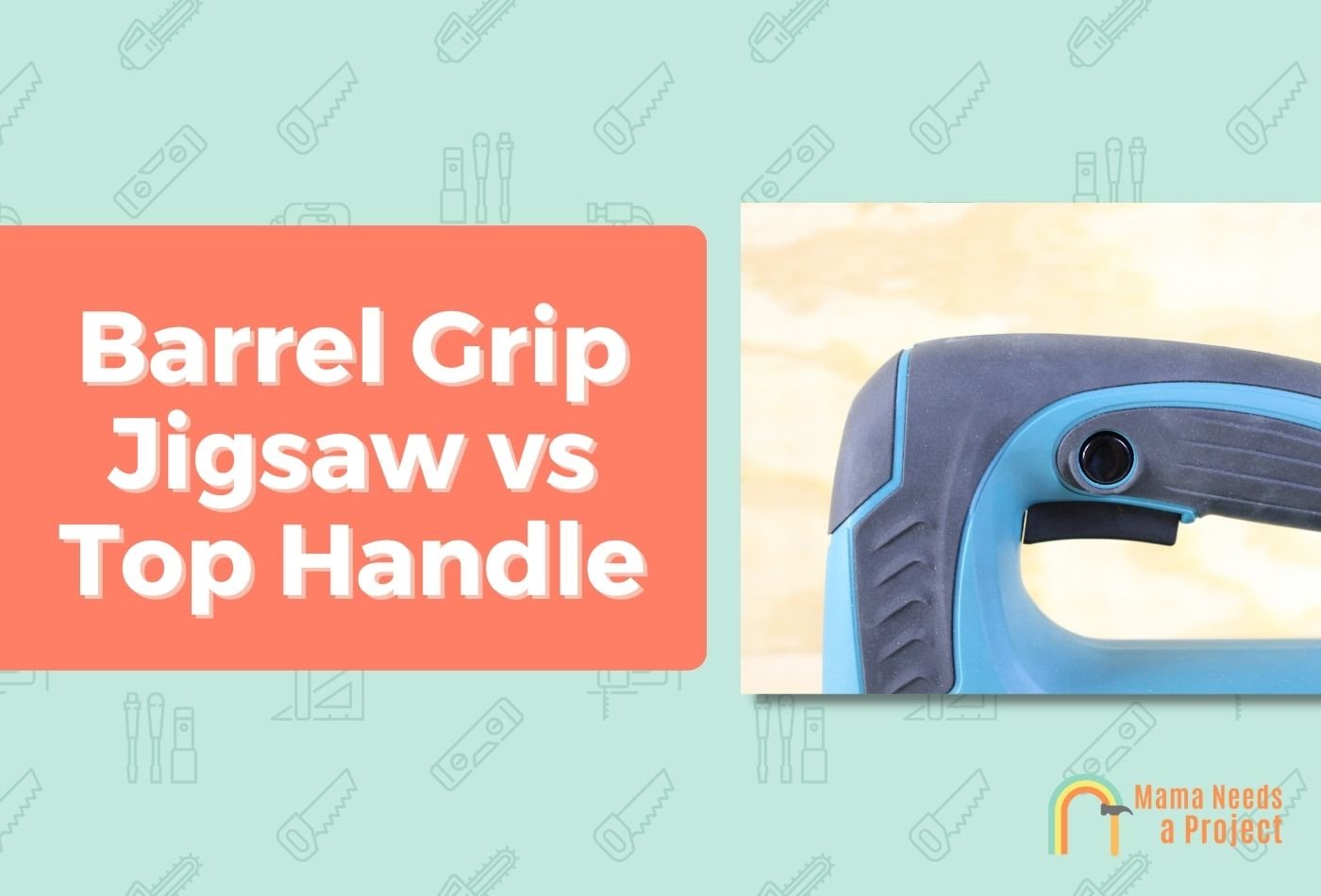
A top handle jigsaw has a wide grip on top of the tool. This design is very common, especially in home shops and DIY tool sets. The hand position feels familiar to most people, because it is similar to holding a power drill or some sanders.
The top handle usually gives a more upright wrist position. For many users, that feels relaxed at first. It also makes the tool easier to lift and carry between cuts. If you are new to jigsaws, this style often feels less strange on day one.
Barrel grip jigsaw
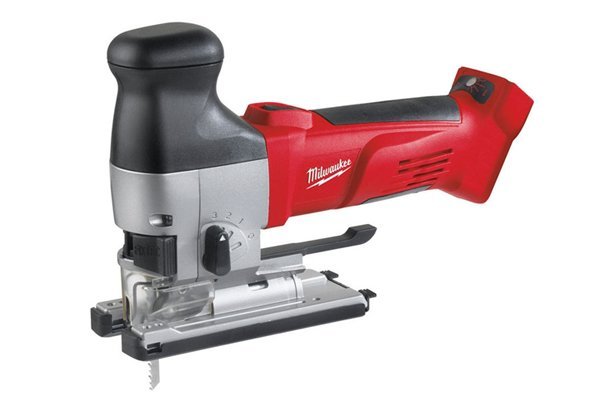
A barrel grip jigsaw has a body that you hold directly from the side. Your hand is lower and closer to the blade area. This often gives a more compact feel and can improve control, especially when cutting curves or working from a lower angle.
Many users say barrel grip jigsaws feel more “connected” to the cut. That is because your hand is closer to the action. The tradeoff is that it may take more time to get used to. Some people love it right away. Others need a few projects before it feels natural.
Key differences that really matter
On paper, many jigsaws look similar. In use, the grip style creates several practical differences. Here is where the choice becomes clear.
| Feature | Top Handle | Barrel Grip |
|---|---|---|
| Hand position | Hand sits above the motor | Hand wraps around lower body |
| Comfort for beginners | Usually easier to learn | May feel unusual at first |
| Control in curves | Good, but less direct for some users | Often better for tight control |
| Wrist angle | More upright | More neutral for many users |
| Visibility of cut line | Can block the view more often | Usually better line of sight |
| Fatigue during long use | Comfortable for many casual jobs | Can be better for detailed control |
Control and precision
Barrel grip jigsaws often win here. Because your hand is closer to the cutting area, small adjustments feel easier. This can help when you are cutting furniture parts, sink cutouts, template shapes, or curved profiles.
Top handle models can still cut very accurately, but some users feel less direct control. If your work includes lots of tight curves, the barrel grip may feel more precise.
Comfort and ergonomics
Comfort is personal, but there are common patterns. Top handle tools are often easier for casual users because the grip is familiar. They can also be easier if you have large hands and want a fuller handle.
Barrel grip tools often support a more natural wrist angle, especially during low, horizontal cuts. This can reduce strain in some cases. But if you press too hard or hold the tool awkwardly, you may feel more hand fatigue.
Visibility of the blade and cut line
One of the most overlooked benefits of a barrel grip jigsaw is blade visibility. Because your hand sits lower, it may block less of your view. That makes it easier to follow marked lines, especially on detailed work.
Top handle models can hide part of the blade or the cut path, depending on the design. Good lighting and a dust blower help, but the grip shape still matters. This is one of the reasons many woodworkers prefer barrel grip tools for visible, careful cutting.
Wrist position and fatigue
This is a big one. A jigsaw is not just about movement. It is about repeated movement. If your wrist bends too much, even a good tool can feel tiring after several cuts.
Top handle jigsaws keep your hand higher, which feels easy for some people. Barrel grip jigsaws place your hand lower and can keep the wrist in a straighter line. That straighter position is often better for longer sessions, but only if the tool size fits your hand well.
Pros of a top handle jigsaw
The top handle style is popular for good reasons. It offers a balanced mix of comfort, familiarity, and ease of use. For many buyers, that is enough.
- Easy to learn for first-time users
- Comfortable grip for general-purpose cutting
- Widely available in many price ranges
- Good for vertical cutting and standard DIY tasks
- Feels familiar to people who already use drill-style tools
Top handle jigsaws are often the safer choice if you want one tool for occasional home work. They are simple to hold, simple to understand, and simple to control for basic cuts.
They are also a smart option if multiple people will use the same tool. A familiar grip can make shared use easier, especially in a home workshop.
Credit: woodworkinghobbyshop.com
Pros of a barrel grip jigsaw
Barrel grip jigsaws are often favored by users who care more about fine control than first-day comfort. They can feel more responsive and direct.
- Better line of sight on many cuts
- More direct control for curves and details
- Often easier to guide with one hand positioned closer to the cut
- Can feel more balanced during horizontal work
- Popular with experienced users and woodworking hobbyists
One non-obvious advantage is this: barrel grip jigsaws can sometimes help you slow down naturally. Because the tool feels more connected to your hand, you may guide it more carefully instead of pushing it too fast. That can improve cut quality.
Another detail many beginners miss is that better visibility can reduce mistakes more than extra power does. When you can clearly see the blade path, you are less likely to drift off your line.
Which one is better for beginners?
For most beginners, the top handle jigsaw is usually the easier starting point. It feels familiar, is simple to control, and is less likely to intimidate new users.
That said, “easier” does not always mean “better.” If you are a beginner who plans to do more detailed woodworking, cabinet work, or curved cuts, a barrel grip model may be worth learning early. You may need a few practice cuts, but the payoff can be better precision later.
If you are not sure, ask yourself two questions:
- Will I use this tool mostly for simple cuts and repairs?
- Or will I use it for curves, patterns, and more careful work?
If your answer is mostly simple cuts, pick top handle. If your answer leans toward fine control, barrel grip may be the better long-term choice.
Which one is better for woodworkers?
Many woodworkers prefer barrel grip jigsaws, especially for detailed cutting. The lower hand position and clearer view of the blade can make it easier to follow lines in plywood, hardwood, and template work.
Still, not every woodworker needs a barrel grip tool. If your projects are mostly rough cuts, quick trims, or occasional home tasks, a top handle model may do the job just fine.
Here is a useful rule: the more your work depends on accuracy and curves, the more useful barrel grip becomes. The more your work depends on quick, simple use, the more top handle makes sense.
When barrel grip shines
Barrel grip is often the better pick when you need:
- Curved cuts in furniture parts
- Detailed pattern cutting
- Better control in tight spaces
- A clearer view of the blade
- Longer sessions with more focused guiding
When top handle shines
Top handle is often better when you need:
- Simple DIY cuts
- A more familiar grip
- Easier handling for different users
- A tool for occasional repair work
- A less demanding learning curve
Common mistakes buyers make
Many people choose a jigsaw based on brand name or motor speed only. That is a mistake. The grip style can affect your results every time you use the tool.
Another common mistake is ignoring hand size. A barrel grip tool that feels perfect to one person may feel cramped to another. A top handle that seems comfortable in the store may feel bulky after 20 minutes of work.
People also forget to think about the kind of cuts they actually make. If you rarely cut curves, a barrel grip may not give you much advantage. If you often do detail work, a top handle may hold you back more than you expect.
One more thing: do not judge comfort by holding the tool for 10 seconds in a shop. Try to imagine a full project. Fatigue, blade visibility, and control become more important after repeated cuts.
Credit: mamaneedsaproject.com
How to choose the right one for your projects
The best way to choose is to match the tool to your real use, not to your guess about what sounds advanced.
Use this simple guide:
Choose a top handle jigsaw if you
- Are new to power tools
- Want a familiar, easy grip
- Do basic household cutting jobs
- Value comfort over fine detail control
- Need a tool that several people can use easily
Choose a barrel grip jigsaw if you
- Want more direct control
- Cut curves or shapes often
- Care a lot about blade visibility
- Work on furniture, cabinetry, or templates
- Prefer a lower, more compact hand position
If possible, hold both styles before buying. The difference is hard to judge from photos alone. A tool that feels slightly awkward in the store can feel tiring after real use. A tool that feels natural can save time and reduce mistakes.
Features that matter more than the grip style
Grip style is important, but it is not the only thing that affects performance. Some buyers focus too much on barrel grip vs top handle and ignore the rest.
Blade change system
Fast blade changes save time and reduce frustration. A tool with a poor blade clamp can be annoying no matter what grip style it uses.
Orbital action
Orbital action helps the blade cut faster in wood. It is useful for speed, but not always for clean finish cuts. A good jigsaw should let you adjust this based on the task.
Speed control
Variable speed matters when cutting different materials. Slower speed helps with metal or delicate work. Higher speed helps with rough wood cuts.
Dust blower or dust extraction
Clear visibility is important. A dust blower or vacuum connection can improve cut accuracy a lot, especially with barrel grip models where line sight is already strong.
Base plate and bevel adjustment
A stable base plate keeps the tool flat. Easy bevel adjustment helps when you need angled cuts. These features can matter more than grip style in some projects.
For a deeper technical overview of jigsaw safety and use, the Occupational Safety and Health Administration is a useful authority for general power tool safety practices.
Real-world buying advice
If you are buying your first jigsaw, start with your most common task. Do not buy for the rare project you may do once a year. Buy for the job you will actually repeat.
If you are a casual DIY user, a top handle jigsaw is often the safer bet. It is easy to learn, comfortable for general use, and common in many home tool kits.
If you care about accuracy, curved cuts, and better blade visibility, a barrel grip jigsaw is often the better long-term tool. It may take a little practice, but it can reward you with better control.
There is also a smart middle ground: if you can, test both at a store or borrow one from a friend. The “best” jigsaw is not always the one with the best specs. It is the one that lets you work steadily, cleanly, and without strain.
Credit: wonkeedonkeetools.co.uk
Final decision: barrel grip or top handle?
The barrel grip jigsaw vs top handle choice comes down to how you work. If you want a tool that feels familiar and easy, go with top handle. If you want tighter control and better visibility, choose barrel grip.
For many people, top handle is the better first purchase. For many woodworkers, barrel grip becomes the favorite over time. Neither one is universally better. They are just better for different hands, different jobs, and different experience levels.
The right jigsaw should feel like an extension of your hand. When that happens, your cuts get cleaner, your work gets faster, and the tool becomes easier to trust.
FAQs
1. Is a barrel grip jigsaw better than a top handle?
Not always. A barrel grip jigsaw is often better for precision, curved cuts, and blade visibility. A top handle jigsaw is often better for beginners and general home use. The better choice depends on your projects and comfort.
2. Why do woodworkers prefer barrel grip jigsaws?
Many woodworkers like barrel grip models because they give more direct control and a clearer view of the cutting line. This helps with detailed work, templates, and curved cuts.
3. Are top handle jigsaws easier to use?
Yes, for most new users they are easier to learn. The grip feels more familiar, and the tool is simple to hold during basic cuts. That is why many first-time buyers choose top handle.
4. Can a beginner use a barrel grip jigsaw?
Yes, a beginner can use one, but it may take a little more practice. If you are willing to learn the feel of the tool, a barrel grip can still be a great choice, especially for detailed work.
5. Which grip style is better for long cutting sessions?
It depends on your hand and wrist position, but barrel grip models often feel better for detailed long sessions because they can keep the wrist in a more natural angle. Still, some users find top handle more comfortable for general work.
