
A bench grinder is a simple tool, but when the motor starts running hot, the problem can become serious fast. A small amount of warmth is normal. A motor that becomes too hot to touch, smells burnt, slows down, or shuts off is telling you something is wrong.
The good news is that most overheating problems have clear causes. In many cases, you do not need a new grinder. You need the right bench grinder motor overheating fix and a careful step-by-step check of load, airflow, bearings, wheels, wiring, and duty cycle. Fix the real cause, and the grinder often returns to normal.
This guide explains the seven most effective solutions, what signs to watch for, and the mistakes that make the motor overheat again. You will also learn how to test the grinder safely, so you do not replace parts you do not need.
First, understand why the motor is getting too hot
A bench grinder motor overheats when it works harder than it should or cannot release heat fast enough. That sounds simple, but the cause can be hidden. A damaged wheel, dry bearing, bad capacitor, blocked fan cover, low voltage, or even a long grinding session can raise motor temperature very quickly.
One thing many beginners miss is that the problem is often not “the motor” itself. The motor is usually reacting to stress somewhere else in the tool. If you only cool the motor after each use but ignore the real cause, the overheating will keep coming back.
Another detail people often miss is load balance. If one wheel is much heavier, badly dressed, or mounted off-center, the motor must fight extra vibration and drag. That extra work creates heat even when the grinder seems to be spinning normally.
Before you begin any repair, unplug the grinder and let it cool fully. If you smell burning insulation, see smoke, or hear a loud hum without proper wheel speed, stop using it right away. According to OSHA safety guidance, powered tools should be inspected and used only when safe and in proper working condition.
7 proven solutions that stop bench grinder overheating fast
1. Reduce the load on the motor
The fastest bench grinder motor overheating fix is often simple: stop overloading the machine. A bench grinder is meant for light shaping, sharpening, and quick cleanup work. It is not built for pushing hard against thick steel for long periods.
If you press too hard, the wheel slows slightly, the motor draws more current, and heat rises. Even if the grinder keeps turning, the inside temperature can climb fast.
What to do:
- Use lighter pressure on the workpiece.
- Let the wheel do the cutting.
- Take short passes instead of one long grind.
- Pause every few minutes during heavy use.
A useful rule: if the wheel starts bogging down, you are pushing too hard. Back off immediately. This one change solves many overheating complaints.
2. Check the grinding wheels for damage, imbalance, or wrong grit
Wheels can create heat in two ways. They can load the motor by being too aggressive, and they can create resistance if they are damaged or out of balance. A cracked, glazed, or uneven wheel makes the motor work harder than necessary.
Wrong wheel choice is another common problem. A wheel that is too coarse, too hard, or not suited to the metal can make grinding feel heavy and slow. That extra strain shows up as motor heat.
Inspect both wheels carefully:
- Look for cracks, chips, and flat spots.
- Check for glazing, which looks shiny and smooth.
- Spin the wheel by hand and watch for wobble.
- Make sure the wheel is rated for the grinder speed.
If the wheel is glazed, dress it. Dressing removes the hard outer surface and restores cutting ability. This often lowers motor load right away. If a wheel is cracked or badly worn, replace it. Never try to “save” a damaged grinding wheel.
3. Inspect and replace worn bearings
Worn bearings are one of the most overlooked reasons a bench grinder motor gets hot. Bad bearings create friction. Friction creates heat. Heat spreads into the motor housing and makes the whole tool feel like it is failing.
You may notice a rough sound, squealing, vibration, or a wheel that does not spin freely when turned by hand. In some cases, the grinder still works, but the motor runs hotter and hotter during use.
Simple checks:
- Unplug the grinder.
- Spin each wheel by hand.
- Listen for grinding, scraping, or rumbling sounds.
- Check if the shaft has side-to-side play.
If the bearings feel rough or noisy, replace them. This is not a cosmetic repair. It is a real fix for overheating. Many users are surprised how much cooler the motor runs after new bearings are installed.
Non-obvious insight: A slightly bad bearing may still spin “well enough” when the grinder is cold. The problem often gets worse as the metal expands from heat. That is why some grinders seem fine at first, then overheat after ten or fifteen minutes.
4. Clean the motor housing and restore airflow
Bench grinders need air movement to stay cool. If dust, metal grit, and grime block the vents or fan path, heat stays trapped inside the motor. The machine then runs hotter every minute it is on.
This happens a lot in workshops where grinding dust builds up over time. The grinder may look clean from the outside, but the inside vents can be packed with debris.
Clean the grinder carefully:
- Unplug it first.
- Use compressed air lightly, if safe for your unit.
- Brush away dust from vents and openings.
- Remove covers if the manual allows it.
- Check that the cooling fan is not blocked or damaged.
Do not force dust deeper into the motor. Gentle cleaning is better than blasting dirt into sensitive parts. Once airflow is restored, the motor usually stays cooler during normal use.
5. Test the power supply and wiring
Low voltage and poor wiring can make a grinder motor overheat even when the machine itself is in decent condition. If the motor is not getting enough power, it may pull more current to try to keep speed. That extra current creates heat.
This is common when the grinder is used with a long extension cord, a thin cord, a loose outlet, or a circuit that is already overloaded.
Check these points:
- Use the correct voltage for the grinder.
- Avoid long, thin extension cords.
- Make sure plugs and sockets fit tightly.
- Inspect the power cord for cuts, burns, or stiffness.
If you are using an extension cord, use a heavy-duty one with the proper gauge for the grinder’s current draw. A weak power supply can make the motor sound tired, run slowly, and heat up much faster than expected.
Non-obvious insight: Some grinders overheat not because they are “getting too much power,” but because they are starving for clean power. A motor under-voltage condition can be just as stressful as overload.
6. Limit continuous run time
Even a healthy bench grinder is not meant for nonstop heavy work. Motors need cooling breaks. If you run the grinder for long stretches, especially while sharpening large tools or cleaning many parts, heat builds up faster than the fan can remove it.
This is especially true in warm workshops or in grinders with small frames and limited ventilation.
Use a simple work pattern:
- Grind for a short period.
- Stop and let the motor breathe.
- Check heat by touch carefully near the housing, not the wheel.
- Resume only after the motor temperature drops.
If the grinder becomes hot during normal sharpening sessions, your duty cycle may be too aggressive for the machine. In that case, the fix is not only mechanical. You also need to change how the grinder is used.
7. Check the capacitor, switch, and internal motor condition
If the grinder still overheats after cleaning, wheel checks, bearing service, and power testing, the internal electrical parts may be failing. On many single-phase bench grinder motors, a weak capacitor can cause poor starting, low torque, and extra current draw. That can make the motor run hot very quickly.
A faulty switch or damaged winding can also produce heat. These are more serious issues, but they should not be ignored.
Warning signs include:
- Motor hums but starts slowly.
- Grinder loses speed under light pressure.
- Burning smell comes from the motor housing.
- The breaker trips or fuse blows.
If you suspect capacitor or winding damage, test the part with the right meter or have a technician inspect it. Replacing a weak capacitor is often cheaper than replacing the whole grinder. But if the windings are damaged, the motor may be near the end of its life.
A practical way to find the real cause
When a grinder overheats, many people start replacing parts at random. That wastes time and money. A better approach is to follow the symptoms in order.
| Symptom | Most likely cause | Best first action |
|---|---|---|
| Motor hot after a few minutes | Overload, blocked airflow, weak capacitor | Reduce pressure and clean vents |
| Grinding noise or rumble | Worn bearings | Spin wheels by hand and inspect bearings |
| Slow wheel speed | Low voltage, bad capacitor, overload | Check power supply and load |
| Burning smell | Electrical failure, friction, or overload | Stop use and inspect immediately |
| Strong vibration | Wheel imbalance, bad mounting, worn bearings | Inspect wheels and shaft support |
This simple pattern saves time. Start with the cheapest and most likely fixes first. In many cases, the cause is mechanical, not electrical. That means the solution may be a wheel change, cleaning, or bearing replacement rather than motor replacement.
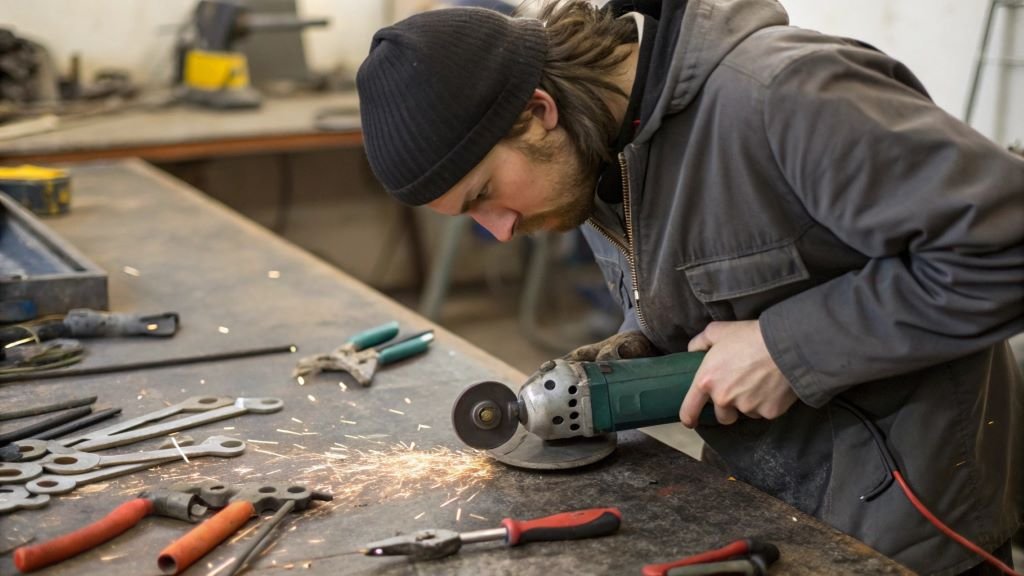
Credit: bestusatools.com
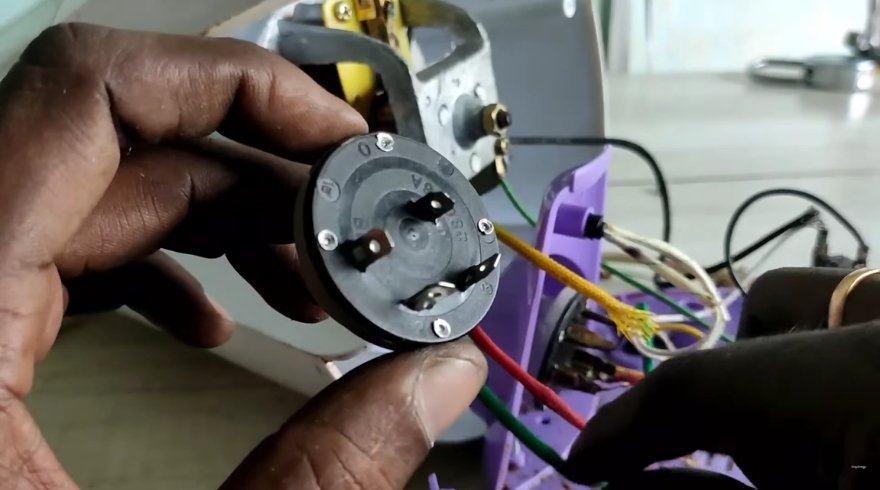
Credit: buymode.shop
Common mistakes that make overheating worse
Some repairs fail because the user solves the symptom, not the cause. These mistakes are very common:
- Using a damaged wheel for “one more job.”
- Running the grinder with too much pressure.
- Ignoring noisy bearings.
- Using a weak extension cord.
- Blocking the vents with dust and debris.
- Assuming heat is normal and doing nothing.
One more mistake is applying oil where it does not belong. Do not spray lubricants into the motor unless the manufacturer says to do so. Oil can attract dust and make airflow problems worse.
If the grinder is overheating in a garage or workshop with poor ventilation, the room itself may also be part of the problem. Moving the grinder to a cooler, cleaner spot can help more than many people expect.
How to keep the motor cool after the fix
Once you solve the overheating issue, a few habits will help prevent it from returning.
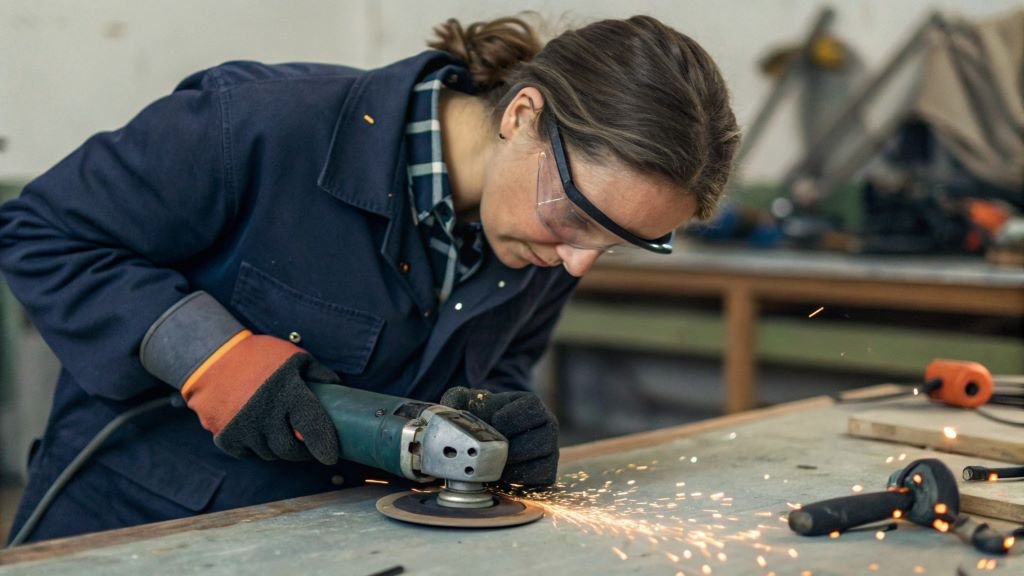
Credit: bestusatools.com
Use the grinder as a light-duty tool
Bench grinders work best when they are used in short bursts. For large stock removal, another tool may be a better choice.
Dress the wheels regularly
A dressed wheel cuts cleaner, needs less pressure, and keeps the motor under lower stress.
Keep the area clean
Dust around the vents, switch, and motor cover builds heat. Clean the grinder often.
Listen for early warning signs
If the sound changes, the speed drops, or the case feels hotter than usual, stop and inspect the grinder before damage gets worse.
These habits are simple, but they matter. A grinder that is used correctly can last for years without major overheating trouble.
When repair is no longer worth it
Not every hot motor should be saved. If the motor windings are burnt, the frame is damaged, or the grinder repeatedly trips breakers after proper checks, replacement may be the smarter choice.
As a general guide, repair is worth trying when the issue is caused by wheels, bearings, airflow, wiring, or a capacitor. Replacement becomes more reasonable when the motor has clear internal electrical damage or the cost of parts and labor is close to the price of a new unit.
A good bench grinder should run with steady speed, moderate warmth, and smooth operation. If yours cannot do that after proper repair, it may be time to move on.
FAQs
1. Is it normal for a bench grinder motor to get warm?
Yes, mild warmth is normal. A motor that becomes very hot, smells burnt, slows down, or shuts off is not normal and needs attention.
2. What is the fastest bench grinder motor overheating fix?
The fastest fix is often to reduce pressure on the wheel and check for blocked airflow. In many cases, overload and poor cooling cause the heat.
3. Can a bad wheel make the motor overheat?
Yes. A damaged, glazed, or unbalanced wheel makes the motor work harder and can raise temperature quickly.
4. Should I replace the bearings if the grinder is noisy?
Yes, if the noise sounds rough, grinding, or squealing. Worn bearings create friction and are a common cause of overheating.
5. When should I stop repairing the grinder and replace it?
Replace the grinder if the motor windings are burned, the unit keeps tripping power protection after proper checks, or repairs cost close to a new grinder.
