
If you work with wires, cables, car audio, or small electronics, you already know one thing: heat shrink tubing is only as good as the heat you use to seal it. A weak tool can leave the tubing loose, uneven, or burned. A good one gives you fast, clean, and reliable results.
That is why choosing the right heat gun for heat shrink tubing matters more than many beginners think. It is not just about high temperature. It is also about airflow control, nozzle shape, safety, and how easy the tool is to handle in tight spaces.
In this guide, you will find top picks, the features that really matter, and a simple buying guide that helps you avoid common mistakes. Whether you are a hobby user or someone who shrinks tubing often, this article will help you choose with confidence.
What makes a heat gun good for heat shrink tubing?
Not every heat gun works well for heat shrink tubing. Some are too powerful and can damage the tubing. Others have poor airflow control and make the heat spread unevenly. The best tools give you enough heat to shrink the tubing quickly, but not so much that you scorch it.
For this job, you want a tool that gives steady heat and feels comfortable in your hand. In many cases, control matters more than raw power. A smaller, more focused heat gun is often better than a large industrial model.
Key features to look for
- Temperature control: Adjustable heat helps you match the tool to the tubing size and material.
- Airflow control: Lower airflow is often better because it prevents the tubing from moving around.
- Nozzle options: Reflector or concentrator nozzles can improve precision.
- Ergonomic grip: A comfortable handle matters when you work for longer periods.
- Safety features: Overheat protection and stable stands help reduce accidents.
- Weight and size: A lighter tool is easier to use in cramped areas.
One detail beginners often miss is that air speed matters almost as much as temperature. Too much airflow can blow small tubing out of place before it shrinks evenly. This is especially important for tiny wire repairs, audio cables, and delicate electronics.
Another thing people ignore is nozzle shape. A wide open nozzle can heat a large area, but it may also warm nearby parts you do not want to touch. A focused nozzle keeps heat where it belongs and makes the job cleaner.
Top picks for heat shrink work
The best heat gun for heat shrink tubing depends on how often you use it and what kind of work you do. Below are strong options that cover different needs, from simple home repairs to more serious daily use.
| Model | Best for | Why it stands out |
|---|---|---|
| Wagner HT1000 | General home and hobby use | Reliable, easy to use, good heat control |
| DeWalt D26960K | Frequent use and jobsite work | Strong build, adjustable settings, good durability |
| Milwaukee M18 Compact Heat Gun | Battery-powered convenience | Cordless design, fast heat-up, mobile use |
| Master Appliance HG-501D | Precision and long-term use | Stable output, professional-quality performance |
| BLACK+DECKER HG1300 | Budget buyers | Simple, affordable, and good for light tasks |
1. Wagner HT1000
The Wagner HT1000 is a practical choice for people who want a dependable tool without paying too much. It offers two temperature settings and a simple design that is easy to understand. For heat shrink tubing, that simplicity can be a good thing.
This model works well for basic electrical projects, wire repairs, and home use. It heats up quickly and gives enough control for most common tubing sizes. It is not the most advanced gun on the market, but it is one of the easiest to trust for regular light work.
Why it is a good pick: It balances price, control, and ease of use better than many cheap tools.
2. DeWalt D26960K
The DeWalt D26960K is a stronger choice if you need a heat gun often. It has more adjustability than many budget models and is built for longer use. The design feels solid, which matters when you are using it in a workshop or on a jobsite.
For heat shrink tubing, its stable heat output is a major advantage. You can handle different tubing sizes more easily, and the tool remains comfortable during longer tasks. It is a smart option if you want something that feels professional.
Best for: Users who want durability and more precise control.
3. Milwaukee M18 Compact Heat Gun
If you value mobility, the Milwaukee M18 Compact Heat Gun is a strong option. Being cordless makes it useful in places where an outlet is hard to reach. This is very helpful for vehicle work, outdoor repairs, or mobile maintenance.
It reaches working temperature fast and is handy for quick shrink jobs. The cordless design is one of its biggest strengths, but it also means you should keep battery life in mind if you plan to use it for longer sessions.
Best for: People who move between work areas and want less cable clutter.
4. Master Appliance HG-501D
The Master Appliance HG-501D is a professional-grade tool with a strong reputation for consistency. If you do a lot of shrink tubing work, consistency matters because it helps you avoid overheating and uneven results.
This heat gun is a solid choice for users who want better control and dependable output. It is often favored in repair shops and industrial settings because it feels stable and predictable. That predictability is valuable when you care about clean results every time.
Best for: Serious users who want a dependable, long-lasting tool.
5. BLACK+DECKER HG1300
The BLACK+DECKER HG1300 is a budget-friendly option for simple tasks. It is a reasonable choice if you only shrink tubing now and then and do not want to spend much. For light home projects, it can be enough.
It is not the most advanced model, but it gets the job done for basic wire work. If your needs are limited and you mainly want a low-cost tool for occasional repairs, this one is worth a look.
Best for: Light use and buyers who want to keep costs low.
Which type of user needs which heat gun?
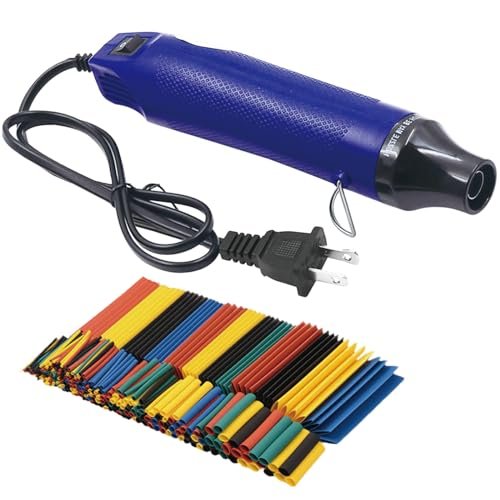
The best tool for you depends on how you work. A person fixing a few wires at home does not need the same tool as a technician who shrinks tubing every day. Matching the tool to the task saves money and improves results.
Credit: amazon.com
For home DIY users
If you do small repairs, choose a heat gun that is simple, safe, and not too powerful. Two heat settings are often enough. You want something easy to control, because small projects need care more than brute force.
For car audio and vehicle wiring
Car work often involves tight spaces. A compact tool or cordless model can be very helpful. You also want quick heat response because vehicle repairs are often done in awkward positions where holding the tool for too long becomes annoying.
For electronics and precision work
Precision matters most here. A focused nozzle, low airflow, and stable heat output are important. Too much heat can damage nearby parts. This is where many beginners make mistakes, because they think higher heat means faster work. In electronics, slower and more controlled is often better.
For professional or daily use
If you use heat shrink tubing every day, comfort and consistency become top priorities. A stronger build, better grip, and dependable performance are worth paying for. Cheap tools often wear out too fast or become unreliable under frequent use.
Buying guide: how to choose the right heat gun
When buying a heat gun for heat shrink tubing, it helps to think about the real work you will do. A shiny product page can distract you from what actually matters. Focus on the features that affect shrink quality, safety, and ease of use.
Temperature range
Most heat shrink tubing does not need extreme heat, but different tubing types do shrink at different temperatures. A tool with adjustable settings gives you more flexibility. This is important if you work with both small wires and larger cable bundles.
One useful rule: choose control over maximum heat. Very high heat is not a benefit if it makes the tubing bubble or split.
Airflow and heat focus
Airflow often gets ignored, yet it affects the finish more than many people realize. A strong blast can move the tubing before it seals. A gentle, focused stream gives you better results and helps protect nearby parts.
If you work around connectors, heat-sensitive insulation, or small plastic parts, this feature matters a lot.
Nozzle compatibility
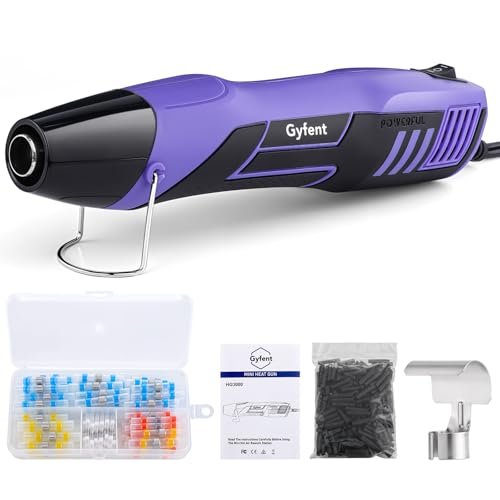
Some heat guns come with nozzle attachments, while others do not. A concentrator nozzle helps direct heat onto one point. A reflector nozzle can wrap heat around the tubing more evenly. These small accessories can improve the quality of the final result.
If you already know you will work on narrow wires or detailed repairs, choose a model that supports useful attachments.
Power source: corded or cordless
Corded models usually give steady power and are often cheaper. They are a good choice if you work in one place. Cordless models offer freedom and are easier to carry. They are useful on ladders, in cars, or in places without easy outlet access.
The right choice depends on your work style. If you shrink tubing often at a bench, corded makes sense. If you move around a lot, cordless may be better.
Safety features
Heat guns get hot fast, so safety should never be an afterthought. Look for overload protection, a stable stand, and a design that keeps the body from becoming too hot to handle. A longer cooling process can also improve tool life.
Also, never forget workspace safety. Keep flammable items away and avoid using the gun in tight spaces with poor airflow.
Weight and grip
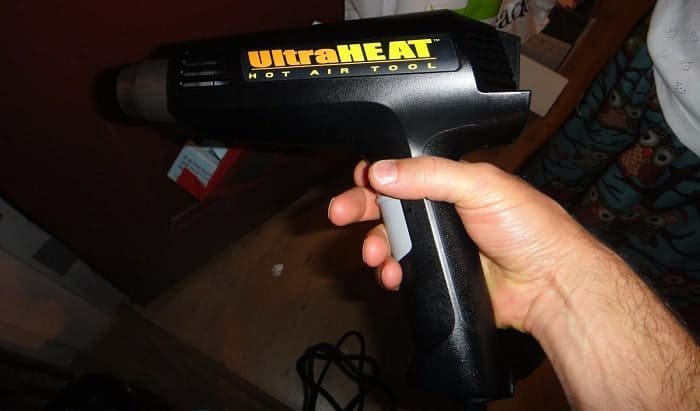
Light tools are easier to control. A comfortable handle also helps reduce hand fatigue. This may seem minor, but it becomes important if you work on many cables in one session.
When the tool feels balanced, your hand stays steadier. That means more even shrinking and fewer mistakes.
Common mistakes buyers make
Many people buy the first heat gun they find, then discover it is not right for shrink tubing. A few common mistakes keep showing up.
- Choosing too much power: More heat is not always better. Excess heat can damage tubing and nearby parts.
- Ignoring airflow: A strong hot blast can push small tubing out of position.
- Buying only for price: Cheap models may work once in a while, but poor control often leads to wasted materials.
- Forgetting nozzle shape: The right nozzle can make a simple job much easier and cleaner.
- Overlooking comfort: A tool that feels bad in your hand becomes tiring fast.
Another less obvious mistake is assuming all heat shrink tubing is the same. Some tubes shrink quickly, while others need more careful, steady heat. If you use different tubing types, a tool with better control becomes much more valuable.
Credit: classicparker.com
How to use a heat gun for heat shrink tubing safely
Good tools help, but technique matters too. Even a strong heat gun can give poor results if you use it the wrong way. A careful process gives cleaner sealing and a better finish.
- Slide the tubing into position before heating.
- Use the lowest heat setting that does the job.
- Keep the gun moving slowly so the heat spreads evenly.
- Hold the gun a safe distance from the tubing, usually a few inches away.
- Watch for a smooth, tight fit instead of waiting too long.
- Let the tubing cool before touching or testing the joint.
Do not point the gun at one spot for too long. That can cause burning, shrinking too fast, or damage to insulation. Slow, even passes usually work better than trying to force the result quickly.
If you want a trusted safety reference for general heat gun use, the Occupational Safety and Health Administration (OSHA) is a useful authority for workplace safety practices.
Features that are worth paying extra for
Not every upgrade is useful, but some are worth the money if you use the tool often. These features usually improve real-world performance.
Variable temperature dial
A dial gives better control than only one or two fixed settings. This is useful if you work on different tube sizes or materials. It also helps when you need to avoid overheating delicate parts.
Built-in stand
A built-in stand lets the gun rest safely while cooling. This can seem small, but it helps prevent accidental burns and makes workflow easier on a bench.
Cool-down mode
Some models keep air moving after use to cool the heating element. This can improve tool life and reduce wear over time. For frequent users, this is a smart feature.
Replaceable nozzles
Being able to change nozzles gives you more flexibility. You can use one setup for broad heating and another for tight spots. That makes the tool more useful across different jobs.
What beginners usually miss
New buyers often think the main question is, “How hot does it get?” In reality, how controlled the heat feels matters more for shrink tubing. A smaller, steadier tool can outperform a more powerful one if it is easier to guide.
They also miss the value of practice. The first few times you use a heat gun, your result may not be perfect. That is normal. The goal is to learn how close to hold the tool, how fast to move it, and when the tubing has shrunk enough.
Another useful point is that the right heat gun can save time, but only if you use it with patience. Rushing often causes rework, and rework costs more time than doing it right the first time.
Credit: galvinpower.org
Final thoughts on choosing the best option
The best heat gun for heat shrink tubing is the one that gives you control, comfort, and consistent heat. For light home work, a simple model may be enough. For daily use or precision tasks, spend more on a tool that offers better control and durability.
If you remember only one thing, remember this: precision beats power for heat shrink jobs. The right heat gun should make the tubing shrink smoothly, seal tightly, and protect the wire underneath. That is what a good tool is really for.
FAQs
1. What temperature should I use for heat shrink tubing?
Most heat shrink tubing works well at moderate heat, not maximum heat. Start with a lower setting and increase only if needed. The right temperature depends on the tubing material, so always check the product details when possible.
2. Can I use a regular hair dryer instead of a heat gun?
A hair dryer is usually not hot enough or focused enough for proper heat shrink tubing. It may work on some very light jobs, but a real heat gun gives better shrinking, better control, and a more reliable seal.
3. Is a cordless heat gun good for shrink tubing?
Yes, a cordless model can work very well, especially for car repairs and jobs away from an outlet. Just make sure the battery life is enough for your work, since longer sessions may need spare batteries.
4. How close should I hold the heat gun to the tubing?
Usually, a few inches away is a safe starting point. Keep the gun moving so the heat spreads evenly. If you hold it too close, the tubing can burn or shrink too fast.
5. What is the biggest mistake people make when shrinking tubing?
The most common mistake is using too much heat or staying in one spot too long. This can damage the tubing and the wire below it. Slow, even heating usually gives the cleanest result.
