
If you have ever seen a wall full of small holes with hooks, bins, or shelves attached, you have seen a pegboard in action. It looks simple, but it can change how a space works. A pegboard helps you store tools, craft items, kitchen tools, office supplies, and many other things in a neat and easy way.
So, what is a pegboard? In simple words, it is a flat board with evenly spaced holes. You add hooks, pegs, shelves, baskets, and holders into those holes. This gives you a flexible wall storage system that can be changed anytime. That is why many people use it at home, in garages, workshops, stores, and even small apartments.
The real value of a pegboard is not only storage. It also helps you see your items clearly, reach them faster, and keep your space from becoming messy. In this guide, you will learn how pegboards work, where they are used, the benefits they offer, and how to organize them well.
How a Pegboard Works
A pegboard is built for simple, vertical storage. The board itself is usually made from wood, metal, or hardboard. Small holes are arranged in a regular pattern across the surface. Special hooks and accessories fit into these holes and hold your items in place.
The system is easy, but there is a smart idea behind it. Instead of using fixed shelves or drawers, a pegboard lets you move storage parts around. If your needs change, you do not need a new wall unit. You only change the hooks, baskets, or shelf positions.
This flexibility is one reason pegboards are so popular. A tool setup today can become a craft station tomorrow. A kitchen setup can later be used for office storage. The board stays the same, but the purpose can change quickly.
Main Parts of a Pegboard Setup
- Pegboard panel: The main board with holes.
- Hooks and pegs: Pieces that hold items.
- Spacers or mounting hardware: Parts that keep the board slightly away from the wall so hooks can fit properly.
- Accessories: Small shelves, bins, baskets, clips, and holders.
A pegboard works best when it is mounted securely and matched with the right accessories. A weak setup can sag, shift, or become hard to use. A strong setup lasts much longer and holds more weight safely.
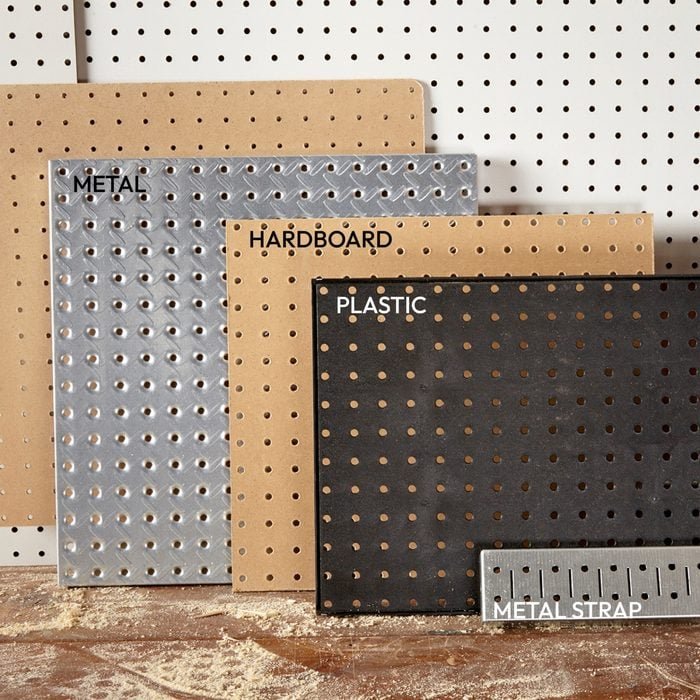
Common Types of Pegboards
Not all pegboards are the same. The best choice depends on what you want to store and where you want to use it.
| Type | Best For | Main Benefit |
|---|---|---|
| Hardboard pegboard | Light tools, crafts, home use | Low cost and easy to find |
| Metal pegboard | Heavy tools, garage, workshop | Strong, durable, and long-lasting |
| Wood pegboard | Decor, office, stylish storage | Warm look and custom feel |
| Plastic pegboard | Light storage, humid spaces | Lightweight and easy to clean |
One detail many beginners miss is that the material affects more than looks. It also affects weight capacity, moisture resistance, and the type of hooks you can use. A board that works in a dry office may not be the best choice for a humid garage or laundry room.
Which One Should You Choose?
If you need a pegboard for heavy items like hammers, drills, or large kitchen tools, metal is often the safest choice. If you want a simple and low-cost setup for light items, hardboard can work well. If appearance matters most, wood is often the best fit.
Think about the weight of the items first. Then think about the room. A pegboard near water, heat, or dust needs a tougher material than one in a clean indoor space.
Where Pegboards Are Used Most
Pegboards are useful in many places because they save space and make items easy to see. Here are the most common uses.
Garage and Workshop
This is the classic pegboard use. Tools stay visible, easy to grab, and easy to return after use. A well-planned wall can hold screwdrivers, wrenches, pliers, tape rolls, and even power tools.
In workshops, pegboards help reduce clutter on benches. That gives you more working space and fewer lost tools. For people who repair things often, this can save a lot of time.
Kitchen
A pegboard in the kitchen can hold pans, utensils, cups, mugs, and small baskets for spices or packets. It works especially well in small kitchens where cabinet space is limited.
One smart idea is to keep often-used items at eye level and less-used items higher up. That way, the board supports your cooking routine instead of slowing it down.
Office or Study Area
In an office, a pegboard can hold notebooks, headphones, scissors, pens, chargers, and small storage boxes. It keeps the desk clean while still keeping supplies within reach.
This is also helpful for people who work from home. A pegboard can create a simple “command center” for daily tasks, notes, and small equipment.
Craft Room
For crafters, pegboards are very useful. They can hold ribbons, scissors, thread, glue guns, paint brushes, and other small items. Because everything is visible, it becomes easier to start and finish projects without searching through drawers.
Another benefit is that craft supplies change often. Pegboards make it easy to rearrange storage as your hobbies grow.
Retail and Display Areas
Stores use pegboards to display products in a neat and flexible way. Items can be moved around quickly based on stock, season, or display style. This makes pegboards useful for both storage and presentation.
Benefits of Using a Pegboard
There are many reasons people choose pegboards over cabinets or shelves. The biggest advantage is flexibility, but that is only one part of the story.

Credit: istockphoto.com
1. Saves Space
When you use wall space, you free up floor space and counter space. This is very useful in small rooms, garages, and work areas. Instead of spreading items across a table or shelf, you move them to the wall.
2. Keeps Items Easy to See
With a pegboard, your tools or supplies are visible at a glance. This reduces time spent searching. It also helps you notice when something is missing.
3. Makes Cleaning Easier
It is easier to clean a space when items are off the surface. A pegboard keeps many things up and out of the way, so dusting and wiping become simpler.
4. Adapts to New Needs
You can move hooks and accessories at any time. This is a major advantage over fixed shelves. Your storage can grow with your needs.
5. Improves Work Speed
When items are arranged well, you waste less time looking for them. This is useful in garages, kitchens, and offices. Fast access often means better work flow.
6. Can Look Attractive
A pegboard does not have to look plain. With the right material, color, and layout, it can become part of the room design. A wooden pegboard in a home office, for example, can look clean and modern.
Here is a less obvious insight: pegboards are often better than closed storage when you want to build a habit. If you can see the item, you are more likely to put it back. That small visual reminder can make a big difference in long-term organization.
How to Choose the Right Pegboard
Before buying a pegboard, it helps to think beyond size. A board that looks good in the store may not work well in your space if the material, hole style, or accessories are wrong.
Check the Weight You Need to Hold
This is one of the most important points. Light items like pens or scissors need little support. Heavy items like drills or cast iron tools need stronger material and stronger mounting.
If you are not sure, choose a stronger board than you think you need. Many people choose a board based only on price, then later find it cannot handle their items well.
Match the Board to the Room
A humid room may need metal or coated plastic. A dry indoor room may work fine with hardboard. If style matters, wood may be worth the extra cost.
Think About Hole Spacing and Compatibility
Most standard pegboards use common spacing, but not every accessory fits every board well. Some systems are more flexible than others. Before buying many hooks and bins, check that they match the board you choose.
Consider Mounting Space
The board needs enough wall area, but it also needs space behind it for hooks to sit properly. If you mount it too flat against the wall, the accessories may not fit or may wobble.
One detail beginners often miss is lighting. A pegboard in a dark corner can still become messy because you cannot see items well. If possible, place it where light reaches it, or add task lighting nearby.
Smart Pegboard Organization Tips
Good organization makes a pegboard useful. A poorly planned board can still become cluttered. The goal is to create a setup that feels natural every day.
Credit: familyhandyman.com
Group Similar Items Together
Keep like items in the same area. For example, put all cutting tools together, all writing tools together, or all screwdrivers together. This makes the board easier to understand.
Place the Most Used Items at Eye Level
Items you use daily should be easy to reach without stretching or bending. Less-used items can go higher or lower.
Leave Some Empty Space
Do not fill every hole. Empty space makes the board easier to read and easier to change later. It also prevents a crowded look.
Use Labels When Needed
Labels help in shared spaces. In a family garage, office, or classroom, labels reduce confusion and help people put items back in the correct place.
Use Containers for Small Items
Small parts can disappear quickly if they are only hung on hooks. Use bins, cups, or small boxes for tiny objects like screws, clips, chalk, or markers.
Keep Weight Balanced
Do not overload one side of the board. Spread heavy items across the wall to reduce strain. This helps the board stay secure and look neat.
Revisit the Layout After a Week or Two
Your first arrangement may not be the best one. After using the board for a while, you will see what works and what does not. Adjust it based on real use, not only on your first idea.
A second useful insight many people miss is that a pegboard should reflect your habits, not just your items. If you always return scissors to one side of the room, place them where your hand naturally goes. Good organization follows behavior. It does not fight it.
Common Mistakes to Avoid
Even a good pegboard can fail if it is set up badly. These mistakes are easy to avoid once you know them.
Choosing the Wrong Hooks
Not all hooks are made for all items. A hook that is too short or too shallow can let tools fall. A hook that is too weak can bend under weight.
Mounting the Board Poorly
A pegboard must be mounted solidly. If it moves, tilts, or sags, it becomes less useful and less safe. Use proper spacers and wall anchors when needed.
Overloading the Board
It can be tempting to hang everything on one board, but too much weight can damage the setup. Respect the limits of the board and the wall behind it.
Making the Layout Too Dense
If items are packed too tightly, it becomes hard to remove and replace them. Give each item enough room.
Ignoring Future Needs
People often organize only for today. But storage should also support tomorrow. Leave room for new tools, supplies, or seasonal items.
How to Make a Pegboard Look Better
Function matters most, but appearance also matters, especially in living spaces. A pegboard can look neat and stylish with a few simple choices.
- Choose a color that matches the room.
- Use matching bins and hooks.
- Keep the arrangement clean and balanced.
- Mix open hooks with closed containers for visual order.
- Do not overcrowd the surface.
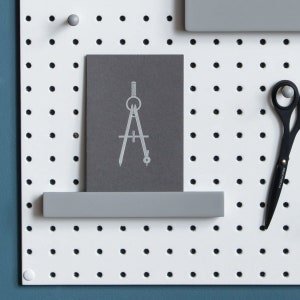
If you want a more polished look, choose a board with a frame or paint the wall behind it. Even small design choices can make the whole setup feel more intentional.
For more general guidance on wall storage safety and home organization ideas, you can also review information from Family Handyman.
Credit: etsy.com
Is a Pegboard Right for You?
A pegboard is a smart choice if you want flexible, visible, and space-saving storage. It works especially well when you need to change your layout often. That makes it ideal for tools, crafts, kitchen items, office supplies, and small retail displays.
It may not be the best choice if you want hidden storage or if your items are very heavy and need deep support. In those cases, cabinets or shelving may work better. Still, for many homes and workspaces, a pegboard offers a simple solution that is hard to beat.
If you want a storage system that is easy to adjust and easy to use, a pegboard is one of the most practical options you can choose.
FAQs
1. What is a pegboard used for?
A pegboard is used for wall storage and organization. People use it to hold tools, kitchen items, office supplies, craft materials, and other small objects that need to stay easy to see and reach.
2. Can a pegboard hold heavy items?
Yes, but it depends on the board material, mounting method, and hooks you use. Metal pegboards usually handle heavier items better than hardboard. Always check the weight limit before loading the board.
3. Do pegboards need spacers?
Yes, in most cases they do. Spacers create a small gap between the board and the wall so hooks can fit properly. Without that gap, the accessories may not sit correctly.
4. Are pegboards good for small spaces?
Yes, pegboards are very good for small spaces because they use wall space instead of floor space. They help keep items off desks, counters, and shelves, which makes the room feel more open.
5. What is the best material for a pegboard?
The best material depends on your needs. Metal is best for strength, wood is best for style, and hardboard is best for low cost. Choose the one that matches your storage needs and room conditions.
