
If you have ever stood in a hardware store and stared at two similar tools, you are not alone. A regular drill and a hammer drill can look almost the same. But they do very different jobs. Choosing the wrong one can waste time, drain the battery, and make drilling feel much harder than it should be.
The simple rule is this: a regular drill is best for wood, metal, plastic, and light home tasks. A hammer drill is better when you need to drill into hard materials like brick, concrete, or masonry. Still, the right choice is not always so obvious. Some projects need power. Others need control. And in many homes, one tool is used far more often than the other.
This guide will help you use hammer drill regular drill decisions with confidence. You will learn what each tool does, when to use it, when to avoid it, and how to choose the best one for your work. By the end, you will know which drill belongs in your hand for each job.
What makes these two drills different
At first glance, both tools spin a drill bit to make holes. That is the part most people understand. The big difference is how they handle resistance.
A regular drill only rotates the bit. It is simple, smooth, and good for materials that are not too hard. A hammer drill also rotates, but it adds a fast pounding motion. This helps break up tough material while the bit turns. Think of it like tiny hits happening many times per second.
This extra impact is the reason a hammer drill feels stronger in concrete or brick. But that same pounding can be a bad idea for soft or delicate materials. It can cause rough holes, cracks, or poor control.
So the choice is not about which tool is “better.” It is about which tool matches the material and the task.
Regular drill: where it works best
A regular drill is the better choice when you need clean, controlled holes in softer or thinner materials. It is also a good tool for driving screws, especially when used with the right clutch setting.
- Wood
- Plastic
- Drywall
- Thin metal sheets
- Cabinet work
- Furniture assembly
One big benefit of a regular drill is precision. It is easier to start a hole exactly where you want it. It is also less likely to damage the surface. For small home projects, this is often the most useful drill to own.
Hammer drill: where it earns its place
A hammer drill is made for harder surfaces. The impact action helps the bit bite into materials that would slow down a regular drill very quickly.
- Brick
- Concrete
- Stone
- Masonry blocks
- Mortar joints
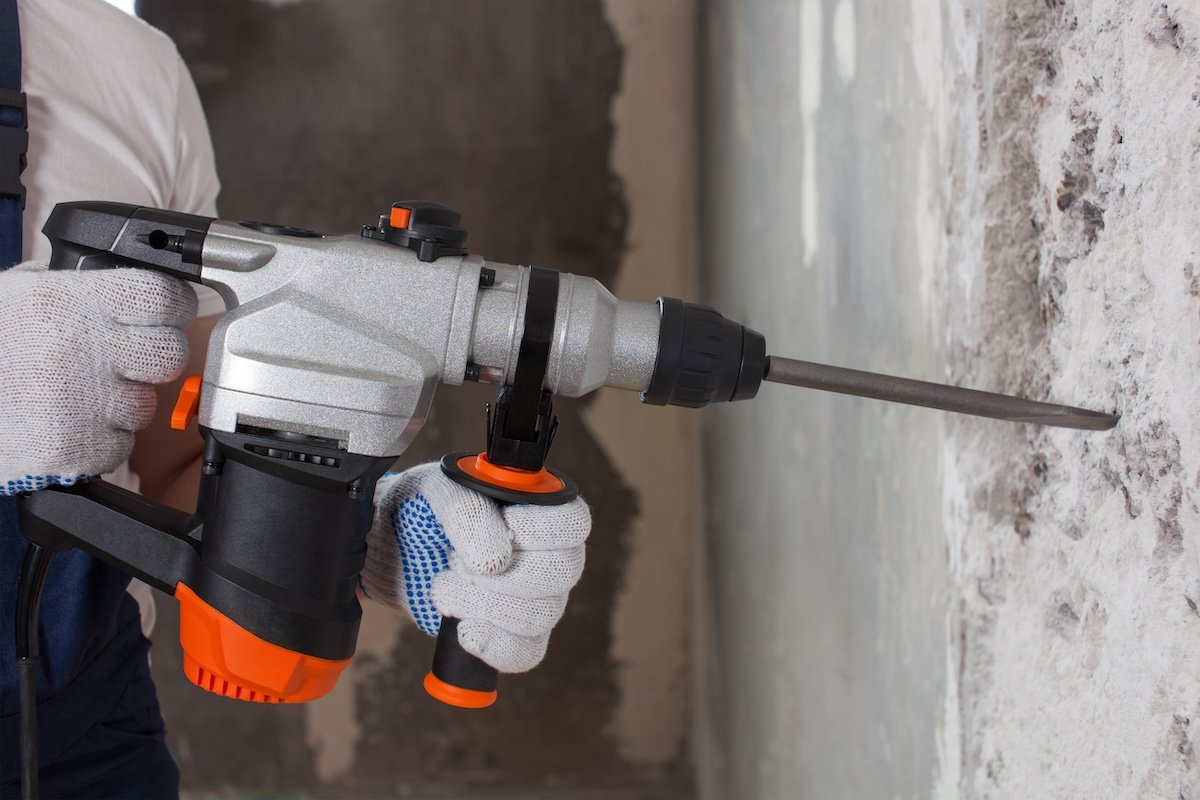
It is a strong choice for installing shelves on masonry walls, setting anchors, attaching outdoor fixtures, and drilling pilot holes for wall plugs. If you try to drill concrete with a regular drill, you may get nowhere or wear out the bit too fast.
For this kind of work, the hammer drill is not just helpful. It is often the practical tool for the job.
How to decide which tool to use for your project
The best way to choose is to look at three things: the material, the hole size, and how often you plan to do that kind of work.
1. Start with the material
This is the most important point. If the surface is soft, use a regular drill. If the surface is hard and brittle, use a hammer drill.
For example, if you want to hang a wood shelf on a wooden stud, a regular drill is enough. If you want to mount a bracket into a brick wall, the hammer drill is the better tool.
2. Think about hole quality
When the hole must look neat or be very accurate, a regular drill usually gives better control. The hammer action can make the hole a little rough, especially at the start. That does not matter much in concrete, but it can be a problem in softer surfaces.
This is one of the details beginners often miss. A hammer drill is powerful, but power is not the same as precision.
3. Consider how often you will use it
If you only drill into masonry once or twice a year, buying a hammer drill may not be necessary. A regular drill might be enough, and you can rent a hammer drill when needed.
If you do home renovation, outdoor mounting, or installation work often, a hammer drill can save a lot of time and effort. Over time, that convenience can matter more than the price difference.
When a regular drill is the smarter choice
People often assume a hammer drill is more powerful, so it must be the better pick. That is not true for many everyday jobs.
A regular drill is smarter when the material is easy to drill and you want better control. It is also the better choice for driving screws, especially when a clutch setting is needed to avoid overdriving.
Use a regular drill for:
- Hanging curtain rods in wood
- Assembling flat-pack furniture
- Drilling starter holes in softwood
- Working on plastic organizers or panels
- Making holes in metal sheets with the right bit
There is also a less obvious benefit: a regular drill is usually easier on your arms and wrists. The hammer action creates more vibration. If you are working for a long time, that can become tiring.
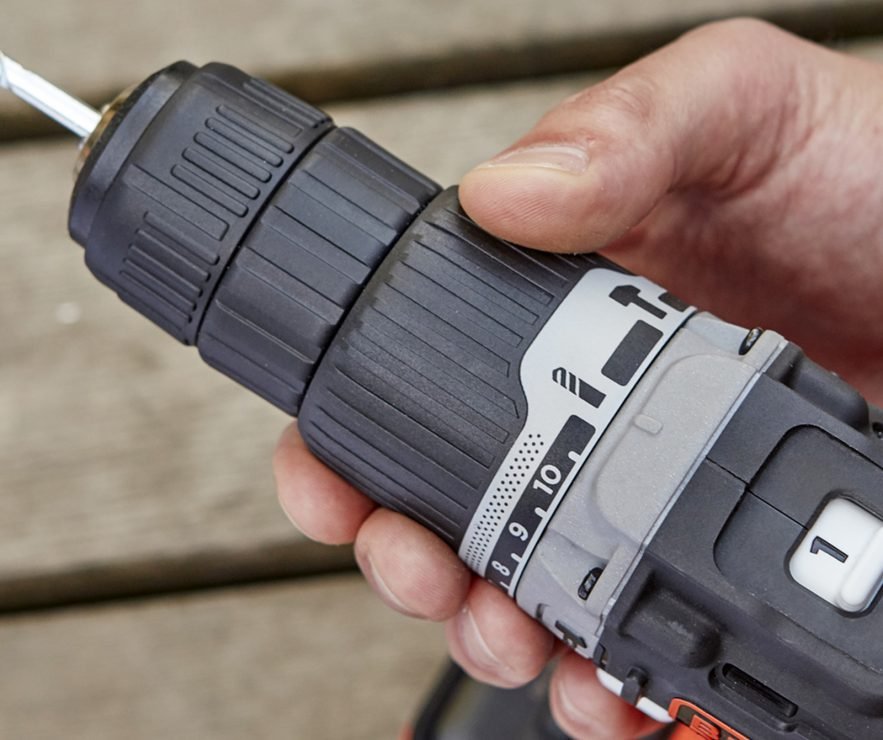
Another detail many beginners miss is bit wear. If you use hammer mode on the wrong material, you do not just risk a bad hole. You may also shorten the life of your bit or damage the surface.
Credit: tooled-up.com
When a hammer drill is the better choice
If your project includes masonry, the hammer drill is usually worth it. Concrete and brick are not just hard. They are also abrasive. They fight back against the bit. That is why the impact action matters so much.
Use a hammer drill for:
- Installing anchors in concrete
- Mounting a TV bracket on a brick wall
- Drilling holes for outdoor fixtures
- Setting fasteners in masonry blocks
- Light renovation work in hard walls
Here is another useful point: a hammer drill can often replace a regular drill in many light jobs, but it is not always the best replacement. It may be heavier, louder, and more expensive. If you only need a drill for indoor furniture or basic home use, the extra features may not help much.
Also, a hammer drill is only useful when the hammer function is turned on. Without that setting, it can work like a normal drill. But if the tool is bulky and mainly made for tough jobs, it may still feel less comfortable for small tasks.
A simple side-by-side view
| Feature | Regular Drill | Hammer Drill |
|---|---|---|
| Main action | Rotation only | Rotation plus hammering |
| Best for | Wood, plastic, metal, light home work | Brick, concrete, masonry |
| Hole control | Usually better | Good, but rougher in soft materials |
| Comfort | Often lighter and easier to handle | Can be heavier and more tiring |
| Noise and vibration | Lower | Higher |
| Cost | Usually lower | Usually higher |
This comparison makes one thing clear: the best tool depends on the job, not on the idea of “stronger” or “better.”
Common mistakes people make when they use hammer drill regular drill tools
Many drilling problems happen because people use the right tool in the wrong way, or the wrong tool for the material.
Using hammer mode on soft material
This is one of the biggest mistakes. Hammer mode can tear up wood, crack tile, or make a sloppy hole in drywall. If the material is not masonry, start without hammer action unless you have a very specific reason to use it.
Choosing speed over control
Drilling faster is not always better. Too much speed can overheat the bit, burn the material, or make the hole wander off-center. Begin slowly, especially when starting a hole.
Using the wrong bit
A hammer drill needs masonry bits for concrete and brick. A regular twist bit is not built for that kind of impact. It may dull quickly or fail to drill properly.
This is a non-obvious issue beginners often miss: the drill itself matters, but the bit matters just as much. A great tool with the wrong bit still performs badly.
Forgetting to match the anchor to the wall
If you drill into masonry but use the wrong anchor, the screw may loosen later. The hole size must match the anchor size. This is especially important for shelves, mirrors, and brackets.
What to look for before buying either drill
If you are still deciding what to buy, focus on real use instead of marketing claims. Some tool labels sound impressive but do not help you much in daily work.
Credit: bobvila.com
Weight and balance
A drill that feels good in your hand is easier to control. This matters more than many people think. A heavy tool can make overhead work harder and less safe.
Chuck type and size
The chuck holds the bit. Most home drills use a 3/8-inch or 1/2-inch chuck. A larger chuck can handle bigger bits, but it may add weight. Think about the size of the projects you actually do.
Speed settings
Multiple speed settings help you work on different materials. Lower speeds often give better control for screws and larger bits. Higher speeds can help with faster drilling in lighter materials.
Hammer mode quality
If you choose a hammer drill, look for a model with a clear, easy-to-switch hammer function. The best hammer drill is not just one with impact. It is one that lets you switch modes without confusion.
Power source
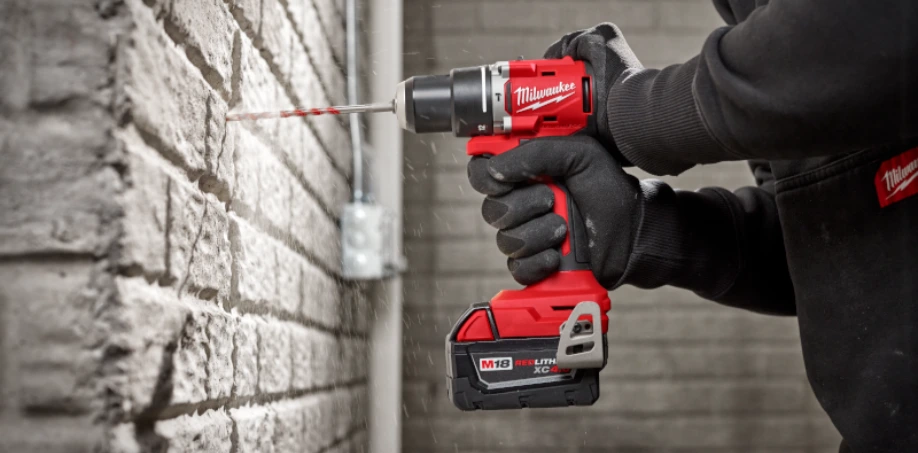
Corded drills usually offer steady power and are good for longer jobs. Cordless drills are more flexible and easier to move around. If you work outdoors or in places without easy power access, cordless may be better. For heavy masonry jobs, corded models often keep performance more stable.
Which one should most homeowners buy first?
For most people, a regular drill is the first tool to buy. It covers more everyday tasks. It is easier to use. It is lighter. And it is usually enough for furniture, shelves in wood, light metal work, and simple repairs.
That said, if your home has concrete walls, brick surfaces, or outdoor mounting work, a hammer drill may be more valuable. In some homes, it becomes the tool that solves the hardest jobs quickly.
If your budget allows for only one tool, choose based on your walls and projects. Here is the simplest way to decide:
- Mostly wood, drywall, plastic, and general home tasks: buy a regular drill first.
- Mostly brick, concrete, and masonry: buy a hammer drill first.
- A mix of both: a hammer drill with a switchable mode may be the best all-around choice.
This is another point many people overlook: you do not need the most powerful tool. You need the tool that solves the largest share of your real jobs.
How to get better results with either drill
Good results come from good habits. The drill matters, but technique matters too.
Mark the spot first
Use a pencil or marker before drilling. A small mark can save you from crooked holes and repeated mistakes.
Start with light pressure
Do not force the drill. Let the bit cut at its own pace. Too much pressure can cause slipping or damage the material.
Use the right bit for the material
Wood bits, metal bits, and masonry bits are made for different surfaces. Using the correct one improves speed and reduces wear.
Keep the bit straight
A straight entry gives a cleaner hole. If the bit starts at an angle, the hole may wander or widen.
Clear dust during masonry work
Concrete dust can build up in the hole and slow drilling. Pull the bit out once in a while to clear the dust and keep the work moving.
These small steps make a bigger difference than many beginners expect. They also help you work with less strain and better accuracy.
Final choice: use hammer drill regular drill based on the task
If you want the shortest answer possible, here it is: use a regular drill for softer materials and everyday tasks. Use a hammer drill for brick, concrete, and masonry. That simple rule will solve most cases.
But the better answer is to think about the project, not just the tool. The best drill is the one that matches the surface, gives the right amount of control, and does not make the job harder than it needs to be.
When you use hammer drill regular drill knowledge the right way, you save time, protect your materials, and get cleaner results. That is true whether you are hanging a shelf, building furniture, or drilling into a concrete wall.
For deeper tool definitions and safety basics, you can also check OSHA for general workplace safety guidance.
Credit: midlandtool.com
FAQs
1. Can a hammer drill replace a regular drill?
Yes, in many cases it can. A hammer drill can usually work like a regular drill when hammer mode is turned off. But it may be heavier and less comfortable for small jobs.
2. Can I use a regular drill on concrete?
You can try, but it is usually slow and difficult. A regular drill is not built for hard masonry. For concrete, a hammer drill is the better choice.
3. Is a hammer drill good for wood?
It can drill wood if hammer mode is off, but a regular drill is often better. It gives more control and a cleaner hole in soft materials.
4. What bit should I use with a hammer drill?
Use masonry bits for brick, concrete, and stone. For wood or metal, switch hammer mode off and use the correct standard bit for that material.
5. Which drill is best for home use?
For most homes, a regular drill is the best first choice because it handles many everyday tasks. If your home has concrete or brick walls, a hammer drill may be more useful.
