
If you are shopping for a sidewinder, the choice can feel simple at first. Then you notice that some saws place the blade on the left, while others place it on the right. That small difference changes how you see the cut, how you hold the saw, and how safe and comfortable it feels in daily use.
The left handed vs right handed circular saw debate is really about visibility, control, and habit. One style is not automatically better for everyone. The best choice depends on your cutting style, the material you work with, and whether you are right-handed or left-handed yourself.
In this guide, you will learn how sidewinder saws work, what the blade position changes, and how to choose the best setup for your hands and your projects. If you know these details, you can buy with more confidence and avoid a saw that feels awkward from the first cut.
How blade position changes the way a sidewinder feels
A sidewinder circular saw places the motor beside the blade instead of behind it. That makes it lighter, shorter, and easier to move than a worm drive saw. Within sidewinders, the main difference is blade position.
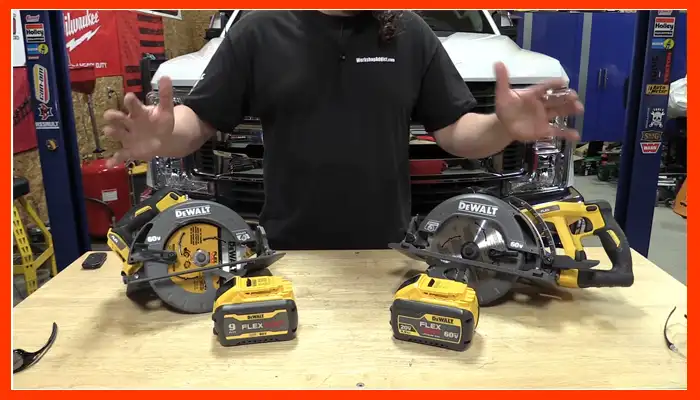
On a left-blade saw, the blade sits on the left side of the motor. On a right-blade saw, the blade sits on the right side. This changes which side of the shoe you see while cutting, and that affects line-of-cut visibility.
For many users, this is the biggest practical issue. A saw can have excellent power, good balance, and a sharp blade, but if you cannot see the cut line well, it will still feel hard to trust.
Why visibility matters so much
When you cut wood, you usually want the blade, cut line, and waste side to stay easy to track. If the blade blocks your view, you may drift off the line. That can lead to rough edges, wasted material, or extra sanding later.
Good visibility also helps you work faster. You do not need to stop and check your line as often. That is one reason many users have a strong preference for one side over the other.
What changes for left-handed users
Left-handed users often assume a left-blade saw is the best match, but that is not always true. Some left-handed users prefer a right-blade saw because they like how the saw lines up with their body, or because they learned on that style early in life.
The real question is not only which hand you use. It is also which side you prefer to keep near the cut line, and how your eyes naturally track the blade.
What changes for right-handed users
Right-handed users often find left-blade saws easier to follow on standard cuts, especially when cutting with the waste side to the right. The blade is farther from the motor housing on the viewing side, so the cut line can look more open and easier to follow.
Still, some right-handed users stick with right-blade saws because they are used to them. Comfort from experience matters more than theory in real work.
The practical differences most buyers miss
Many buyers focus only on blade side, but several other details shape the real experience. These are the parts beginners often miss when comparing a left handed vs right handed circular saw.
1. Cut-line visibility changes with your cutting direction
There is no single “best” blade side for every cut. A left-blade saw may feel excellent on one type of cut and less ideal on another. This is especially true when you cut sheet goods, trim, or long boards in tight spaces.
For example, if you often cut plywood with the finished face down, blade visibility may matter less than dust control and shoe stability. If you cut with the finished face up, visibility becomes a bigger deal.
2. The blade side affects your body position
With some cuts, the saw can force your arms, shoulders, or torso into a more awkward angle. That is not just about comfort. Awkward posture can reduce control and make a cut less accurate.
When you test a saw, hold it in a cutting stance, not just in your hands at the store. A saw can feel balanced in the air and still feel clumsy when you line up a real cut.
3. The dust line can hide the edge
Some saws move dust in a way that covers the cut line. In that case, blade side alone will not solve the problem. A strong dust blower, a clean blade, and a clear marking method may help more than the blade position itself.
This is a detail many new users ignore. They blame the blade side when the real issue is poor dust clearance or a faint pencil mark.
4. Safety habits matter more than side choice
A lot of users think blade side is mainly about convenience. It is also about risk awareness. If the blade side makes you overreach, twist, or lose sight of the cut, the chance of an accident goes up.
That is why the safer saw is often the one that gives you the best control and the clearest view, not the one that sounds best on paper.
Left-blade sidewinders: where they shine
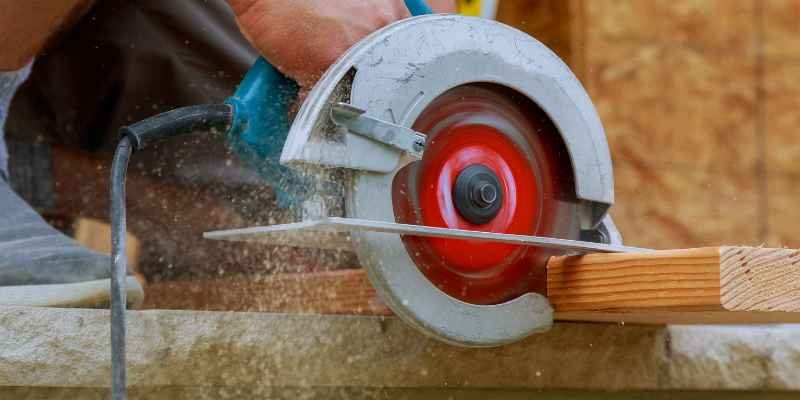
Left-blade sidewinders are popular with many modern users because they give a very open view of the cut line for right-handed operators. The blade is usually visible on the outside of the saw, which can feel natural when your dominant hand stays on the main handle.
Credit: thedailygardener.com
Benefits of a left-blade saw
- Better line visibility for many right-handed users
- Easier to see where the blade enters the workpiece
- Often preferred for fast framing and repeat cuts
- Feels intuitive for users who want the blade away from the main grip side
Many carpenters like this setup because they can track the cut without leaning too far over the saw. That can save time on job sites where you make many cuts in a row.
Where left-blade saws can feel less ideal
Some left-handed users do not love left-blade models because the saw body may sit in a way that feels less natural to them. Also, on some cuts, the motor housing can still block part of the view, depending on the saw design.
Another issue is habit. If you learned on a right-blade saw, a left-blade saw can feel strange at first even if it is technically easier to see.
Right-blade sidewinders: why many people still prefer them
Right-blade sidewinders are still very common. For some users, they feel balanced, familiar, and easy to control. This is especially true if you grew up using this style or learned from someone who swore by it.
Benefits of a right-blade saw
- Familiar feel for many long-time users
- Can work well for left-handed users who want a different viewing angle
- Often easier to find in certain brands and model lines
- Can feel stable for users who like the motor placement
A right-blade saw is not an older or worse design. It is simply a different approach. In the hands of someone who knows the tool, it can be very accurate and very efficient.
Where right-blade saws can be harder to use
For many right-handed users, the blade can sit in a less open viewing position. That means the motor and housing may feel like they are in the way. On long cuts, this can create more head movement and more line checking.
If you often cut with your dominant eye aligned a certain way, the blade position can matter even more than your handedness.
Side-by-side comparison of the main differences
This simple comparison can help you narrow your choice faster.
| Factor | Left-blade sidewinder | Right-blade sidewinder |
|---|---|---|
| Line visibility | Usually better for many right-handed users | Often preferred by some left-handed users or experienced users |
| Comfort | Can feel more open and easier to guide | Can feel more familiar and stable to some users |
| Learning curve | Quick for new users who want clear sightlines | Easy if you already know this setup |
| Job-site speed | Often faster for visible line tracking | Can still be fast with good technique |
| Best for | Users who want maximum cut-line visibility | Users who value familiar handling or different ergonomics |
This table is useful, but it should not be your only guide. Two saws with the same blade side can still feel very different because of grip shape, weight, base plate design, and trigger position.
How to choose based on your hand, eye, and work style
The best choice is not just about handedness. It is about how your whole body works during a cut.
Credit: woodworkingadvisor.com
If you are right-handed
Start by trying a left-blade saw. Many right-handed users find it easier to see the line and guide the tool with less guessing. If you cut a lot of framing lumber or sheet goods, that extra visibility can be a real advantage.
But do not rule out a right-blade saw if it feels more natural. Some users cut better with a familiar tool than with a theoretically better one.
If you are left-handed
Try both sides if possible. A left-handed person does not always need a left-blade saw. In fact, some left-handed users find a right-blade saw easier because their body position places the motor away from the line in a helpful way.
Also think about which eye is dominant. Eye dominance can affect how you line up a saw more than hand dominance does.
If you do mixed work
If you cut framing lumber, plywood, trim, and decking, choose the saw that gives the cleanest mix of visibility and control. For mixed work, a comfortable grip and easy line tracking matter more than one perfect feature.
For example, a contractor who cuts all day may value speed and visibility. A homeowner may value comfort, low weight, and a saw that feels easy after months of storage.
Common mistakes buyers make when comparing these saws
Some mistakes show up again and again. Avoid these, and your choice becomes much easier.
Choosing only by hand preference
Your dominant hand matters, but it is not the full story. Eye alignment, cutting angle, and job type all matter too.
Ignoring the balance of the saw
A saw can have the “right” blade side and still feel front-heavy or awkward. Balance affects control, especially during longer cuts.
Not testing a real cut stance
Holding a saw in your hand is not enough. You need to crouch or stand in a cutting position and imagine the full motion. That is when many problems show up.
Buying for one project only
If you only think about one job, you may end up with a saw that feels limited later. Try to choose a sidewinder that suits the kind of work you do most often.
Ignoring blade visibility in daylight and shade
A saw that looks clear indoors may not be as easy to follow outside in bright light. Try to picture real use, not just store conditions.
Other features that matter as much as blade side
If you want the best sidewinder, do not stop at left or right blade. These features often make a bigger difference in daily use.
Motor power
More power helps on thicker wood and faster cuts. If the saw bogs down, even a perfect blade side will not save the cut.
Weight
A lighter saw is easier to guide overhead or during repeated cuts. But very light saws can sometimes feel less stable. Look for a good balance, not the lowest number on the box.
Shoe quality
A flat, strong shoe helps the saw stay straight. If the base flexes or slips, accuracy drops fast.
Blade quality
A sharp, appropriate blade can improve cut quality far more than blade side. A poor blade often creates heat, tear-out, and rough edges.
Dust management
Good dust removal helps you see the line. This can be one of the most underrated features on a circular saw.
If you want to learn more about safe saw use and general hand tool safety, a reliable resource is the Occupational Safety and Health Administration.
Which sidewinder is best for you?
For many right-handed users, a left-blade sidewinder is the easiest choice because it gives clearer cut-line visibility. That is why it is often the favorite in fast, repeatable work.
For many left-handed users, the answer is less fixed. You may like a right-blade saw if it fits your body position better, or a left-blade saw if you want the same open view that many right-handed users enjoy. The best saw is the one that feels natural, steady, and easy to guide.
If you want a simple rule, use this one: pick the blade side that gives you the clearest view of the cut line without forcing your body into an awkward position. That single rule solves more buying mistakes than brand loyalty or internet opinion ever will.
Also remember this less obvious point: the saw you use most often will shape your skill. A comfortable saw helps you develop better habits faster. A confusing saw can slow you down even if it is well made. So the right choice is not only about the tool. It is also about how quickly your hands and eyes can work together.
When comparing left handed vs right handed circular saw, focus on visibility, comfort, balance, and the kind of cuts you make every week. That is the clearest path to choosing a sidewinder that feels right from day one and still works well years later.
Credit: woodhandy.com
FAQs
1. Is a left-blade circular saw better for right-handed people?
Often, yes. Many right-handed users find a left-blade saw easier to see and control because the blade sits in a more open view. Still, comfort matters most, so test both if you can.
2. Can a left-handed person use a right-blade circular saw?
Yes, absolutely. Many left-handed users work very well with right-blade saws. The best choice depends on your eye alignment, cutting stance, and what feels natural in your hands.
3. Is blade side more important than motor power?
For many users, blade side affects daily comfort more than motor power. But if you cut thick material often, power also matters a lot. Both should be considered together.
4. Do professionals prefer left-blade or right-blade sidewinders?
Many professionals prefer left-blade sidewinders because they like the clear cut-line visibility. However, plenty of skilled workers still prefer right-blade models because they are familiar and reliable.
5. What should I test before buying a sidewinder?
Test the grip, sightline, balance, shoe feel, and how the saw sits in a real cutting stance. If possible, imagine a full cut, not just how the tool feels at rest.
