
A reciprocating saw is one of the most useful power tools for cutting through wood, metal, plastic, drywall, and even small branches. It looks simple, but in the wrong hands it can be hard to control. In the right hands, it becomes a fast and flexible cutting tool for home repairs, demolition, and outdoor work.
If you are learning how to use a reciprocating saw, the good news is this: you do not need advanced skill to get started. You do need the right blade, the right stance, and a clear plan before you pull the trigger. Small mistakes can lead to rough cuts, broken blades, or even injury. The goal is not just to make the saw move. The goal is to make it cut safely and with control.
This guide will walk you through the full process in simple steps. You will learn how to prepare the tool, choose the blade, cut the right way, and avoid beginner mistakes. By the end, you will know how to use a reciprocating saw with more confidence and far less guesswork.
What a Reciprocating Saw Does Best
A reciprocating saw uses a back-and-forth blade motion to cut material quickly. It is often used where other saws cannot fit. This makes it very popular for demolition, pruning, remodeling, and rough cuts in tight spaces.
It is not the best tool for fine, clean cuts. Think of it as a strong helper for cutting things apart, not for making perfect furniture joints. That difference matters because many beginners expect it to work like a jigsaw or circular saw. It does not. It is faster, rougher, and more forgiving in messy jobs.
Here are some common uses:
- Cutting wood framing during demolition
- Removing old pipes or nails
- Trimming tree branches
- Cutting drywall around repairs
- Cutting metal pipes or bolts with the right blade
A useful detail many beginners miss is that a reciprocating saw is often chosen for access, not precision. If the cut area is hard to reach, this tool usually wins.
Know Your Saw Before You Turn It On
Before you cut anything, learn the main parts of the saw. This takes only a few minutes, but it helps a lot.
Main parts to understand
- Trigger – starts and controls blade speed
- Shoe or pivoting shoe – rests against the material and helps stabilize the saw
- Blade clamp – holds the blade in place
- Variable speed control – lets you adjust cutting speed on some models
- Orbital action – found on some saws to speed up rough cutting in wood
Not all saws have the same features. Some are corded, some run on batteries. Some have tool-free blade changes, while others need a wrench or lever. Read your user manual if you are unsure. That may sound basic, but it prevents many early mistakes.
Choose the right blade for the job
The blade matters as much as the saw itself. A wrong blade can make cutting slow, noisy, and dangerous.
| Material | Best blade type | What to expect |
|---|---|---|
| Wood | Coarse-tooth wood blade | Fast cutting, rougher edge |
| Metal | Fine-tooth bi-metal blade | Slower cut, cleaner result |
| Plastic/PVC | Fine-tooth general-purpose blade | Less cracking if you cut slowly |
| Pruning branches | Dedicated pruning blade | Fast cutting through green wood |
One thing beginners often miss: blade length matters too. A longer blade helps when you need reach, but a shorter blade gives better control in tight spaces. Do not choose the longest blade just because it feels stronger.
Prepare the Work Area First
Good cutting starts before the saw runs. A messy work area makes the saw harder to control and increases the chance of problems.
Clear and secure the space
Remove objects that can get in the way. If you are cutting wood or pipe, make sure the material is supported well. If it moves while you cut, the blade may bend, jump, or bind.
Use clamps when possible. A clamped workpiece is much safer than one balanced by hand. If you are cutting a branch or pipe in place, make sure the other side will not pinch the blade as the cut opens or closes.
Check for hidden hazards
This step is very important when cutting walls, floors, or old materials. Hidden wires, pipes, nails, and screws can damage the blade and create danger. If you are working near electrical lines, shut off power first and confirm the area is safe.
For home projects, it is wise to inspect the area before cutting. A small time delay is better than hitting something you did not expect.
If you want a clear safety reference, OSHA offers helpful general guidance on hand and power tool safety at OSHA’s hand and power tools page.
Wear the right protective gear
- Safety glasses to protect your eyes from chips and dust
- Gloves for grip and minor protection
- Hearing protection if you cut for more than a few minutes
- Dust mask when cutting wood, drywall, or dirty material
Another beginner mistake is using loose clothing or dangling jewelry. A reciprocating saw moves aggressively, and anything loose can become a problem fast.
Set Up the Saw the Right Way
Now you are ready to prepare the tool itself. A few small setup steps can make cutting much easier.
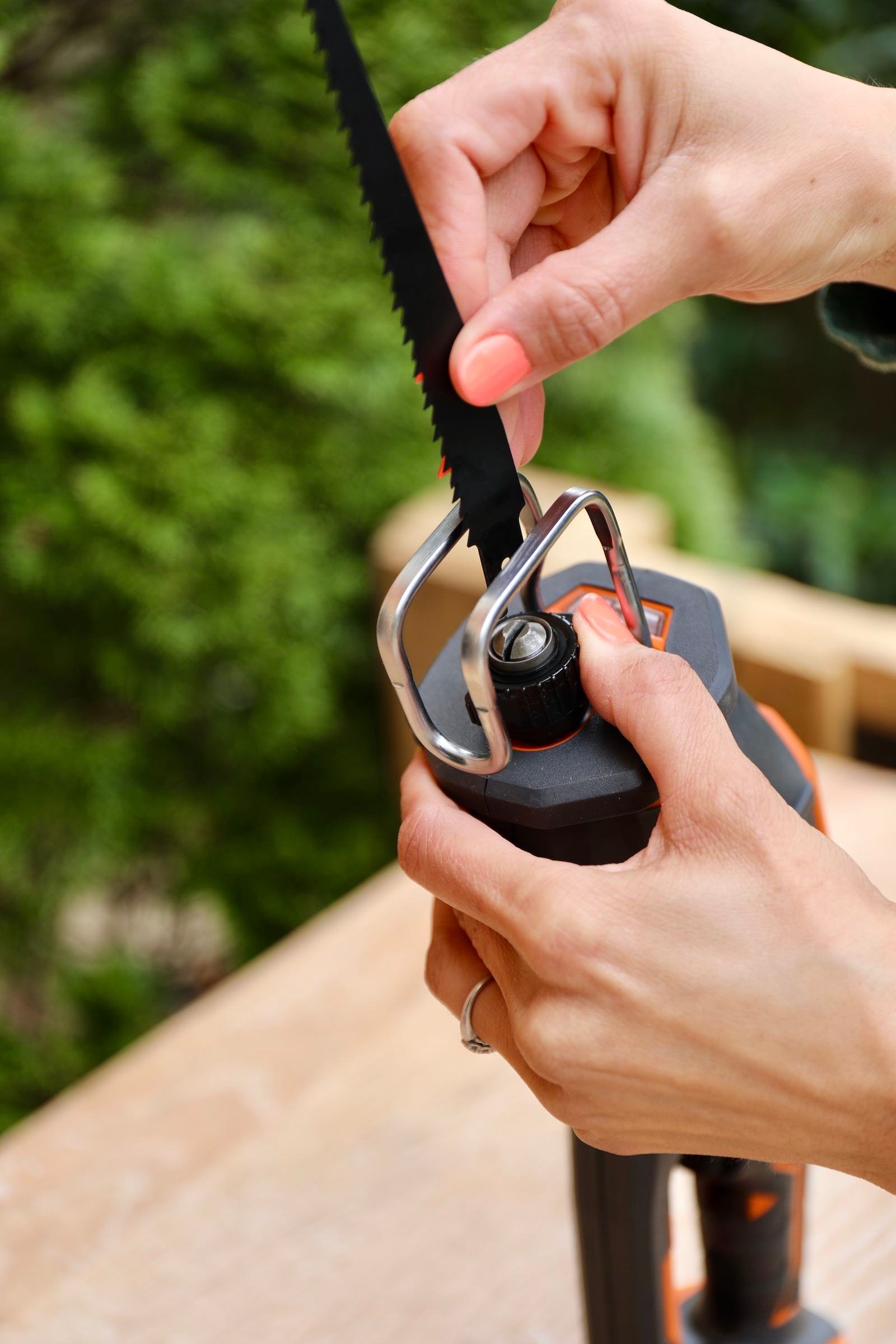
Credit: thriftdiving.com
Install the blade correctly
Unplug the saw or remove the battery before changing blades. Insert the blade fully into the clamp so it locks firmly. Tug it lightly to make sure it is secure.
Check the blade orientation. For many saws, the teeth should face the direction of cutting stroke, but some saws and blades vary. Your manual is the best guide. Never guess if you are unsure.
Adjust speed and mode
If your saw has variable speed, start low. Slow speed helps you control the tool at the beginning of the cut. Once the blade is in the material and stable, you can increase speed if needed.
If your saw has orbital action, use it only for rough wood cutting when speed matters more than a clean edge. Do not use orbital mode for metal or delicate cuts. A lot of beginners assume more power is always better. It is not.
Use the shoe for balance
The shoe should press lightly against the work surface when possible. This gives the saw support and reduces bouncing. Do not force the blade into the material before it has a chance to start. Let the tool do the work.
How to Use a Reciprocating Saw Step by Step
Here is the simple process to follow once your saw is ready.
-
Mark your cut line.
Use a pencil, marker, or chalk line. A visible line gives you a clear target and reduces wandering.
-
Hold the saw with both hands.
One hand should stay on the main handle and trigger. The other should guide the front of the saw. Two hands give better control and reduce kickback.
-
Set the shoe against the material.
Keep the front support steady if the shape of the work allows it. This helps the blade stay aligned.
-
Start the saw before the blade touches the material.
Bring the spinning blade to the work surface slowly. This helps prevent jumping and scratching outside the line.
-
Let the blade bite first.
Use light pressure at the start. If you push too hard too soon, the blade may skip across the surface.
-
Increase pressure only a little.
Let the saw cut at its own pace. If it slows down too much, back off slightly and let it move freely again.
-
Keep the blade straight.
Do not twist the saw sharply unless the blade and material allow it. Side pressure can bend the blade and make the cut rough.
-
Finish the cut with control.
As the material separates, hold both pieces so they do not drop or pinch the blade.
These steps sound simple, but they are the core of how to use a reciprocating saw well. The saw works best when you guide it instead of forcing it.
How to Make Cleaner, Safer Cuts
Most beginners can make a cut. Fewer can make a controlled cut. These tips help close that gap.
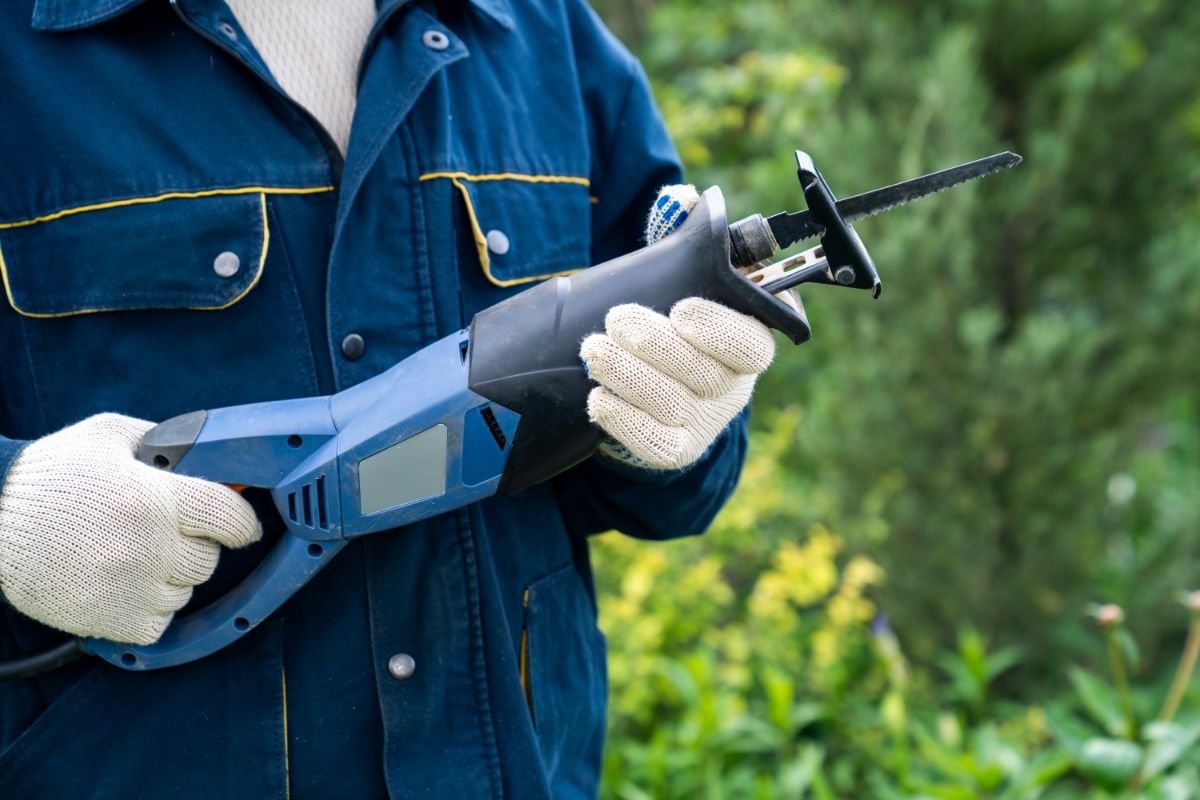
Credit: tigerfishtools.com
Use a steady grip, not a tight death grip
A tight grip can make your arms tense, which hurts control. Hold the tool firmly, but stay relaxed enough to guide it. If your body is stiff, the saw may feel harder to control.
Keep the blade moving in a straight line
A reciprocating saw naturally wants to wander, especially in soft wood. To reduce this, keep the blade aligned with your line from the start. Once the blade starts angled wrong, it is hard to fix later.
Let the blade cool when needed
If you are cutting metal or dense material, the blade can get hot. When a blade overheats, it wears faster and cuts worse. Pause if you notice smoke, a burning smell, or heavy resistance.
A less obvious point: a dull blade often makes the saw feel weak. Many people blame the tool when the real problem is blade wear. Changing the blade early can save time and reduce vibration.
Choose the right speed for the material
High speed is not always best. Wood often tolerates faster cutting, but metal usually needs a slower, more controlled pace. Plastic can crack if cut too aggressively. Match speed to the material, not your impatience.
Common Beginner Mistakes to Avoid
Learning what not to do is just as useful as learning the correct steps.
-
Using the wrong blade.
A wood blade on metal will wear fast and may bind. A metal blade on thick wood can feel slow and rough.
-
Forcing the saw.
Hard pressure does not make it cut faster. It often makes the blade bend or jump.
-
Starting the cut too fast.
If the blade touches the material before it is under control, it may skate across the surface.
-
Cutting unsupported material.
When the workpiece moves, the saw loses control. Clamp it whenever possible.
-
Ignoring hidden objects.
Nails, screws, wires, and pipes can destroy blades and create real danger.
-
Using a dull blade too long.
A dull blade makes the tool work harder and gives poor results.
One more mistake many first-time users make is trying to force a perfect finish with the reciprocating saw itself. That is rarely the right approach. If you need a cleaner edge, cut rough with the saw and finish with another tool.
Practical Uses for Home and Yard Projects
Once you understand the basics, the saw becomes very useful in real projects.
During home repairs
You can use it to cut old drywall, remove damaged studs, shorten pipes, or cut nails and screws that are sticking out. It is especially helpful in demolition because it can reach places where other saws cannot fit.
For outdoor work
With the right blade, you can trim branches and cut fallen limbs. A pruning blade often works better than a general wood blade because it clears green material more efficiently.
For metal cutting
It can cut bolts, brackets, and thin pipe. Just remember that metal cutting is slower and hotter. Use lubricant if needed, and take your time.
A smart habit is to stop and check the blade every so often. If the blade feels too hot, is bending, or is cutting less smoothly, it may need replacement before the project is done.
Simple Maintenance After Use
A clean saw lasts longer and works better. Maintenance is not complicated.
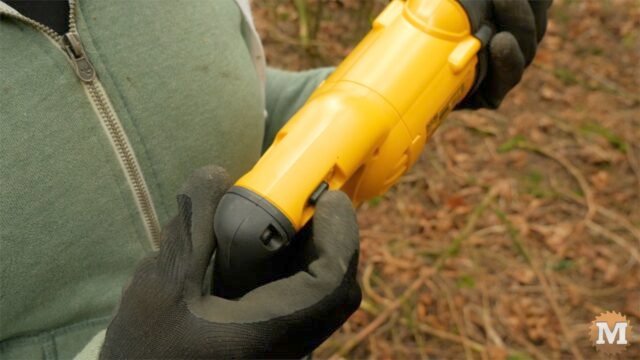
Credit: manabouttools.com
Clean the tool after every job
Unplug it or remove the battery. Wipe off dust, saw chips, and dirt. Check the blade clamp for debris. Dust buildup may seem minor, but over time it affects performance.
Inspect blades and cord or battery
Look for bent blades, dull teeth, damaged cords, or battery issues. Replace worn parts before the next job. A small problem today can become a bigger one later.
Store it properly
Keep the saw dry and in a place where the blade will not bend or get damaged. Store blades separately if possible. This helps them stay sharp and ready.
Quick Reference for Better Results
If you want better results fast, remember these simple points:
- Choose the blade for the material
- Clamp the workpiece when possible
- Start slow and stay controlled
- Use light pressure, not force
- Replace dull blades early
- Wear eye protection every time
These habits are small, but they make a big difference. They help you cut faster, safer, and with less frustration.
Final Thoughts
Learning how to use a reciprocating saw is mostly about control. The tool is powerful, but it becomes much easier when you match the blade to the job, secure the work area, and let the saw do the cutting. Beginners often think power is the secret. In reality, patience and setup matter more.
If you remember only two things, remember these: start slow, and do not force the blade. Those two habits will save you from many common mistakes. With practice, a reciprocating saw can become one of the most useful tools in your workshop or garage.
FAQs
1. Can a beginner use a reciprocating saw safely?
Yes. A beginner can use one safely if they wear protection, choose the correct blade, secure the material, and cut slowly at first. The tool is powerful, but it is not hard to learn.
2. What is the main difference between a reciprocating saw and a jigsaw?
A reciprocating saw is mainly for rough cutting, demolition, and tight spaces. A jigsaw is better for more controlled curves and cleaner cuts. They are useful for different jobs.
3. How do I stop the saw from jumping at the start?
Start the saw before touching the material, then bring the blade in slowly. Keep a firm two-handed grip and use the shoe for support if possible. Low speed also helps.
4. Can I cut metal with a reciprocating saw?
Yes, but you need a fine-tooth bi-metal blade made for metal. Cut slowly, use light pressure, and be ready for more heat and slower progress than wood cutting.
5. How do I know when a blade is dull?
A dull blade cuts slower, feels hotter, vibrates more, and may start wandering or binding. If you notice these signs, replace the blade before continuing.
