
Picking the right screwdriver sounds simple until you stand in front of a shelf full of shapes, sizes, and handle styles. Then it gets confusing fast. A tool that looks “close enough” can slip, damage a screw, or make your hand hurt after only a few turns.
If you are doing home repairs, furniture assembly, electronics work, or small fixes around the house, knowing how to choose the right screwdriver can save time and avoid frustration. The right tool gives you better grip, cleaner results, and less chance of stripping the screw head.
This guide breaks the topic into clear, practical parts. You will learn the main screwdriver types, how to match the tip to the screw, what handle and shaft features matter, and which tools are worth keeping in a basic DIY kit.
Start with the screw, not the screwdriver
The best way to choose a screwdriver is to look at the screw head first. Many people buy tools by brand or handle color, but the screw shape matters more than anything else. If the tip does not fit the screw head well, the driver will slip even if the tool is expensive.
Two things matter most:
- Head shape — the screw may be flat, cross-shaped, square, star-shaped, or something more special.
- Size fit — even the right type of screwdriver can be too small or too large for the screw.
A snug fit helps the screwdriver transfer force cleanly. That means less cam-out, which is the term for the tip jumping out of the screw head. Cam-out can damage the screw, the tool, and sometimes the surface around it.
One beginner mistake is using a “close enough” screwdriver because it is already in the toolbox. That often works for a very light turn, but it fails under pressure. If a screw is tight, painted over, rusty, or recessed, a poor fit is even more likely to slip.
Know the main screwdriver types
Different screw heads need different tip shapes. If you understand the common types, choosing becomes much easier.
| Driver type | Common use | What to know |
|---|---|---|
| Slotted | Simple household screws, older fixtures | Easy to find, but slips more easily than other types |
| Phillips | Furniture, appliances, general DIY | Very common; fits cross-shaped heads |
| Pozi | European furniture, woodworking | Looks similar to Phillips but is not the same |
| Flathead | Slotted screws, simple repairs | Same as slotted in many tool catalogs |
| Torx | Electronics, cars, modern furniture | Star-shaped; gives strong grip and resists slipping |
| Hex | Furniture, bikes, hardware | Often used as an internal socket or “Allen” style |
| Square / Robertson | Woodwork, cabinetry, construction | Very secure fit and less likely to cam out |
Slotted
Slotted screws have one straight groove. A flat blade screwdriver works here. These screws are common in older fixtures and inexpensive hardware. They are also the easiest to damage because the blade can slide out if the fit is not perfect.
Phillips
Phillips screws have a cross-shaped recess. This is one of the most common screw types in home use. A Phillips screwdriver is often used for furniture assembly, electrical covers, and many general repairs.
A useful detail many people miss: Phillips tips are sized. A Phillips #1 is not the same as a Phillips #2. If the tip feels loose in the screw, try a different size before forcing it.
Pozi
Pozi screws look a lot like Phillips screws, but they have extra small marks between the main cross arms. A Phillips driver may fit poorly in a Pozi head. This is one of the easiest mistakes for beginners, especially when assembling imported furniture.
Torx
Torx screws use a star-shaped recess. They are popular because they grip well and resist slipping. If you work on bikes, laptops, game consoles, cars, or newer appliances, you will likely meet Torx often.
Torx sizes also matter. A slightly wrong size can feel usable at first, but it will round out the screw more easily than many beginners expect.
Hex and square
Hex screws, often called Allen screws when used with an L-key, are common in furniture and equipment. Square-drive screws, also called Robertson, are known for a strong hold. Both are good at reducing slip when the driver is the correct size.
Match the screwdriver size to the job
Type is only half the answer. Size is just as important. A correct tip that is too small will wobble. A tip that is too large will not seat fully. Both can damage the screw head.
For DIY jobs, it helps to think in two ways:
- Tip width for flat or slotted screws.
- Tip number or size code for Phillips, Torx, hex, and similar types.
When in doubt, test the fit gently. The screwdriver should sit firmly in the screw head without rocking. You should not need to press hard just to keep it in place.
Here is a simple rule: the best fit is the one that feels locked in, not forced in. If you need to lean your full weight on the tool just to keep it seated, the size is probably wrong.
Another beginner mistake is using a smaller tip because it “goes in.” That is risky. A too-small tip concentrates stress in the wrong spots and can strip the screw much faster than you expect.
Choose the right handle for your hand
The handle may seem less important than the tip, but it affects comfort and control. If you do only one or two quick tasks, almost any handle may work. If you plan longer jobs, a good handle makes a big difference.
Look for these features:
- Grip texture — helps your hand stay steady, especially if it is sweaty or oily.
- Handle size — larger handles give more torque, while smaller ones help with fine control.
- Comfort shape — a handle that fits your hand reduces pressure points.
- Non-slip material — rubber or soft grip surfaces can improve control.
A larger handle can help when a screw is tight because it lets you apply more turning force with less effort. A smaller handle is better for delicate work, like electronics, where too much force can crack plastic parts or over-tighten tiny screws.
Non-obvious insight: some people buy the strongest-looking screwdriver, then struggle with precise work because the handle is too bulky. For many home users, a medium-size handle is the most useful all-around choice.
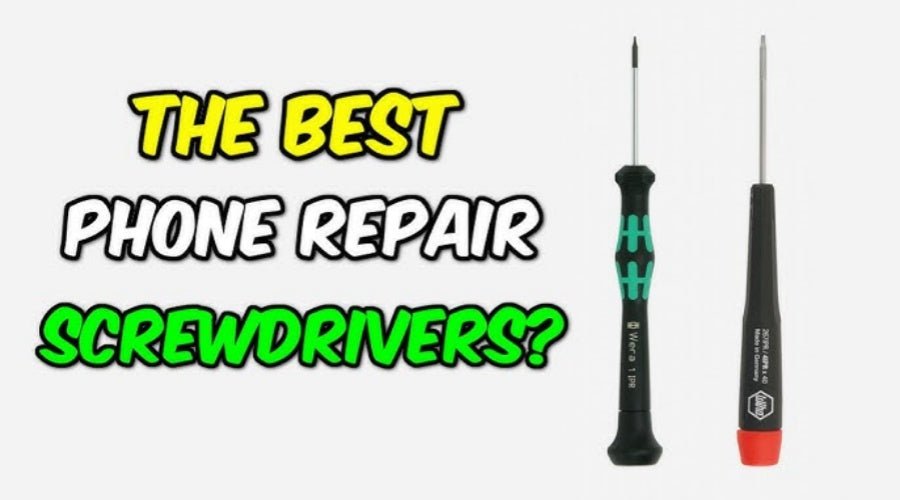
Credit: diyfixtool.com
Look at the shaft length and shape
The shaft is the metal part between the handle and the tip. Its length affects reach, control, and access.
Short shaft
A short screwdriver is useful in tight spaces, like inside cabinets, under sinks, or near raised edges where a long shaft hits the surface before the tip reaches the screw.
Medium shaft
This is the best general-purpose choice for most DIY jobs. It gives enough reach for common household tasks while staying easy to control.
Long shaft
A long shaft helps when screws are recessed or hard to reach. It is useful for deep holes, furniture frames, or some appliance repairs. The tradeoff is less precision in close work and more chance of bending if you apply side pressure.
Shape matters too. Some shafts are round, while others have a hex section near the handle so you can use a wrench for extra torque. That can help on stubborn screws, but use it carefully. Too much force can snap the screw or damage the material around it.
Pick manual, ratcheting, or electric based on the task
There is no single best screwdriver for every job. The right choice depends on how often you use it and what kind of work you do.
Manual screwdriver
This is the classic choice. It gives the best feel and control. For most people, a small set of manual screwdrivers is still the most useful base kit.
Ratcheting screwdriver
A ratcheting model lets you turn screws with less hand movement. It can speed up repetitive jobs and reduce wrist strain. This is handy for furniture assembly and medium-sized repair work.
Non-obvious insight: ratcheting tools are not just about speed. They also help when you have limited wrist space, because you can keep turning without constantly resetting your grip. That matters in corners and inside cabinets.
Electric screwdriver
An electric screwdriver is great for long assembly jobs and repeated fastening. It saves time and effort. Still, it can over-tighten screws quickly, so it is better for users who can control speed and pressure well.
For delicate work, manual tools are usually safer. For larger jobs with many screws, powered tools can be a real time-saver. If you want a reliable overview of hand tool selection and safe use, the Woodwork for Inventor resource can be useful for understanding tool fits and workshop basics.
Think about the material you are working on
Different materials respond differently to screwdriver choice. A screwdriver that works well on metal hardware may not be the best choice for soft wood, plastic, or electronics.
- Wood — use a snug fit to avoid tearing the head or splitting the material near the screw.
- Plastic — apply light pressure and avoid overtightening, since plastic cracks more easily.
- Metal — use the exact tip size and enough grip to prevent slip, especially on rusted screws.
- Electronics — choose small, precise drivers with clean tips to avoid damaging tiny fasteners.
One mistake many beginners make is focusing only on “removing the screw.” In real work, the bigger risk is what happens around the screw. Soft material can deform even when the screw head still looks fine.
Check the tip quality before you buy
Not all screwdriver tips are made the same. A cheap tool may look fine in the store but wear down quickly after only a few uses. Once the tip rounds off, it becomes much easier to damage screws.
Good tips should feel crisp and well-cut. They should not look rough, uneven, or dull at the edges. Better screwdrivers also keep their shape longer, which matters if you use them often.
Look for:
- Hardened steel for better wear resistance.
- Magnetic tips if you often work in awkward spots.
- Clean machining so the tip fits the screw properly.
Magnetic tips are helpful, but they are not magic. They keep screws from falling, especially in awkward positions, but they do not fix a bad size match. Fit still comes first.
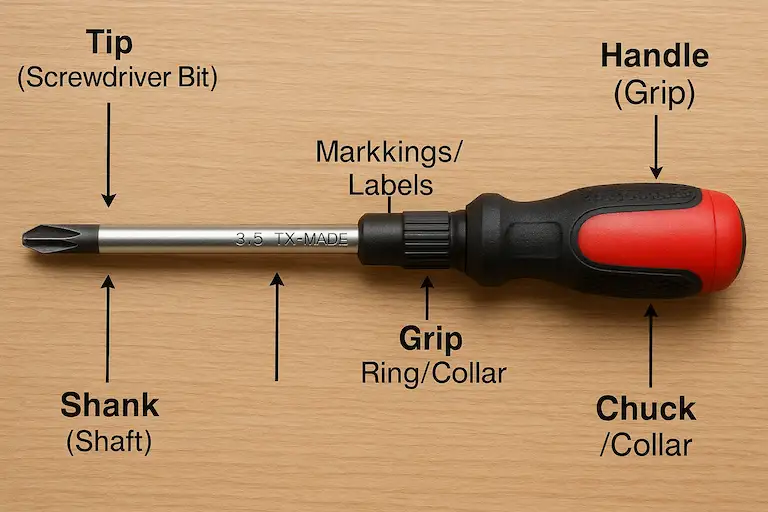
Credit: ironcubeworks.com
Do not ignore the job environment
The place where you work can change what screwdriver you need. A tool that feels fine on a workbench may be awkward under a sink or inside a narrow cabinet.
If you are often working in tight spaces, consider a stubby screwdriver or a driver with a compact handle. If you are doing overhead work, a magnetic tip can be a big help. For outdoor jobs, rust resistance and strong handle grip matter more than fancy packaging.
If you work near electricity, use insulated screwdrivers made for electrical tasks. That does not mean they are safe for every live-wire situation, but they are designed to reduce risk in certain tasks. Safety still comes first, and power should be off whenever possible.
Build a small screwdriver set instead of buying one tool
Most DIY users do better with a small, smart set than with one expensive driver. A good starter kit can cover most home jobs without taking up much space.
A practical basic set often includes:
- One flathead or slotted driver in medium size
- One or two Phillips drivers, usually common sizes like #1 and #2
- One Torx driver or bit set for modern hardware
- One hex key set or hex driver for furniture and equipment
- A stubby screwdriver for tight spaces
If you want fewer tools, a multi-bit screwdriver can be a smart choice. It saves space and covers many common screw types. The downside is that it may not feel as solid as a dedicated driver, especially for heavy use.
Learn the signs of a poor fit
Knowing how to choose the right screwdriver also means knowing when the choice is wrong. These warning signs are easy to spot once you know them.
- The tip wiggles inside the screw head.
- You have to press very hard just to keep the tool in place.
- The driver keeps slipping out when you turn.
- The screw head starts looking shiny, rounded, or damaged.
- You feel the tool twist strangely instead of turning cleanly.
If any of these happen, stop and change tools. Forcing the screw often creates a bigger repair problem than the original task.
Non-obvious insight: once a screw starts to strip, the wrong screwdriver makes the problem snowball very fast. A near-fit may seem to “mostly work,” but each slip removes more metal and makes future removal harder. Switching early is one of the simplest ways to protect your project.
Common mistakes people make when buying screwdrivers
Many people buy tools based on price alone, but the cheapest option is not always the best value. A screwdriver that wears out fast or slips often can waste more money in the long run.
Other common mistakes include:
- Buying only Phillips drivers because they are familiar
- Ignoring size and assuming one tip fits all
- Choosing a handle that feels good in the store but not during real work
- Using power tools too early on delicate jobs
- Keeping worn-out drivers in the toolbox and using them anyway
Another mistake is not thinking about your actual projects. If you mostly assemble furniture, you need different tools than someone who repairs bikes or works on electronics. The best screwdriver set matches the jobs you really do.
How to choose the right screwdriver for common DIY jobs
Different tasks call for different priorities. Here is a simple guide you can use in real life.
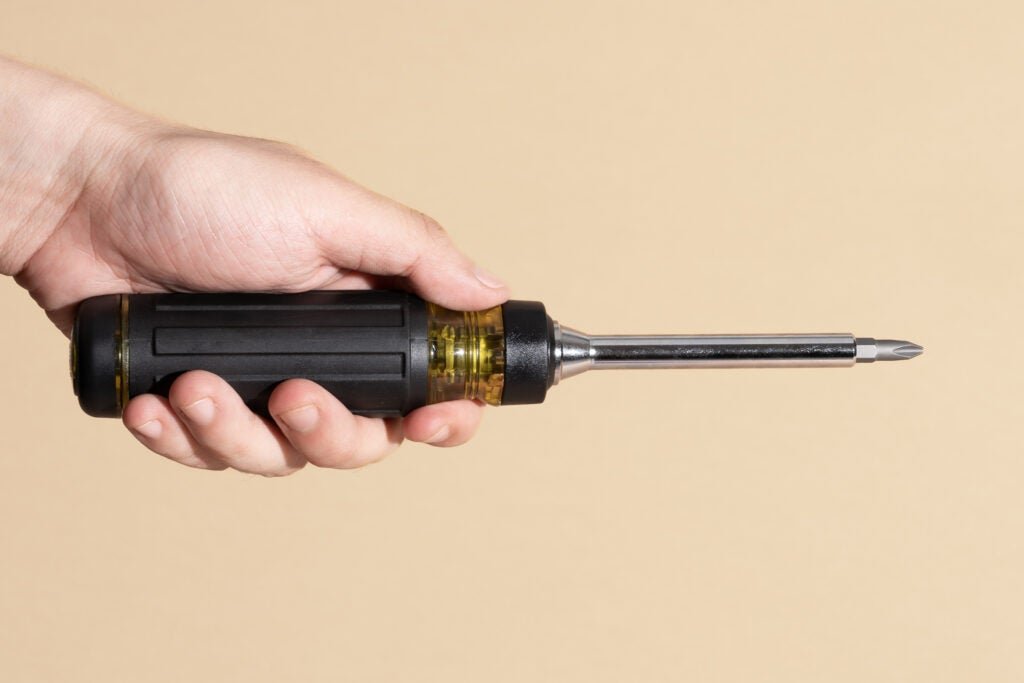
Credit: nytimes.com
Furniture assembly
Use Phillips, hex, Pozi, or Torx depending on the hardware included. A ratcheting screwdriver can help if there are many screws. Keep a hex key set nearby, since many flat-pack items use internal hex screws.
Wall plates and light home repairs
Use a medium flathead or Phillips driver. A compact handle is often enough. If you are working near electrical fixtures, choose insulated tools and turn off power when appropriate.
Electronics
Choose small precision screwdrivers with very sharp tips and good control. Torx and small Phillips sizes are common. A magnetic tip can help with tiny screws, but gentle handling matters more.
Appliances and fixtures
Use the exact screw type and size. Many appliances use Torx or specialty heads for a reason: they grip well and reduce abuse. If a screw feels stuck, use the right fit before increasing force.
Outdoor and rusted fasteners
Choose a strong, well-fitting driver with a comfortable grip. A longer handle may help with torque. If the screw is rusted, patience matters. Wrong-tool force is more likely to damage the head.
Care for your screwdrivers so they last longer
Even a good screwdriver wears out if it is used badly. Simple care keeps the tip sharp and the handle safe.
- Do not use a screwdriver as a pry bar unless it is designed for that.
- Keep tips clean so dirt does not affect the fit.
- Store them dry to reduce rust.
- Replace worn or rounded tips early.
A damaged screwdriver can make a good screw look defective when the real problem is the tool. If the tip is worn, stop using it for important work.
Final thoughts for smarter tool buying
When you know how to choose the right screwdriver, even simple repairs become easier. The key is not owning the most tools. It is owning the right ones for the screws you actually meet.
Start with fit, then size, then handle comfort, then shaft length and special features. Match the tool to the job, not just to the brand name. That approach saves time, reduces damage, and gives you better results on every DIY project.
If you build a small, careful set instead of buying random tools, you will be ready for most home repairs with much less frustration.
Frequently asked questions
What is the most important factor when choosing a screwdriver?
The most important factor is the fit between the tip and the screw head. A correct fit reduces slipping, protects the screw, and makes turning easier.
Can I use a Phillips screwdriver on a Pozi screw?
Sometimes it may fit, but it is not ideal. Pozi and Phillips look similar, but the fit is different. Using the wrong one can damage the screw head.
Are ratcheting screwdrivers worth it for DIY work?
Yes, for many people they are useful. They save time on repeated screws and reduce wrist strain. For delicate jobs, a manual screwdriver may still be better.
Should I buy a multi-bit screwdriver or separate screwdrivers?
A multi-bit screwdriver is good for saving space and handling many common jobs. Separate screwdrivers usually give a better feel and stronger fit for frequent use.
How do I know if my screwdriver is worn out?
If the tip looks rounded, feels loose in the screw, or slips more often than before, it is probably worn out. Replacing it early helps prevent stripped screws.
