
If you have ever used a random orbital sander, you may have seen sanding discs that stick on and peel off very quickly. That easy attachment system is one reason many woodworkers, painters, and DIY users like them. They save time, reduce mess, and make sanding feel much smoother.
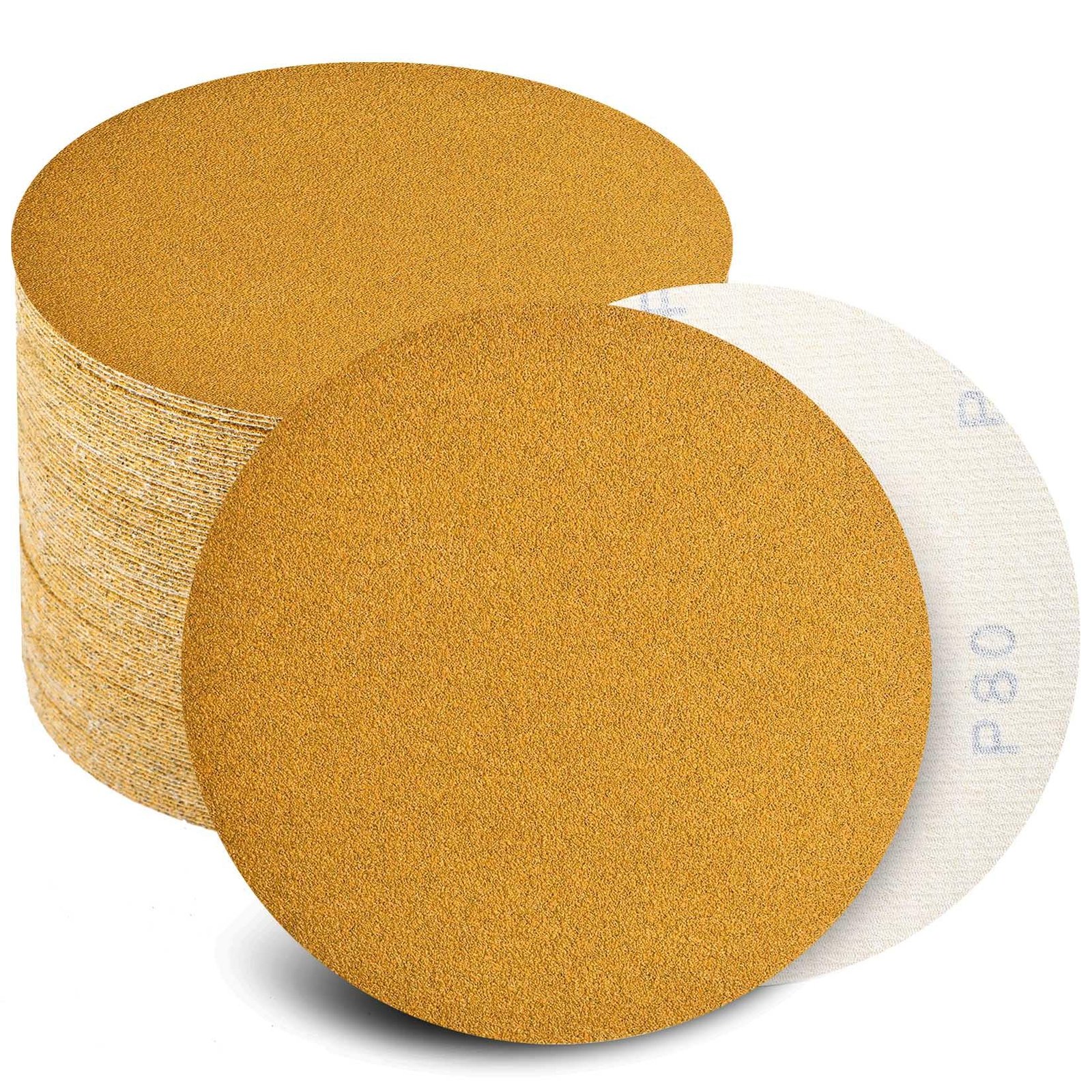
So, what are hook and loop sanding discs exactly? In simple words, they are sanding discs with a special backing that grips a matching sanding pad. One side has tiny hooks, and the other side has soft loops. When they touch, they lock together firmly, but they can still be removed by hand. This makes disc changes fast and easy.
These discs are used in many jobs, from smoothing wood to preparing metal and finishing painted surfaces. In this guide, you will learn how they work, where they are used, what benefits they offer, and how to choose the right one for your project.
How hook and loop sanding discs work
The hook and loop system is simple, but it is very effective. The sanding disc has a looped backing, while the sanding pad on the tool has small hooks. When the disc is pressed onto the pad, the hooks catch the loops and hold the disc in place.
This system is often compared to Velcro, and that is a helpful way to picture it. The disc stays secure while the sander is running, but you can remove it in seconds when you want to change grit or replace a worn disc.
Unlike adhesive-backed discs, hook and loop sanding discs do not need glue. That means less waiting, less sticky residue, and less waste when switching between sanding grits. For many users, this is a major advantage on long projects.
The basic parts of the system
- Hook pad: The sanding tool pad with tiny hooks on its surface.
- Loop backing: The disc backing with soft loops that grip the hooks.
- Abrasive layer: The rough surface that removes material from the workpiece.
- Dust holes: Openings that help move dust away from the sanding surface.
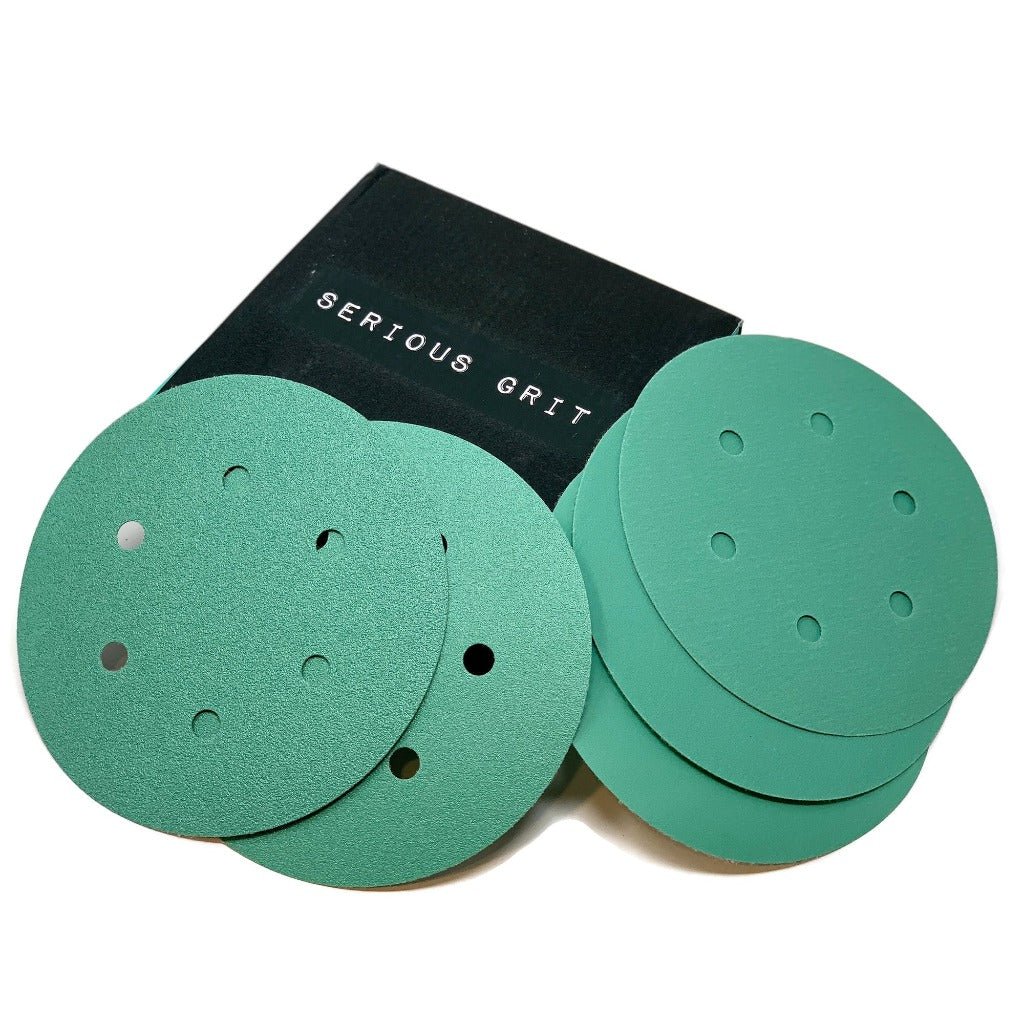
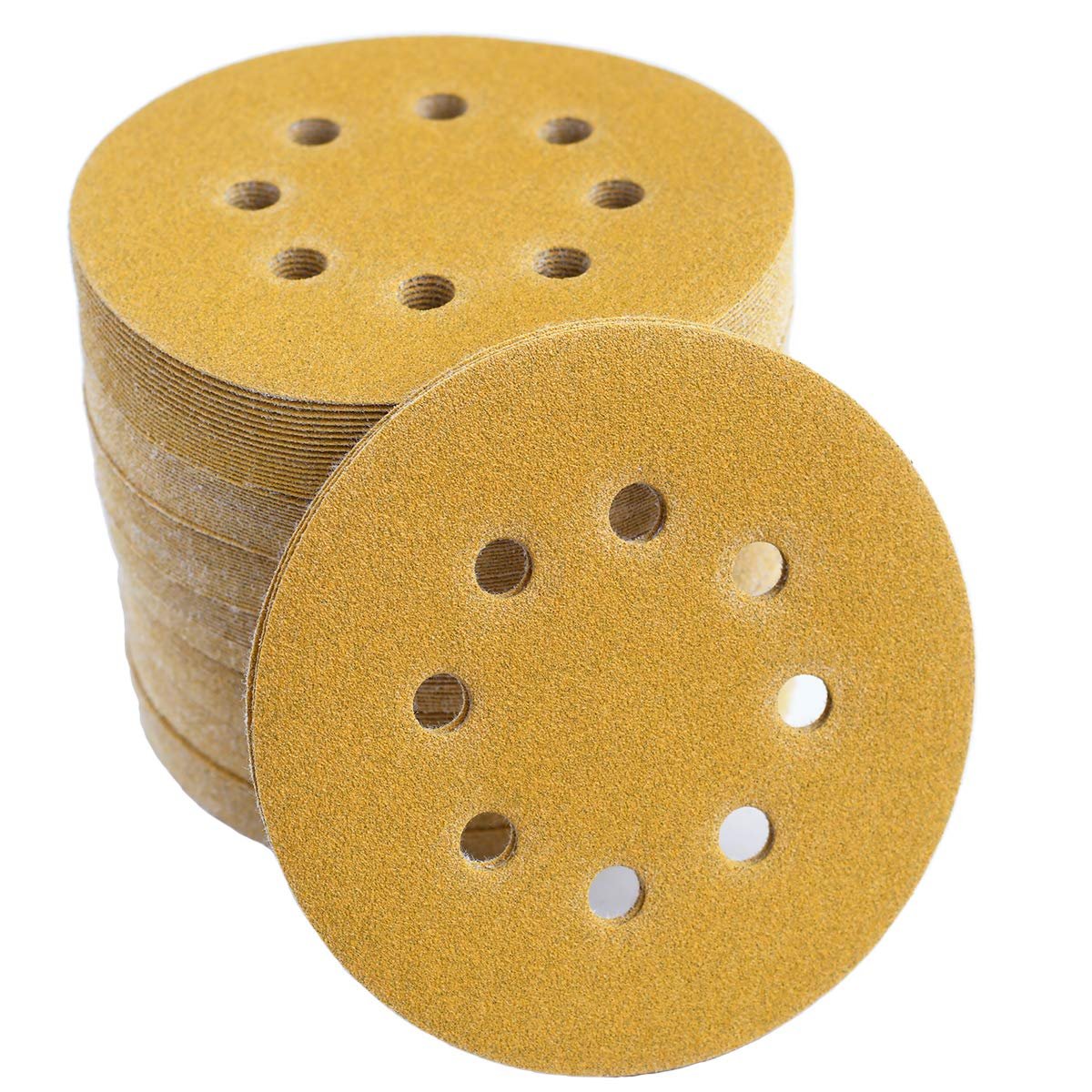
Many users miss one important detail: the dust hole pattern matters as much as the grit number. If the holes do not match your sander, dust collection may be weaker, and the disc may wear out faster. Better dust removal can also improve the final finish.
Why people choose hook and loop sanding discs
These discs are popular for a good reason. They make sanding faster, cleaner, and more flexible. If you often move between coarse sanding and fine finishing, the quick-change design can save a lot of time.
Another major benefit is control. Because the disc attaches firmly, it is less likely to shift during use. That helps the abrasive work evenly across the surface. A stable disc also gives a more consistent finish, especially on flat panels and curved edges.
Here are the main reasons people use them:
- Fast disc changes
- Less downtime during projects
- Easy grit switching
- Secure hold during sanding
- No glue residue
- Better convenience for repeated use
One benefit beginners often overlook is cost efficiency over time. A hook and loop system may cost a little more at first, but it often saves money because the discs are easier to replace, and the sander is more likely to stay in good shape with proper fit and less forcing.
Common uses for hook and loop sanding discs
These discs are used in many types of sanding work. The exact disc you choose depends on the material, the grit, and the kind of finish you want.
Woodworking
Woodworkers use hook and loop sanding discs to smooth rough lumber, remove old finish, prepare surfaces for stain, and refine edges. Coarse grits help remove marks and uneven spots. Fine grits help create a smooth surface before finishing.
For example, if you are sanding a tabletop, you might begin with a medium grit to remove machine marks, then move to a finer grit before applying oil, varnish, or paint. The ability to change discs quickly makes this process much easier.
Automotive work
These discs are also useful in auto body preparation. They can help remove old paint, level filler, and smooth primer before repainting. In this setting, even sanding is important because surface flaws can show clearly after paint is applied.
Many automotive users prefer discs with strong dust extraction. This keeps the work area cleaner and helps the disc cut more evenly.
Metal preparation
Metal surfaces often need rust removal, cleaning, or light shaping. Hook and loop sanding discs can handle these jobs when the correct abrasive type is used. For metal, users often choose tougher abrasive materials designed for heat and wear resistance.
Paint and finish removal
If you need to strip a damaged coating, sanding discs can help remove old layers before refinishing. They are useful for doors, furniture, trim, and other surfaces that need fresh preparation.
General DIY and home repair
From sanding cabinets to preparing patch areas on walls or furniture, these discs are a practical choice for home projects. They are easy to use, and they work well for both beginners and experienced users.
Types of hook and loop sanding discs
Not all sanding discs are the same. To get the best results, it helps to understand the main differences between them.
| Type | Best for | Main benefit |
|---|---|---|
| Aluminum oxide | Wood, paint, general use | Durable and affordable |
| Zirconia alumina | Metal and heavy sanding | Long life under pressure |
| Ceramic | Fast cutting and tough materials | High performance and heat resistance |
| Silicon carbide | Plastic, fine finishing, some hard surfaces | Sharp cutting action |
Another important choice is grit size. Lower numbers, such as 40 or 60, are rough and remove material quickly. Mid-range grits, like 80 or 120, are useful for smoothing. Higher grits, such as 180, 220, or above, are better for fine finishing.
A second non-obvious point many beginners miss is that a very coarse disc can leave deep scratches that take more time to remove later. Sometimes starting one step finer gives a better final result, even if it feels slower at first.
Credit: amazon.com
Backed vs. unbacked discs
Some hook and loop discs include a paper or film backing for strength. Others are designed for light-duty use. A stronger backing usually lasts longer and handles heat better, especially during heavy sanding.
Dust-hole patterns
Most random orbital sanders use discs with multiple dust holes. These holes help pull dust away from the sanding surface. Better dust collection usually means cleaner work, cooler sanding, and longer disc life.
To get full dust extraction, the disc hole pattern should match the sander pad pattern. A mismatch does not always stop the disc from working, but it can reduce performance. For more on how sanding dust affects safety and air quality, you can review the OSHA website.
Hook and loop sanding discs vs adhesive discs
Many people compare hook and loop discs with adhesive-backed discs. Both can work well, but they serve different needs.
Adhesive discs stick directly to the pad. They can offer a very secure hold, but they are slower to change and often leave residue behind. Hook and loop discs are easier to replace and cleaner to use.
In normal workshop use, hook and loop discs are often the better choice because they make switching grits simple. That matters a lot when you sand in stages, which is common in woodworking and refinishing.
- Hook and loop: Best for quick changes and repeated sanding steps.
- Adhesive-backed: Better when you need a very strong bond and do not change discs often.
How to choose the right disc for your project
Picking the right sanding disc is not just about grit. You should also think about the surface, the tool, and the finish you want.
Credit: seriousgrit.com
Match the disc to the material
Use a general-purpose abrasive for wood and paint. Choose a stronger disc for metal or heavy material removal. For delicate finishing, choose a finer abrasive that cuts smoothly without leaving deep marks.
Match the disc to your sander
The disc size must fit your tool. Common sizes include 5-inch and 6-inch discs, but other sizes exist too. The hole pattern should also match if your sander uses dust collection.
Choose grit in steps
A smart sanding plan usually moves from coarse to medium to fine. Jumping from very rough sanding straight to polishing often leaves marks behind. A gradual grit change gives a better finish and reduces work later.
Think about disc quality
Cheaper discs may wear out quickly, shed abrasive too soon, or fail to hold firmly. Better-quality discs usually cut faster and last longer. They may cost more per pack, but the total value is often better because you use fewer discs.
One practical detail that experienced users check is edge wear. Some discs break down at the edges before the center. A stronger disc backing can help if you often sand corners, curves, or edge-heavy parts.
How to use hook and loop sanding discs correctly
Using these discs is easy, but a few good habits can improve results and extend disc life.
- Turn off and unplug the sander before changing the disc.
- Clean the sanding pad before attaching a new disc.
- Align the holes if your tool uses dust extraction.
- Press the disc firmly onto the pad.
- Start sanding with light pressure.
- Move the sander steadily without stopping in one spot.
Light pressure is important. Many beginners press too hard, thinking it will speed up the job. In reality, heavy pressure can create heat, clog the disc, and leave uneven marks. Let the abrasive do the work.
Common mistakes to avoid
- Using the wrong grit for the job
- Skipping grit levels and leaving scratches behind
- Forcing the sander into corners
- Ignoring dust collection
- Using a damaged or dirty backing pad
Another useful habit is to check the disc often. If the abrasive looks clogged or the cutting slows down, replace it early. A fresh disc often gives a better finish than trying to squeeze too much life out of a worn one.
Maintenance and storage tips
Hook and loop sanding discs last longer when stored correctly. Keep them in a dry place and avoid bending them. Moisture can weaken the backing or reduce the grip between the hooks and loops.
Also, clean the sanding pad on the tool from time to time. Dust buildup can reduce grip and shorten the life of both the pad and the disc. A simple brush or compressed air can help, as long as you follow safe tool practices.
If a disc loses its grip or looks worn out, replace it. Reusing damaged discs can make sanding less even and may create more work later.
Benefits for beginners and professionals
Hook and loop sanding discs work well for both new and experienced users. Beginners like the simple change system. Professionals like the speed, consistency, and time savings across many jobs.
For beginners, the biggest benefit is ease of use. It is much less stressful to peel off a worn disc and attach a new one than to deal with glue or stubborn adhesive residue. For professionals, the big win is workflow efficiency. Small time savings add up across many surfaces and repeated grit changes.
The system also supports better results. When disc changes are simple, users are more likely to switch grits at the right time instead of using a worn or incorrect disc too long.
Credit: amazon.com
Final thoughts
Now you know what hook and loop sanding discs are, how they work, and why they are so widely used. They are simple tools, but they make a big difference in sanding speed, finish quality, and ease of use. Whether you work with wood, metal, paint, or general home repairs, the right disc can save time and improve your results.
If you choose the correct grit, match the disc to your tool, and use proper sanding habits, you can get cleaner surfaces with less effort. That is the real value of this system: it helps you work smarter, not harder.
FAQs
1. What are hook and loop sanding discs used for?
They are used for sanding wood, metal, paint, primer, and other surfaces. Their quick-change backing makes them useful for jobs that need several grit levels.
2. Are hook and loop sanding discs the same as Velcro discs?
People often use those terms the same way, because both use a hook-and-loop style attachment. However, sanding discs are made for sanding tools and may have different materials, thickness, and hole patterns.
3. How long do hook and loop sanding discs last?
It depends on the grit, material, pressure used, and surface being sanded. Coarse sanding and rough materials wear discs faster than light finishing work.
4. Can I use any hook and loop disc on my sander?
No. The disc must match your sander’s size, and the hole pattern should match if you want proper dust collection. Always check your tool’s specifications first.
5. Why does my sanding disc keep falling off?
This usually happens when the pad is dirty, worn out, or not matching the disc properly. Dust buildup, weak grip, or heavy heat can also reduce the hold between the hooks and loops.
