
If you work around outlets, light switches, or appliance cords, one small tool can save you from a big mistake: a voltage tester. It helps you check whether electricity is present before you touch a wire, remove a cover plate, or start a repair.
Many people think a tester is only for electricians. That is not true. Homeowners can use it too, as long as they understand the tool and follow safe habits. The key is not just owning a tester. The key is knowing how to use a voltage tester the right way.
This guide walks you through the process step by step. You will learn the different types of testers, how to test safely, common mistakes to avoid, and when to stop and call a professional. If you follow these steps carefully, you can reduce risk and work with more confidence.
Know the Tool Before You Start
A voltage tester is a device that tells you whether an electrical circuit is live. In simple words, it helps you check if power is present. Some testers only detect voltage. Others give a number or a reading range. The main job is the same: help you avoid touching live electricity.
There are a few common types. A non-contact voltage tester can detect voltage through insulation or near a wire without direct contact. A contact voltage tester touches the conductor or outlet slot to make a reading. A multimeter can measure voltage, current, and resistance, but it needs a little more skill.
For basic home safety, many people start with a non-contact tester because it is fast and simple. Still, no tool is perfect. A tester is helpful, but it should never replace careful work and proper shutdown of the circuit.
| Tester type | Best use | Main advantage | Main caution |
|---|---|---|---|
| Non-contact voltage tester | Quick check near wires, outlets, switches | Easy and fast | Can miss weak or unusual wiring issues |
| Contact voltage tester | Basic circuit checks | Simple and direct | Needs proper contact |
| Multimeter | More exact voltage testing | More detailed readings | Requires more knowledge |
Prepare the Area and Your Safety Gear
Before you test anything, slow down. Most mistakes happen when people rush. Turn off lights and unplug devices in the area if needed. If you are working on a circuit, switch it off at the breaker panel. Then make sure no one turns it back on while you are working.
Wear dry shoes and avoid standing in water or on a wet floor. Keep your hands dry too. Water and electricity are a dangerous mix. If the area is damp, stop and dry it first. Good lighting also matters because you need to see what you are touching.
It is smart to keep basic safety items close by. Use insulated tools when possible. If you have safety glasses, wear them. If you are unsure about the wiring or if the area looks damaged, do not continue blindly. Safety always comes first.
One mistake beginners miss
Turning off a switch is not the same as turning off a circuit. A light switch only controls the light. The wires may still carry power. If you want to work safely, shut off the breaker and test to confirm the circuit is dead.
Check the Tester Before You Trust It
This step is very important and many beginners skip it. A voltage tester can fail. Batteries can run low. A tool can be damaged. If you only test the wire and trust the result, you may be relying on a broken device.
The safe habit is simple: test the tester on a known live source first. This proves the tool works. Then test your target wire or outlet. After that, test the known live source again. This is sometimes called a “live-dead-live” check, and it is one of the best habits for safe electrical work.
For more general electrical safety guidance, you can also review trusted advice from the Occupational Safety and Health Administration.
Why this step matters more than people think
If your tester does not work, it may give a false sense of safety. That is worse than no tester at all, because it can lead to direct contact with live power. A quick pre-check takes only a few seconds and can prevent a serious accident.
How to Use a Voltage Tester on an Outlet
Outlets are one of the most common things people test at home. If you want to know whether an outlet is live, start with the right tool for the job. For simple checks, a non-contact tester or a plug-in tester may be enough. For more exact work, use a multimeter.
- Hold the tester correctly and read its instructions.
- Test the tester on a known live outlet first.
- Insert the tester tip into one slot of the outlet or bring it close, depending on the type.
- Check the result carefully.
- Test the other slot as well, because one side may be hot while the other is neutral.
- After the test, confirm the tester still works on a known live source.
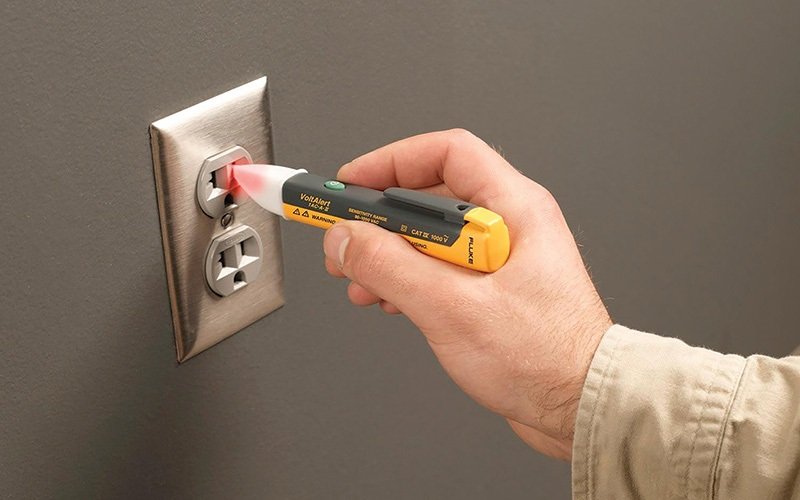
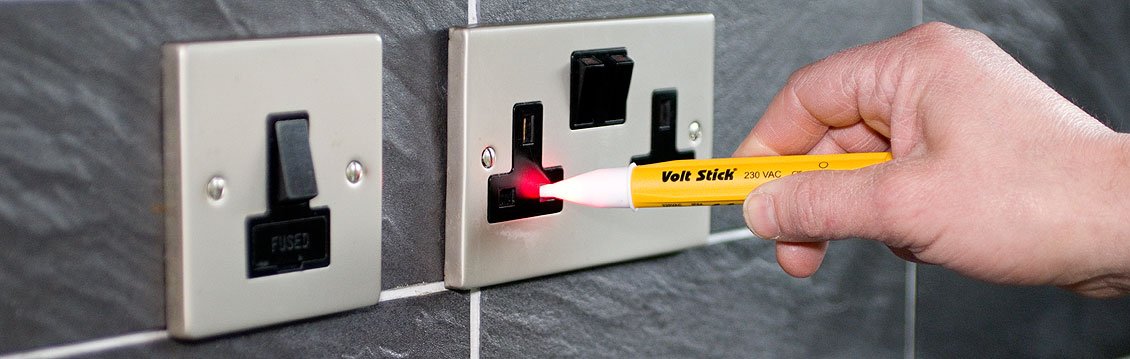
If you are using a non-contact voltage tester, place the tip near the outlet slot or conductor opening. If the tester lights up or beeps, voltage may be present. If you are using a contact tester, make sure it makes proper contact with the correct point.
One useful detail beginners often miss is that an outlet can have a strange condition called open neutral or reversed wiring. A basic tester may not explain everything. If the outlet seems unusual, stop and investigate further before using it.

Credit: megadepot.com
How to Use a Voltage Tester on a Switch
A switch can be a little tricky because one part may be live even when the light is off. That is why testing a switch requires patience and proper steps.
- Turn off the breaker if you plan to remove the switch cover or touch wires.
- Verify your tester on a known live source.
- Use the tester near the switch box, screws, or exposed wire points only when the area is safe to access.
- Check each wire or terminal carefully.
- Look for any sign of voltage before touching anything metal.
If you are only checking whether a wall switch controls power, you may test the light fixture side or the switch itself, depending on access and your skill level. Do not assume a switch is dead just because a light is off. The wiring in the box may still be energized.
Another non-obvious point: some switches control multiple circuits in one box, especially in older homes. That means one wire may be dead while another is live. Always test each conductor separately.
How to Use a Voltage Tester on a Wire
Testing a wire is where caution matters most. A wire may carry power even if it looks harmless. If the insulation is damaged, exposed metal may be live. Never grab a wire just to see what happens.
First, make sure the circuit is supposed to be off. Then test your voltage tester on a known live source. After that, bring the tester close to the wire or touch it directly, depending on the type of tester you own.
- Make sure the wire is exposed enough for safe testing.
- Hold the insulated part of the tester only.
- Test each wire one at a time.
- Watch for a light, sound, or reading.
- Repeat the live-dead-live check after testing.
If you are using a multimeter, set it to the correct voltage range before touching the probes. One common beginner mistake is using the wrong setting. Another is touching the wrong part of the probe. Always hold the insulated handles and keep fingers behind the guard.
A common trap with non-contact testers
Non-contact testers can sometimes react to voltage that is nearby, not directly on the wire you are checking. In a crowded box, one live conductor can influence another area. That is why a positive beep is useful, but not enough by itself for high-confidence work. When in doubt, confirm with a second test method.
Read the Result the Right Way
The result is only useful if you understand what it means. A light, beep, or number is not just a signal. It is information about whether a conductor may be energized.
With a non-contact tester, a beep usually means voltage is present or near the tip. With a multimeter, the number tells you how much voltage is there. With a contact tester, the result may show a clear live or dead state. Always read the instructions for your exact model because signals can vary.
If the tester says “live,” treat the circuit as dangerous. Do not assume it is a false alarm unless you have a strong reason and a second test confirms it. If the tester says “dead,” still stay careful. A dead reading should be confirmed before you touch wires, especially on older systems.
Credit: ecmag.com
After the Test, Do Not Rush
Once you finish testing, keep your focus. The job is not done until you have confirmed the circuit status and put everything back safely. If you removed a cover plate, reinstall it only after the area is secure. If you turned off a breaker, label it if needed so no one accidentally turns it on.
Store your tester in a dry place. Check the batteries from time to time. A tool with weak batteries may still light up, but not reliably. That can be dangerous during an important job.
Two small habits that improve safety a lot
First, test before and after every important step. Second, never assume a wire is safe because someone else said it was off. Your own test is what matters. These habits sound simple, but they prevent many avoidable accidents.
Common Mistakes to Avoid
Even a good tester cannot protect you from bad habits. The tool works best when used with care and good judgment. Here are the mistakes that cause trouble most often.
- Skipping the tester check before and after use.
- Trusting a single reading without confirming it.
- Using the wrong tester type for the job.
- Forgetting that power can be present even when a switch is off.
- Testing with wet hands or in a damp area.
- Touching exposed metal instead of the insulated parts.
- Working on damaged wiring without stopping to assess the risk.
Another mistake many beginners make is standing too close to the breaker panel while trying to think through the steps. It is better to pause, read the labels, and stay organized. A calm approach is safer than a fast one.
When a Voltage Tester Is Not Enough
A voltage tester is great for basic safety checks, but it has limits. It may not show you the full condition of a circuit. It will not repair bad wiring. It will not tell you why a breaker keeps tripping. It will not make a dangerous job safe on its own.
If you see burned marks, melted insulation, buzzing sounds, sparking, or a hot smell, stop. These are signs of a bigger problem. If the breaker trips again after you reset it, there may be a short circuit, overload, or faulty device. In that case, the smart choice is to bring in a qualified electrician.
Also stop if you are unsure about the wiring color, the circuit layout, or the tool’s reading. Guessing is not a strategy. Electricity does not reward guesswork.
Simple Practice Example
Imagine you want to replace a wall outlet cover. First, switch off the breaker for that room. Then use your tester on a known live outlet to confirm it works. Next, test the outlet you plan to work on. If the tester shows no voltage, test again with a second check if possible. After that, remove the cover carefully and test the screws or wires only if needed and if your skill level is enough for that step.
If the tester shows voltage at any point, stop and go back to the breaker panel. Do not continue until you confirm the circuit is truly off. That simple pattern helps you stay safe: verify the tool, verify the circuit, then work slowly.
Credit: voltstick.com
Building Good Electrical Habits
Learning how to use a voltage tester is not only about one task. It is about building a safe habit for every electrical job. Good habits are what protect you when you are tired, distracted, or working in a tight space.
Always use the right tester. Always check the tester first. Always treat unknown wiring as live until proven otherwise. And always stop if the situation looks beyond basic home repair.
Over time, this careful routine becomes natural. You will spend only a little extra time, but you will gain a lot more safety and confidence.
FAQ
1. What is the easiest voltage tester for beginners?
A non-contact voltage tester is usually the easiest for beginners. It is simple to use and does not require direct contact with the wire. Even so, you should still confirm the tool works before and after each test.
2. Can a voltage tester tell me if a circuit is completely safe?
No. A voltage tester can show whether voltage is present, but it cannot guarantee total safety. You should still shut off the breaker, verify the tool, and inspect the area before touching anything.
3. Why does my tester beep near a wire even after I turned off the switch?
Some switches do not cut power to the full box, only to the light or device. Nearby live wires can also trigger a non-contact tester. This is why you should test carefully and not rely on the switch alone.
4. Do I need a multimeter, or is a simple tester enough?
For basic home checks, a simple voltage tester is often enough. If you need exact readings or want to troubleshoot a more complex issue, a multimeter is better. It gives more detail, but it also takes more skill to use correctly.
5. What should I do if the tester gives a strange or unclear result?
Stop and retest. Check the tester on a known live source, then test the circuit again. If the result still seems unclear, do not guess. Call a qualified electrician if the wiring or reading does not make sense.
