
If you are asking why wont my pressure washer start, you are not alone. This is one of the most common problems people face after a season of storage, a long break, or a small maintenance mistake.
The good news is that most start-up problems are simple. In many cases, the machine is not broken. It just has a fuel issue, a water flow issue, or a safety switch that is doing its job. The trick is to check the right things in the right order.
This guide walks you through the most common causes and the easiest fixes. You will also learn a few small details that many beginners miss, which can save time, money, and a lot of frustration.
Start with the easiest checks first
When a pressure washer will not start, do not jump straight to major repairs. Begin with the basics. A machine often fails for one simple reason, and a quick check can solve it in minutes.
Before touching anything, make sure the washer is on a flat surface, the water supply is turned on, and the machine is not connected to a damaged extension cord. Then move through the most common causes one by one.
Check the power source
If you have an electric pressure washer, the problem may be with power, not the washer itself. A loose plug, weak outlet, or tripped breaker can stop the machine from starting.
- Make sure the plug is fully inserted.
- Test the outlet with another device.
- Check the circuit breaker or fuse box.
- If using an extension cord, make sure it is heavy-duty and the correct length.
One mistake many people make is using a cord that is too long or too thin. That can reduce voltage and prevent the motor from starting. Some electric pressure washers are very sensitive to poor power flow.
Look at the water supply
A pressure washer usually needs water flowing properly before it will run well. If the water supply is weak, blocked, or turned off, the machine may refuse to start or may shut down right away.
- Open the water tap fully.
- Check that the hose is not bent or twisted.
- Clean the inlet screen if it is dirty.
- Make sure the hose has enough pressure and flow.
A simple but important point: many pressure washers have a built-in safety system that blocks operation when water flow is too low. That means the machine may seem dead even when the motor is fine.
Fuel problems are a top reason gas models fail
If your pressure washer is gas-powered, fuel is often the first place to look. Old fuel, empty fuel tanks, and bad fuel flow can all stop the engine from starting.
Gas engines are especially sensitive after storage. Fuel can go stale in a matter of months. When that happens, the engine may crank but not fire, or it may start for a second and die.
Use fresh fuel
Old fuel is one of the biggest hidden problems. Gasoline breaks down over time and can leave sticky residue inside the tank, carburetor, and fuel line.
If the fuel has been sitting for a long time, drain it and refill the tank with fresh gasoline. If your machine allows it, use fuel with the correct octane and avoid fuel with too much ethanol, since ethanol can attract moisture and damage small engines over time.
Check the fuel valve and line
Some pressure washers have a fuel valve that must be turned on before starting. If it is closed, the engine will not get fuel.
- Make sure the fuel shutoff valve is open.
- Inspect the fuel line for cracks or kinks.
- Look for leaks or blocked flow.
If the fuel line is damaged, the engine may starve for fuel even if the tank is full. That can create a confusing situation where the washer seems like it should start, but it never catches.
Clean the carburetor if needed
A dirty carburetor is another common reason a gas pressure washer will not start. Tiny fuel passages can clog with varnish or debris, especially after the machine sits for a while.
Signs of carburetor trouble include hard starting, sputtering, or the engine only running with choke. Cleaning or rebuilding the carburetor often solves the issue, but if you are not comfortable with engine parts, a small engine shop can handle it quickly.
Air, spark, and compression all matter on gas engines
A gas engine needs three things to run well: fuel, air, and spark. If one of them is missing, the pressure washer will not start. This is why people sometimes replace parts too early when the real problem is much simpler.
Inspect the spark plug
The spark plug is small, but it plays a big role. If it is dirty, worn, or loose, the engine may not start at all.
- Remove the spark plug.
- Check for heavy carbon buildup, oil, or damage.
- Make sure the gap is correct if the manual gives a spec.
- Replace the plug if it looks worn or cracked.
Another detail beginners often miss: a spark plug can look fine but still fail under compression. If the washer has fuel and air but no start, a new plug is a cheap and smart test.
Check the air filter
A clogged air filter can choke the engine. If too little air gets into the carburetor, the fuel-air mix becomes too rich and the engine may not fire.
Remove the air filter and inspect it. If it is dirty, clean it if the type allows cleaning, or replace it. Never run a gas washer long-term without an air filter, because dirt can damage the engine.
Look at the engine oil level
Some pressure washers have a low-oil shutdown feature. If the oil level is too low, the engine may refuse to start as a safety measure.
Check the oil with the washer on level ground. Add the correct oil type if needed. Do not overfill, because too much oil can also create problems.
| Problem | What you may notice | Easy fix |
|---|---|---|
| Old fuel | Engine cranks but does not fire | Drain and refill with fresh fuel |
| Dirty spark plug | No start or weak start | Clean or replace the plug |
| Clogged air filter | Starts poorly, then stalls | Clean or replace the filter |
| Low oil | Engine will not start | Top up oil to the correct level |
Electric pressure washer not starting? Think in a different way
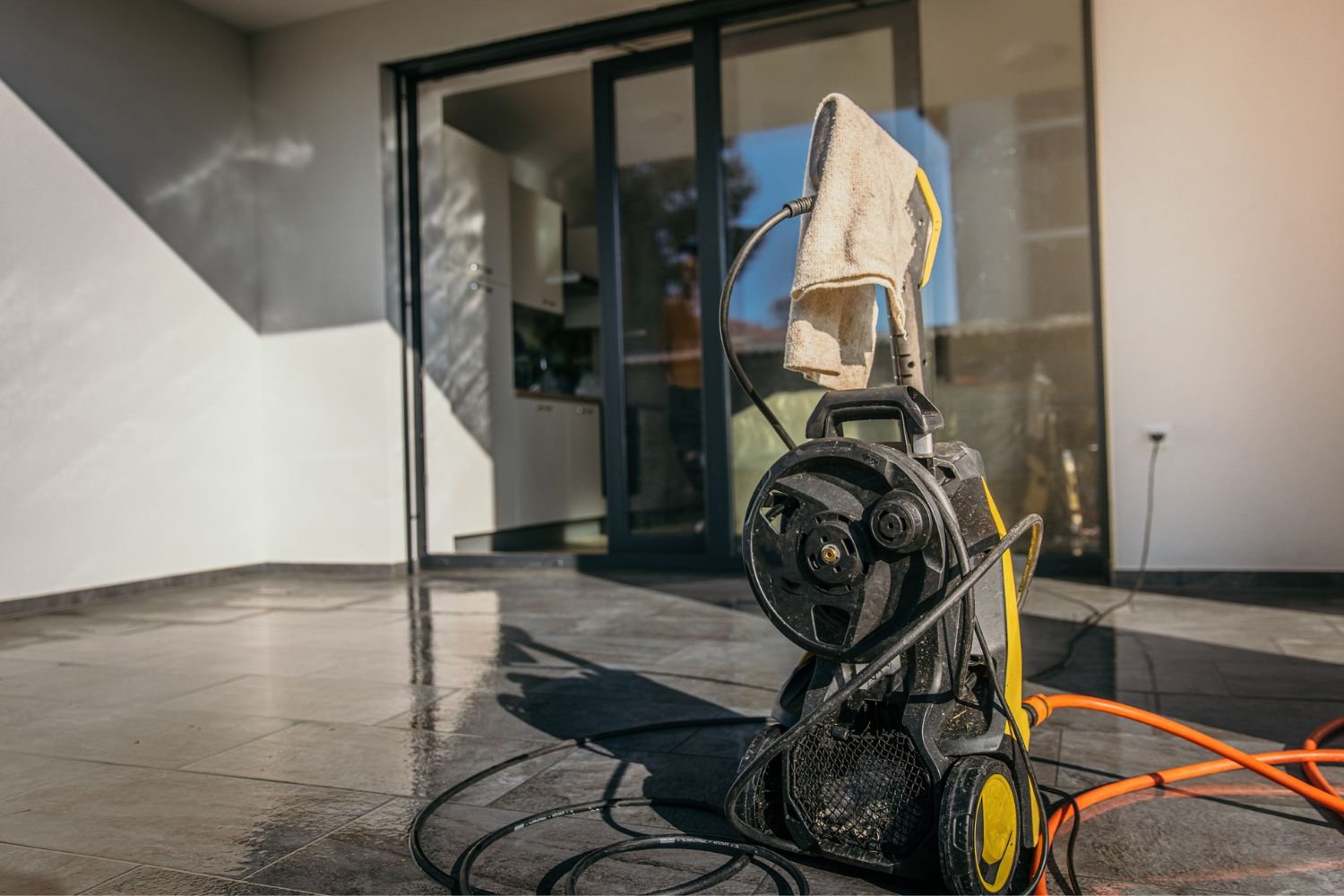
Electric models do not have fuel, spark plugs, or carburetors. That makes them simpler in some ways, but the failure points are different. If your machine is electric, focus on power delivery, switches, and internal safety systems.
Credit: bobvila.com
Test the trigger and reset features
Some electric pressure washers will not start unless the trigger is pulled or a reset button is pressed. This is easy to overlook, especially if the machine has sat unused for a long time.
- Make sure the power switch is on.
- Pull the spray gun trigger to release pressure.
- Look for a reset button or overload switch.
If the washer makes no sound at all, the trigger safety or thermal protection may be the cause. Let the machine cool down if it has overheated, then try again.
Check for a tripped GFCI
Many electric pressure washers use a GFCI outlet or GFCI plug for safety. If the circuit trips, the machine will appear dead.
Reset the GFCI and test the outlet again. If it keeps tripping, there may be moisture in the cord, a damaged motor, or a wiring fault. In that case, stop using the washer until it is checked.
Inspect the cord and switch
A damaged power cord, broken switch, or worn internal connection can stop an electric washer from starting.
Look for cuts, burn marks, or bent prongs. If the switch feels loose or does not click properly, it may need replacement. For safety, do not open the motor housing unless you know how to do electrical repairs correctly.
Water pressure problems can stop the machine from firing up
This may sound strange, but low or irregular water flow can stop a pressure washer from starting properly. The machine depends on a steady water supply to protect the pump and manage internal pressure.
Remove air from the system
Air trapped in the hose or pump can create a false start condition. The machine may run briefly, then stop, or it may not build pressure at all.
Before starting, connect the water hose, turn on the tap, and squeeze the trigger gun until a steady stream of water comes out. This helps prime the system and push out trapped air.
Clean the nozzle
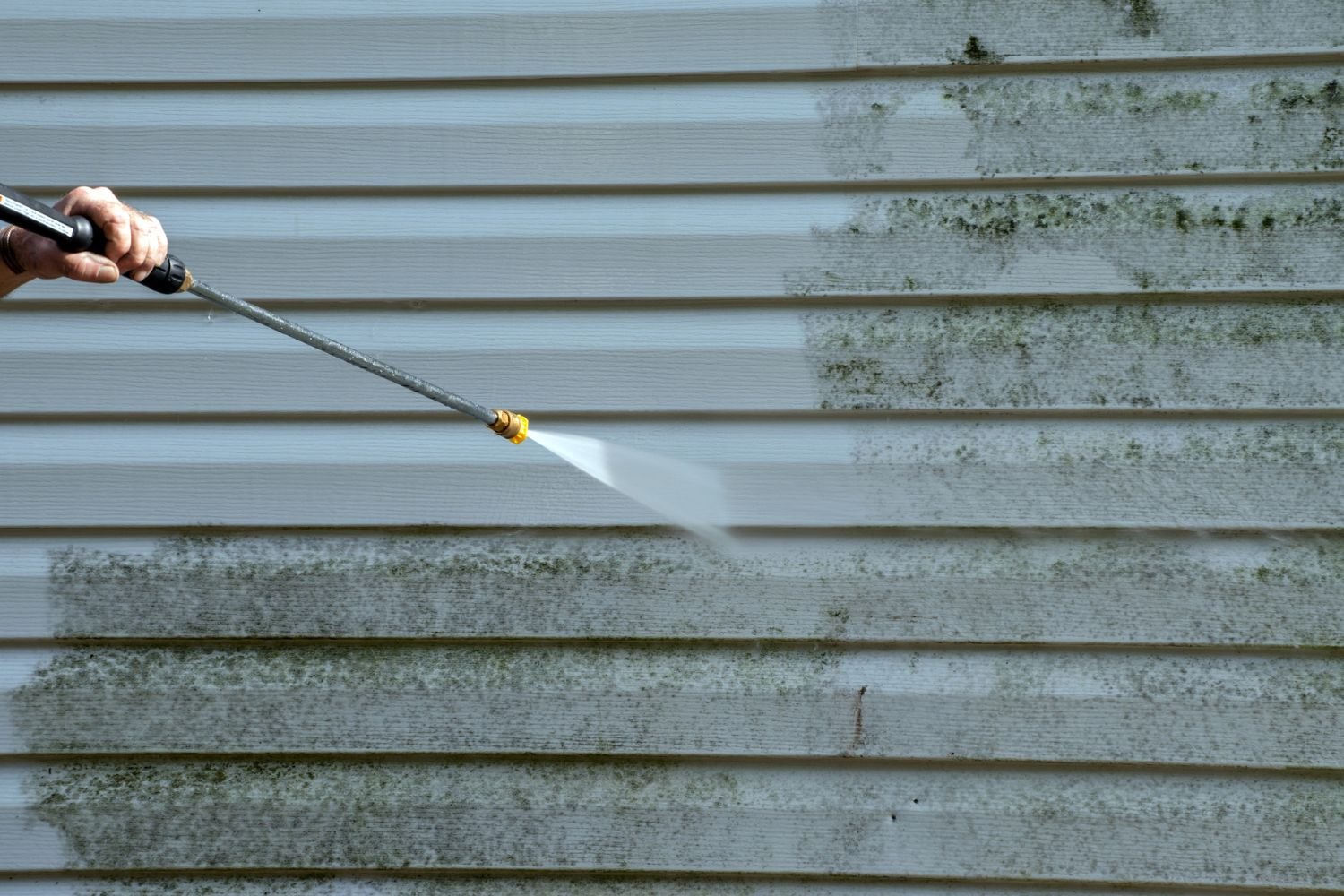
A blocked nozzle can make the washer work too hard or cause pressure buildup problems. If the nozzle is clogged, water cannot move freely through the system.
- Turn off the machine.
- Remove the nozzle.
- Clean it with the proper tool or a soft wire.
- Rinse it before reinstalling.
Many people think the engine is the problem when the real issue is just a clogged tip. It is a small part, but it can create big trouble.
Safety switches and pressure lock systems can fool you
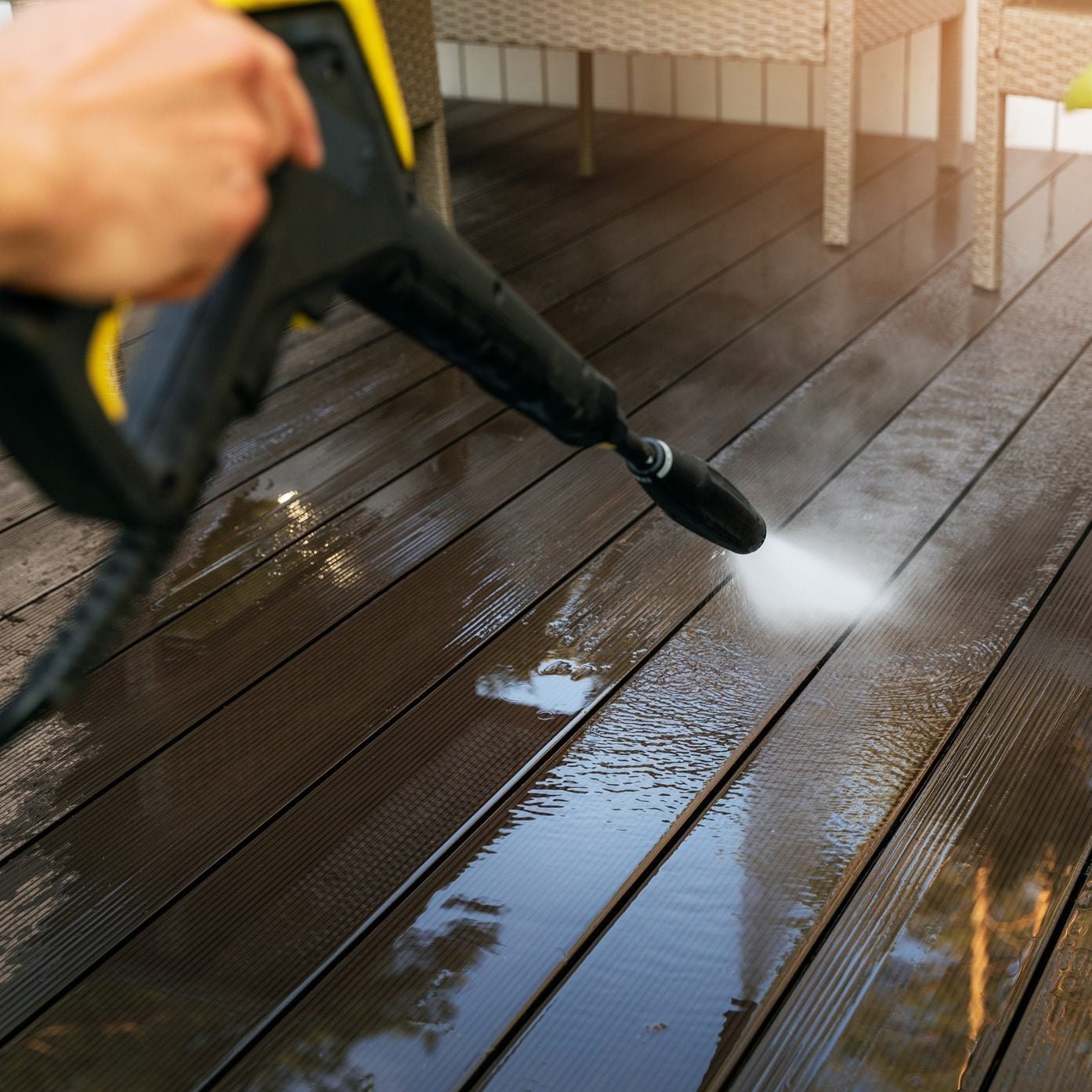
Modern pressure washers often include safety systems that prevent damage. These systems are useful, but they can make it feel like the machine has failed.
Credit: bobvila.com
Thermal overload protection
If the motor gets too hot, thermal protection may shut it down. This is common after long use, poor ventilation, or low water flow.
Let the machine cool for a while. Make sure vents are clear and the washer is not placed in direct heat for too long. Once it cools, try again.
Unloader valve issues
On gas pressure washers, the unloader valve helps control pressure. If it sticks, the engine may start poorly or stall under load.
This is not always the first thing to check, but it matters when the engine starts and then dies when you pull the trigger. A stuck unloader can also make starting harder because the pump and engine are fighting too much resistance.
Small mistakes during storage cause many no-start problems
Storage is one of the most overlooked causes of pressure washer trouble. A machine that worked perfectly last season may refuse to start now because it was put away the wrong way.
Drain fuel before long storage
Gas left in the tank for months can turn into varnish. That sticky residue clogs the fuel system and makes starting much harder.
If you plan to store the washer for a long time, either drain the fuel or use a fuel stabilizer according to the product instructions. Run the engine briefly after adding stabilizer so treated fuel reaches the carburetor.
Protect the pump
Water left inside the pump can cause damage, especially in cold weather. Frozen water expands and can crack parts.
Use pump protector fluid if recommended by the maker, and store the machine in a dry place. This does not just protect the pump. It also helps the washer start and run properly later.
Non-obvious storage lesson many people miss
If a washer was stored with the spray gun trigger locked, pressure can stay trapped in the system longer than expected. That can make the next start feel strange or heavy. Always release pressure before storing the machine.
When the washer starts but will not stay running
Sometimes the real problem is not a complete no-start. The machine starts, then shuts off right away. That pattern gives you a clue.
For gas models, the cause is often fuel delivery, a dirty carburetor, or a choke setting that is wrong. For electric models, the motor may be overheating, getting weak voltage, or tripping protection.
Watch the pattern closely
Try to notice what happens in the first few seconds:
- Does it fire once and die?
- Does it run only with choke on?
- Does it stop when you release the trigger?
- Does it hum but not spin properly?
These details help narrow the fault. A washer that starts only with choke usually points to a fuel-air mix problem. A washer that dies when the trigger is used may have a pump or unloader issue.
A practical step-by-step fix order
If you want the fastest path to a solution, follow this order. It avoids wasted effort and covers the most likely causes first.
- Check power or fuel supply.
- Make sure the water source is on and flowing well.
- Inspect the hose, cord, and trigger gun.
- Clean or replace the air filter.
- Check the spark plug on gas models.
- Use fresh fuel on gas models.
- Reset GFCI or overload protection on electric models.
- Prime the system and remove trapped air.
- Look for clogged nozzles or inlet screens.
- Check oil level and safety shutdown features.
This order works because it starts with the cheapest, easiest fixes and moves toward deeper issues only when needed.
When to stop troubleshooting and get help
Some repairs are simple, but not every problem should be handled at home. If you smell burning, see damaged wiring, find fuel leaks, or hear metal scraping inside the engine, stop and get help.
You should also call a technician if the machine has no spark after basic checks, the carburetor needs a full rebuild, or the pump appears damaged. A good repair shop can save time if the problem is beyond a basic fix.
If you want to compare your troubleshooting steps with official maintenance advice, the Consumer Reports pressure washer maintenance guide is a useful reference.
Credit: familyhandyman.com
Simple prevention habits that keep it starting next time
The best way to avoid future problems is to give the pressure washer a little care before and after use. Most start-up problems come from neglect, not age.
- Use fresh fuel in gas models.
- Run clean water through the pump after use.
- Store the machine in a dry place.
- Check the air filter and spark plug regularly.
- Inspect the cord and hose before each season.
- Drain or stabilize fuel before long storage.
One smart habit: start the washer for a few minutes every few weeks during the season. Machines that sit too long are far more likely to develop clogged fuel parts or stuck valves.
Another useful detail: if your washer starts only after several pulls, do not ignore it. That is often an early warning sign. Fixing it now is much easier than waiting until it fails completely.
FAQs
Why wont my pressure washer start after sitting all winter?
Old fuel, a dirty carburetor, a weak spark plug, or a clogged nozzle are the most common reasons. Cold storage can also affect the pump and seals. Start with fresh fuel, then check the plug, air filter, and water flow.
Why wont my electric pressure washer start even though it has power?
It may have a tripped GFCI, a faulty trigger switch, an overheated motor, or low water flow. Make sure the outlet works, reset any protection switch, and check that water is flowing freely through the machine.
Can low water pressure stop a pressure washer from starting?
Yes. Many washers have safety systems that block operation when water supply is weak. Make sure the hose is open, not kinked, and connected to a steady water source before starting.
How do I know if the spark plug is the problem?
If the engine cranks but does not fire, the spark plug is a strong suspect. Remove it and inspect it for wear, dirt, or damage. Replacing an old plug is a simple and low-cost test.
When should I take my pressure washer to a repair shop?
Take it in if you smell burning, see fuel leaks, suspect wiring damage, or have already checked the basic causes with no result. Also get help if the carburetor, unloader valve, or pump seems damaged.
