
If you have ever seen a dirty driveway turn bright in minutes, you may have asked, who invented the pressure washer? It is a simple question, but the answer is not tied to one single person in the way people often expect. The pressure washer came from a mix of ideas, industrial needs, and smart improvements over time.
What makes this story interesting is that the tool did not appear all at once. It grew from early steam cleaning methods, then moved into water pumping systems, and later became the strong, compact machine we know today. Along the way, inventors and engineers solved real problems: how to make water hit harder, how to make cleaning faster, and how to do it safely.
In this article, we will look at the history behind the pressure washer, the people who helped shape it, and why this tool became so useful in homes, farms, garages, and factories. You will also see why the answer to who invented the pressure washer is more complex than a single name.
The early need for stronger cleaning power
Long before electric pressure washers were common, people needed a way to remove grease, mud, paint, and heavy dirt faster than scrubbing by hand. This need grew in places like factories, rail yards, ships, and farms. Water alone could clean, but ordinary water flow was not enough for hard jobs.
That is where the basic idea behind pressure cleaning began: use force, not just volume. When water is pushed through a smaller opening under pressure, it hits a surface with much more power. This simple idea became the heart of the pressure washer.
Industrial cleaning needs were especially important. Workers had to clean equipment, engines, floors, and tools quickly. Doing this by hand took too long and used too much labor. So engineers kept looking for ways to make water do more work.
Steam cleaning came first
One of the earliest steps toward the pressure washer was steam cleaning. Steam was used in industrial settings to loosen grease and dirt. It was not yet a pressure washer, but it showed that heat and forceful cleaning could save time and effort.
Steam cleaning systems were useful, but they were not the final answer. They could be heavy, hard to move, and not always suitable for every surface. Still, they helped create the idea that mechanical cleaning was better than simple washing in many situations.
Why pressure mattered so much
The real breakthrough was understanding that cleaning power could come from water pressure, not just hot water or soap. This matters because pressure can cut through buildup without always needing harsh chemicals. That made the future pressure washer useful in a wide range of settings.
Beginners often miss this point: a pressure washer is not just a stronger hose. It is a machine designed to control flow, pressure, and spray pattern together. That control is what makes it effective and, when used badly, dangerous.
So, who invented the pressure washer?
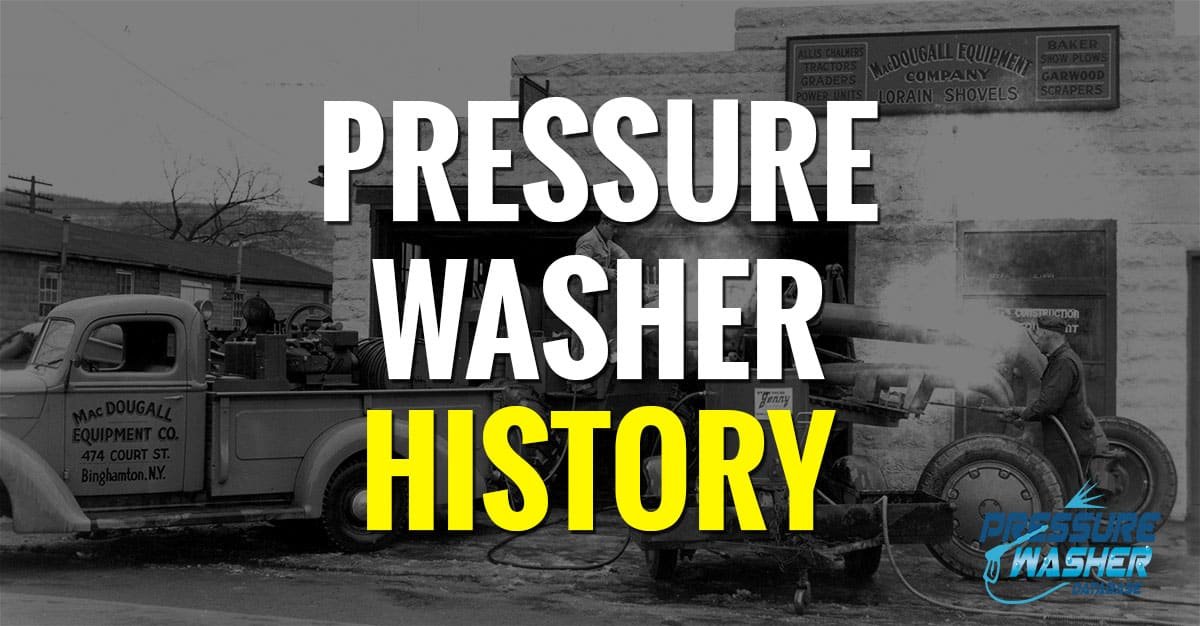
If you want one clear answer to who invented the pressure washer, the honest reply is that no single person invented the modern machine in one moment. The pressure washer evolved through many stages. However, one name often comes up in early pressure cleaning history: Francis E. Davis, an American engineer who is often credited with early work related to high-pressure cleaning systems in the 1920s.
Davis helped develop systems that used pressurized water for cleaning and industrial use. His work is important because it moved the idea closer to what we now call a pressure washer. But even then, the machine was not yet the small, easy-to-use version many people recognize today.
Later improvements from other inventors and manufacturers made the tool more practical. These included better pumps, more reliable engines, safer hoses, and improved nozzles. So while Davis is a key early figure, the pressure washer as we know it was built over time.
Why history gives more than one answer
Many inventions are like this. A product may have one important early creator, but the version used by most people comes from many hands. The pressure washer is a good example. Different people solved different parts of the problem.
One person may improve the pump. Another may create a better spray tip. A company may package all of it into a smaller, easier machine. When that happens, the final tool becomes the result of shared progress, not just one idea.
How the pressure washer changed from an industrial tool to a home tool
At first, pressure washers were mainly used in industrial places. They were large, expensive, and not easy to move. They were built for heavy-duty jobs where cleaning speed mattered more than convenience.
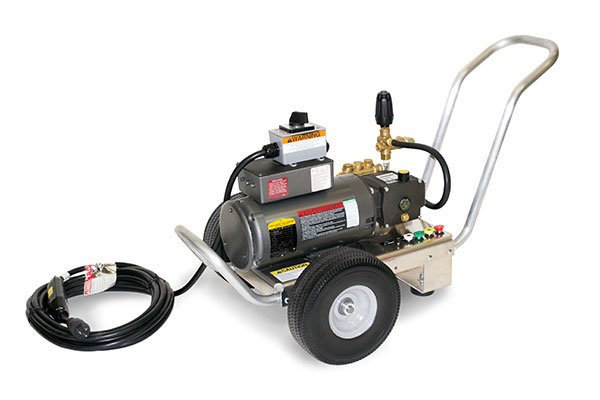
Over time, technology became smaller and cheaper. Engines became more efficient. Electric motors improved. Hoses became stronger. Pumps became more reliable. These changes made it possible for regular homeowners to buy and use pressure washers for patios, cars, fences, and walls.
This shift changed everything. A tool once seen mostly in factories became common in garages and garden sheds. That is why many people now think of pressure washers as household tools, even though they began in industrial settings.
Credit: buyroyce.com
Gas models and electric models
As the pressure washer developed, two main types became popular: gas-powered and electric.
- Gas pressure washers usually deliver more power and are better for large outdoor jobs.
- Electric pressure washers are quieter, lighter, and easier for smaller tasks.
This split also helped the machine grow in popularity. People could choose the right tool for their job instead of buying one large machine for everything.
A second insight many beginners miss is that the best pressure washer is not always the strongest one. Too much pressure can damage wood, paint, vinyl, and even concrete if used badly. The invention was not only about force. It was also about controlled force.
The engineering ideas that made it possible
The pressure washer depends on a few key parts working together. When these parts improved, the whole machine improved. That is why the history of the pressure washer is also the history of pump design, nozzle control, and motor efficiency.
The pump
The pump is the heart of the machine. It takes water in and pushes it out under pressure. Without a good pump, there is no true pressure washer. Early pumps were less efficient and harder to maintain. Better seals, stronger materials, and improved designs made the machines much more useful.
The nozzle
The nozzle may look small, but it is very important. It controls how the water sprays. A narrow spray gives more force in one spot. A wider spray covers more surface with less force. This flexibility is one reason pressure washers can clean so many different things.
The motor or engine
Pressure washers also became more practical because of better power sources. Electric motors helped make smaller units suitable for home use. Gas engines gave more freedom and power for outdoor work. As these power sources improved, the machine became easier to trust and easier to buy.
A short timeline of pressure washer development
The history is easier to understand when viewed step by step. The following timeline shows how the tool developed over time.
| Period | Development | Why it mattered |
|---|---|---|
| Late 1800s to early 1900s | Industrial steam cleaning and early pressurized water systems | Showed that forceful cleaning could save time and labor |
| 1920s | Early pressure cleaning systems credited to Francis E. Davis and similar industrial work | Brought high-pressure water cleaning closer to a real machine |
| Mid-1900s | Better pumps, motors, and hoses | Made machines more reliable and more practical |
| Late 1900s | Home-use pressure washers became common | Helped the tool reach homeowners, car owners, and small businesses |
| Today | Compact electric units and powerful gas models | Pressure washers are now standard cleaning tools in many places |
How the pressure washer became so popular
People love pressure washers because they make hard cleaning jobs feel simple. A dirty patio, a stained wall, or a muddy car can look much better in a short time. This time-saving benefit made the machine popular very quickly.
Another reason is versatility. One tool can wash a car, clean a sidewalk, remove mildew, rinse outdoor furniture, and prepare a surface for painting. Few cleaning tools offer that much range.
The pressure washer also fits modern life well. People want fast results. They want tools that do more with less effort. A pressure washer matches that need perfectly.
Credit: buyroyce.com
What many first-time users get wrong
Some people assume more pressure always means better cleaning. That is not true. Different surfaces need different settings. Soft wood, painted siding, and delicate materials can be damaged by too much force.
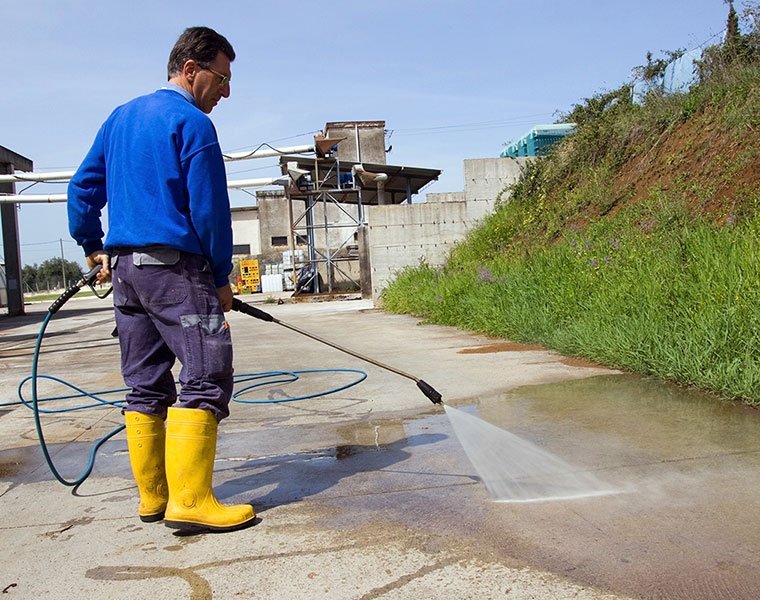
Another common mistake is ignoring water safety. A pressure washer can remove dirt, but it can also cause injury. The spray can cut skin, damage eyes, and break fragile materials. That is why proper nozzles and safe distance matter so much.
The pressure washer and modern cleaning culture
Today, pressure washers are part of everyday cleaning culture. Homeowners use them to keep outdoor spaces neat. Small businesses use them to make storefronts and parking lots look clean. Contractors use them before painting or sealing surfaces.
The tool has also created new habits. People now expect deep cleaning to be fast. In that sense, the pressure washer changed not only how we clean, but how we think about cleaning.
It also influenced other tools. Many machines now focus on strong performance, quick setup, and simple controls. The pressure washer helped prove that powerful cleaning could still be user-friendly.
Where it is used most today
- Home driveways and patios
- Cars, bikes, and outdoor equipment
- Decks, fences, and garden furniture
- Commercial buildings and sidewalks
- Industrial machinery and workshop floors
Why the invention still matters
Understanding who invented the pressure washer is not just about giving credit. It helps explain how practical tools evolve. Most useful inventions are not created in one step. They are built through problem-solving, testing, and improvement.
The pressure washer is a perfect example of that pattern. It started with a simple need: clean harder surfaces faster. Then engineers and inventors kept improving the idea until it became the machine many people use today.
That story matters because it shows how real-world problems drive invention. It also reminds us that the best tools often come from many small improvements, not just one big breakthrough.
One authority source worth knowing
If you want to explore the engineering side of high-pressure cleaning and fluid systems, the Engineering ToolBox offers useful technical information about pressure, flow, and related concepts.
What to remember about the history of the pressure washer
The history of the pressure washer is a story of progress. It began with industrial cleaning needs, grew through better pump technology, and became a practical tool for homes and businesses. While Francis E. Davis is often linked to early pressure cleaning development, the modern pressure washer was shaped by many people and many improvements.
So, when someone asks who invented the pressure washer, the best answer is this: it was not invented by only one person. It was developed over time by engineers who kept finding better ways to clean with water pressure.
That is what makes the pressure washer such an interesting invention. It is not just powerful. It is the result of a long search for a smarter way to clean.
Credit: pressurewasherdb.com
FAQs
1. Who invented the pressure washer?
There is no single inventor of the modern pressure washer. However, Francis E. Davis is often credited with early pressure cleaning development in the 1920s. The full machine was shaped by many later improvements.
2. Was the first pressure washer used at home?
No, early pressure washers were mainly used in industrial places. They were large machines made for factories, equipment cleaning, and heavy-duty jobs. Home models came much later.
3. What made the pressure washer possible?
The pressure washer became possible because of better pumps, stronger hoses, improved nozzles, and more reliable electric and gas motors. These parts worked together to create strong, controlled water spray.
4. Why do pressure washers clean so well?
They clean well because water is pushed out under high pressure through a small nozzle. This creates a strong force that removes dirt, mud, grease, and grime much faster than normal water flow.
5. Are pressure washers safe to use?
Yes, they are safe when used correctly. But they can also be dangerous if misused. Always wear proper protection, use the right nozzle, and keep a safe distance from the surface you are cleaning.
