
A chainsaw chain does not last forever. Even a well-made chain wears down from cutting wood, hitting dirt, touching rocks, and normal use. At first, the change is small. The saw feels a little slower. The cuts look rough. You may think the problem is the engine or the bar, but often the real issue is the chain.
Knowing when to replace a chainsaw chain helps you cut faster, safer, and with less effort. It also protects the bar, sprocket, and even the saw motor. Many users wait too long and keep sharpening a chain that is already past its useful life. That can waste time and make the saw harder to control.
In this guide, you will learn the real signs of chain wear, the best timing for replacement, and a few expert tips that help you avoid costly mistakes. You will also see the difference between a chain that only needs sharpening and one that should be replaced now.
How a chainsaw chain wears out over time
A chainsaw chain is made of cutting teeth, drive links, and depth gauges. Each part works under pressure every time the saw runs. The teeth become dull. The rivets loosen a little. The cutters may chip or bend. Even if the chain still looks “okay” at first glance, its cutting shape slowly changes.
Wear depends on the wood you cut, how often you sharpen, how well you oil the bar, and whether the chain has hit anything hard. Dry or dirty wood wears a chain faster than clean softwood. Cutting near the ground can be even harder on it because sand acts like sandpaper.
One thing beginners often miss is that a chain can become “used up” even if it is sharpened regularly. Sharpening removes metal each time. After many sharpenings, the cutters become too short to work properly. At that point, the chain may still be sharp, but it is no longer safe or efficient.
The three main stages of chain life
It helps to think of a chainsaw chain in three stages:
- Good condition — Cuts cleanly, sharpens well, and stays stable on the bar.
- Worn but usable — Still cuts, but needs sharpening more often and may pull or vibrate more.
- End of life — Sharpening no longer helps much, and the chain should be replaced.
The challenge is knowing where your chain is on that path. The next sections will make that much clearer.
Clear signs it is time to replace the chain
The best answer to when to replace a chainsaw chain is simple: replace it when wear makes it unsafe, slow, or impossible to sharpen into proper shape. Here are the most common signs.
The chain will not stay sharp for long
If you sharpen the chain and it becomes dull again after only a short amount of cutting, the cutters may be too worn to hold a clean edge. This is very common after repeated sharpening. It can also happen if the chain has been overheated or used on dirty wood.
A healthy chain should not need sharpening after only a few light cuts in clean wood. If it does, the metal may be too thin or damaged.
The cutters are getting too short
Each time you sharpen, you remove a little metal from the cutter. After enough sharpenings, the cutter tops become much shorter than they were originally. When that happens, the chain often loses cutting speed and becomes harder to control.
A useful rule is this: if the cutter length is no longer even across the chain, or if several teeth are much shorter than the others, replacement is usually the better choice.
The chain cuts crooked or pulls to one side
If your saw constantly drifts left or right, the chain may have uneven cutters. This can happen when one side was sharpened more than the other or when some teeth were damaged. Small differences can sometimes be corrected with careful sharpening, but if the problem keeps coming back, the chain may be too far gone.
This is one of the less obvious signs beginners miss. They often blame the bar, but the chain is often the real cause.
The saw makes fine dust instead of chips
A sharp chain throws out small wood chips. A worn chain often makes dust or very tiny crumbs. That means the cutters are not biting properly.
Sometimes dust means the chain only needs sharpening. But if sharpening does not restore chip production, the chain may have lost too much cutting edge to work well.
The chain vibrates more than usual
Too much vibration can come from several problems, including a loose chain, damaged drive links, or uneven cutters. If the chain still vibrates after correct tensioning and sharpening, it may be worn in a way that cannot be fixed.
Do not ignore vibration. It affects comfort, control, and cutting accuracy.
Teeth are chipped, cracked, or missing
Any broken cutter is a serious warning sign. Small chips may sometimes be sharpened out, but cracked or missing teeth usually mean replacement is the safest move. One damaged tooth can also make the whole chain cut unevenly.
If the chain has hit a rock, nail, or wire, inspect it closely. Damage is not always easy to see right away.
The depth gauges are out of shape
Depth gauges control how much wood each cutter takes. If they become too high or uneven, the chain may feel weak and slow. You can file them, but only to a point. When the rest of the chain is already heavily worn, fixing the depth gauges may not be worth the time.
The chain has visible rust or stiffness
Rust can be more than a cosmetic problem. Light surface rust may clean off, but heavy rust can weaken the chain and affect how smoothly it moves around the bar. Stiff links are another warning. If several links do not move freely, the chain may not be safe to use.
Timing matters more than many people think
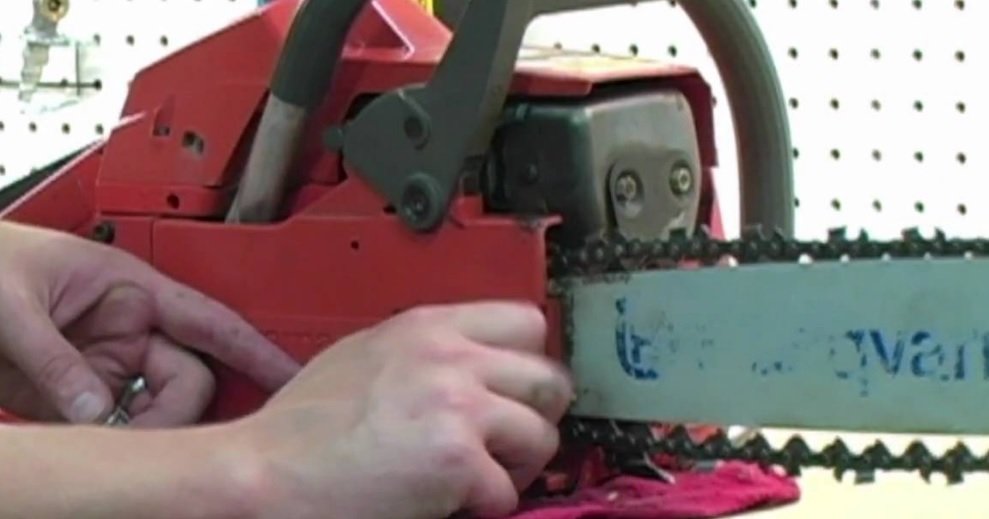
There is no exact number of cuts or hours that works for every chain. Replacement timing depends on use, material, care, and cutting conditions. Still, some general timing patterns are helpful.
Credit: toolsadvisers.com
Replace sooner if you cut dirty wood
Chains used in sandy soil, storm-damaged trees with grit inside the bark, or wood that has been dragged on the ground wear out much faster. In these cases, the chain may need replacement long before a clean-wood chain would.
Replace after repeated sharpenings
Many chains can be sharpened several times before they become too short. The exact number depends on how much material is removed each time and how the chain was treated. If you sharpen often and the chain still cuts poorly, you are likely near the end of its useful life.
A smart habit is to inspect the chain after every few sharpenings. Compare the cutter length, tooth shape, and overall performance. Do not wait until the saw becomes difficult to use.
Replace before a big job if the chain is already weak
If you are about to prune large limbs, cut firewood for a day, or work on a remote property, do not start with a questionable chain. A chain that is “almost done” can fail at the worst time. Replacing it early is often cheaper than losing time in the middle of a job.
Keep a spare chain ready
One of the best habits is to own at least one spare chain. That gives you a quick backup when the main chain dulls or fails. It also helps you compare cutting performance. If the spare works much better, that is a strong sign your current chain should be retired.
| Chain condition | What you may notice | Best action |
|---|---|---|
| Sharp and even | Clean chips, smooth cutting, low vibration | Keep using and maintain properly |
| Dull but healthy | Slower cutting, more pressure needed | Sharpen the chain |
| Worn and uneven | Pulling to one side, dust instead of chips | Inspect closely; replacement may be near |
| Damaged or heavily shortened | Chipped teeth, poor performance after sharpening | Replace the chain |
How to tell sharpening is no longer enough
Many users keep sharpening because it feels cheaper than buying a new chain. But sharpening only helps when the chain still has enough metal and the cutters still have proper shape. Once the chain is too worn, sharpening becomes a temporary fix with poor results.
Here are the main signs that sharpening has reached its limit:
- The cutters are too short to file properly.
- One side has been sharpened so much that it no longer matches the other side.
- The chain still cuts slowly after careful sharpening.
- You must push the saw hard to make it cut.
- The chain heats up too fast or leaves burn marks on the wood.
A very important point: if you must sharpen a chain again and again just to keep it usable, you are often spending more time and effort than the chain is worth. At that stage, replacement usually saves money in the long run because it protects the bar and sprocket too.
What beginners often overlook
New users often focus only on sharpness. But cutting quality is also about geometry. Even a “sharp” chain can perform badly if the cutters are no longer matched in length or angle. That is why a worn chain may still seem sharp when touched, yet cut poorly in real work.
Another missed detail is the drive links. If they are worn thin, the chain may sit too low in the bar groove and behave poorly even when the cutters look okay. This is a strong reason to inspect the whole chain, not just the teeth.
Expert tips to extend chain life
If you want to delay replacement, good care matters. A chainsaw chain wears out faster when tension, oiling, or sharpening is neglected. These tips can help you get more life from every chain.

Credit: reddit.com
Keep the chain properly tensioned
A chain that is too loose can jump, wear unevenly, and damage the bar. A chain that is too tight adds heat and friction. Check the tension often, especially when the chain is new. New chains stretch more in the beginning.
Use good bar and chain oil
Lubrication reduces friction and heat. If the chain runs dry, it wears much faster. Make sure the oiling system works and the oil level stays up during use. Do not assume the saw is oiling properly just because oil is in the tank. Look for oil spray and check the bar groove.
For a reliable overview of safe chainsaw care, you can also review guidance from the Occupational Safety and Health Administration.
Sharpen both sides evenly
Uneven sharpening is a common reason chains wear out early. Use the same angle and number of strokes on each cutter. If one side is longer than the other, the saw will pull and the chain may fail sooner.
Avoid cutting into dirt, stones, and metal
This seems obvious, but it is one of the biggest reasons chains die early. Even a quick touch with a rock can chip teeth. If you are cutting near the ground, lift the wood whenever possible.
Clean the chain after heavy use
Resin, dirt, and sawdust build up over time. A dirty chain does not move as smoothly and can wear faster. Clean it before storage, especially after cutting sticky softwood or wet logs.
A small habit that pays off
After each job, take one minute to inspect the cutters and drive links. That short check can reveal damage before it becomes serious. It is a simple habit, but it saves chains.
When to replace a chainsaw chain versus the bar or sprocket
Sometimes the chain is not the only worn part. A bad bar or sprocket can make a good chain perform badly. That is why it helps to inspect the full cutting system before buying anything.
Replace the chain first when the teeth are worn, uneven, or damaged. But if your new chain still cuts poorly, the bar groove may be worn, the sprocket may be damaged, or the bar may be bent.
Here is a practical way to think about it:
- Chain problem: dull cutters, missing teeth, uneven sharpening, short cutters.
- Bar problem: uneven groove wear, bent bar, poor chain tracking.
- Sprocket problem: rough rotation, hooked teeth, strange noise, extra vibration.
Two non-obvious points matter here. First, a worn sprocket can destroy new chains faster than you expect. Second, a damaged bar can make you think the chain is bad when the chain is actually fine. So if you keep replacing chains too often, inspect the whole setup before blaming the chain again.
How to inspect a chain before deciding
If you are unsure about replacement, remove the chain and check it carefully under good light. Wipe away oil and sawdust first. Then inspect each cutter and link.
- Look for broken, chipped, or missing teeth.
- Compare the left and right cutters for length and shape.
- Check whether the chain moves freely at every link.
- Inspect the drive links for wear or bending.
- Look for rust, cracks, or blue discoloration from heat.
- Check if the depth gauges are very low or uneven.
If several problems appear at once, the chain is likely near the end of its life. One small issue can sometimes be fixed. Many issues together usually mean it is time to replace the chain.
Common mistakes people make
Many chain problems come from user error, not just age. Avoid these mistakes if you want better results and longer chain life.
- Waiting too long to replace a chain that keeps getting worse.
- Sharpening unevenly and causing the saw to cut sideways.
- Ignoring lubrication and running the chain dry.
- Cutting with a loose chain and damaging the bar groove.
- Assuming all dull chains are the same when some are simply worn out.
Another common mistake is buying a new chain but failing to match the correct pitch, gauge, and drive link count. A wrong-size chain may not fit or may work badly even if it seems close. Always check the saw manual or existing chain markings before ordering.
Credit: gardentoolexpert.com
Final advice on choosing the right replacement moment
If you are asking when to replace a chainsaw chain, the real answer is not based on age alone. It is based on performance, tooth shape, and safety. Replace the chain when sharpening no longer restores clean cutting, when cutters become too short, or when damage appears that cannot be fixed safely.
For most users, the best timing is before the chain becomes a problem in the middle of a job. That means acting early when you notice slow cutting, uneven performance, or repeated dulling. A fresh chain cuts faster, puts less strain on the saw, and makes the work easier and safer.
In short, do not wait until the chain is completely worn out. Watch the signs, inspect the chain often, and keep a spare ready. That small habit can save time, reduce frustration, and keep your chainsaw working the way it should.
FAQs
How often should I replace a chainsaw chain?
There is no fixed schedule. Some chains last a long time with clean cutting and good care, while others wear out quickly in dirty or heavy use. Replace the chain when sharpening no longer improves cutting or when the teeth become too short or damaged.
Can I keep sharpening a chainsaw chain forever?
No. Every sharpening removes a little metal. After many sharpenings, the cutters become too short and the chain loses proper cutting shape. At that point, replacement is the better choice.
What is the biggest sign that a chain needs replacement?
One of the biggest signs is when the saw still cuts poorly after a careful sharpening. If the chain makes dust, pulls to one side, or needs too much pressure, it may be worn out.
Is a dull chain the same as a worn-out chain?
Not always. A dull chain can often be sharpened and used again. A worn-out chain has lost too much metal or has damage that sharpening cannot fix well.
Should I replace the chain or the bar first?
Check both. If the cutters are worn, damaged, or uneven, replace the chain. If a new chain still does not cut well, inspect the bar and sprocket next.
