
If you have ever opened a box of screws and seen a round, slightly flat-top screw, you were probably looking at a pan head screw. It is one of the most common screw types used in homes, factories, electronics, and furniture. Many people use them every day without knowing the name.
So, what is a pan head screw? In simple words, it is a screw with a rounded top and a flat bearing surface underneath. This shape gives it a clean look, easy drive access, and good holding power in many jobs. It is not the right screw for every task, but it is a very useful one.
In this guide, you will learn what a pan head screw is, where it is used, why people choose it, how to read its sizes, and how to avoid common mistakes when buying or installing one.
What makes a pan head screw different
A pan head screw has a head shape that looks like a small shallow pan turned upside down. The top is rounded, and the sides slope down gently. The bottom of the head is flat, which helps the screw sit firmly against the surface.
This design gives the screw a balance of strength and appearance. It does not sink deeply into the material like a flat head screw. Instead, it rests on top of the surface, which is helpful when you want the head to stay visible or when the material is too thin for countersinking.
The drive style can vary. Pan head screws may come with Phillips, slotted, hex, Torx, or other drive types. That means the head shape is pan head, but the tool engagement can be different depending on the job.
Why the head shape matters
The shape of the screw head affects more than just appearance. It changes how the screw grips the material, how much torque you can apply, and how easily the screw can be removed later.
Because the head is rounded, a pan head screw gives a larger visible surface than a countersunk screw. That can be useful when you want better load spread on the top of soft materials or when the screw should not pull through a thin sheet.
Where pan head screws are commonly used
Pan head screws are used in many places because they are versatile and easy to handle. They work well in light to medium-duty fastening jobs and are often chosen when appearance and function both matter.
Here are some common uses:
- Electronics and appliance assembly
- Furniture and cabinet hardware
- Sheet metal fastening
- Plastic parts and enclosures
- Automotive trim and interior parts
- General repair and maintenance work
In electronics, pan head screws are often preferred because they are easy to install in small spaces and provide a neat finish. In furniture, they are useful for attaching brackets, hinges, and support parts. In sheet metal, they can help hold parts together without needing deep countersinking.
Good fit for thin materials
One reason pan head screws are popular in thin materials is that the head stays on the surface. Thin sheet metal, plastic panels, and light enclosures may not have enough thickness for a countersunk screw. A pan head screw solves that problem without weakening the material.
Not ideal for every visible surface
Even though the head looks neat, it still sits above the surface. If you need a completely flush finish, a flat head screw is usually better. This is one of the most common beginner mistakes: choosing a pan head screw when the project really needs a countersunk style.
Benefits of using pan head screws
There are several reasons builders, technicians, and DIY users choose pan head screws. The best choice depends on the material, the load, and the final look you want.
1. Easy to drive
The wide head gives a clear target for the tool. This can make installation easier, especially when working by hand or in tight spaces. Many users also find them easier to remove later because the head is easy to see and access.
2. Good surface contact
The flat underside of the head spreads pressure across the top of the material. This helps reduce damage in soft or thin materials. It also gives better holding support than some very small or narrow screw heads.
3. Clean appearance
Pan head screws have a simple and neat look. They are not hidden like flush screws, but they also do not look bulky or rough. For many products, that balance is ideal.
4. Works with many drive types
You can find pan head screws with different drive systems, so they fit many tools and assembly needs. This makes them practical in both manual and machine-driven work.
5. Useful in many materials
They work in wood, plastic, metal, and composite materials, depending on the thread type and screw material. That flexibility is one reason they appear in so many industries.
Non-obvious insight: a pan head screw is often chosen not because it is the strongest possible option, but because it gives the best balance of grip, access, and appearance. That is why it appears so often in product assembly.
How pan head screws compare with other screw heads
People often confuse pan head screws with similar styles. The difference is usually in the head shape and how the screw sits on the surface.
| Head type | Shape | Surface position | Best for |
|---|---|---|---|
| Pan head | Rounded top with flat underside | Sits above the surface | General fastening, electronics, sheet metal |
| Flat head | Conical top | Sits flush in a countersunk hole | Flush finishes, woodworking |
| Round head | More domed than pan head | Sits above the surface | Decorative or older-style hardware |
| Truss head | Very wide, low profile | Sits above the surface | Soft materials, wider bearing area |
| Button head | Low dome shape | Sits above the surface | Modern look, compact fastening |
Among these, pan head screws are especially common because they are simple, practical, and easy to source. They do not try to disappear into the surface. Instead, they provide a neat visible finish with solid function.
Credit: toolsprofy.com
Pan head screw sizes and how to read them
Understanding size is important if you want the screw to fit correctly. Pan head screws are usually described by diameter, length, thread type, and drive style. In some regions, sizes are written in metric units. In others, imperial units are used.
What the size numbers usually mean
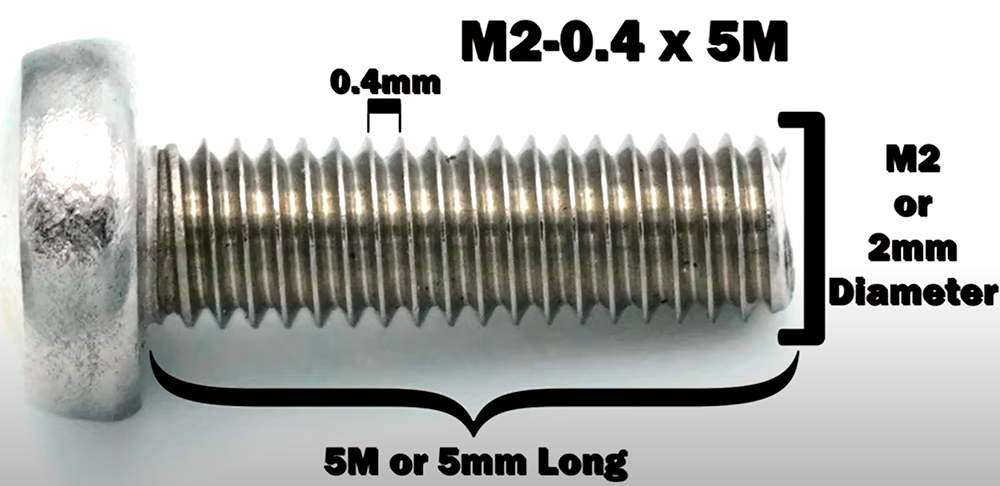
A typical metric screw size might look like this: M4 x 12. The “M4” refers to the thread diameter, and “12” refers to the length in millimeters. So this screw is 4 mm wide and 12 mm long.
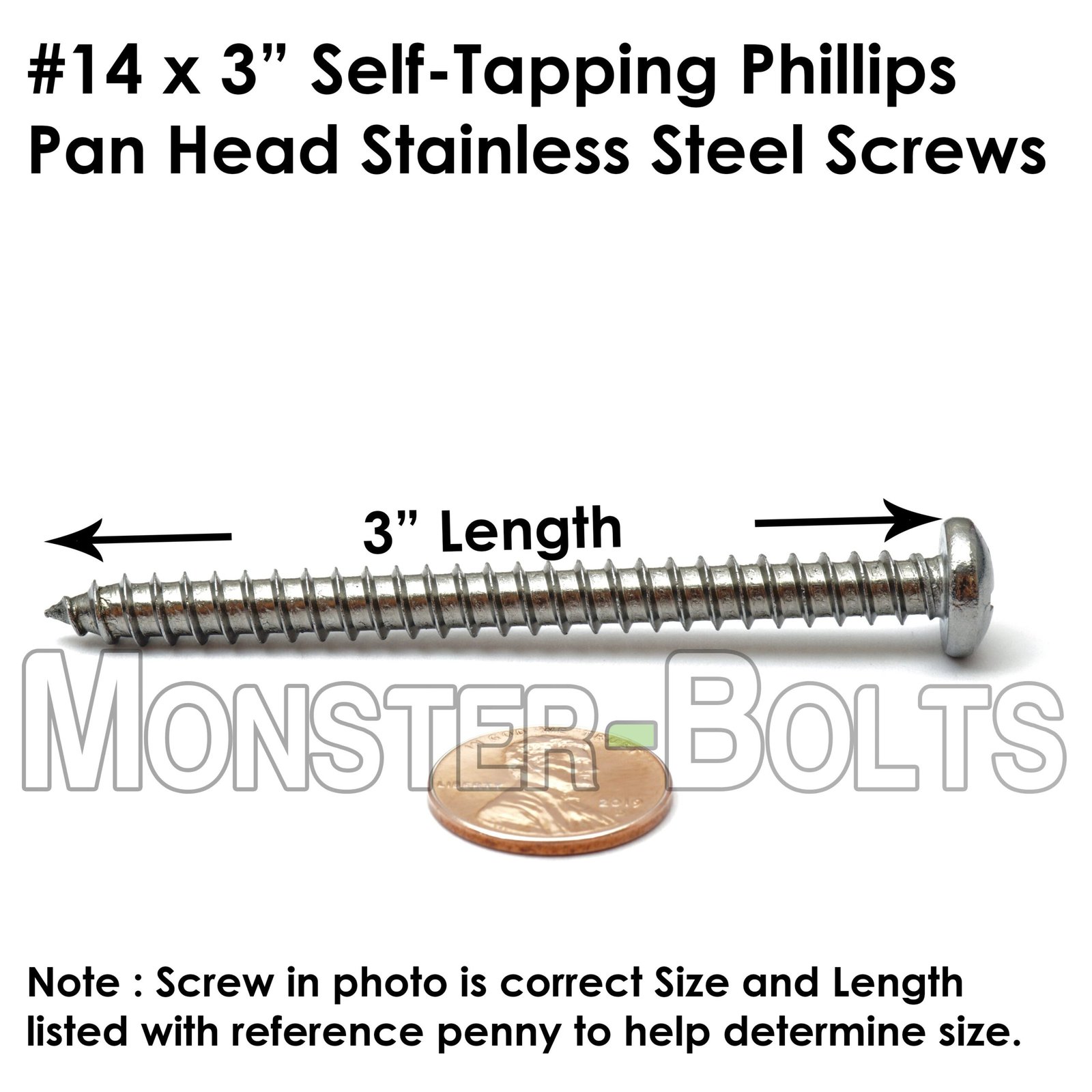
An imperial size may look like this: #8 x 1/2. The first number is the screw gauge, and the second is the length in inches. The exact thread count may also be listed, such as 8-32, which means 32 threads per inch.
Common diameter ranges
Pan head screws are available in many sizes, but these are some common examples:
- Small sizes for electronics and light plastic parts
- Medium sizes for furniture and general assembly
- Larger sizes for sheet metal and stronger fastening jobs
Non-obvious insight: many beginners focus only on length, but diameter matters just as much. A screw that is too thin may not grip well, while a screw that is too thick can split material or strip the hole.
How to choose the right length
The right screw length depends on the thickness of the material and how deeply the threads need to bite. A screw should be long enough to hold the parts together securely, but not so long that it breaks through the other side unless that is part of the design.
As a simple rule, in many fastening jobs the screw should engage enough material to hold firmly without over-penetrating. For soft materials, you may need a different approach than for metal or hard plastic.
Quick size selection tips
- Use a shorter screw for thin panels
- Use a wider screw for stronger grip in soft material
- Check hole size before buying
- Match the drive type to your tool
Materials and finishes you may see
Pan head screws are made from different materials depending on where they will be used. The material affects strength, corrosion resistance, and cost.
Common screw materials
- Stainless steel for rust resistance and outdoor use
- Carbon steel for general strength and lower cost
- Brass for decorative jobs and electrical uses
- Aluminum for lightweight applications
Finishes also matter. Zinc plating is common for basic corrosion protection. Black oxide or black coating may be used for a darker look or light protection. For harsh environments, stainless steel is often the safer option.
If you want more technical detail on screw head styles and standards, a helpful reference is the International Organization for Standardization. It is not a shopping guide, but it helps explain why sizes and forms are standardized in many industries.
How to choose the right pan head screw for your project
Choosing the right screw is not only about head shape. You also need to think about the material, thread type, length, and the environment where the screw will be used.
Credit: pecofasteners.com
Match the thread to the material
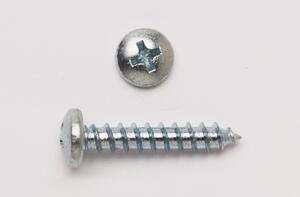
Wood screws, machine screws, and self-tapping screws all behave differently. A pan head screw with the wrong thread type may not hold well, even if the size looks correct.
- Use wood screws for wood
- Use machine screws with nuts or threaded holes in metal
- Use self-tapping or sheet metal screws for thin metal or plastic, when appropriate
Think about torque and tool access
Some jobs need higher tightening force. If that is the case, choose a drive style that resists slipping better, such as Torx or hex. Phillips heads are common, but they can cam out more easily if too much force is applied.
This is a detail many beginners miss. The head shape and drive shape are not the same thing. A screw can be a pan head screw and still have a drive type that is better or worse for your specific job.
Consider the environment
Will the screw be indoors, outdoors, near water, or in a hot machine area? The answer affects your material choice. Stainless steel is usually a stronger choice for moisture and corrosion. Coated steel may be fine for dry indoor use.
Common mistakes when using pan head screws
Even though pan head screws are simple, mistakes still happen. Here are the ones people make most often.
- Using the wrong drive bit — This can damage the head and make removal difficult.
- Choosing the wrong length — A screw that is too short will not hold well, while one that is too long may damage the part.
- Over-tightening — This can strip threads, crack plastic, or deform soft material.
- Ignoring material type — A screw that works in wood may fail in metal if the thread type is wrong.
- Wanting a flush finish — Pan head screws sit above the surface, so they are not the best choice when you need a flat finish.
Another mistake is assuming all pan head screws are the same. Two screws may share the same head shape but differ in material, threading, or drive style. Those details matter a lot in real-world use.
Practical uses in everyday work
Pan head screws show up in many common tasks because they are easy to use and easy to replace. In home repair, they often secure brackets, hinges, light fixtures, and appliance covers. In workshops, they may be used for machine covers, control panels, and assembly parts.
They are also useful for projects where you may need to remove the screw later. Since the head remains visible and easy to reach, maintenance is simpler. That makes them a smart choice for service panels and removable covers.
Why installers like them
Installers often choose pan head screws because they reduce guesswork. The head is easy to line up, the screw is easy to inspect, and the installed result is usually neat enough for visible use. That saves time during assembly and repair.
Are pan head screws strong enough?
Yes, in many jobs they are strong enough. The strength does not come from the head shape alone. It depends on the screw material, thread design, diameter, length, and the material it is fastened into.
For example, a stainless steel pan head machine screw in a threaded metal hole can be very reliable. A small pan head screw in soft plastic, however, may not handle heavy load. So the real question is not whether pan head screws are strong in general. The better question is whether the specific screw is right for the job.
Non-obvious insight: in many assemblies, the head shape is chosen more for bearing area and serviceability than for raw strength. A well-matched pan head screw can outperform a stronger-looking screw that is the wrong type for the material.
Credit: monsterbolts.com
Final thoughts on choosing the right screw
Now you know the answer to what is a pan head screw. It is a rounded-head screw with a flat underside, designed for practical fastening where easy installation, visible access, and a neat finish matter. It is not always the best screw for a flush surface, but it is one of the most useful fasteners in everyday work.
If you remember only a few things, make them these: match the thread to the material, choose the right length, and think about the final look before buying. Those simple steps will help you avoid most screw problems.
When used correctly, pan head screws are reliable, flexible, and easy to work with. That is why they remain a standard choice in electronics, furniture, metalwork, and general repair.
FAQs
1. What is a pan head screw used for?
A pan head screw is used for general fastening in wood, metal, plastic, electronics, furniture, and light mechanical assemblies. It is useful when you want a visible head that is easy to install and remove.
2. Is a pan head screw the same as a round head screw?
No, they are similar but not identical. A pan head screw has a flatter top with a flat underside, while a round head screw is usually more dome-shaped. Pan head screws are more common in modern assembly work.
3. Can pan head screws be countersunk?
No, pan head screws are not designed to sit flush in a countersunk hole. If you need a flat surface, a flat head screw is the better choice.
4. What drive types can pan head screws have?
Pan head screws can come with Phillips, slotted, hex, Torx, and other drive types. The pan head describes the head shape, not the drive style.
5. How do I choose the right pan head screw size?
Choose the size based on material thickness, thread type, load, and hole size. Check the screw diameter, length, and drive type before buying. If possible, match it to the original screw you are replacing.
