
If you have ever opened a box of screws and seen labels like M3, 10-24, or pan head, you may have wondered what makes a machine screw different from other fasteners. The short answer is that a machine screw is made for threaded holes, nuts, or metal parts. It is one of the most common fasteners in machines, appliances, electronics, and many everyday products.
So, what is a machine screw? It is a screw with a uniform thread along most or all of its shaft, designed to fit into a tapped hole or pair with a nut. Unlike wood screws, it does not rely on biting into soft material. It works best where parts need a strong, secure, and often removable connection. That simple design makes it useful in many jobs, from fixing a chair bracket to building industrial equipment.
In this guide, you will learn how machine screws work, where they are used, how to read sizes, and how to choose the right type. You will also see common mistakes people make when buying them, which can save time, money, and frustration.
How a machine screw works
A machine screw is designed to join parts that already have threads. Those threads may be cut into metal, plastic, or another material, or they may come from a nut on the other side. When you turn the screw, the threads pull it forward and clamp the parts together.
This is different from a wood screw. A wood screw has a sharper thread and a tapered body so it can cut into soft material. A machine screw usually has a straight shaft and a more even thread pattern. That shape gives a more precise fit and better holding power in threaded holes.
The key idea is simple: machine screws are made for controlled fastening. They are not mainly for digging into material. They are for matching threads.
Why the thread matters
The thread on a machine screw is one of its most important features. Thread size affects how tightly the screw fits, how much load it can handle, and whether it matches the hole or nut. If the thread is wrong, the screw may feel tight at first but damage the part.
Beginners often think any screw that “almost fits” is good enough. It is not. A near match can strip threads, loosen under vibration, or break the part you are trying to repair.
Where machine screws are used
Machine screws are everywhere because they are practical and reliable. They show up in products that need repeated assembly, careful alignment, or a strong but removable hold.
- Electronics: laptop covers, power supplies, control panels, and small devices
- Appliances: washers, ovens, fans, and household machines
- Automotive parts: panels, brackets, trim pieces, and internal components
- Furniture: metal frames, bed parts, connectors, and hinges
- Industrial equipment: guards, mounts, cabinets, and machine assemblies
- DIY repairs: household fixes where a nut or tapped hole is available
They are also common in products that may be opened and closed many times. That is one reason machine screws are used more often than nails or adhesives in repairable products.
Why industries prefer them
There are two big reasons: consistency and serviceability. A machine screw gives a predictable clamp force when paired with the right thread and driver. It also lets workers or technicians remove and replace parts without damaging the whole assembly.
That matters in real life. A machine screw can support maintenance, inspection, and part replacement. Glue cannot do that. Many one-time fasteners cannot do that either.
Common machine screw sizes and how to read them
Machine screw sizing can look confusing at first because different systems are used in different places. Some screws use metric sizes, while others use imperial sizes. Both systems tell you the diameter, thread spacing, and length.
| Size type | Example | What it means |
|---|---|---|
| Metric | M4 x 0.7 x 12 mm | 4 mm diameter, 0.7 mm thread pitch, 12 mm length |
| Imperial | #8-32 x 1/2 in | #8 diameter, 32 threads per inch, 1/2 inch length |
The first number usually tells you the diameter. The second number tells you the thread spacing. The last number tells you the length.
For a beginner, the most important thing is not memorizing every size. It is learning how to match the screw to the hole or nut. If you mix up metric and imperial threads, the screw may seem close but will not fit properly.
Metric machine screw sizes
Metric machine screws are marked with an M followed by the diameter in millimeters. For example:
- M3 means 3 mm diameter
- M4 means 4 mm diameter
- M5 means 5 mm diameter
After the diameter, you may see the thread pitch. A marking like M4 x 0.7 means the screw is 4 mm wide with 0.7 mm between threads. If the pitch is not shown, it is sometimes assumed to be the standard pitch for that size.
Imperial machine screw sizes
Imperial sizes often use a gauge number and threads per inch. Examples include #4-40, #6-32, and #8-32. The first number is the diameter size. The second number tells you how many threads fit into one inch.
This system is common in the United States and in older equipment. If you are replacing a screw from a device made in another country, check carefully before buying a replacement.
Length and why it is easy to get wrong
Length is not always measured the same way for every screw head. Usually, the length of a machine screw is measured from under the head to the tip. Flat head screws are an exception because the head sits below the surface, so the full screw length may include the head shape.
This is a small detail, but it causes many buying mistakes. People often order a screw that is “almost right” in length and later find out it bottoms out too soon or sticks out too far.
Machine screw types you should know
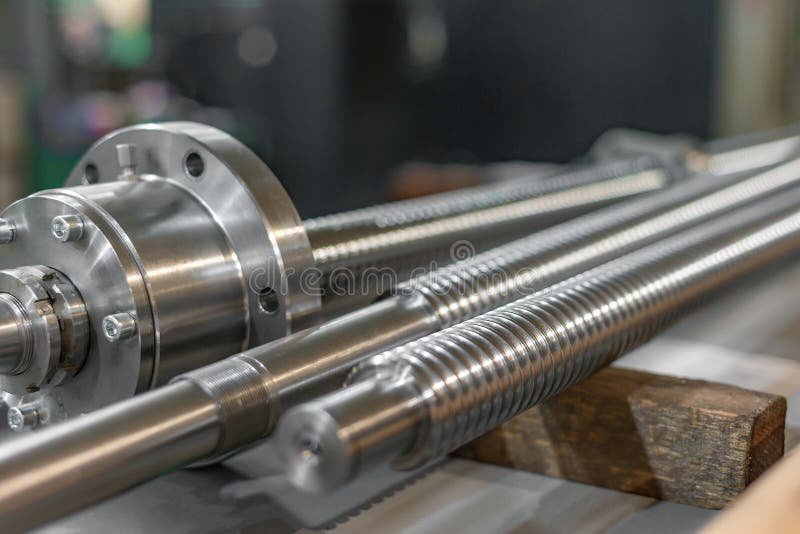
Machine screws come in many head styles and drive types. These affect how the screw looks, how it sits on the surface, and what tool you need to install it.
Credit: dreamstime.com
Common head styles
- Pan head: rounded top with a flat underside; very common in electronics and general hardware
- Flat head: sits flush with the surface when countersunk
- Round head: slightly domed, often used where appearance matters
- Hex head: tightened with a wrench or socket; good for stronger fastening
- Button head: low and rounded, often used when a smoother look is needed
- Truss head: wide head for spreading load over a larger area
Choosing the head style is not only about looks. It changes how the screw presses against the part. A wide head can help protect soft materials. A flat head can help create a smooth finish. A hex head can give better grip when more torque is needed.
Common drive types
- Phillips: very common and easy to find
- Slotted: simple, but easier to slip
- Hex socket: uses an Allen key; good for compact spaces
- Torx: star-shaped drive; strong grip and less cam-out
Cam-out means the driver slips out of the screw head under torque. This is a common problem with Phillips screws, especially if the tool does not fit well. Torx and hex socket drives usually resist that better.
Material and finish options
Machine screws are made from different materials depending on the job. Common choices include steel, stainless steel, brass, and sometimes nylon or other plastics.
- Steel: strong and affordable; often used with coatings for corrosion resistance
- Stainless steel: better resistance to rust and moisture
- Brass: corrosion-resistant and visually attractive, but softer than steel
- Nylon: lightweight and non-conductive, useful in some electrical applications
Finishes also matter. Zinc plating, black oxide, and other coatings can improve appearance or reduce rust. If the screw will be used outdoors or near water, material choice becomes very important. A cheap screw in the wrong finish may fail long before the part around it does.
How to choose the right machine screw
Choosing the right screw is not just about size. You need to match the thread, head style, material, and length to the job. A screw that is too short may not hold. A screw that is too long may damage what is behind the part.
Start with the thread match
This is the first and most important step. If the screw does not match the tapped hole or nut, nothing else matters. Check the original screw if you have it. If not, measure carefully or compare it with a known sample.
One useful habit is to bring the old screw to the hardware store instead of guessing from memory. People often remember the length correctly but not the thread pitch.
Then check the length
The screw should be long enough to engage the thread properly, but not so long that it touches another part inside the assembly. In shallow holes, extra length can create pressure at the bottom and crack the material.
For metal parts, a good rule is to use enough thread engagement to hold firmly without forcing the screw deeper than the hole allows. In thin material, the screw may need a nut or washer to improve the connection.
Pick the head and drive for access
Ask yourself how much space you have around the screw. A hex head may be strong, but it may not fit into a tight corner. A button head may look neat, but it may not spread load as well as a wider head.
The tool matters too. If the screw is in a tight enclosure, a Torx or hex socket may be easier to use than a screwdriver blade that slips.
Choose the right material for the environment
If the screw will face moisture, heat, salt, or chemicals, the wrong material can fail early. Stainless steel is often a safer choice for damp or outdoor use. Steel with a coating may work well indoors. Brass may be useful where rust resistance and conductivity concerns matter, but it is not as strong as steel.
This is one of those details beginners miss. They focus on length and forget the environment. Yet corrosion is one of the main reasons screws fail over time.
Machine screw uses in real projects
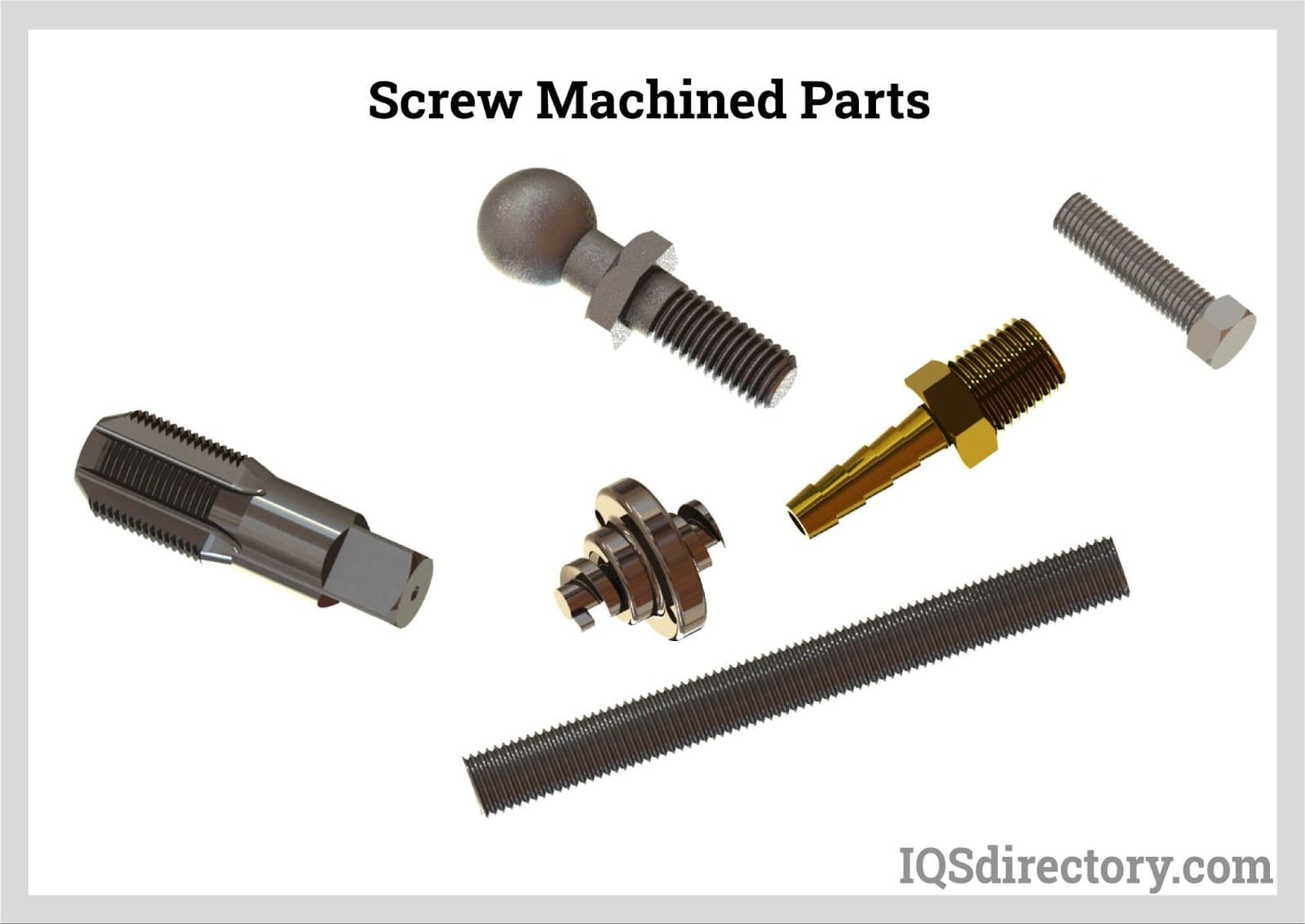
It helps to see machine screws in actual situations. Here are a few common examples.
Credit: iqsdirectory.com
Electronics repair
Small screws hold together laptop cases, audio devices, power supplies, and control boards. In these products, precision matters more than brute force. The screw must be small, accurate, and easy to remove without stripping the head.
Metal brackets and panels
Machine screws are ideal for joining brackets to tapped metal holes. They keep parts aligned and allow easy removal during maintenance. This is why they are common in cabinets, enclosures, and support frames.
Appliance assembly
Washers, dryers, and kitchen appliances often use machine screws to hold panels, motors, and covers. These products need fasteners that can handle repeated vibration and service access.
Furniture and light structures
Some furniture uses machine screws with inserts or nuts. This gives a cleaner, more repeatable connection than a screw that cuts into wood each time. It is especially useful in metal furniture and knock-down designs.
Common mistakes when buying or using machine screws
Even simple screws can cause problems if you choose the wrong one. These are the mistakes that come up most often.
- Mixing metric and imperial threads — They may look close, but they are not the same.
- Choosing the wrong length — Too short gives weak grip; too long can damage hidden parts.
- Using the wrong driver — A bad fit damages the head and makes removal harder.
- Ignoring corrosion risk — A screw that works indoors may fail outside.
- Forcing a screw into a damaged thread — This can strip the hole and make repairs much harder.
Another mistake beginners miss is assuming that thread depth does not matter. In tapped holes, the available thread depth sets the real limit. A screw cannot hold properly if only a few threads engage.
How machine screws compare with other screws
Machine screws are often confused with other fasteners. The differences are easy to understand once you compare the purpose of each type.
- Machine screw: used with tapped holes or nuts, usually for metal or precise assemblies
- Wood screw: designed to bite into wood and softer materials
- Self-tapping screw: cuts its own threads in some materials
- Sheet metal screw: made for thinner metal and light fastening jobs
If your project already has a threaded hole, a machine screw is usually the correct choice. If the material has no threads and no nut, another screw type may be better.
Practical tips for better results
Small habits make a big difference when working with machine screws.
- Keep one sample screw from the original part whenever possible.
- Use a caliper if size matters, especially for small hardware.
- Do not overtighten. Tight is good; crushed threads are not.
- If a screw keeps backing out from vibration, use a lock washer or thread locker where appropriate.
- Store screws by size and type so you do not mix them later.
One often overlooked point is torque. Many people think tighter is always safer. In reality, overtightening can strip threads, deform plastic, or snap a small screw. The best screw is the one that holds firmly without damaging the part.
For a trusted general reference on screw types and dimensions, you can also review the engineering overview from Bolt Depot.
How to identify a machine screw quickly
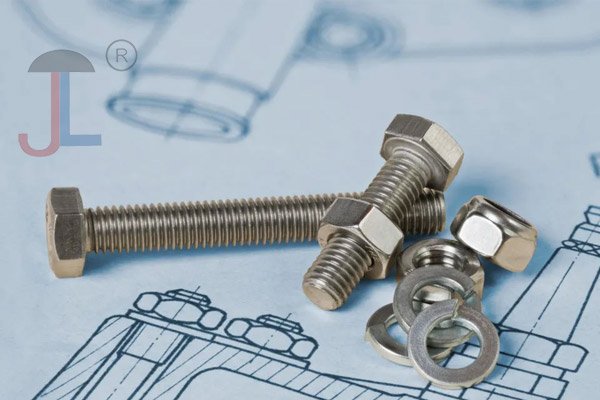
If you have an unknown screw in your hand, look at four things: thread, shaft, head, and tip. A machine screw usually has a uniform thread and a blunt or slightly rounded tip compared with wood screws.
Credit: jlrivet.com
Simple identification steps
- Check whether the thread runs evenly along the shaft.
- Look for a straight body rather than a tapered one.
- See whether the head style matches precision hardware, such as pan, flat, or hex.
- Compare the screw with a nut or tapped hole to confirm the thread.
If the screw fits a nut cleanly and does not need to cut its own path, it is likely a machine screw. That is usually the clearest sign.
Final thoughts
Now you know what is a machine screw and why it matters. It is a precise fastener made to work with threads that already exist, either in a nut or in a tapped hole. That makes it useful for equipment, appliances, electronics, furniture, and many repair jobs.
The most important things to remember are simple: match the thread, choose the right length, select the correct head and drive, and think about the material environment. If you do those four things well, you will avoid most screw problems before they start.
Machine screws may look small, but they play a big role in how products hold together. Once you understand the basics, choosing the right one becomes much easier.
Frequently asked questions
1. What is a machine screw used for?
A machine screw is used to fasten parts with threaded holes or nuts. It is common in metal assemblies, electronics, appliances, and other products that need a secure but removable connection.
2. How is a machine screw different from a wood screw?
A machine screw has a uniform thread and usually a straight shaft. It is made to fit into an already threaded hole or nut. A wood screw has a tapered body and sharper threads that bite into wood.
3. How do I know what size machine screw I need?
Check the diameter, thread pitch, and length. The safest method is to match the old screw or test it against the nut or tapped hole. Be careful not to mix metric and imperial sizes.
4. Can machine screws be used without a nut?
Yes, if the part already has a tapped hole. In that case, the screw threads directly into the material. This is common in metal parts, machinery, and some plastic components.
5. What is the best material for a machine screw?
The best material depends on the job. Steel is strong and common, stainless steel is better for moisture and rust resistance, brass is useful in some electrical or decorative uses, and nylon works in special lightweight applications.
