
If you see a strange stain on a wall, it is easy to ignore it at first. Many people think it is only dirt, water marks, or old paint. But when the wall is drywall, the real problem may be mold. And once mold starts growing, it can spread fast if the moisture source stays active.
Knowing what does mold look like on drywall can help you act early. Mold does not always look like the dark black patches people imagine. It can be white, green, gray, brown, yellow, or even fuzzy. It can also hide under paint, inside soft spots, or around small cracks where water entered. That is why careful visual checks matter so much.
In this guide, you will learn the common signs, colors, textures, and places where mold appears on drywall. You will also learn how to tell it apart from dirt, mildew, and water stains, plus what to do next if you find it.
Why drywall is a common place for mold
Drywall is a paper-faced building material, and mold likes paper. That is one big reason it grows so easily there. When drywall gets wet from a leak, flood, high humidity, or condensation, the paper surface can feed mold spores quickly.
The tricky part is that mold on drywall often starts inside the wall or under the paint. You may not see the full problem right away. Sometimes the first signs are small, like a faint stain, a soft wall, or a musty smell. By the time the patch is obvious, the growth may already be larger than it looks.
One detail many beginners miss is this: mold does not need a huge water event to begin. Even slow moisture from a tiny pipe leak, window condensation, or poor bathroom ventilation can be enough. Another missed clue is that mold often grows in a pattern that follows moisture, not a random shape. That means corners, edges, baseboards, and seams deserve close attention.
What mold looks like on drywall
When people ask what does mold look like on drywall, the answer is not one single look. Mold can appear in many forms depending on the species, the amount of moisture, and how long it has been growing. Still, there are common patterns you can watch for.
Common visual signs
- Discolored patches that look gray, black, green, brown, or yellow
- Spots or speckles that spread outward in clusters
- Fuzzy growth that looks soft, dusty, or hairy
- Patchy stains near leaks, windows, ceilings, or baseboards
- Paint bubbles or peeling caused by trapped moisture
- Soft, swollen, or crumbling drywall where the material has been damaged
Mold often starts as tiny dots and grows into larger blotches. It may look flat at first, then become fuzzy as it spreads. In some cases, it looks like dirt or soot. In others, it looks like water damage with a slight shadowy edge.
A useful rule is this: if the stain has grown, changed shape, or returned after cleaning, it is more likely to be mold than simple dirt. Fresh water stains usually do not keep spreading once the wall is dry. Mold can keep coming back if moisture remains.
How mold texture can change the look
The texture matters as much as the color. Mold may look:
- Powdery, like dust sitting on the wall
- Fuzzy, like small bits of cotton or hair
- Slime-like, if moisture is very high
- Crusty, if it has dried out after growing for a while
Drywall mold can also appear flat when it is growing beneath the surface. In that case, the visible sign may be only a stain, while the real growth is hidden inside the wall board. This is one reason why a wall that looks “just a little discolored” can still be a serious problem.
Colors that may appear on moldy drywall
Mold is not always black. In fact, color alone is not enough to identify it with certainty, but color can give you an important clue. Here is a simple guide to the shades you may see on drywall.
| Color | What it may look like | What it may suggest |
|---|---|---|
| Black | Dark spots, streaks, or patchy stains | Often mold, but can also be soot or heavy dirt |
| Green | Greenish film or spots | Common in damp areas with active growth |
| White | Powdery or chalky patches | Can be mold, salt deposits, or dust |
| Gray | Muted cloudy stains | Often older growth or moisture damage |
| Brown | Tea-colored or muddy marks | Can be mold, water stains, or aged damage |
| Yellow | Faint yellow rings or blotches | May happen with moisture and mixed growth |
Black mold gets the most attention, but green, gray, and brown mold are also common on drywall. White mold can be especially confusing because it may blend in with paint or look like mineral residue. That is why people should not depend on color alone.
Another thing beginners often miss is that old mold may fade. As it dries or becomes covered by paint, it can turn lighter, grayish, or dusty. So a pale stain does not automatically mean the wall is safe.
Where mold usually shows up on drywall
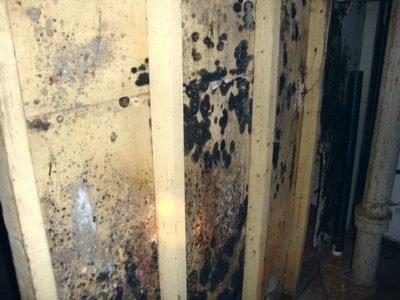
Location gives strong clues. Mold needs moisture, so it tends to appear where water collects or moves slowly. If you know the common trouble spots, you can inspect them faster and more carefully.
Credit: greenorchardgroup.com
High-risk areas to check first
- Near ceilings after roof leaks or upstairs plumbing problems
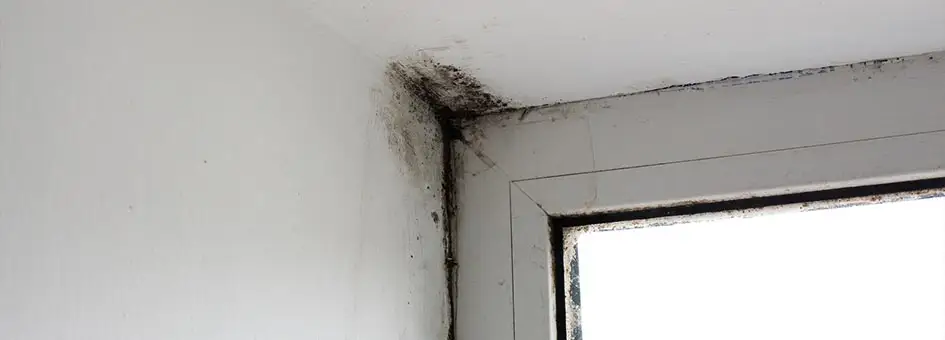
- Around windows where condensation or failed seals allow water in
- Behind furniture placed against cold exterior walls
- Under sinks where small leaks can stay hidden
- Near baseboards after flooding or repeated mopping
- In bathrooms with poor ventilation and frequent humidity
- In basements where the air is damp and walls may stay cool
Check corners first, especially where two walls meet or where the wall meets the ceiling. These spots often trap moisture longer than open wall areas. Also look at seams, nail pops, and areas around vents or pipes.
If only one area looks suspicious, do not stop there. Moisture often spreads beyond the visible stain. The surface spot may be small while the hidden damage is much larger.
How to tell mold from water stains, dirt, and mildew
Many people confuse mold with other wall problems. That mistake can lead to the wrong fix. If you clean a mold issue as if it were only dirt, it often returns. If you treat a water stain without fixing the leak, the problem also comes back.
Mold vs. water stain
Water stains are often yellow, brown, or tan. They usually have a ring shape or a larger faded patch. They may look flat and dry. Mold, on the other hand, is more likely to show spots, fuzz, or spreading clusters. It can also feel slightly raised or soft on damaged drywall.
A simple clue is timing. Water stains often appear soon after a leak and then stay in place. Mold can keep growing, darken over time, and create a musty smell.
Mold vs. dirt
Dirt usually wipes away more easily from a hard surface. On drywall, though, both dirt and mold can be hard to remove because the surface is porous. Still, dirt does not typically spread in a living pattern. It does not form fuzzy edges or grow in damp zones unless more dust keeps collecting.
If a mark looks like dust but keeps coming back after cleaning, moisture may be feeding mold underneath.
Mold vs. mildew
Mildew is a type of mold, but people often use the word to describe light surface growth. It is usually flat, gray or white, and easier to wipe from smooth surfaces. On drywall, mildew-like growth still matters because drywall is porous. What starts as a light film may be a sign that deeper mold is forming inside the board.
A practical way to think about it
If the spot is wet, soft, musty, fuzzy, or spreading, be more suspicious. If it is just a fixed stain with no growth and no smell, it may be water damage. But if you are unsure, treat it seriously until you know more.
Signs that mold is hiding behind the drywall
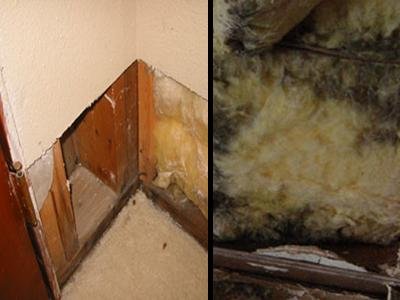
Sometimes the wall surface looks only slightly damaged, but the mold is inside the drywall or behind it. This hidden growth is common after leaks. It is one reason a wall can smell bad even when it looks mostly normal.
- Musty odor that gets stronger in a closed room
- Soft drywall that feels weak when pressed gently
- Paint bubbling or peeling without another clear cause
- Warped baseboards or swollen wall edges
- Recurring stains after the wall seems dry
- Visible rust around nails, screws, or metal corner beads
These signs matter because hidden mold can continue to spread even when the outer surface looks calm. A small stain can be the tip of a much bigger moisture problem behind the wall board.
One overlooked clue is temperature. A wall that feels cooler than surrounding areas may have trapped moisture inside. That does not prove mold, but it should make you look more closely.
How to inspect drywall safely
Inspecting a suspicious wall does not require special tools at first. A careful visual check, a smell check, and a touch test can tell you a lot. Still, do not tear open drywall right away unless the damage is obvious or severe.
Credit: totalcarerestoration.com
Simple inspection steps
- Look at the spot in good light.
- Check the shape, color, and edge of the stain.
- Smell the area for a musty or earthy odor.
- Gently press near the spot to see if the wall feels soft.
- Look above, below, and beside the area for more signs.
- Find the moisture source if possible, such as a leak, window, or plumbing line.
If the area is small and dry, you may be able to monitor it while fixing the moisture source. If it is large, soft, or keeps returning, the wall may need professional attention.
For more background on indoor mold and moisture control, a useful source is the U.S. Environmental Protection Agency. Their guidance can help you understand why moisture control is the key step, not just surface cleaning.
When a stain is likely mold and when it is not
Not every stain on drywall is mold. But some clues make mold much more likely. Use the pattern, smell, and wall condition together instead of relying on one sign alone.
It is more likely mold if:
- The spot is growing or changing shape
- There is a musty smell
- The surface is fuzzy, dusty, or spotty
- The wall has a known water leak or high humidity
- The area keeps coming back after cleaning
It is less likely mold if:
- The mark is flat and unchanged for a long time
- It looks like a clean water ring from an old leak
- The area is dry and has no odor
- It wipes away as simple dirt from a hard painted surface
Still, drywall can fool you. A surface that looks harmless may hide damage underneath. That is why recurring stains deserve attention even if they seem small.
What to do if you find mold on drywall
If the moldy area is small, dry, and clearly surface-level, you may be able to clean it after fixing the moisture source. But if the drywall is soft, crumbling, or widely stained, replacement is often the better choice. Porous material like drywall can hold mold deep inside, not just on top.
Important next steps
- Stop the water source if there is an active leak.
- Dry the area fully with ventilation or dehumidification.
- Wear protection such as gloves and a mask for small cleanup jobs.
- Do not paint over it before fixing the moisture problem.
- Replace damaged drywall if the material is soft or deeply affected.
A common mistake is cleaning the visible spot but leaving the wall wet inside. That almost always leads to another outbreak. Another mistake is sealing over the stain with paint. Paint may hide the mark for a while, but it does not solve the cause.
If the affected area is large, the growth is severe, or you suspect hidden damage, call a qualified mold or water-damage professional. This is especially important if anyone in the home has asthma, allergies, or a weak immune system.
How to reduce the chance of mold returning
Once mold appears on drywall, the long-term goal is not only removal. It is prevention. That means controlling moisture better than before.
- Fix leaks quickly, even small ones
- Run bathroom fans during and after showers
- Keep humidity low in damp rooms
- Move furniture away from cold exterior walls
- Insulate problem areas where condensation forms
- Inspect windows and pipes on a regular schedule
One smart habit is to check the same trouble spots after heavy rain, very humid weather, or a plumbing repair. Mold often comes back in the exact place where moisture was never fully solved.
Credit: 19january2021snapshot.epa.gov
Final thoughts on identifying mold on drywall
Learning what does mold look like on drywall helps you spot trouble before it turns into a bigger repair. Look for changes in color, texture, smell, and wall condition. Mold may be black, green, white, gray, brown, or yellow. It may look fuzzy, dusty, or flat. It may also hide behind paint or inside the wall.
The most important lesson is simple: mold is a moisture problem first and a cleaning problem second. If you find a suspicious spot, identify the source of water, check the surrounding area, and do not ignore a wall that keeps changing. Early action can save money, time, and the drywall itself.
FAQs
1. What does mold look like on drywall in the early stage?
Early mold on drywall often looks like tiny specks, faint discoloration, or a small dusty patch. It may be white, gray, green, or black. At first, it can look like dirt or a water stain, so watch for spreading, fuzziness, or a musty smell.
2. Can mold on drywall be white?
Yes, mold on drywall can be white. White mold may look powdery, chalky, or fuzzy. It can be easy to miss because it blends in with paint or drywall dust. White stains can also be mineral deposits, so check for smell and growth pattern too.
3. Does black mold always mean dangerous mold?
No. Black color does not always mean the mold is highly toxic. Many kinds of mold can look black. Still, any mold on drywall should be taken seriously because it may show a moisture problem and can affect indoor air quality.
4. How can I tell if mold is behind drywall?
Signs of mold behind drywall include a musty smell, soft walls, bubbling paint, recurring stains, and warped baseboards. If the wall feels cooler or looks damaged near a leak, the mold may be hidden inside the wall board.
5. Should I paint over mold on drywall?
No, painting over mold is not a real fix. The mold can keep growing under the paint if moisture is still present. First fix the water problem, then clean or replace the damaged drywall as needed before repainting.
