
If you have ever built furniture, fixed a metal sheet, or put together a home project, you may have used a screw that cut its own thread as it went in. That is the simple idea behind self tapping screws. They save time, reduce extra steps, and make fastening easier in many materials.
But there is more to them than just “a screw that taps.” Different types work in different materials. Some are made for metal. Others are better for plastic or soft wood. Using the wrong one can strip the hole, weaken the joint, or even crack the material.
In this guide, you will learn what are self tapping screws, how they work, the main types, where they are used, and what benefits they offer. You will also see common mistakes people make and how to choose the right screw for the job.
How self tapping screws work
A self tapping screw is designed to create its own thread as it enters a pre-drilled hole or, in some cases, as it goes directly into softer material. Instead of needing a separate nut or a tapped hole made by a tap tool, the screw forms a matching path as it is driven in.
This makes fastening faster and simpler. The screw bites into the material and cuts or shapes the thread it needs to hold tightly. In many jobs, this means fewer tools, less work, and a cleaner final result.
One important detail beginners often miss is that self tapping does not always mean self drilling. A self tapping screw usually still needs a pilot hole in harder materials like metal or dense plastic. A self drilling screw has a built-in drill tip and can make its own hole first. The two are related, but they are not the same.
Another point that matters is thread shape. The thread is not just there to hold the screw in place. It also helps clear material as the screw goes in. That is why some self tapping screws work better in thin metal, while others are better for softer materials.
The basic parts of a self tapping screw
- Head – the top part that the driver fits into
- Shank – the body of the screw
- Threads – the spiral ridges that grip the material
- Point – the tip that starts the fastening process
These parts may look simple, but their shape can change a lot depending on the material and the job. That is why one screw cannot do every task well.
Main types of self tapping screws
Not all self tapping screws are made the same. The point shape, thread pattern, and head style change how they perform. Knowing the types helps you choose the right one and avoid damage.
| Type | Best for | Main feature |
|---|---|---|
| Thread cutting | Harder metal and some plastics | Cuts thread into the material |
| Thread forming | Plastic, soft metal, thin sheet material | Forms thread by pushing material aside |
| Sheet metal screws | Metal sheets, light fabrication | Sharp threads for gripping metal |
| Self drilling screws | Metal construction and HVAC | Drill point removes the need for a pilot hole |
1. Thread cutting screws
Thread cutting screws have special edges or flutes that remove material as the screw goes in. They cut the mating thread instead of simply forcing material aside. This makes them useful for tougher jobs where a clean, strong thread is needed.
They are often used in metal, hard plastics, or parts where repeated removal and reinstallation may happen. Because they remove material, they can create a more exact fit.
2. Thread forming screws
Thread forming screws do not cut material in the same way. Instead, they push the material out of the way and form a thread by pressure. This works well in softer metals and plastics.
One advantage is that they can create strong threads without making chips or debris. That is useful in clean assembly work. But they must match the material well, because too much force can crack brittle parts.
3. Sheet metal screws
Sheet metal screws are among the most common self tapping screws. They are used to join thin metal pieces, brackets, electrical parts, and light fixtures. They often have sharp threads and a pointed tip that can enter a pre-drilled hole easily.
These screws are also popular in home repair. You may find them in appliances, duct work, and metal framing. Their grip is strong enough for many light and medium-duty tasks.
4. Self drilling screws
Self drilling screws are often grouped with self tapping screws because they both save time and create threads as they go in. However, they add one more step: the drill point cuts the hole first.
This is especially useful for steel framing, roofing, and metal assemblies. The main benefit is speed. Workers do not need to drill a pilot hole before fastening.
If you want a deeper technical reference on screw threads and fastener standards, a useful authority is the Engineers Edge screw thread guide.
5. Specialized head styles
Self tapping screws also come with different head styles. The head shape affects how the screw sits and what tool you need.
- Pan head – slightly rounded top, common in general fastening
- Flat head – sits flush with the surface when countersunk
- Hex head – good for higher torque and power tools
- Truss head – wide head for better surface contact
Head style may seem small, but it can change both strength and appearance. For example, a flush finish matters in furniture and panels, while a hex head is better when strong tightening is needed.
Where self tapping screws are used
Self tapping screws are used in many industries because they reduce assembly time and work well in different materials. Their use is broad, but the best results come when the screw type matches the material.
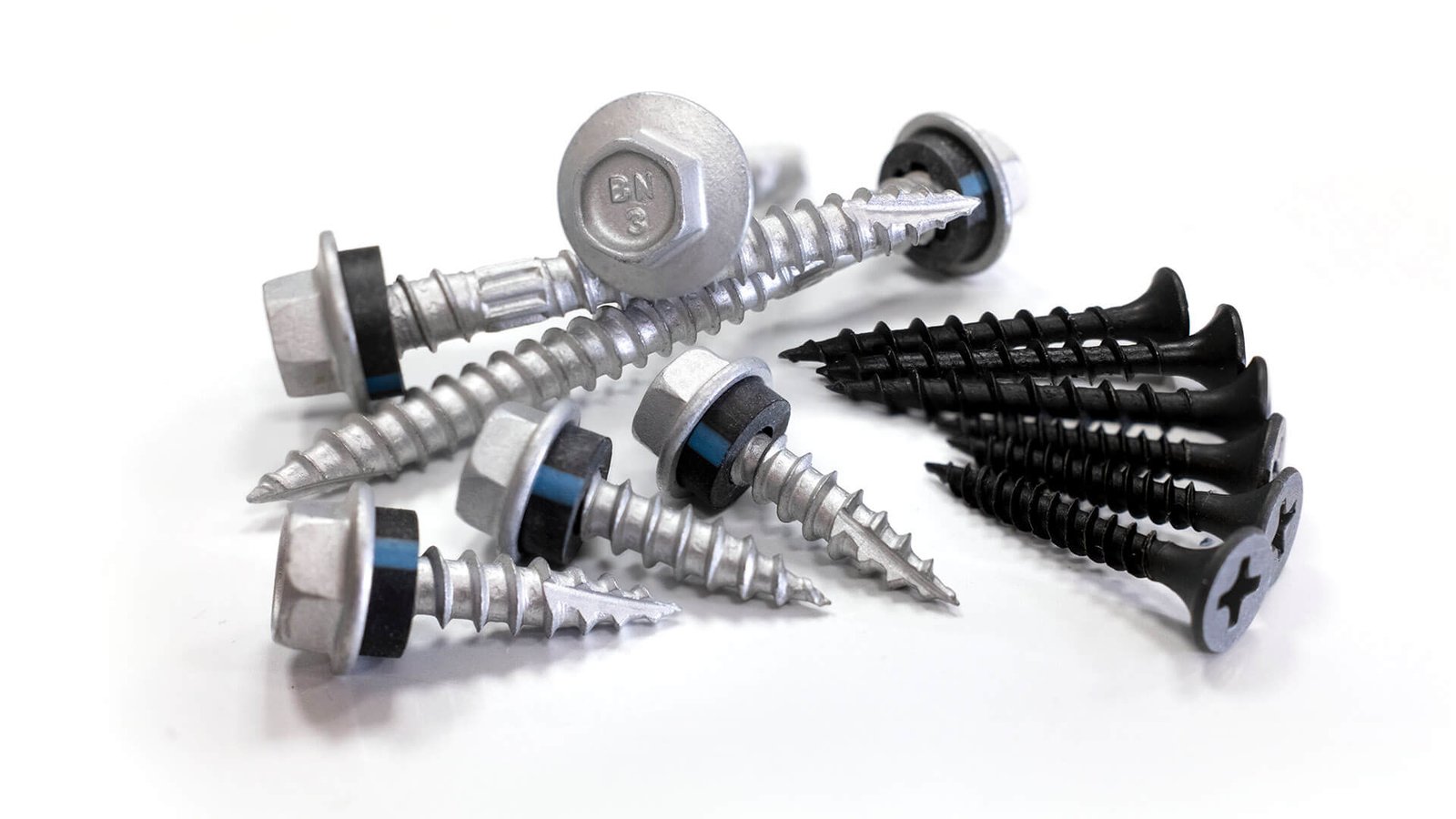
Credit: bdnfasteners.com
Metal work
One of the most common uses is fastening thin metal sheets and metal brackets. This includes HVAC work, electrical boxes, control panels, and sheet metal repairs.
In these jobs, a self tapping screw helps create a secure joint without needing a tapped hole. That saves labor and makes installation easier in tight spaces.
Plastic parts
Many plastic assemblies use thread forming screws. They are common in electronics, appliance covers, and molded parts. The screw creates a strong grip without splitting the material when used correctly.
A non-obvious point here is that plastic changes over time. Heat, vibration, and repeated removal can weaken the thread. So for parts that may be opened often, a metal insert may be a better option than a self tapping screw alone.
Wood and light construction
Some self tapping screws can be used in wood, especially in softer woods or pre-drilled holes. However, wood screws are not always the same as true self tapping screws. The difference matters because wood fiber behaves differently from metal or plastic.
For clean work in wood, the pilot hole size is very important. A hole that is too small can split the wood, while a hole that is too large can reduce holding power.
Automotive and machinery
Self tapping screws are also used in vehicles, machines, and equipment covers. They are useful for mounting panels, securing trim, and fastening parts that may need service later.
In these cases, vibration is a key concern. A screw that works loose over time can cause noise or failure. That is why thread style, material hardness, and proper tightening matter so much.
Benefits of self tapping screws
People use self tapping screws because they make fastening faster and easier. But the benefits go beyond speed. The right screw can improve assembly quality and reduce extra tools.
1. Faster installation
The biggest benefit is speed. You do not need to tap threads separately in many jobs. In some cases, you do not even need a pilot hole if you are using a self drilling type.
2. Less equipment needed
Self tapping screws can reduce the number of tools needed on site. This is useful for repairs, field work, and small workshops. Fewer tools also means fewer setup steps.
3. Good holding power
When used in the right material, self tapping screws can hold firmly. They create a tight fit that resists loosening better than a loose bolt in an unthreaded hole.
4. Easy maintenance
Because they can often be removed and reinstalled, self tapping screws are practical for access panels, covers, and service parts. That makes future repair easier.
5. Clean assembly
In some materials, especially with thread forming designs, the process creates little waste. That helps keep assembly areas cleaner and can reduce extra cleanup time.
One more useful insight: the best self tapping screw is not always the strongest-looking one. A screw that is too large or too aggressive can damage the part. In fastening, matching the material is often more important than using the biggest screw available.
How to choose the right self tapping screw
Choosing the right screw is not hard, but it does require attention to detail. The wrong choice can lead to stripped threads, weak fastening, or cracked material.

Credit: istockphoto.com
Material first
Start with the material you are joining. Metal, plastic, and wood all behave differently. A screw that works well in steel may be too harsh for plastic.
Think about thickness
Thin sheet metal usually needs a different screw than thick material. The screw must have enough thread engagement to hold, but not so much length that it bottoms out or damages the far side.
Match the point style
Use a sharp point, drill point, or thread forming style based on the job. If the screw must cut its own path, make sure the material and screw are designed for that.
Check the head style
Head style affects both function and appearance. If the screw must sit flush, choose a flat head. If you need torque and quick driving, a hex head may be better.
Use the right drive type
Phillips, slotted, Torx, and hex drive styles all behave differently. Torx and hex often give better grip and reduce cam-out, which is when the driver slips out of the screw head.
This is another detail many beginners miss: a poor driver match can make a good screw look bad. The screw may strip not because it is weak, but because the wrong bit was used.
Best practices for installation
Even a good screw can fail if installed badly. A few simple habits can make a big difference in the final result.
Pre-drill when needed
For hard materials, make a pilot hole of the right size. This helps the screw enter smoothly and reduces the chance of cracking or stripping.
Do not overtighten
Too much torque can strip the thread, damage the material, or snap the screw. Tighten just enough to create a secure hold.
Keep the screw straight
If the screw enters at an angle, the thread may form badly and weaken the connection. A straight entry gives better grip and a cleaner finish.
Use the right speed
Power tools can help, but too much speed creates heat and can damage threads. Start slowly, then increase speed only if the screw is driving cleanly.
Watch for cross-threading
Cross-threading happens when the screw starts in the wrong path. It can ruin both the screw and the part. If you feel strong resistance early, stop and check alignment.
Common mistakes to avoid
Many fastening problems come from small mistakes. Here are the ones that matter most.
- Using a self tapping screw in material that is too hard without a proper pilot hole
- Choosing the wrong screw type for plastic or thin metal
- Overtightening and stripping the thread
- Using a damaged bit that slips in the head
- Ignoring corrosion resistance in outdoor or damp areas
Corrosion is especially important in outdoor use. If the screw will face rain, humidity, or chemicals, choose a coated or stainless option. A strong screw that rusts early is not a good choice.
Self tapping screws vs other fasteners
Self tapping screws are useful, but they are not always the best choice. Bolts, machine screws, rivets, and inserts all have their place.
A bolt with a nut is better when very high clamping force is needed. A machine screw works well when a tapped hole already exists. Rivets are useful when a permanent joint is wanted. Threaded inserts are a smart solution when material is too soft for repeated screw use.
So why choose a self tapping screw? Because it often gives the best mix of speed, convenience, and solid holding power for light to medium-duty fastening.
Materials and coatings matter
The screw material affects strength and life. The coating affects rust resistance and appearance. These details can decide whether the screw lasts for years or fails early.
Common materials include carbon steel, stainless steel, and hardened steel. Coatings may include zinc plating, black oxide, or other protective finishes.
For indoor use, a basic coated screw may be enough. For outdoor use, stainless steel or a stronger anti-corrosion coating is often worth the extra cost. In marine or wet environments, this choice becomes even more important.

Credit: istockphoto.com
When self tapping screws are the wrong choice
There are times when another fastener is better. If the material is very brittle, very thick, or meant for frequent disassembly, self tapping screws may not be ideal.
For example, repeated removal in soft plastic can wear out the threads. In that case, a metal insert can give better long-term performance. In thick structural metal, bolts or welding may be stronger.
The key idea is simple: self tapping screws are excellent tools, but only when used in the right situation.
Final thoughts
So, what are self tapping screws? They are fasteners that create their own threads as they are driven into a material, which makes installation quicker and easier. They are used in metal, plastic, wood, and many light construction jobs. They come in several types, including thread cutting, thread forming, sheet metal, and self drilling designs.
The real value of self tapping screws is not just speed. It is the balance of convenience, holding power, and flexibility. If you match the screw to the material, choose the right head and point style, and avoid overtightening, you can get strong, reliable results.
For beginners, the most important lesson is this: do not treat every self tapping screw as the same. Small differences in design can change the final result a lot. Once you understand those differences, choosing the right screw becomes much easier.
FAQs
1. What are self tapping screws used for?
Self tapping screws are used to join materials like metal, plastic, and sometimes wood. They create their own threads, which makes fastening faster and simpler in many repair and assembly jobs.
2. Do self tapping screws need a pilot hole?
Many self tapping screws do need a pilot hole, especially in harder materials. Some self drilling screws do not, because they have a drill point that makes the hole first.
3. What is the difference between self tapping and self drilling screws?
A self tapping screw creates threads in a pre-drilled hole or soft material. A self drilling screw also drills its own hole before tapping the threads. Self drilling screws save one more step.
4. Can self tapping screws be removed and reused?
Yes, they can often be removed and reused, but it depends on the material and how much the thread was damaged during use. In soft materials, repeated reuse may weaken the hold.
5. Are self tapping screws good for outdoor use?
Yes, but only if you choose the right material or coating. For outdoor use, stainless steel or corrosion-resistant coated screws are usually better because they resist rust and last longer.
