
Galvanized screws are everywhere, but many people do not really know why. You may see them in decks, fences, outdoor furniture, roofing, or even simple repair jobs around the home. The big reason is simple: they resist rust better than plain steel screws. That makes them useful in places where moisture, rain, or humidity can damage normal fasteners.
If you have ever asked what are galvanized screws used for, the short answer is this: they are used wherever extra protection against corrosion matters. But the full answer is more useful, because the right screw depends on the material, the weather, and the job. A galvanized screw can save time, reduce future repairs, and keep a project strong for years.
In this guide, you will learn where galvanized screws work best, when they are the wrong choice, and how to pick the right type for your project. You will also see practical examples that help you avoid common mistakes many beginners make.
Why galvanized screws are different from regular screws
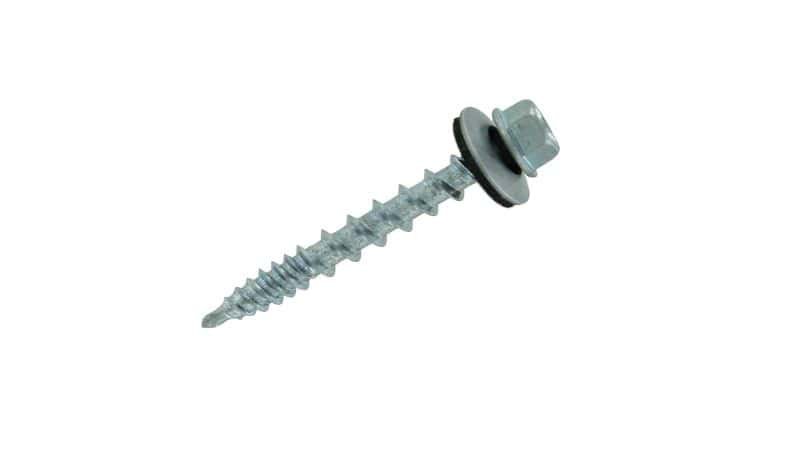
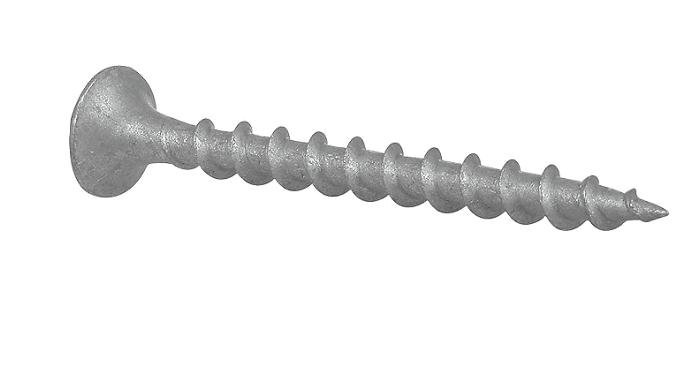
Galvanized screws are steel screws with a zinc coating. That coating helps protect the metal from water and air, which are the two main causes of rust. The zinc acts like a shield. In some cases, it also gives what is called sacrificial protection, which means the zinc corrodes first so the steel underneath stays safer for longer.
This is why galvanized screws are popular for outdoor work and damp spaces. Regular screws may be cheaper, but they can stain the wood, weaken over time, or even break when rust builds up. Galvanized screws are made to last longer in hard conditions.
There are also different types of galvanizing. Hot-dip galvanized screws usually have a thicker coating and better weather resistance than electro-galvanized screws. That detail matters more than many beginners realize, especially for outdoor construction.
How the zinc coating helps
The zinc layer slows down corrosion in two ways. First, it blocks water and oxygen from reaching the steel. Second, if the coating is scratched, the zinc can still protect nearby exposed metal for a while. This is one reason galvanized fasteners are trusted in construction.
Still, galvanized does not mean “rust-proof forever.” If the screw is used in very wet, salty, or chemical-heavy conditions, even galvanized protection can wear down. That is why the right application matters.
What are galvanized screws used for in real projects?
Galvanized screws are used in projects where plain steel would rust too fast. They are a practical choice for wood, metal, and some mixed-material jobs, especially when the final project sits outside or in a humid area. Their main job is to keep the connection strong for longer.
Here are the most common uses:
- Deck building and deck repairs
- Fence installation
- Outdoor furniture assembly
- Sheds, pergolas, and gazebos
- Roofing and exterior trim
- Framing work in humid areas
- Garden structures and landscape projects
- General repairs in damp spaces
Let us look at each use more closely, because the best application depends on the environment and the material being fastened.
1. Decks and outdoor wood structures
Decks are one of the best uses for galvanized screws. A deck sees rain, sun, moisture from the ground, and seasonal changes. Plain screws can rust and leave dark stains on the wood. Over time, rust can also weaken the joint.
Galvanized screws help hold deck boards, railings, and framing parts together. They are especially useful when the structure is exposed to regular weather. If you are building or repairing a deck, using the right galvanized screw can improve safety and reduce maintenance.
Non-obvious insight: deck fasteners are not only about rust. Wood movement matters too. As wood expands and shrinks, a weak or corroded screw can loosen faster. A coated screw gives the joint a better chance to stay tight through seasonal changes.
2. Fences that face rain and soil moisture
Fence posts, rails, and pickets often sit close to the ground, where moisture is constant. This makes them a strong match for galvanized screws. The lower parts of a fence are usually the first to suffer from rust, because water splashes up from the soil and lingers after rain.
Galvanized screws are often used for wood fences, gate hardware, and support brackets. They help the fence stay solid without obvious staining around the fastener heads.
If your fence is in a wet climate, this choice matters even more. A cheap screw may seem fine at first, but rust can quickly spread and make future repairs harder.
3. Roofing and exterior trim
Roofing and exterior trim need fasteners that can handle weather exposure. Galvanized screws are commonly used in these areas because they stand up better to rain and humidity than uncoated screws.
They work well for metal roofing panels, trim pieces, flashing, and some exterior attachments. In these jobs, the screw is not just holding material in place. It also needs to stay stable while the structure expands and contracts in heat and cold.
Practical note: roofing fasteners often need more than corrosion resistance. They also need the right washer or sealing system to help stop leaks. A galvanized screw alone is not always enough if water can enter around the hole.
4. Sheds, pergolas, and backyard structures
Backyard structures live outdoors all year. That makes galvanized screws a smart choice for many parts of sheds, pergolas, trellises, and gazebos. They help resist the weather while keeping the structure neat and secure.
These projects often use wood, and wood is sensitive to moisture. If the screw rusts, it can stain the surface and make the structure look old before its time. Galvanized screws help delay that problem.
They are also useful when a project may be exposed to sprinklers, wet soil, or morning dew. These are small details, but they matter over the life of the structure.
5. Garden and landscape work
Garden beds, planter boxes, edging, and small landscape structures are often good uses for galvanized screws. These items may look simple, but they deal with water, soil, and fertilizer residue. That is a tough environment for ordinary steel fasteners.
Galvanized screws are helpful here because they can handle frequent watering and damp soil contact better than plain screws. They are a sensible choice for raised beds, timber borders, and outdoor decorative pieces.
One thing beginners often miss is that some soils are more aggressive than others. Soil with high moisture or chemical content can shorten the life of even coated screws. If the project stays in direct soil contact, consider whether a higher corrosion rating is needed.
6. Humid indoor spaces
Galvanized screws are not only for outdoor use. They can also be useful indoors in places with humidity, such as basements, laundry rooms, utility spaces, and some workshops.
These rooms may not get rain, but moisture still builds up over time. That moisture can slowly attack standard screws. Galvanized screws offer extra protection in these environments, especially for shelving, framing, and storage systems.
This is a smart choice when the area is not fully dry but also not harsh enough to need more specialized stainless steel fasteners.
7. Light metal-to-wood fastening
Some jobs involve fastening thin metal parts to wood, such as brackets, straps, or simple hardware. Galvanized screws can work well in these mixed-material applications if the coating and drive style match the job.
They are commonly used in utility work, general home repair, and small construction tasks. However, the screw must be strong enough for the load and sized properly for the metal thickness.
Important detail: not every galvanized screw is ideal for every metal. The coating helps with rust, but it does not replace the need for the right thread design, length, and head type.
When galvanized screws are the better choice
Galvanized screws make the most sense when moisture is likely and long-term strength matters. If the project is outside, near the ground, in a humid room, or exposed to frequent water, galvanized fasteners often beat plain steel screws by a wide margin.
They are also a good choice when you want lower maintenance. A screw that resists rust can make future repairs easier and keep the project looking cleaner.
Credit: oukailuo.com
Best conditions for galvanized screws
- Outdoor wood projects
- Rain-exposed structures
- Areas with high humidity
- Jobs near soil or garden beds
- Repairs that should last with little upkeep
In these settings, the extra coating is not a luxury. It is often a basic need.
When another fastener may be better
Galvanized screws are not always the top choice. If you are working in coastal areas with salt air, on stainless-critical marine jobs, or with some treated lumber products that can react with galvanized coatings, another fastener may be safer.
This is one of the biggest beginner mistakes: assuming all “rust-resistant” screws are the same. They are not. The environment and the material both matter.
Galvanized screws vs. other common screw types
To choose wisely, it helps to understand how galvanized screws compare with other screw types. The differences are not just about price. They affect durability, appearance, and long-term performance.
| Type | Main strength | Main weakness | Best use |
|---|---|---|---|
| Galvanized screws | Good rust resistance | Not ideal for extreme salt exposure | Outdoor wood, fences, decks, damp spaces |
| Stainless steel screws | Excellent corrosion resistance | More expensive | Coastal, marine, and severe weather areas |
| Plain steel screws | Low cost | Rusts quickly | Dry indoor projects only |
| Coated structural screws | Strong and durable | Coating quality varies by brand | Framing, heavy-duty construction |
Galvanized screws sit in a useful middle zone. They are usually stronger against corrosion than plain steel, but cheaper than stainless steel. That balance makes them very popular for general outdoor use.
Credit: oukailuo.com
Common mistakes when using galvanized screws
Many screw failures are not caused by the screw itself. They happen because the wrong fastener was used in the wrong place. Avoiding a few simple mistakes can greatly improve your results.
- Using the wrong type of galvanizing. Electro-galvanized screws may be fine for light work, but they are not always enough for heavy outdoor exposure.
- Ignoring the material being fastened. Treated lumber, hardwood, metal, and composites can each behave differently.
- Using a screw that is too short. Corrosion resistance does not matter if the screw does not grip well enough.
- Over-tightening. This can damage the coating and reduce long-term performance.
- Assuming all outdoor jobs need the same screw. A garden bed and a roof panel do not need the same fastener.
Non-obvious insight: a damaged coating can matter more than people think. If you strip the head or scratch the screw badly during installation, you may create a weak point where corrosion begins sooner.
How to choose the right galvanized screw for your project
Choosing the right screw is not complicated, but it does require paying attention to a few details. The best screw is the one that fits the material, load, and environment.
Check the coating type
Hot-dip galvanized screws usually have a thicker, tougher coating. They are often better for serious outdoor exposure. Electro-galvanized screws have a thinner coating and may be better for lighter jobs or indoor humidity.
Match the screw to the material
Use screws designed for wood, metal, or a combination, depending on the job. Thread shape matters. Head style matters. Even the drive type matters, because a better fit reduces stripping and helps protect the coating.
Think about the weather
A dry patio project and a fence in a rainy climate do not need the same level of protection. The harsher the weather, the more important the coating becomes.
Do not forget load and safety
If the screw supports weight or structural stress, choose a screw that is made for that role. Rust resistance is important, but strength and grip are just as important.
For a reliable overview of corrosion and zinc protection, you can also review guidance from the Corrosionpedia reference site.
Where galvanized screws should not be used
Galvanized screws are useful, but there are situations where they are not the best option. One major case is severe salt exposure. Coastal air can be rough on many coatings, and stainless steel may last longer there.
They may also be a poor choice when a project needs exact appearance matching, or when the fastener will be exposed to chemicals that break down the coating faster. In some specialized building systems, manufacturer instructions may require a specific fastener type.
If you are unsure, check the material guide or the product instructions. That simple step can prevent expensive mistakes.
Credit: dengarden.com
Care and handling tips for better performance
Even a good galvanized screw can perform poorly if it is handled badly. Store screws in a dry place. Keep them in their original container when possible. Do not mix them with wet tools or damp hardware.
During installation, use the correct driver bit and stop when the screw is snug. If you drive it too hard, you can damage the head or coating. If the screw starts to strip, replace it instead of forcing it.
If you are building outdoors, it also helps to pair galvanized screws with other weather-resistant hardware. A strong project usually depends on the whole system, not just one fastener.
Final thoughts on best applications
So, what are galvanized screws used for? They are used to hold together projects that face moisture, humidity, rain, and general weather exposure. They are a strong choice for decks, fences, sheds, roofing, garden work, and many other outdoor or damp-area jobs.
Their value is not just that they resist rust. They also help keep projects neat, stable, and easier to maintain. When chosen correctly, they can save you from early repairs and broken fasteners later.
If you remember one thing, make it this: match the screw to the environment. That is the real secret to getting the best results from galvanized screws.
FAQs
1. What are galvanized screws used for most often?
They are used most often for outdoor wood projects like decks, fences, sheds, and garden structures. They are also common in humid indoor spaces where rust could become a problem.
2. Are galvanized screws good for outdoor use?
Yes, they are one of the most common choices for outdoor use because the zinc coating helps resist rust. They work well in rain, humidity, and general weather exposure.
3. Can galvanized screws rust?
Yes, they can rust over time, especially in very harsh conditions. The coating slows corrosion, but it does not make the screw immune to damage.
4. Are galvanized screws better than stainless steel?
Not always. Galvanized screws are usually cheaper and work well for many outdoor jobs. Stainless steel is better for stronger corrosion resistance, especially in coastal or marine areas.
5. Can I use galvanized screws in treated lumber?
Often yes, but you should always check the lumber and fastener recommendations. Some treated wood products can react differently, so it is best to follow the manufacturer’s guidance.
