
Cobalt drill bits are one of those tools people hear about when they start drilling harder metals, but many still do not know what are cobalt drill bits used for in real work. The short answer is simple: they are made for tough materials that quickly wear out normal high-speed steel bits.
If you drill into stainless steel, cast iron, hardened steel, or other heat-resistant metals, cobalt bits can save time and reduce frustration. They stay sharper under heat, cut more cleanly, and usually last longer in demanding jobs. That is why they are common in workshops, metal shops, maintenance work, and serious DIY projects.
In this guide, you will learn where cobalt drill bits work best, how they compare with other bits, what mistakes to avoid, and how to choose the right one for your job. You will also see when they are not the best choice, which is just as important.
Why cobalt drill bits are different
Cobalt drill bits are not simply “stronger drill bits.” They are made from high-speed steel with cobalt mixed into the metal, usually 5% or 8%. That small change makes a big difference when drilling hard materials.
The main benefit is heat resistance. When a drill bit spins fast, friction creates heat. Basic bits can lose their edge quickly in that heat. Cobalt bits handle heat better, so they keep cutting longer. This makes them a smart choice for metals that are hard, dense, or work-hardened.
Another important point is that cobalt bits are usually solid cobalt alloy, not just coated with cobalt. This matters because a coating can wear off, but a solid alloy keeps its cutting ability through the full life of the bit.
What that means in daily use
In simple terms, cobalt drill bits are built for jobs where ordinary bits struggle. If you are drilling a soft material like pine wood or thin plastic, cobalt bits are usually unnecessary. But when the material gets harder and hotter, they become much more useful.
They are especially helpful when you need to drill clean holes in metals that can ruin cheaper bits in just a few holes. For many users, the value is not only in durability. It is also in consistency. A good cobalt bit keeps cutting with less pressure and less wandering on the surface.
What are cobalt drill bits used for in real work?
The most common use is drilling hard metals. That includes stainless steel, cast iron, hardened steel, titanium, and some alloy metals. These materials can be difficult because they are abrasive, strong, or heat up fast during drilling.
Here are the best applications where cobalt drill bits stand out:
- Stainless steel fabrication – useful for sinks, brackets, panels, and hardware
- Cast iron drilling – common in engine parts, pipes, and machine components
- Hardened steel work – helpful for bolts, pins, shafts, and tool steel
- Automotive repair – used for exhaust parts, frames, and rusted fasteners
- Machining and maintenance – good for repair shops and equipment service
- Heavy-duty drilling – suited for repeated metal drilling jobs
They are also useful when drilling through metal that has become harder from previous heat treatment or from long use. This is one of the details beginners often miss. A piece of metal may not sound “hardened,” but if it has been exposed to stress, friction, or manufacturing treatment, a standard bit can still fail fast.
Best applications in more detail
1. Stainless steel
Stainless steel is one of the most common reasons people buy cobalt bits. It is tough, slippery, and heat-sensitive. If the drill bit gets too hot, it dulls faster and may even glaze the surface instead of cutting into it.
Cobalt drill bits are a strong choice here because they tolerate heat better. They still need proper speed and cutting fluid, but they are far more reliable than general-purpose bits for this material.
2. Cast iron
Cast iron is brittle, but it is also abrasive. That means it can wear out standard bits quickly. Cobalt bits handle this abrasive nature better, making them useful for engine blocks, brake parts, and industrial components.
One thing many beginners miss is that cast iron often makes fine dust instead of long chips. That dust can increase wear, so a tougher bit is a real advantage.
3. Hardened fasteners and bolts
Drilling out a broken bolt is a classic job where cobalt drill bits are often used. Hardened bolts can be very difficult for ordinary bits, especially if rust has fused them in place.
A cobalt bit gives you a better chance of starting the hole cleanly and holding the edge long enough to finish the job. This is one reason mechanics keep them close at hand.
4. Tool steel and alloy steel
These materials are common in industrial settings. They are made to resist wear, so they are naturally harder to drill. Cobalt bits are suitable because they retain performance when the metal resists cutting.
5. Repetitive shop work
If you drill metal often, cobalt bits can be a practical upgrade. They may cost more at first, but they often last longer in demanding use. For people who drill metal every day, that can mean less downtime and fewer replacements.
When cobalt drill bits are a smart choice
Cobalt drill bits are best when three things are true: the material is hard, the drilling creates heat, and you need reliable performance over time. They shine in situations where a cheap bit would slow you down or fail early.
They are a smart choice if you are:
- Working with stainless steel or hardened metal
- Drilling many holes in a row
- Repairing machinery or vehicles
- Trying to drill through old, worn, or rusted hardware
- Looking for longer bit life in demanding use
There is also a safety benefit. A dull bit can slip, grab, or wander. That can damage the workpiece and make the drill harder to control. A sharp cobalt bit can reduce that risk because it cuts more cleanly.
For a trusted reference on material and tool selection, the MSC Industrial Supply resource library is useful for comparing drill bit types and metalworking tools.
Credit: benchmarkabrasives.com
When you should not use cobalt drill bits
Cobalt drill bits are useful, but they are not the best choice for every job. Using them on the wrong material can waste money and sometimes reduce control.
They are usually not needed for:
- Softwood and plywood
- Plastic and acrylic
- Aluminum, unless the job is heavy or repetitive
- Light home repairs with soft materials
For softer materials, a regular high-speed steel bit may work better and cost less. In very soft materials, cobalt bits can even be more aggressive than needed. That may create rough edges or make it harder to control the hole.
Another beginner mistake is assuming the hardest bit is always the best bit. That is not true. Good tool choice depends on the material, hole size, drilling speed, and how many holes you need.
Cobalt bits vs other common drill bits
To choose wisely, it helps to know how cobalt bits compare with other popular types. The right answer depends on the material you are drilling and how often you drill it.
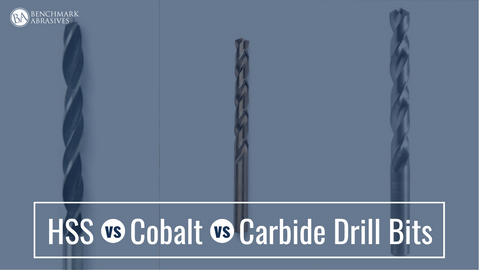
| Bit type | Best for | Main strength | Main weakness |
|---|---|---|---|
| High-speed steel (HSS) | Wood, plastic, light metal | Affordable and versatile | Less heat resistance in hard metals |
| Cobalt | Stainless steel, cast iron, hardened steel | Excellent heat resistance and durability | More expensive, not ideal for soft materials |
| Titanium-coated | General-purpose drilling | Low friction on mild jobs | Coating can wear off, poor for hard steel |
| Carbide | Very hard materials, production work | Extreme hardness | Brittle and easier to chip |
One non-obvious insight is that carbide is harder than cobalt, but that does not always make it better for hand drilling. Carbide can chip if the drill press is not stable or if the setup is not perfect. Cobalt is often the better balance for real-world manual work.
How to get the best results with cobalt drill bits
Even the best bit will fail early if you use it the wrong way. Cobalt drill bits work best when you match them with good drilling habits.
- Use the right speed. Harder metals usually need slower drilling speeds. Fast speed creates too much heat.
- Apply steady pressure. Do not press too lightly, or the bit may rub instead of cut. But do not force it either.
- Use cutting fluid. This reduces heat and helps the bit last longer.
- Start with a center punch. This keeps the bit from wandering on smooth metal surfaces.
- Let the bit cool when needed. Heat shortens tool life, especially during long drilling sessions.
Another detail people often miss is that a cobalt bit is not a license to drill too fast. Heat resistance helps, but it does not make the bit invincible. Speed control still matters a lot.
Credit: benchmarkabrasives.com
Common mistakes to avoid
Here are the errors that damage cobalt bits most often:
- Using them dry on stainless steel for long periods
- Running the drill at high speed in hard metal
- Trying to force the bit through without chip removal
- Using a dull bit after it has already overheated
- Choosing the wrong point angle for the material
If you notice smoke, loud squealing, or blue color on the bit, stop and check your technique. Those are signs of heat damage.
How to choose the right cobalt drill bit
Not all cobalt bits are the same. A few details can affect how well they perform.
Cobalt percentage
Most cobalt bits come in 5% or 8% cobalt blends. In general, 5% is a good all-around option, while 8% offers more heat resistance for tougher jobs. If you work with hard stainless steel often, the 8% option can be worth it.
Bit style
Standard jobber-length bits are common for general use. Shorter bits are stiffer and can be better for accurate drilling in hard metal. Longer bits reach deeper, but they can flex more.
Point angle
A sharper point can help with easier start-up in some metals, while a split-point design can reduce wandering. This matters more than many beginners realize. A bad point geometry can make even a good cobalt bit feel weak.
Coating vs solid material
Some bits are coated and some are solid alloy. For cobalt drill bits, solid alloy is usually the better sign of quality. Coatings can help with friction, but they do not replace the value of the base material.
Are cobalt drill bits worth the money?
For the right user, yes. If you only drill wood or soft plastic, probably not. But if you work with metal often, especially hard metal, cobalt bits can pay for themselves through longer life and better results.
The value comes from fewer replacements, smoother drilling, and less time spent fighting dull tools. That matters in both professional work and serious home workshops.
Think of them as a specialized tool. They are not the cheapest option, but they are often the best option when the material is difficult.
Practical buying tips for beginners
If you are buying your first set, keep it simple and focus on usefulness, not just price.
- Buy only the sizes you actually need first
- Choose a trusted brand with clear cobalt content
- Look for bits made for metal drilling, not general craft use
- Consider a smaller set with common sizes instead of a large mixed set
- Store bits properly so the cutting edges do not get damaged
One smart move is to buy a few single bits for the exact sizes you use most. A complete cheap set can look good, but one poor-quality bit may fail when you need it most. Quality matters more than quantity in metal drilling.
Credit: coinchtools.com
Final thoughts on the best use of cobalt drill bits
So, what are cobalt drill bits used for? They are mainly used for drilling hard, heat-resistant metals like stainless steel, cast iron, hardened steel, and tough alloys. They are built for demanding jobs where standard bits wear out too fast.
If you drill metal often, cobalt bits can make your work easier, cleaner, and more reliable. If you only work with soft materials, a simpler bit may be enough. The key is matching the tool to the material.
When used the right way, cobalt drill bits are not just stronger. They are more dependable. That is why they are trusted in machine shops, garages, repair work, and serious metalworking projects.
FAQs
1. What are cobalt drill bits used for most often?
Cobalt drill bits are most often used for drilling hard metals such as stainless steel, cast iron, hardened steel, and tough alloys. They are popular in metalworking, repair jobs, and automotive work.
2. Can cobalt drill bits be used on wood or plastic?
Yes, they can be used on wood or plastic, but they are usually not the best choice. A standard HSS bit is often cheaper and easier to control for softer materials.
3. Are cobalt drill bits better than titanium drill bits?
For hard metal, cobalt bits are usually better. Titanium drill bits are often coated HSS bits, and the coating can wear off. Cobalt bits are made from a tougher alloy throughout the bit.
4. Do cobalt drill bits need cutting fluid?
Yes, cutting fluid is strongly recommended when drilling metal. It reduces heat, helps the bit last longer, and improves cutting performance, especially in stainless steel and hardened materials.
5. How can I tell if a cobalt drill bit is wearing out?
Signs include slower cutting, squealing sounds, excess heat, and a rough hole finish. If the bit turns blue, smokes, or starts slipping, it may be dull or overheated.
