
Drywall looks simple from the outside. It is just a flat wall or ceiling surface, right? But in real projects, the types of drywall applications can change how a room performs, how long it lasts, and even how safe it is. A bathroom needs different drywall than a bedroom. A garage needs different protection than a living room. A ceiling above a wet area needs more care than a wall in a dry hallway.
If you choose the wrong drywall application, you may face mold, sagging, cracks, poor sound control, or extra repair costs later. If you choose the right one, the room becomes stronger, quieter, safer, and easier to maintain. That is why drywall is not just a building material. It is a system choice.
This guide explains the main drywall uses, what each type is good for, where it should be installed, and how to get better results from the start. You will also see practical tips that many beginners miss, plus mistakes that often cause problems after installation.
How drywall applications affect performance
Drywall is often chosen by room type, but the real decision should be based on what the space must handle. Heat, moisture, sound, fire, impact, and design all affect the right choice. A wall in a guest bedroom does not need the same board as a wall beside a shower. A hallway in a busy home does not need the same protection as a low-traffic storage room.
When people talk about types of drywall applications, they are usually talking about how drywall is used in different spaces and what special board or finish is needed. The application includes the board type, thickness, installation method, joint treatment, and sometimes extra layers for fire or sound control.
Here is a simple way to think about it: drywall is not only about covering studs. It is about matching the wall or ceiling to the room’s needs. That is where smart planning saves money later.
| Application area | Main concern | Best drywall choice |
|---|---|---|
| Bedrooms and living rooms | General finish and comfort | Standard drywall |
| Bathrooms and laundry rooms | Moisture resistance | Moisture-resistant drywall |
| Kitchens and utility spaces | Humidity and cleaning | Moisture-resistant or abuse-resistant drywall |
| Garages and furnace rooms | Fire safety and durability | Fire-rated drywall |
| Home offices and media rooms | Sound control | Sound-dampening drywall or layered systems |
| Schools, hospitals, and high-use buildings | Impact resistance | Abuse-resistant drywall |
Standard drywall for common interior spaces
Standard drywall is the most common choice for normal indoor rooms with low moisture and average traffic. It is used in bedrooms, living rooms, dining rooms, hallways, and many ceilings. For most homes, it gives a smooth surface for paint, wallpaper, or texture.
Where standard drywall works best
- Bedrooms
- Living rooms
- Dining rooms
- Offices in dry areas
- Closets
- Ceilings away from humidity or water
This type is usually the cheapest and easiest to install. It cuts well, finishes well, and gives a clean look when taped and painted correctly. For many projects, it is the default option because it solves the basic need: creating a smooth indoor surface.
Best practice: standard drywall should be used only where moisture is low and the risk of impact is normal. Many people use it in places that seem “mostly dry,” such as laundry rooms or basement walls. That can be a mistake if the area gets damp during certain seasons.
Benefits of standard drywall
- Affordable
- Easy to find
- Simple to cut and install
- Good finish quality for paint and texture
One thing beginners often miss is that a cheap board is not always a cheap job. If the room is humid, standard drywall may need repair sooner. That means paying twice. The right board for the room is often the smarter budget choice.
Moisture-resistant drywall for wet and humid areas
Moisture-resistant drywall is made for places where humidity is high or occasional splashes are likely. It is often used in bathrooms, laundry rooms, kitchens, and some basement areas. It is not waterproof, so it should not be used inside shower enclosures or in places with direct, constant water contact.
Common uses
- Bathroom walls away from the shower
- Laundry room walls
- Kitchen walls near sinks
- Basement walls with mild humidity
This drywall usually has a treated core and a special paper surface that resists moisture better than standard board. It can slow down water absorption and reduce damage from everyday humidity.
Important insight: moisture-resistant drywall does not fix a bad waterproofing system. In a bathroom, the wall behind a tile shower still needs proper backer board, waterproof membrane, or another approved wet-area system. Many people assume “moisture-resistant” means safe for all wet locations. It does not.
Benefits of moisture-resistant drywall
- Better protection in humid rooms
- Lower risk of mold compared with standard board
- Useful for rooms with regular cleaning and steam
- Improves wall life in damp spaces
If you are comparing the types of drywall applications for a bathroom or kitchen, always think about water exposure first. Light humidity is one thing. Direct water is another. That difference matters more than many homeowners realize.
Fire-rated drywall for safety-focused areas
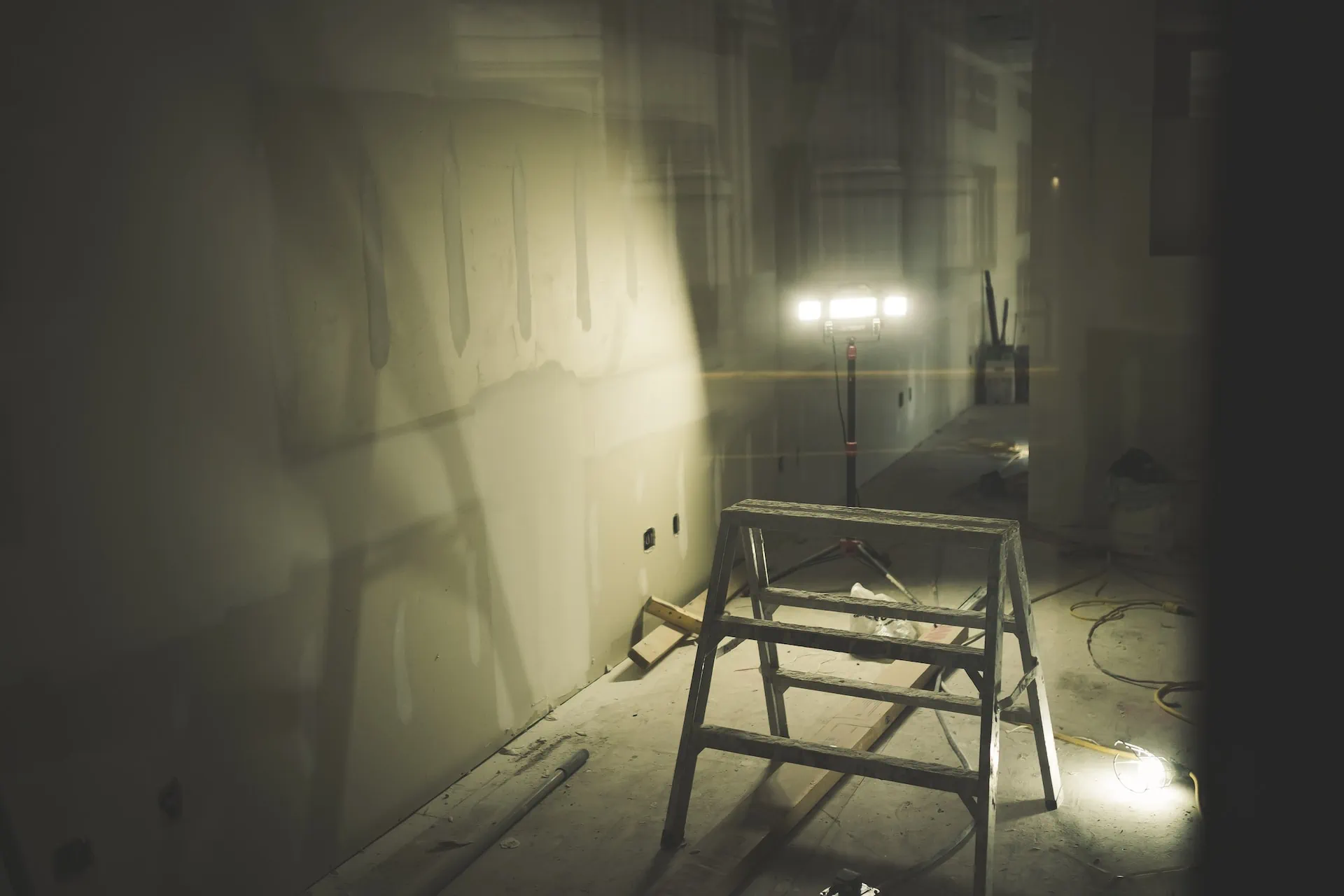
Fire-rated drywall is designed to slow the spread of fire and heat. It is often used in garages, furnace rooms, utility areas, shared walls, and any place where building codes require fire protection. This drywall contains special fibers and additives that help it perform better in high heat.
Credit: biggerthanthethreeofus.com
Where fire-rated drywall is often required
- Garage walls shared with the house
- Ceilings below living spaces in some designs
- Mechanical rooms
- Stairwells
- Areas near fireplaces or heating equipment
Many people call it Type X drywall in everyday conversation. In some cases, builders use multiple layers or thicker boards to reach the needed fire rating. The exact choice depends on local code and the assembly, not just the board itself.
Non-obvious point: fire-rated drywall is not only about safety during a major fire. It can also give firefighters more time to respond and can reduce damage in a small electrical fire. That extra time can matter a lot.
If you want a reliable technical reference on drywall standards, the USG drywall resource is a useful starting point for product details and common board categories.
Benefits of fire-rated drywall
- Helps slow fire spread
- Improves building safety
- Often required by code in certain locations
- Can support insurance and compliance needs
A common mistake is using fire-rated drywall in the right room but the wrong assembly. Screws, insulation, joints, and penetrations all matter. A small gap around a pipe or outlet can weaken the whole system.
Sound-dampening drywall for quieter rooms
Sound-dampening drywall helps reduce noise transfer between rooms. It is useful in home theaters, bedrooms near busy spaces, apartment walls, offices, and shared-family areas. This type is made to reduce vibration and limit how easily sound passes through walls.
Good places to use sound-control drywall
- Home offices
- Media rooms
- Nurseries
- Bedrooms near hallways
- Shared walls in duplexes or apartments
Sound control is not only about the drywall board. The wall assembly matters just as much. Insulation in the cavity, sealed outlets, resilient channels, and double-layer boards can all improve results. In many projects, a good system is more effective than one expensive product alone.
Practical insight: sound problems often come through tiny openings, not only through the board itself. Air leaks around electrical boxes, baseboards, and gaps at the ceiling line can reduce sound control more than people expect. Sealing those spots well can make a bigger difference than switching board types alone.
Benefits of sound-dampening drywall
- Better privacy
- Less room-to-room noise
- More comfort in homes with active schedules
- Helpful for remote work and study spaces
Abuse-resistant drywall for busy spaces
Abuse-resistant drywall is made for spaces where walls get bumped, scraped, or hit often. It is stronger than standard board and is used in schools, hospitals, corridors, gyms, busy homes, and commercial areas. It can handle more impact and surface wear.
Best uses
- Hallways
- Children’s rooms
- Commercial interiors
- Busy stairwells
- Healthcare and education spaces
This type can help reduce dents, surface damage, and repair frequency. It is a smart choice where repair work would interrupt daily use or cost too much over time.
Useful detail: abuse-resistant drywall is often misunderstood. It does not mean “damage-proof.” It simply gives better performance against wear. If a room has carts, furniture movement, or active children, it can be worth the extra cost.
Benefits of abuse-resistant drywall
- Stronger surface
- Fewer dents and repairs
- Good for high-traffic areas
- Can lower long-term maintenance costs
Ceiling drywall applications and why they need special care
Ceilings are not just walls turned sideways. They carry different loads and often need better planning. Gravity works against them, so the board type, thickness, fastener spacing, and framing support matter more than many first-time installers expect.
Common ceiling situations
- Flat ceilings in living spaces
- Ceilings in bathrooms and kitchens
- Garage ceilings
- Ceilings under attics or roof spaces
Standard drywall can work on many ceilings, but thicker boards or special types may be needed for sag resistance, fire protection, or moisture control. In humid rooms, a ceiling can fail faster than a wall because warm air rises and collects there.
One detail that beginners often miss is board orientation. Ceiling sheets should be installed carefully with strong fastening patterns and proper joint placement. A ceiling crack is often not just a finishing problem. It can mean the framing, spacing, or board choice was wrong from the start.
Best practices for ceilings
- Use the right thickness for the span
- Keep fasteners properly spaced
- Avoid unnecessary joints
- Use moisture-resistant board in humid rooms
Drywall applications for basements
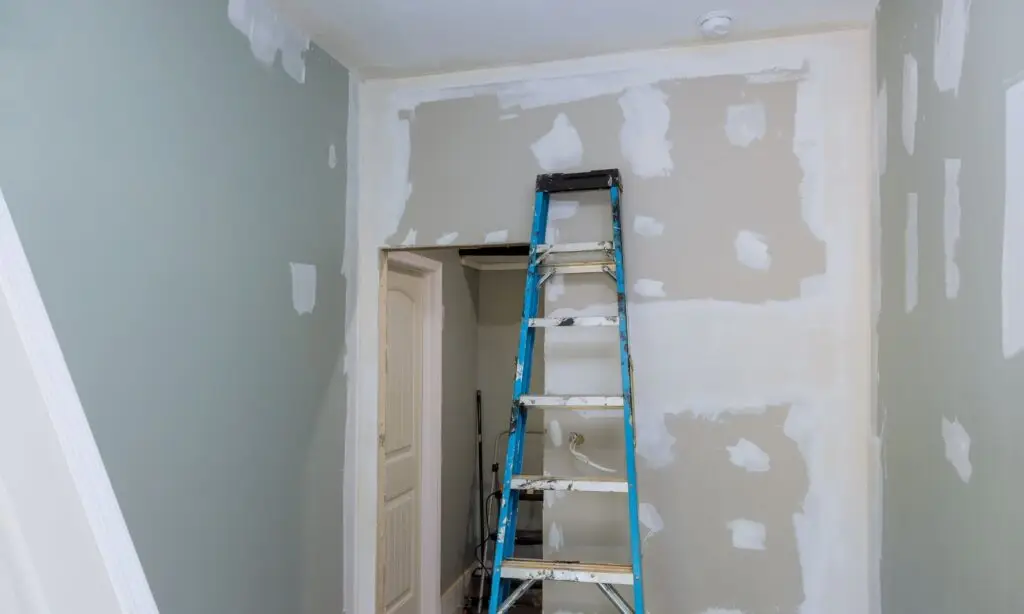
Basements can be tricky. They may look dry, but they often deal with hidden moisture, cool surfaces, and seasonal humidity changes. This makes basement drywall one of the most misunderstood types of drywall applications.
Credit: armstronglumbercc.com
What to consider in a basement
- Possible water entry
- Humidity changes
- Insulation needs
- Fire code requirements
- Future access to plumbing or wiring
If the basement wall is below grade, moisture control should come before drywall installation. In some cases, foam insulation, vapor control, or a special wall system may be needed before drywall goes up. Never hide a moisture problem behind standard board and hope for the best.
Non-obvious insight: many basement drywall failures start because the wall is installed before the concrete has fully dried or before drainage issues are solved. The board may look fine for months, then stain, swell, or grow mold later.
For basements, use the drywall type that matches the moisture risk and code needs. In some areas, fire-rated board may also be required for the ceiling or walls near utility rooms.
Best practices for choosing the right drywall application
Choosing well starts with the room, not the product label. Ask what the space faces every day. Moisture? Sound? Fire? Impacts? Then match the drywall to that need. A good installer does not guess. They plan.
1. Study the room conditions first
Before buying materials, check humidity, traffic, and building code needs. If the room is near plumbing, heat, or outside walls, the risk level may be higher than it seems.
2. Match the board to the highest risk
If a room has both humidity and frequent use, do not pick only for one issue. For example, a family laundry room may need moisture resistance and better durability. The most important risk should lead the decision.
3. Think beyond the board itself
Drywall works as part of a system. Insulation, framing, screws, joint tape, sealants, and paint all affect the result. Good drywall work is not just about hanging sheets. It is about controlling the whole assembly.
4. Use the right finishing level
Some rooms need a very smooth finish, while others do not. High-gloss paint or strong side lighting can show seams and flaws more easily. If the room is highly visible, spend more time on finishing. If it is a utility space, a simpler finish may be enough.
5. Plan for repairs and access
In mechanical rooms or walls with pipes and wiring, future access matters. Choosing the wrong application can make repairs harder later. Smart planning now can save time when maintenance is needed.
Common mistakes people make with drywall applications
Even good drywall products fail when used the wrong way. Many problems come from rushing the job or treating all rooms the same. Here are the mistakes that show up most often.
- Using standard drywall in damp rooms. It may look fine at first, but moisture damage can appear later.
- Assuming moisture-resistant drywall is waterproof. It is not made for direct water contact.
- Ignoring fire code requirements. This can create safety problems and inspection failures.
- Skipping sound control details. The board alone will not solve noise issues.
- Not sealing gaps and penetrations. Small openings can reduce performance in fire and sound assemblies.
A simple rule helps: if the room has a special risk, the drywall application should have a special solution. Trying to save a little money by using the wrong board often costs more later.
How to get better results from drywall installation
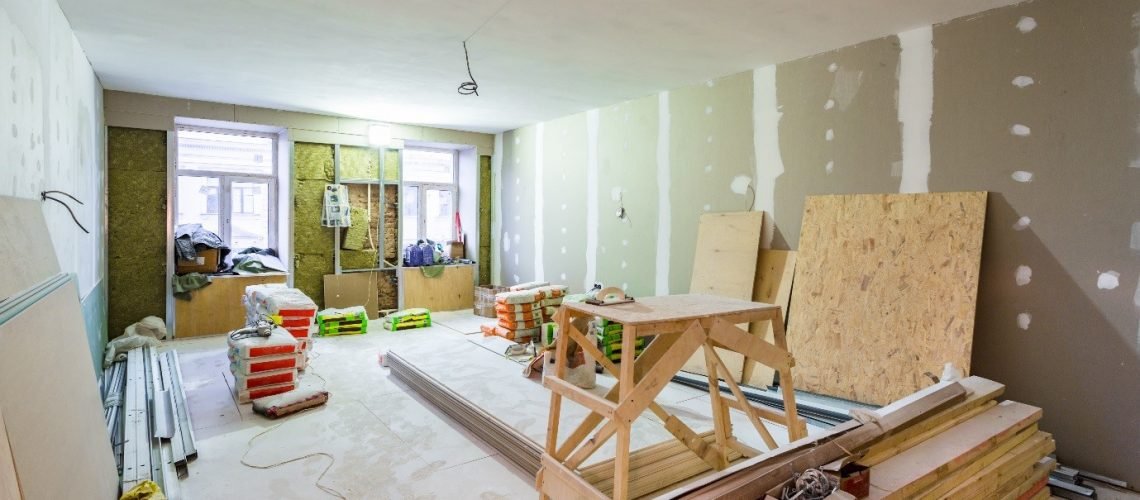
Good drywall work is a mix of correct material choice and careful installation. You do not need a complex process, but you do need discipline. Small details matter because drywall covers large surfaces, and even small errors become easy to see.
Credit: zmartbuild.com
Practical tips that improve results
- Store boards flat and dry before installation
- Cut sheets cleanly to reduce rough edges
- Use the correct fastener length for the board thickness
- Keep seams staggered when possible
- Do not overfill joints with compound
- Sand carefully to avoid damaging paper facing
- Prime before paint for a more even finish
Helpful tip: many finishing problems come from dust, not compound. Clean surfaces before priming and painting. Dust can weaken paint adhesion and make walls look patchy after the first coat.
Also remember that temperature matters. Drywall compound, paint, and some adhesives work best in stable indoor conditions. Very cold or very humid rooms can slow drying and affect quality.
Choosing the right drywall application for your project
The best choice depends on the room’s purpose, not on what is cheapest or most familiar. If you are building a quiet office, sound control matters. If you are finishing a basement, moisture control matters. If you are working near a furnace or garage, fire safety matters. If the area gets bumped often, durability matters.
When you understand the types of drywall applications, you can make better decisions at the start of the project. That usually leads to fewer repairs, better comfort, and longer wall life. The goal is not to use the most expensive board. The goal is to use the right board.
For most homes, a mixed approach is best. Standard drywall works well in many dry rooms. Moisture-resistant drywall belongs in damp spaces. Fire-rated board helps in code-sensitive areas. Sound-dampening and abuse-resistant products solve specific problems that standard board cannot handle well.
If you plan carefully and install correctly, drywall becomes more than a wall surface. It becomes part of the home’s comfort, safety, and long-term value.
FAQs
1. What are the main types of drywall applications?
The main types include standard drywall for dry rooms, moisture-resistant drywall for humid areas, fire-rated drywall for safety zones, sound-dampening drywall for noise control, and abuse-resistant drywall for high-traffic spaces.
2. Can moisture-resistant drywall be used in a shower?
No. Moisture-resistant drywall is not waterproof. It is better for damp areas outside the shower, but shower walls usually need a proper backer board and waterproof system.
3. Where is fire-rated drywall required?
It is often required in garages, utility rooms, shared walls, stairwells, and other areas where building codes call for added fire protection. Always check local code rules before installation.
4. Is sound-dampening drywall enough to block noise?
Not by itself. It helps, but the full wall system matters too. Insulation, sealed gaps, and proper framing details all improve sound control.
5. What drywall is best for a basement?
It depends on the moisture level and code requirements. If the basement is dry and properly controlled, standard or fire-rated board may work. If humidity is a concern, moisture-resistant options and proper wall preparation are safer choices.
