
Styrofoam is light, useful, and easy to shape. But it is also easy to damage. A small mistake can leave rough edges, broken pieces, or melted spots. If you are making signs, model parts, insulation cuts, craft shapes, or packaging inserts, you want a clean edge and as little mess as possible.
That is why many people search for the best way to cut styrofoam. The answer is not one single tool for every job. It depends on the thickness of the foam, the shape you need, and how clean you want the cut to be. The good news is that there are a few reliable methods that give strong results without making a huge mess.
In this guide, you will learn which tools work best, how to cut safely, and how to avoid the most common mistakes. You will also see when a hot wire, a knife, or even a simple saw makes the most sense. By the end, you will know how to choose the right method for your project and get smooth results with less stress. If you are cutting clear plastic instead of foam, our plexiglass table saw cutting guide explains a different setup.
What Makes Styrofoam Hard to Cut Cleanly
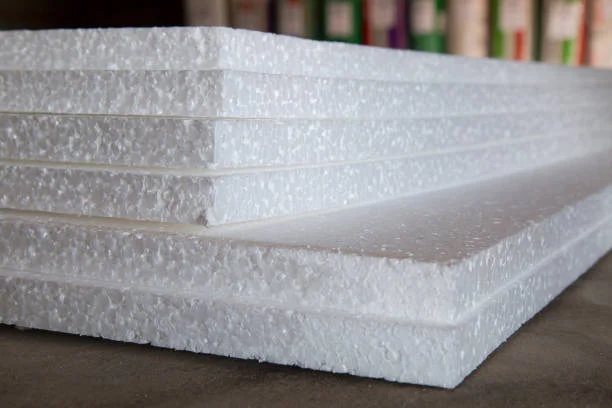
Styrofoam is not one solid material like wood or plastic. It is made of small foam beads joined together. That structure is what makes it light, but it also makes it tricky to cut. If your tool pushes too hard, the beads tear apart instead of slicing neatly.
The main problem is pressure. A dull blade crushes the foam. A fast, rough tool can rip the surface. Heat can help in some cases, but too much heat can melt the foam and create ugly edges. So the best results come from using a tool that matches the job and letting the tool do the work.
One thing many beginners miss is that styrofoam behaves differently based on density. Thick insulation foam and soft packing foam do not cut the same way. A tool that works well on one type may fail on another. That is why tool choice matters more than many people think.
Different foam types need different cutting methods
Soft packaging foam usually cuts easily with a sharp blade. Dense insulation foam often needs a hot wire cutter or a long blade saw. Very thin sheets can sometimes be scored and snapped. If you try to force one method on every foam type, your cut quality will drop fast.
Another detail people often overlook is edge support. Foam tears more easily near the end of a cut if the offcut falls away too soon. Supporting both sides of the foam helps keep the cut line smooth.
The Best Way to Cut Styrofoam for Most Projects
If you want the cleanest results for most straight and curved cuts, a hot wire cutter is often the best way to cut styrofoam. It slices through foam instead of tearing it. That gives smooth edges and very little debris. It is especially helpful for craft work, insulation boards, packaging inserts, and model making.
A hot wire cutter works by heating a thin wire until it melts through the foam. Because the wire is thin, it removes little material and leaves a neat edge. It also reduces the tiny foam beads that can make cleanup annoying. If your project needs a polished look, this method is usually the top choice.
That said, it is not perfect for every situation. Thick blocks, detailed shapes, and small jobs may be easier with another tool. Also, hot wire cutters need care because they use heat and electricity. You must work slowly and in a well-ventilated area.
When a hot wire cutter is the best choice
- You need smooth, professional-looking edges.
- You are cutting foam boards or thicker craft foam.
- You want less mess and fewer loose beads.
- You need repeat cuts that look consistent.
- You are making curves, angles, or custom shapes.
When another tool may be better
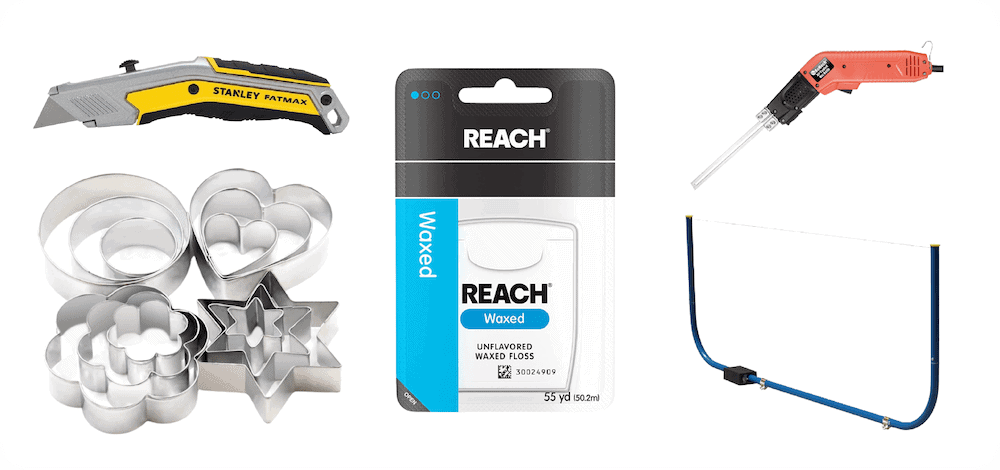
If you only need one quick straight cut, a utility knife may be faster. If the foam is very thick and dense, a saw or long blade may give more control. If you do not have access to a hot wire cutter, a sharp knife can still do a very good job if used correctly.
Best Tools for Cutting Styrofoam Cleanly
Each tool has a different strength. The right one depends on the cut you want. Below is a simple guide to help you choose.
| Tool | Best for | Cleanliness | Main drawback |
|---|---|---|---|
| Hot wire cutter | Smooth edges, foam boards, curves | Excellent | Needs heat, power, and ventilation |
| Utility knife | Thin sheets, quick straight cuts | Good | Can tear foam if the blade is dull |
| Long serrated knife | Thicker blocks, hand cutting | Good | May leave more texture on the edge |
| Craft knife | Small details and light foam | Very good for small work | Not ideal for thick foam |
| Fine-tooth saw | Dense foam, heavy pieces | Fair to good | Creates more foam dust |
Utility knife
A sharp utility knife is one of the easiest tools to use. It works well for thin foam sheets and simple straight lines. The key is to use a fresh blade and make several light passes instead of one hard cut. This reduces tearing and gives you better control.
One smart trick is to angle the blade slightly and let it glide through the foam. Do not press down too hard. Foam cuts best when the blade is sharp and your motion is steady.
Hot wire cutter
This is the top choice for smooth edges. It works best when you need precision and low mess. Many people who cut foam regularly use this tool because it saves time on cleanup and gives a more finished result.
Still, the wire should move at a steady pace. If you move too fast, the wire may drag and leave an uneven groove. If you move too slowly, it can melt the foam more than needed.
Long serrated knife
A serrated knife can cut foam without crushing it as much as a plain blade. It is useful for thicker pieces and for people who do not have a special foam cutter. A gentle sawing motion usually works better than pushing straight down.
This tool is a strong backup option, but it often leaves a rougher edge than a hot wire cutter. If the edge matters, you may need to trim or sand it lightly afterward.
Fine-tooth saw
A saw is helpful for thick foam blocks or dense insulation boards. It gives you reach and control. Choose a fine-tooth blade, because large teeth can chew up the foam and leave a rough surface. A slow, steady cut is best. For general hand-saw control, see our hacksaw technique guide.
People often think any saw will work, but that is a common mistake. A coarse saw can destroy the edge fast. A fine-tooth saw reduces tearing and gives better results.
How to Cut Styrofoam Step by Step
Here is a practical process you can follow for cleaner cuts. This works for many foam projects, especially when you want a straight line or a simple shape.
- Mark the cut clearly. Use a ruler, straightedge, or template. Light pencil lines work well.
- Secure the foam. Keep it still on a flat surface so it does not shift while cutting.
- Choose the right blade or cutter. Use a hot wire cutter for smooth edges or a sharp knife for simple cuts.
- Cut in light passes. Do not force the blade. Let it move through the foam with control.
- Support the offcut. Hold both sides if needed so the foam does not tear near the end.
- Check the edge. Trim small rough spots instead of trying to fix everything in one heavy cut.
This process sounds simple, but it solves many common problems. The biggest mistake beginners make is trying to finish the cut too quickly. Foam rewards patience. A slow cut is usually a cleaner cut.

Credit: healthyhandyman.com
How to cut curves and shapes
For curved lines, a hot wire cutter is often easiest. You can move it smoothly around the shape without forcing the foam apart. If you use a knife, make small controlled cuts and turn the foam instead of twisting your wrist too much.
Templates help a lot. If you are making repeated shapes, cut one template first and trace around it. This makes your work neater and more consistent.
How to cut thick foam boards
Thick foam boards are harder because the blade has to stay straight for a longer distance. A long blade, saw, or hot wire cutter is usually better than a short craft knife. Make sure the foam is supported on both sides, especially near the end of the cut. If you are comparing saw use on wood instead, our hacksaw and wood cutting guide covers that case.
For very thick pieces, cut halfway from one side, then flip the foam and finish from the other side. This helps reduce breaking and keeps the edges more even.
How to Stay Safe While Cutting Styrofoam
Safety matters even though styrofoam looks harmless. Sharp blades can cut skin quickly. Hot wire cutters can burn you. Foam dust can irritate your nose and eyes. A little care makes the whole job much safer.
If you use a hot wire cutter, work in a space with fresh air. The foam can release fumes when heated. For general safety guidance about foam and handling materials, it is a good idea to check trusted sources such as the U.S. Consumer Product Safety Commission.
Credit: epsole.com
Basic safety habits that matter
- Keep blades sharp. Dull blades slip more easily.
- Cut away from your hands and body.
- Wear safety glasses if foam chips or dust may fly.
- Use a stable work surface.
- Keep hot tools away from paper, fabric, and plastic.
- Do not leave a hot wire cutter unattended while it is on.
Ventilation is often ignored
This is one of the most overlooked points. Many people focus only on the cut and forget the air around them. Heated foam can release odor and fumes. Even if the smell seems mild, it is still better to work near open air or use a fan. Do not cut heated foam in a small closed room.
Fire risk is real with heat tools
Hot wire cutters are useful, but they should be treated with respect. Keep them away from flammable materials. Turn them off when you are not using them. Give the wire time to cool before storing the tool.
How to Get Smoother Edges
A clean cut is not only about the first slice. It is also about what you do after the cut. Small finishing steps can make a big difference.
Use a fresh blade
This is one of the simplest ways to improve your result. A new blade cuts with less pressure. Less pressure means less tearing. If you notice the foam dragging instead of slicing, change the blade before you continue.
Make multiple light passes
Do not try to cut the full depth in one push unless the material is very thin and easy. Several light passes are often cleaner than one hard pass. This is especially true for utility knives and craft knives.
Trim small rough spots
If the cut edge has a few small bumps, use the blade to shave them away gently. Do not scrape hard. A soft touch gives better control and avoids making the edge worse.
Use light sanding only when needed
Very light sanding can help on some foam types, but it also creates dust and may damage the surface if you overdo it. Use fine grit and gentle pressure. This is more of a finishing touch than a main cutting method.
Common Mistakes That Ruin Styrofoam Cuts
Even a good tool can give poor results if it is used the wrong way. These mistakes happen often, especially for beginners.
- Using a dull blade. This is the fastest way to tear foam.
- Cutting too fast. Fast movement leads to rough edges and mistakes.
- Pressing too hard. Foam should be sliced, not crushed.
- Ignoring foam type. Soft foam and dense foam need different tools.
- Skipping support. Unsupported foam can break near the end of the cut.
- Forgetting ventilation. This is a problem when heat is involved.
One non-obvious mistake is starting the cut without planning the exit point. If you do not know where the blade will finish, you may tear the edge right at the end. Always think through the full cut before you begin.
Which Cutting Method Should You Choose?
The best choice depends on your goal. If you want the smoothest finish and you are cutting foam often, a hot wire cutter is usually the best way to cut styrofoam. If you need a quick, simple cut, a sharp utility knife may be enough. For thick or dense material, a fine-tooth saw or long serrated knife can give better control.
Here is a simple way to decide:
- For clean, professional edges: choose a hot wire cutter.
- For quick light cuts: choose a sharp utility knife.
- For thick foam blocks: choose a long blade or fine-tooth saw.
- For small detailed shapes: choose a craft knife or hot wire tool.
If you only remember one thing, remember this: the cleanest cut comes from the right tool, a sharp edge, and light pressure. Speed matters less than control.
Helpful Tips for Better Results
These practical tips can save time and reduce mistakes:
- Measure twice before cutting.
- Use a ruler or metal straightedge for straight lines.
- Keep a vacuum or brush nearby for foam bits.
- Practice on a scrap piece first if the shape is important.
- Cut in a calm, steady motion instead of rushing.
Another useful tip is to plan where the rough side can hide. If one edge will be glued, covered, or placed against a wall, that is the best side to accept a slightly rougher cut. Save the cleanest edge for the visible side.
Credit: homegrail.com
Final Thought
Styrofoam is easy to damage, but it is also easy to master once you understand how it behaves. The best method depends on the foam type and the finish you want, but for most clean, accurate work, a hot wire cutter stands out. It gives smooth edges, less mess, and more control than many other tools.
If you do not have one, a sharp knife can still do a good job when used slowly and carefully. Focus on fresh blades, light pressure, stable support, and safe working habits. That is the real secret behind better foam cuts. Once you apply these basics, your results will look neater and feel much easier to achieve.
FAQs
1. What is the safest tool for cutting styrofoam?
For many projects, a sharp utility knife is the safest simple option because it does not use heat. If you use a hot wire cutter, safety is still good, but you must handle the heat carefully and work with ventilation.
2. Can I cut styrofoam with a regular kitchen knife?
Yes, but it is not ideal. A kitchen knife may be too thick or dull for clean foam cuts. A serrated knife can work better than a plain one, especially for thicker pieces.
3. Why does styrofoam crumble when I cut it?
It usually crumbles because the blade is dull, the cut is too fast, or too much pressure is being used. A sharper blade and slower motion usually fix the problem.
4. Do I need a hot wire cutter for every styrofoam project?
No. A hot wire cutter is great for smooth, clean cuts, but it is not necessary for every job. Thin sheets and small tasks can often be handled well with a sharp knife.
5. How do I stop foam dust from making a mess?
Use a cutting method that slices cleanly, like a hot wire cutter or sharp blade. Work over a covered surface, keep a brush or vacuum nearby, and avoid rough sawing when a cleaner tool is available.
