
If you are comparing a siding nailer vs roofing nailer, the first thing to know is this: they may look similar, but they are built for very different jobs. Using the wrong one can slow you down, damage materials, or even create a weak finish that fails later.
Both tools drive nails fast. Both save a lot of time compared with hand nailing. But the nail type, magazine angle, nail size, nose design, and the way each tool handles the job are not the same. That is why choosing the right one matters more than many beginners expect.
In this guide, you will learn the real differences, where each tool works best, what to check before buying, and which one makes sense for your project. If you want a clear answer without technical confusion, you are in the right place.
What makes these two nailers different
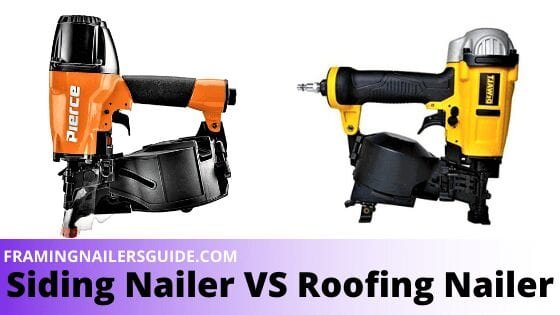
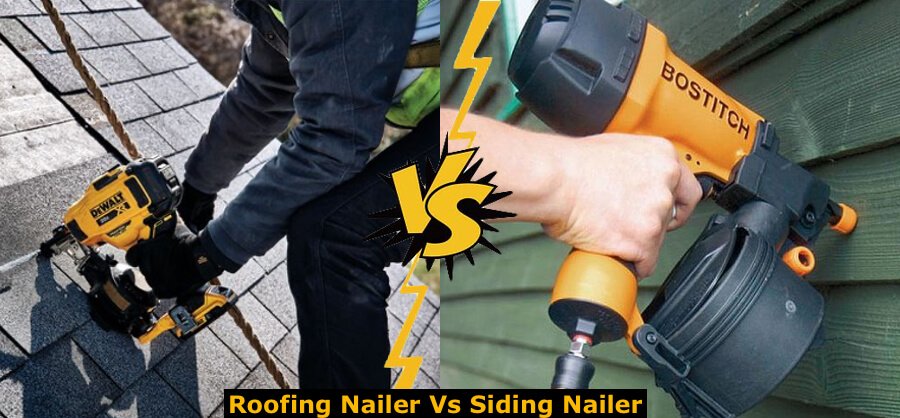
A siding nailer is made for attaching siding materials such as wood siding, fiber cement siding, engineered wood, and some trim boards. A roofing nailer is made for fastening shingles, felt, and other roofing materials. That is the main difference, but it is not the only one.
The biggest difference is the style of work each tool is designed for. Siding work needs cleaner placement, better control, and often longer nails. Roofing work needs speed, light weight, and quick repeated nailing over large areas.
Here is a simple way to think about it:
- Siding nailer: better for precision, side-wall materials, and longer nails
- Roofing nailer: better for fast shingle installation and short roofing nails
Most beginners miss one important point: the difference is not just about what material you nail. It is also about how the nail has to sit in the material. Roofing nails must hold shingles without damaging them. Siding nails often need to be placed in a way that allows the material to move a little with temperature changes. That small detail matters a lot over time.
How a siding nailer works
A siding nailer is built to attach long pieces of siding to a wall. It is usually designed to handle nails that are longer than roofing nails. Many siding projects need ring-shank nails or nails with a strong grip because the material must stay secure through wind, moisture, and seasonal movement.
Siding nailers often have a more precise nose and a design that helps you place nails carefully. This is useful when you are working near edges, trims, or visible surfaces where neat spacing matters.
Common siding tasks
- Installing wood siding
- Fastening fiber cement siding
- Working on engineered wood panels
- Attaching trim pieces
- Securing exterior wall boards
Another useful detail: siding nailers are often used where nail placement must follow manufacturer rules. Some siding products need nails placed in specific zones, and a good siding nailer helps you do that accurately. This is especially important for newer cladding systems.
How a roofing nailer works
A roofing nailer is made for one main purpose: fastening shingles quickly. It uses short nails and is usually built for speed rather than fine control. Roofing jobs often involve large surface areas, so the tool needs to be light enough to move easily and tough enough to handle long sessions.
The magazine design on a roofing nailer is often wider and set up for high-volume work. This lets roofers move fast without stopping often to reload. On a steep roof, that speed can make a real difference in safety and efficiency.
Common roofing tasks
- Installing asphalt shingles
- Fastening roofing felt or underlayment
- Working on large roof areas
- Replacing damaged shingles
- Quick repair jobs on sloped surfaces
A roofing nailer is not built for fine exterior finishing work. It is made for consistent, repeated fastening of the same kind of material. That focus is what makes it so useful on roofing jobs.
Side-by-side differences that matter in real use
If you are deciding between the two, it helps to look at the features that affect daily work. The differences below are the ones that usually matter most.
| Feature | Siding Nailer | Roofing Nailer |
|---|---|---|
| Main purpose | Installing siding and exterior wall materials | Installing shingles and roofing materials |
| Nail length | Often longer nails | Usually short roofing nails |
| Work style | More precise and controlled | Fast and repetitive |
| Material handling | Good for boards, panels, trim | Best for shingles and underlayment |
| Tool feel | Balanced for accuracy | Designed for speed and lighter handling |
| Best project type | Wall cladding and exterior finish work | Roof covering and repairs |
One thing many first-time buyers overlook is nail pattern control. Roofing nailers usually place nails in a very standard pattern because shingles demand consistency. Siding nailers may need a little more flexibility depending on the material type and wall design.
Which nailer uses which nails
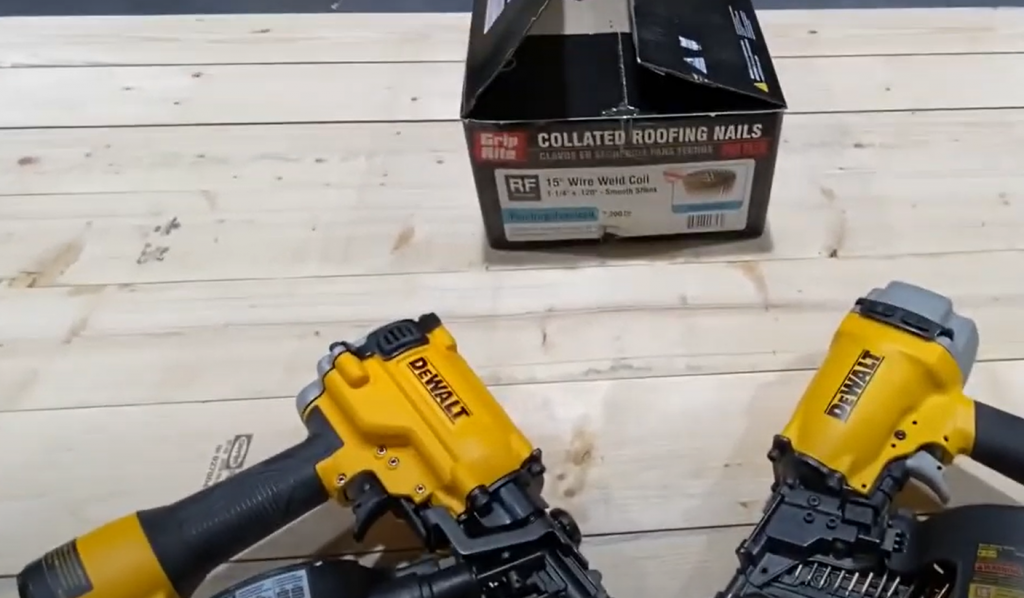
This is where many people make a costly mistake. The nail type is not interchangeable just because the tools look close.
Credit: nailershub.com
Siding nailer nails
Siding nailers commonly use longer nails, often in sizes suited for exterior wall materials. The exact size depends on the siding product, thickness, and wall layers. Many jobs also require corrosion-resistant nails, especially in wet or coastal areas.
Roofing nailer nails
Roofing nailers use short nails made for holding shingles in place without going too deep. They are usually designed for speed and for preventing damage to roofing materials. The nails are typically wider-headed to help secure shingles properly.
Beginners sometimes assume a longer nail is always better. That is not true. If the nail is too long for roofing, it can create problems under the shingles. If it is too short for siding, the hold may be weak. The right nail is part of the job, not an extra detail.
When a siding nailer is the better choice
Choose a siding nailer when your project involves vertical walls, decorative exterior panels, or any material that needs neat, controlled fastening. It is the better tool when appearance matters as much as strength.
You will likely want a siding nailer if you are doing one of these jobs:
- Installing new house siding
- Replacing damaged wall boards
- Working with fiber cement or engineered siding
- Doing trim and exterior finish work
Another good reason to choose a siding nailer is durability in varied weather conditions. Exterior walls are always under pressure from moisture, heat, and movement. A siding nailer helps place nails in a way that supports the material without causing stress damage.
If you care about a cleaner visible finish, this tool is often the smarter pick. It gives you better control where nail placement is seen or where exact spacing matters.
When a roofing nailer is the better choice
Choose a roofing nailer if your main task is shingle installation or roof repair. It is built to work fast across a large surface, which is exactly what a roofing job needs.
You will usually want a roofing nailer for:
- Installing asphalt shingles on a new roof
- Repairing a section of damaged shingles
- Replacing roof underlayment
- Working on steep roof areas where speed helps
A roofing nailer is also useful because roof jobs often happen in conditions where time matters. Weather can change fast. The more efficiently you can secure shingles, the better your result.
Still, a roofing nailer is a poor choice for detailed siding work. It does not give the same control, and its nail setup is simply not made for that purpose.
Can you use one tool for both jobs?
In most cases, no. Even if a tool looks like it could work, that does not mean it should. The problem is not only fit. It is performance, nail size, and finish quality.
Some people try to use a roofing nailer for siding because it is already on hand. Others try to use a siding nailer on shingles because they want to avoid buying another tool. Both choices can lead to poor results.
Why using the wrong tool causes problems
- The nails may be the wrong length or shape
- The tool may place nails too deep or too shallow
- Material may crack, split, or lift
- The final installation may not meet manufacturer rules
Here is a helpful rule: if the project affects weather protection, do not guess. Use the tool made for that material. It is a simple way to avoid expensive mistakes later.
What to check before buying
Buying the right nailer is not just about siding or roofing. You also need to check practical details that affect how the tool feels and performs.
Credit: framingnailersguide.com
1. Nail size range
Make sure the nailer supports the nail lengths your project needs. This is one of the first things to confirm, because size limits vary a lot between models.
2. Magazine angle
The magazine angle affects how the tool fits into tight spaces. It also affects balance. For roofing and siding work, comfort matters more than many beginners expect because these jobs often take hours.
3. Weight
Roofing can involve long periods overhead or on sloped surfaces. A lighter tool often reduces fatigue. Siding work also benefits from a tool that feels balanced in the hand.
4. Depth adjustment
This feature helps you control how deep the nail goes. That matters for both tools, but especially when working with materials that can crack or split.
5. Durability and build quality
Exterior work is rough on tools. Dust, weather, and repeated use all create wear. A stronger build usually lasts longer and keeps performance more consistent.
6. Air or power type
Most siding and roofing nailers are pneumatic, which means they use compressed air. Some newer models may be cordless. Cordless convenience is nice, but pneumatic tools are still very common because they are reliable and powerful.
If you want a trusted general source on nail gun safety and use, the OSHA website is a useful place to check basic safety guidance.
Common mistakes beginners make
Choosing between a siding nailer vs roofing nailer becomes much easier when you know the usual mistakes. These are the ones people make most often.
Using the wrong nail type
This is the most common error. The tool may fire, but the job may still be wrong. Nail size and head style matter just as much as the tool itself.
Ignoring material rules
Some siding and roofing products have clear fastening instructions. Skipping them can cause future problems, even if the installation looks fine at first.
Choosing speed over control
Fast is not always better. Roofing favors speed. Siding often does not. If you rush siding work, the finish can look uneven or become less secure.
Buying based on price alone
A cheaper tool may seem attractive, but if it does not match the job, it becomes wasted money. The right tool usually saves more than it costs.
One non-obvious insight: a lot of bad fastening problems come from air pressure setup, not just the nailer. Even the correct tool can misfire or overdrive nails if the pressure is wrong. So when people say a nailer “does not work well,” the real issue is often setup.
Which one should you choose?
If you are working on roofs, choose a roofing nailer. If you are working on walls, siding, or exterior trim, choose a siding nailer. That is the simplest and most reliable answer.
For a homeowner or DIY user, the choice should depend on the project you do most often. If you only plan to repair a few shingles, a roofing nailer may be enough. If you are rebuilding exterior walls or installing new siding, a siding nailer is the better investment.
For contractors, the answer is even clearer. You often need both tools because they serve different trades. Trying to force one tool into both roles usually costs time and quality.
Best choice by project type
- Roof repair or shingle installation: roofing nailer
- Wall siding installation: siding nailer
- Exterior trim work: siding nailer
- Large roof jobs: roofing nailer
If you are still unsure, ask one simple question: “Is this a roof job or a wall job?” That answer will usually point you to the right tool immediately.
Final thoughts
The siding nailer vs roofing nailer choice becomes easy once you understand the job each tool is built to do. A siding nailer gives you better control, more accurate fastening, and the right support for exterior wall materials. A roofing nailer gives you speed, efficiency, and the correct setup for shingles and roof repairs.
Do not choose based only on how similar the tools look. Choose based on the material, the nail type, and the finish you need. That is the best way to get a strong, clean result that lasts.
In short: use a siding nailer for siding and trim. Use a roofing nailer for shingles and roofing work. The right choice saves time, protects materials, and helps you avoid costly mistakes.
Credit: woodworkmag.com
FAQs
1. Can I use a roofing nailer for siding?
Usually no. A roofing nailer is made for shingles and short roofing nails. It does not give the control or nail setup needed for most siding jobs.
2. Can I use a siding nailer for roofing?
Usually not a good idea. Siding nailers are made for wall materials and often use different nail sizes. Roofing needs a tool built for fast, repeated shingle fastening.
3. Which tool is better for a beginner?
It depends on the project. For roof work, a roofing nailer is the right choice. For siding or exterior trim, a siding nailer is better. The tool should match the job, not the skill level.
4. Are siding nails and roofing nails the same?
No, they are different in size, head style, and use. Roofing nails are short and designed for shingles. Siding nails are often longer and made for wall materials.
5. Which nailer is more versatile?
Neither one is truly universal. A siding nailer can handle more types of wall materials, while a roofing nailer is highly specialized for roofing. For general exterior work, the siding nailer is often the more flexible of the two.
