
If you are trying to choose between a screw gun and a drill, you are not alone. These tools look similar at first glance, and both can drive fasteners. But they are built for different jobs, and the wrong choice can slow your work or damage your material.
The screw gun vs drill question comes up often in home projects, construction work, and even simple furniture assembly. A drill is a general-purpose tool. A screw gun is a more focused tool made to drive screws fast and with control. Once you understand the real difference, picking the right one becomes much easier.
This guide explains how each tool works, where each one performs best, common mistakes to avoid, and how to decide which tool you actually need. If you want cleaner results, less frustration, and better speed, this comparison will help.
What a drill is designed to do
A drill is one of the most useful power tools you can own. Its main job is to make holes. It can also drive screws when you attach the right bit, which is why many people use it for both drilling and fastening.
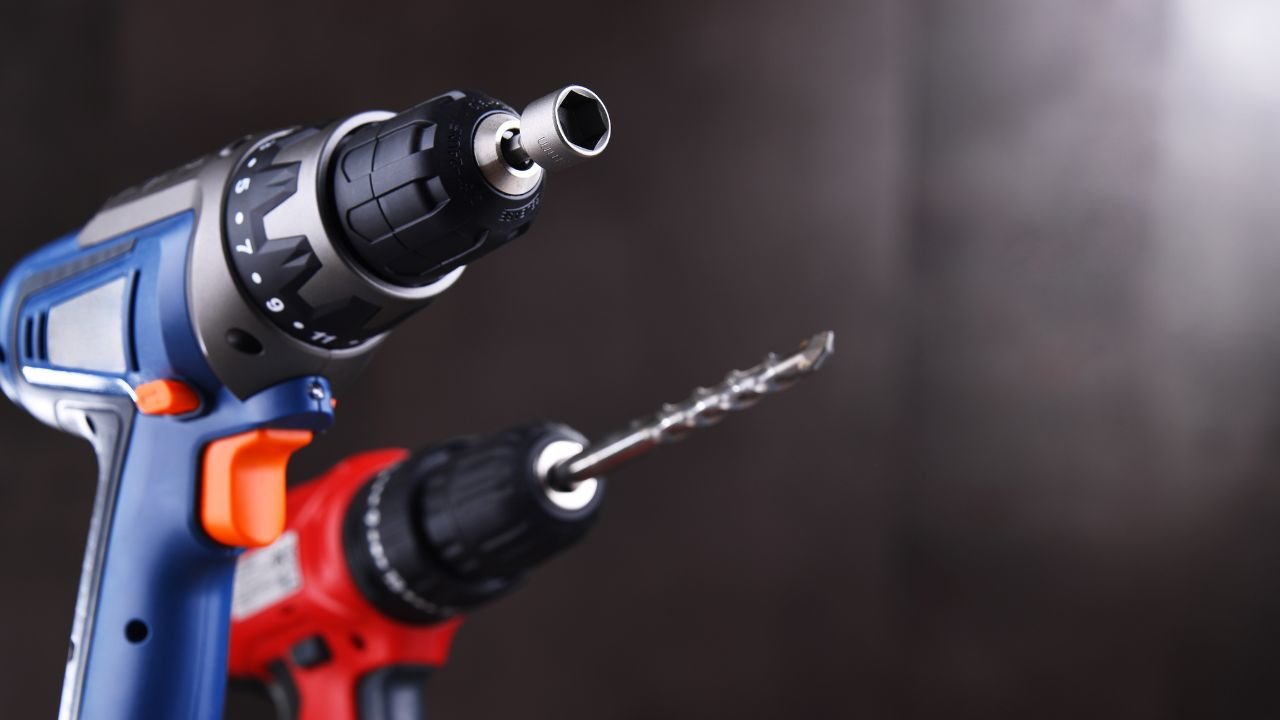
Most drills have a chuck at the front that holds different bits. You can switch from a drill bit to a screwdriver bit in seconds. That flexibility is the big reason drills are so popular for DIY work and general repairs.
Drills are built for versatility. They can handle wood, plastic, metal, and sometimes masonry with the right bit. Many modern drills also have adjustable clutch settings, which help control how much force goes into a screw. This matters because too much force can strip screw heads or damage soft wood.
A good drill is not the fastest screw driver in the world, but it is one of the most flexible tools you can buy.
What a screw gun is built for
A screw gun is made for one main task: driving screws quickly and consistently. It is common on job sites, especially in drywall work and repetitive fastening tasks. Some people call it a drywall screw gun, but the idea is the same. It is a purpose-built fastening tool.
Unlike a drill, a screw gun often has a nose piece that helps set screws to a consistent depth. That depth control is a major advantage. It lets you drive many screws to the same level without guessing. This saves time and gives a cleaner finish, especially on drywall, subflooring, and framing tasks.
Many screw guns also have a higher RPM than typical drills, which helps them drive screws quickly. They are not meant to replace a drill for hole-making. Instead, they are meant to make screw driving faster, easier, and more repeatable.
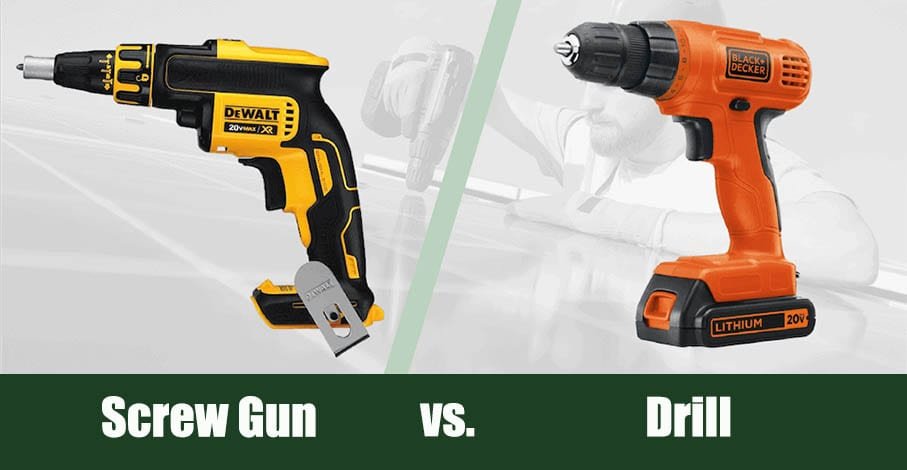
In simple terms, a drill is the multitool, while a screw gun is the specialist.
The main differences between a screw gun and a drill
People often ask about the difference in a very general way, but the real answer is about design and purpose. Both tools spin bits, but they do not feel the same in use, and they do not solve the same problems.
| Feature | Drill | Screw Gun |
|---|---|---|
| Main purpose | Drilling holes and driving screws | Driving screws quickly and consistently |
| Flexibility | High | Lower |
| Best use | General home and workshop tasks | Repetitive screw work |
| Depth control | Manual or clutch-based | Usually built in |
| Speed | Good | Very fast for screws |
| Hole drilling | Excellent | Not ideal |
| User experience | All-purpose | Specialized and repetitive |
One of the biggest differences is how each tool feels under pressure. A drill gives you more control across different tasks. A screw gun feels more automatic when driving screws, especially if you are installing many fasteners in a row.
Another important difference is bit and depth behavior. A drill can accept many bit types and is easy to switch between jobs. A screw gun often works best with a specific type of screw bit and is tuned for consistent screw depth rather than broad versatility.
Speed versus control
A screw gun is usually faster for repetitive fastening. If you need to install dozens or hundreds of screws, that speed matters a lot. A drill can still do the job, but it may feel slower because it is not optimized for the same task.
A drill gives you more control for mixed work. If you need to drill a pilot hole, change bits, then drive the screw, a drill handles that process well. This is one of the reasons many people choose a drill first when building a tool collection.
Depth consistency
This is a point beginners often miss. Screw depth is not just about looks. It affects strength, safety, and finish quality. Screws that sit too high can catch on surfaces. Screws driven too deep can damage the material or reduce holding power.
A screw gun usually solves this with better built-in depth control. That is why professionals like it for drywall and similar jobs where many screws must look and perform the same.
Learning curve
Drills are usually easier for beginners. Most people already understand the basic idea: squeeze the trigger and drill or drive. A screw gun can be just as simple in use, but it makes more sense when you have a repeated fastening task. If you only need to hang a shelf or build a chair, a drill is usually the more practical tool.
When a drill is the better choice
For most homeowners, the drill is the better first tool. It works across a wide range of tasks, so it gives you more value if you only want one power tool for common jobs.
Choose a drill when you need to:
- Drill holes in wood, plastic, or metal
- Drive screws in furniture assembly
- Install shelves, curtain rods, and brackets
- Use different bit types for different tasks
- Do light repair work around the house
A drill is also the better choice when you do not know what task will come next. Maybe you need to drill a pilot hole first, then drive a screw, then enlarge a hole later. A drill gives you that flexibility without switching tools.
Here is a non-obvious point many beginners miss: a good drill with the right clutch setting can actually do a better fastening job than a cheap screw gun on small projects. Control matters more than raw speed when you are working with soft wood, thin panels, or delicate hardware.
Credit: handymanaustralia.com
When a screw gun is the better choice
A screw gun is the better choice when the job involves a lot of screws and very little drilling. That is where it shines.
Choose a screw gun when you need to:
- Install drywall
- Drive large numbers of screws into framing
- Work on subfloor or decking projects
- Keep screw depth consistent across many fasteners
- Move quickly on repetitive job-site tasks
Professionals often pick a screw gun because time matters. If you are installing many panels or fastening a large area, even small speed gains add up. The tool also helps reduce tired hands because the screw-setting process becomes more automatic.
Another thing beginners often overlook is fatigue. A drill may feel fine for a few screws, but after a long row of fastening, the repetition can slow you down. A screw gun is built for that exact kind of work, so it stays comfortable and predictable over time.
Which tool is easier for beginners?
For most beginners, a drill is easier to understand and more useful overall. It is the better entry-level choice because it can do more jobs and is easier to justify as your first purchase.
If you are a homeowner, a drill can help with:
- Basic repairs
- Furniture assembly
- Hanging items on walls
- Small workshop projects
A screw gun makes more sense once your work becomes repetitive. If you are building decks, hanging drywall, or doing contractor-level tasks, it starts to earn its place. But if you are only doing a few projects a month, a drill usually gives better value.
Beginners also benefit from the fact that a drill can teach better habits. You learn about pilot holes, bit choice, clutch settings, and material behavior. Those skills transfer to almost every future project.
Common mistakes people make with both tools
Even simple tools can be used badly. Many problems blamed on the tool are really caused by technique.
Using a drill like a screw gun for large fastening jobs
This is a common mistake on bigger projects. A drill can drive screws, but if you are doing hundreds of them, the work becomes slower and more tiring. You may also get less consistent screw depth.
Using a screw gun for drilling holes
A screw gun is not the right tool for most hole-making tasks. It may work in a pinch, but that is not its strength. If you try to force it into drilling work, you can waste time and get poor results.
Skipping pilot holes when needed
This is a mistake with both tools. In hard wood, near edges, or with thick screws, pilot holes can prevent splitting and make driving easier. Many beginners think power alone is enough. It is not.
Driving screws too deep
Too much force can strip the screw or damage the surface. This is where clutch control on a drill and depth control on a screw gun become very important.
One useful rule: if the material starts to crush, bulge, or crack, stop and adjust. Power tools do not replace judgment.
How to choose between a screw gun and a drill
The simplest way to choose is to ask what kind of work you do most often.
Credit: homegrail.com
Buy a drill first if you want one all-around tool
If you only want one tool, get a drill. It covers more tasks and gives you more flexibility. This is the right choice for most homeowners, renters, and casual DIY users.
Buy a screw gun first if you do large amounts of fastening
If your work is repetitive and screw-heavy, a screw gun can save time and improve consistency. This is more common for professionals or serious remodelers.
Own both if your projects vary a lot
If you build, repair, and install often, both tools can make sense. A drill handles the broad tasks. A screw gun handles the repetitive fastening. Together, they create a very efficient setup.
Here is a simple decision guide:
- Choose a drill if you need flexibility and only occasional screw driving.
- Choose a screw gun if you install many screws and want faster, cleaner consistency.
- Choose both if you work on large projects and value speed plus versatility.
Features that matter when buying a drill
If you decide a drill is the right tool, do not focus only on battery size or brand name. A few details matter much more in real use.
Torque and speed settings
Torque helps with screw driving. Higher speed helps with drilling. A drill with multiple speed settings is easier to use because you can match the tool to the job.
Clutch control
This is one of the most useful features for screw driving. It helps prevent overdriving. If you work with soft wood or small screws, clutch control is a big advantage.
Chuck quality
A strong chuck holds bits securely. If bits slip or wobble, your work becomes harder and less accurate. This is especially important when switching between drill bits and driver bits.
Battery and ergonomics
If you choose a cordless drill, comfort and battery life matter. A heavy tool can get tiring. A balanced grip makes a bigger difference than many buyers expect.
Features that matter when buying a screw gun
A screw gun is more specialized, so you should look for features that improve speed and repeatability.
Depth adjustment
This is one of the most important features. It helps you set screws to the same depth every time. For drywall and repeated fastening, this is a major time saver.
RPM and power balance
A screw gun needs enough speed to drive screws quickly, but not so much that it becomes hard to control. Fast does not always mean better. A balanced tool usually performs better in real work.
Bit retention and nose design
The front end should help guide the screw properly. If the screw slips or the tool feels awkward against the surface, your work gets slower and less accurate.
Job fit
Always ask whether the tool matches the type of fastening you do most. A screw gun is most valuable when the same motion is repeated many times.
Drill versus screw gun in real projects
It helps to see the difference in practical use.
Hanging shelves
A drill is usually better. You may need to drill into drywall, wood studs, or wall anchors, then drive screws. The ability to switch tasks quickly matters more than speed.
Installing drywall
A screw gun is usually better. This work is repetitive, and screw depth consistency is important. A drill can do it, but it is not as efficient.
Assembling furniture
A drill is usually the better option. The screws are often small, the material is delicate, and too much power can damage parts.
Decking or framing
Both can be used, but a screw gun often wins if the task is highly repetitive. A drill may still be useful for pilot holes and mixed fastening jobs.
Small home repairs
A drill is the clear winner. It handles the widest range of tasks with the least hassle.
Do you really need both tools?
Not everyone does. Many people can handle 80 percent of their work with a good drill. That is especially true for homeowners and casual users.
But if you work on bigger projects, a screw gun can remove a lot of frustration. It becomes a time-saver, not just another tool. The real question is not which one is “better” in general. It is which one fits your actual work.
For many buyers, the best path is simple: start with a drill, then add a screw gun only if your projects begin to demand it.
If you want a deeper look at tool safety and proper use, the OSHA website offers useful safety guidance for power tool work.
Credit: gambrick.com
Final thoughts on screw gun vs drill
The screw gun vs drill choice becomes simple once you focus on the job. A drill is the better all-around tool. It drills holes, drives screws, and handles many small tasks around the home and workshop. A screw gun is the better specialist. It drives screws faster and with more consistent depth, especially in repetitive work.
If you need one tool for everyday use, buy a drill. If your work involves lots of screws and less drilling, a screw gun may be the smarter buy. And if you do both often, owning both tools can save time and improve results.
The best tool is not the most powerful one. It is the one that matches your work.
FAQs
1. Can a screw gun replace a drill?
Not fully. A screw gun is great for driving screws, but it is not meant for general drilling. A drill is much more flexible and can handle many different tasks.
2. Is a drill good enough for drywall screws?
Yes, a drill can drive drywall screws. But a screw gun is usually faster and gives more consistent depth, which is why professionals prefer it for that job.
3. Which tool is better for home use?
For most home users, a drill is better. It works for more projects and is easier to justify as your first power tool.
4. Do screw guns need special bits?
Most screw guns work best with the correct driver bit for the screw type. Using the right bit improves grip and reduces stripping.
5. What is the biggest mistake buyers make?
The biggest mistake is buying a specialized tool too early. Many people buy a screw gun when they really need a drill with good clutch control and bit options.
