
A pressure washer can turn hard cleaning jobs into fast, easy work. Old dirt, mud, grease, and stains often need too much scrubbing by hand. With the right machine and the right method, you can clean large surfaces in far less time and get a better result.
The best pressure washer uses are not only about speed. They are also about using the right amount of force on the right surface. Some jobs need strong pressure. Others need a softer touch. If you know the difference, you can clean more safely, waste less water, and protect the things you own.
In this guide, you will learn 15 practical ways to use a pressure washer around your home, yard, and outdoor spaces. You will also see what settings work best, what mistakes to avoid, and when a pressure washer is the smart choice instead of a brush and bucket.
Why a pressure washer saves so much time
A pressure washer does not just spray water. It uses fast-moving water to break the bond between dirt and the surface below it. That is why it works so well on concrete, siding, decks, fences, and outdoor furniture. In many cases, it removes grime that normal rinsing cannot touch.
Another reason it saves time is simple: it covers a wide area quickly. You do not need to scrub every inch by hand. You also do not need to keep stopping and rinsing like you do with a mop or sponge. For large outdoor cleaning jobs, that difference matters a lot.
One thing many beginners miss is that pressure is only part of the result. Water flow also matters. A machine with strong pressure but weak water flow may clean slowly on big jobs. For broad surfaces like driveways and patios, a balanced machine often works better than the one with the highest number on the box.
1. Clean driveways and sidewalks
Driveways and sidewalks are some of the most common pressure washer uses. These surfaces collect dust, tire marks, mud, oil spots, and green algae over time. A pressure washer can remove all of that much faster than hand scrubbing.
For concrete, a surface cleaner attachment can make the job even easier. It gives a more even clean and helps prevent streaks. If you use only a wand, you may leave visible lines, especially on larger areas.
Best tip: Pre-treat oil stains before washing. Pressure alone does not always remove deep grease. A degreaser can improve the result a lot.
2. Wash cars, trucks, and trailers with care
A pressure washer can help clean vehicles faster, especially large ones like trucks, vans, and trailers. It removes loose dirt, road salt, and mud before hand washing. That means less rubbing and less chance of scratching the paint.
Still, this is one of the jobs where people make mistakes. Too much pressure or a narrow nozzle can damage paint, trim, seals, and decals. For vehicles, use a low-pressure setting, a wide spray, and a soap attachment if available.
Important note: Keep a safe distance and never point the spray directly at window seals, badges, or damaged paint. Those areas are easy to harm.
3. Refresh siding and exterior walls
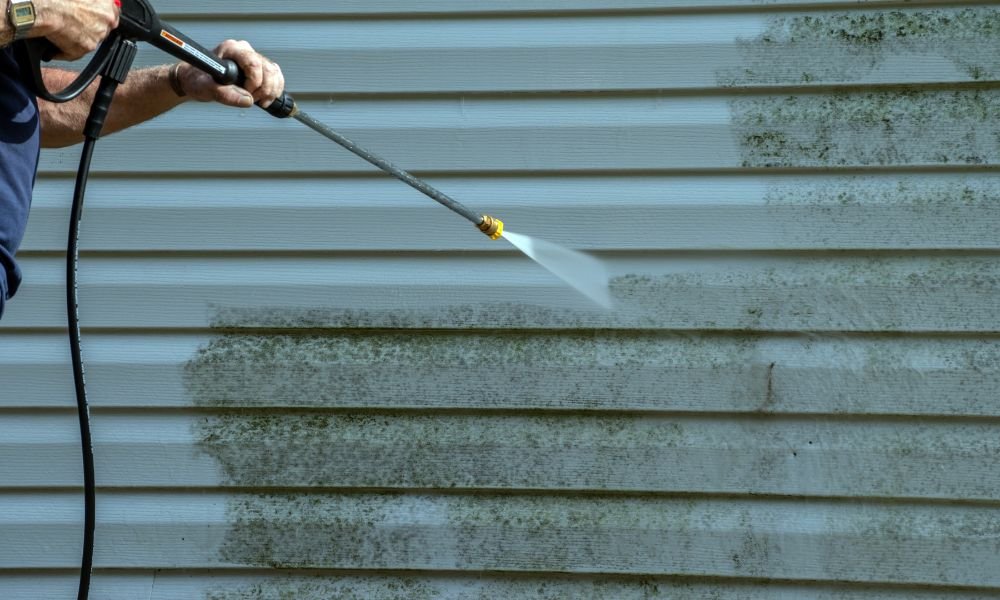
House siding often collects dust, pollen, spider webs, and mildew. A pressure washer can clean it much faster than ladders, sponges, and buckets. Vinyl siding, in particular, can look much brighter after a careful wash.
For this task, the goal is gentle cleaning, not force. Use a wide spray and work from the bottom up with soap, then rinse from the top down. That helps prevent streaking and gives the detergent time to work.
If you have painted wood, stucco, or older siding, test a small area first. Some surfaces can be damaged by strong water pressure. According to the U.S. EPA WaterSense program, using water wisely matters, and pressure washers can help when used with care and the right method.
4. Clean patios and outdoor living areas
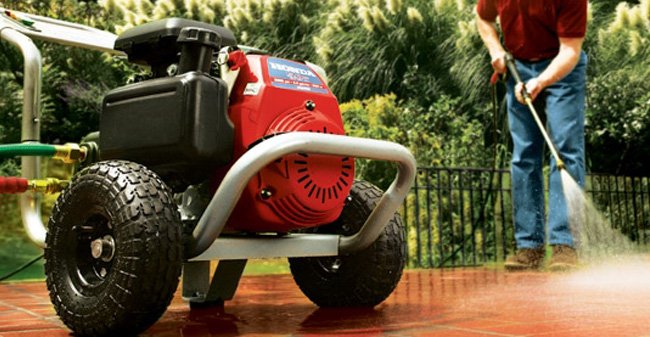
Patios often get dirty from food spills, wet leaves, mud, and foot traffic. A pressure washer can bring back the look of stone, brick, or concrete patios in a short time. This is one of the most satisfying pressure washer uses because the change is often easy to see right away.
For pavers or brick, use steady movement and avoid holding the spray in one spot too long. If the joint sand is already loose, strong water can wash some of it away. In that case, you may need to refill the joints after cleaning.
What works best on patios
- Use a fan spray instead of a narrow jet.
- Work in small sections so the soap does not dry.
- Rinse dirt away from the house, not toward it.
- Let stubborn algae soak for a few minutes before rinsing.
5. Remove dirt from fences
Wood, vinyl, and metal fences all collect dust and weather stains. A pressure washer can clean them far faster than manual wiping, especially if the fence is long. This is useful before staining, painting, or seasonal yard cleanup.
Wood fences need extra care. Too much pressure can cut into the grain and leave rough marks. Vinyl fences are easier to clean, but they still need a gentle spray to avoid cracking older panels.
Non-obvious tip: Clean fences on a cloudy day or early morning if possible. Soap and water dry too fast in direct sun, which can leave marks and make the job harder.

Credit: vecteezy.com
6. Strip mud from tools and garden equipment
Shovels, wheelbarrows, lawn rollers, rakes, and garden carts can collect thick mud. A pressure washer clears that buildup quickly, especially after yard work or landscaping projects. It is much easier than scraping dried soil by hand.
This use is helpful before storing tools for the season. Clean tools last longer, move better, and are easier to handle next time. Metal parts also have less chance of rust if you dry them well after washing.
7. Clean garage floors and workshop surfaces
Garage floors pick up oil drips, brake dust, dirt, and salt from cars. A pressure washer can handle many of these messes, especially on sealed concrete. It also works well for workshop floors where dust and grime build up over time.
Before cleaning, move all items out of the area and sweep loose debris first. Then apply a degreaser to stained spots and let it sit for a few minutes. That gives the washer a much better chance of lifting the stain.
One thing beginners miss: Water can flow toward drains, walls, or storage areas if you do not plan the direction first. Always think about where the dirty water will go.
8. Wash outdoor furniture
Plastic chairs, metal tables, resin furniture, and some treated wood pieces can be cleaned quickly with a pressure washer. This is especially useful after winter storage or before a backyard party. Dirt, bird droppings, and pollen often disappear much faster this way.
Use a soft spray and keep the nozzle moving. Cushions and fabric parts should be removed first unless the manufacturer says they are safe to wash. If you are not sure, test a hidden area.
9. Clean decks and porches
Decks are a classic example of pressure washer uses, but they also require caution. Wood decks can be damaged if you use too much force or hold the spray too close. The goal is to remove dirt and old surface buildup without cutting the wood fibers.
If the deck is stained, pressure washing can prepare it for refinishing. If the deck is composite, check the care guide first, since some brands recommend lower pressure. A wide spray and steady movement are usually the safest choices.
Practical tip: Always follow the wood grain when possible. This reduces visible marks and gives a smoother finish after drying.
10. Remove mold and mildew from outdoor surfaces
Mold and mildew often grow on damp areas like shaded walls, fences, decks, and steps. A pressure washer can remove surface growth quickly, but it should be part of the cleanup, not the whole solution. If the root cause is moisture, the problem may return.
For best results, use a cleaner made for mold or mildew before rinsing. Then wash gently and allow the area to dry fully. Trim plants, improve airflow, or fix drainage if the same area stays wet all the time.
11. Clean gutters and downspouts
Clogged gutters can cause water to overflow and damage the roof edge or siding. A pressure washer can help flush out leaves, dirt, and sludge from gutters and downspouts. This makes seasonal home maintenance faster and less messy.
This job should be done with care. You may need a curved wand or gutter-cleaning attachment to reach safely. Never stand in a risky position just to reach a corner. Safety matters more than speed.
Gutter cleaning safety points
- Use a stable ladder if needed.
- Wear eye protection because debris can fall.
- Clear large clumps by hand first if the gutter is packed.
- Flush downspouts after the main debris is gone.
12. Rinse boat hulls and marine gear
Boats, docks, and marine gear often collect salt, algae, and dirt. A pressure washer can help clean these surfaces quickly after time on the water. Salt is especially important to remove because it can speed up wear and corrosion.
Use a gentle setting on painted or coated surfaces. For trailers, wheels, and underside areas, you may need more force, but still avoid blasting seals or bearings. After washing, rinse thoroughly with clean water if salt exposure is part of the problem.
Credit: cougarchemical.com
13. Clean playground equipment
Outdoor play sets, slides, and climbing frames can get muddy, dusty, and sticky. A pressure washer helps clean them faster than wiping each bar and panel by hand. This is especially useful before spring and summer use.
Keep the pressure low on plastic parts and painted surfaces. You want to remove grime, not wear down the finish. If the equipment has bolts, joints, or rubber pieces, avoid spraying too closely into those areas.
14. Prepare surfaces for painting or staining
One of the most valuable pressure washer uses is surface prep. Paint and stain stick better to clean surfaces. If you skip washing first, new coating can peel, bubble, or wear out too soon.
This applies to siding, fences, decks, and outdoor trim. The washer removes dirt, loose dust, chalky buildup, and old grime that can block adhesion. Just remember that washing is only the first step. The surface still needs time to dry before painting or staining.
Non-obvious tip: A very clean surface is not enough if it stays damp inside cracks or joints. Let the material dry fully, not just on the outside.
15. Tidy up brick, stone, and retaining walls
Brick and stone walls can collect moss, dust, and weather stains. A pressure washer can restore their look and make a yard feel cleaner overall. Retaining walls also benefit from regular washing because grime often builds up on the lower sections.
These surfaces are often stronger than they look, but old mortar can still be weak. Use moderate pressure and a wider spray. If loose mortar is already present, high pressure may make the damage worse.
| Surface | Best pressure style | Main goal |
|---|---|---|
| Concrete driveway | Medium to high with surface cleaner | Remove stains and tire marks |
| Wood deck | Low to medium, wide spray | Lift dirt without damaging grain |
| Vinyl siding | Low pressure, soft wash | Remove dust, mildew, and pollen |
| Outdoor furniture | Low pressure | Clean fast without cracking material |
| Brick or stone wall | Medium pressure | Remove stains while protecting mortar |
How to get better results with less effort
The machine matters, but your method matters more. Many people focus only on pressure and ignore the small habits that improve cleaning. Those habits can save time and protect surfaces.
Start with loose dirt
Sweep, scrape, or rinse away loose debris before you begin. This helps the washer work on stuck-on grime instead of wasting energy on leaves, sand, and rocks.
Use detergent when the job needs it
Soap helps break down grease, mildew, and sticky dirt. It is not cheating. It is smart. In many cases, detergent reduces the amount of pressure you need, which lowers the risk of surface damage.
Work from the top down when rinsing
This simple step prevents dirty water from running over already cleaned areas. It gives a better finish and reduces the chance of streaks.
Choose the right nozzle
A narrow spray can cut into surfaces. A wider spray covers more area and is safer for most home jobs. If you are not sure, start wider and move only if needed.
Mistakes that make pressure washing harder
Many cleaning problems happen because the tool is used the wrong way. Here are some common mistakes that slow you down or cause damage:
- Using too much pressure on soft materials.
- Holding the nozzle too close to the surface.
- Skipping detergent on greasy or moldy areas.
- Washing in direct sun when soap dries too fast.
- Cleaning without checking where runoff will go.
- Forgetting to test a small hidden spot first.
These mistakes are easy to avoid, but they are also common. If you take a minute to set up properly, the job often goes faster than trying to fix damage later.
Credit: detailxperts.com
When a pressure washer is the wrong tool
Even with many great pressure washer uses, some surfaces should not be cleaned with strong water. Delicate wood, old paint, loose mortar, damaged caulk, electrical fixtures, and some roof materials need a gentler method. If you are unsure, check the manufacturer’s guide or test a small area first.
A pressure washer is most helpful when dirt is stubborn, the surface is outdoor-safe, and the job covers a large area. If the item is fragile or detailed, hand cleaning may be safer and faster in the long run.
Final thoughts
A pressure washer is one of the most useful cleaning tools for home care. It can save time, reduce hard scrubbing, and make outdoor surfaces look much better. The real advantage comes from using it in the right place, with the right pressure, and with a little planning before you start.
If you focus on the right jobs, a pressure washer becomes more than a machine. It becomes a fast way to care for your driveway, deck, siding, fence, furniture, and more. That is why the best results come from simple habits, careful settings, and the right expectations.
FAQs
1. What are the most common pressure washer uses at home?
The most common uses are cleaning driveways, patios, siding, decks, fences, cars, and outdoor furniture. These jobs benefit most because they cover large areas and often have stuck-on dirt.
2. Can a pressure washer damage surfaces?
Yes. Strong pressure can damage wood, paint, vinyl, mortar, seals, and other delicate materials. Always start with a wider spray and lower pressure, then increase only if needed.
3. Do I need soap with a pressure washer?
Not always, but soap helps with grease, mildew, and sticky dirt. It also improves results on many outdoor cleaning jobs and can reduce the amount of pressure needed.
4. Is a pressure washer safe for wood decks?
Yes, but only if you use low to medium pressure and keep the spray moving. Too much force can leave marks in the wood and make the surface rough.
5. What should I clean first with a pressure washer?
Start with the biggest visible problem, such as a driveway, patio, or siding section with heavy dirt. This gives the fastest visible result and helps you learn how your machine behaves on different surfaces.
