
Pressure washers make hard cleaning jobs much faster. They can remove dirt, mud, mold, and old grime from driveways, decks, cars, and walls. But the strong water spray can also cause serious injury or damage if you use the machine the wrong way. That is why pressure washer safety tips matter before you start any job.
Many people think a pressure washer is simple: plug it in, point, and spray. In real life, safe use needs more care. The water stream can cut skin, break glass, strip paint, and even force debris back at your face. A small mistake can turn a cleaning job into an expensive repair or a trip to the doctor.
In this guide, you will learn how to use a pressure washer safely and effectively. You will see what to wear, how to prepare the area, how to choose the right settings, and how to avoid common mistakes. These pressure washer safety tips are practical, simple, and useful for beginners and regular users alike.
Know the risks before you start
A pressure washer is not just a stronger garden hose. It pushes water at a very high force. That force can cut through dirt, but it can also hurt people, pets, plants, and surfaces. Even a brief spray at the wrong angle can damage wood, force water into cracks, or injure your hand if you slip.
One thing many beginners miss is that water pressure and water flow are different. Pressure helps remove stuck dirt. Flow helps rinse it away. If you use too much pressure, you may damage the surface before the dirt is gone. Safe cleaning is not about using maximum power. It is about using the right power for the job.
Another important point is that pressure washer injuries are often underestimated. A small-looking wound from a high-pressure spray can trap dirt or bacteria deep under the skin. If skin is cut, medical care is often needed right away. Never ignore a pressure washer injury just because it looks small.
Wear the right protective gear
Good safety starts with what you wear. The spray can throw water, dirt, tiny stones, and cleaning solution back toward you. Proper gear gives you a strong first layer of protection.
Basic gear you should always use
- Safety glasses or goggles: Protect your eyes from flying debris and splash-back.
- Closed-toe shoes: Choose sturdy shoes with good grip, not sandals.
- Long pants: Help protect your legs from splash and debris.
- Gloves: Improve grip and reduce hand fatigue.
- Ear protection: Helpful for gas-powered models, which can be loud.
If you are cleaning with chemicals, add a face shield or stronger gloves if the product label recommends it. The cleaner may be safe for the surface but still harsh on skin or eyes.
Clothing mistakes to avoid
Do not wear loose clothing that can get caught. Avoid flip-flops, bare feet, and clothes that become slippery when wet. Also avoid jewelry that may snag or cause discomfort while holding the trigger for a long time.
Inspect the machine before each use
Before starting, check the machine, hose, wand, nozzle, and power source. This takes only a few minutes and can prevent major trouble later. A worn hose or loose fitting may burst when pressure builds. A damaged cord or plug can create an electric shock risk on wet ground.
What to check
- No cracks or leaks in the hose
- No damage to the spray gun or trigger lock
- No broken nozzles or clogged tips
- No loose fittings or missing parts
- Proper oil and fuel levels for gas machines
- Safe power cords and GFCI protection for electric machines
Read the user manual if anything looks unclear. Different models work in different ways. A setting that is safe on one machine may be too strong on another. This is one reason the best pressure washer safety tips always start with the manual.
Do not skip the nozzle check
The nozzle controls the spray pattern. A narrow jet is much stronger than a wide fan spray. Many beginners use a narrow tip because it removes dirt faster, but that is also the fastest way to damage wood, paint, or soft surfaces. Always begin with the widest safe spray pattern and move closer only if needed.
Prepare the area before turning on the washer
Good preparation makes cleaning safer and faster. Walk around the area first. Remove anything that can be tripped over, blown away, or damaged by water. The more you prepare, the less chance there is of an accident.
Simple preparation steps
- Clear the area of toys, tools, loose stones, and cords.
- Keep children and pets far away from the work zone.
- Close doors and windows near the cleaning area.
- Cover outdoor outlets, lights, and other sensitive items if needed.
- Check for broken glass, nails, or sharp objects on the ground.
- Wet nearby plants if you plan to use detergent and the label allows it.
One often missed detail is water runoff. Dirty water can move across driveways, patios, and garage floors. If you are using detergent, make sure it does not flow into storm drains unless the product is allowed for that use. Some cleaners can harm plants or local waterways.
Protect the surface you are cleaning
Before spraying, test a small hidden spot. This is especially important on painted wood, old brick, soft stone, and any surface that may already be weak. A test area can save you from stripping paint or carving marks into the material.
Choose the right pressure and nozzle
Many people assume the highest pressure is best. That is not true. The safest and most effective cleaning comes from matching the spray to the surface. Too much force can cause permanent damage. Too little force wastes time and may not clean properly.
| Surface | Safer nozzle style | General approach |
|---|---|---|
| Cars and motorcycles | Wide fan spray | Keep distance and use low pressure |
| Decks and fences | Wide fan spray | Use careful passes along the grain |
| Concrete and stone | Medium fan spray | Start wide, move closer only if needed |
| Vinyl siding | Wide fan spray | Spray downward and avoid forcing water behind panels |
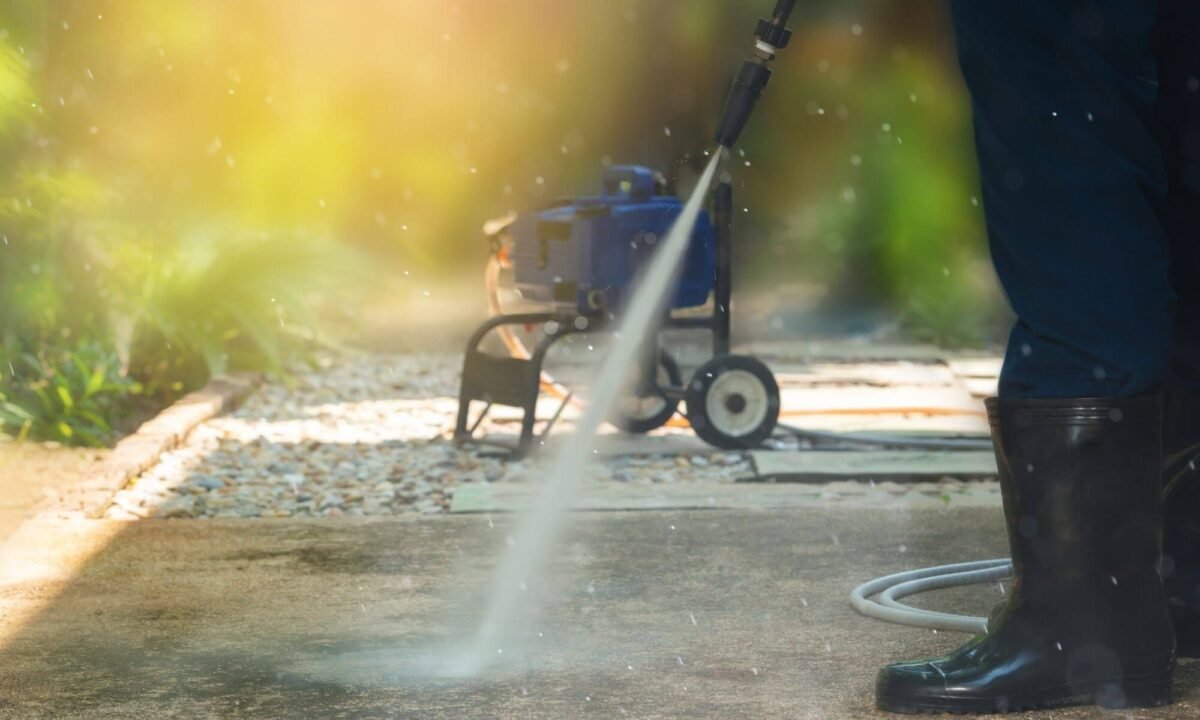
One important insight beginners often miss is that distance matters as much as pressure. If you stand too close, even a safe nozzle can act too aggressively. Start farther away, then move in slowly. Let the water do the work instead of pushing the wand right against the surface.
Credit: majesticwindowsexteriorcleaning.com
Use detergent the right way
If your machine supports detergent, use a cleaner made for pressure washers. Do not pour random soap into the tank unless the manual says it is safe. Some products can damage the pump or leave slippery residue behind. Follow the label and rinse well after use.
Also, never mix different chemicals unless the product instructions clearly allow it. Mixed cleaners can release harmful fumes or reduce cleaning power. For safer results, use one product at a time and rinse the machine if needed before switching.
Hold and use the wand with control
The spray gun can push back harder than many people expect. A strong burst may make you lose balance, especially on wet ground. Keep both feet steady and hold the wand with two hands when possible. This gives you more control and reduces strain on your arms.
Good body position matters
- Stand with your feet apart for balance.
- Keep the wand pointed away from people and pets.
- Never spray near your feet or legs.
- Keep the nozzle moving instead of holding it in one spot.
- Use smooth, overlapping passes for even cleaning.
Do not use the pressure washer while standing on a ladder unless the manufacturer specifically says it is safe and the setup is stable. A sudden kickback can throw you off balance. If you need to reach high areas, use extension tools made for the job or consider another method.
Never point the spray at people or yourself
This may sound obvious, but accidents happen during setup, breaks, and nozzle changes. The trigger should always stay under control. Even when the machine is off, the line may still hold pressure. Release pressure before changing attachments or moving to another task.
Stay safe with electricity, fuel, and water
Pressure washers often use electricity or fuel, and both need careful handling. Water and electricity are a dangerous mix, so electric models need extra attention near wet surfaces. Gas models bring fuel and exhaust risks, so they need good ventilation and safe storage.
Electric pressure washer safety
- Use a grounded outlet with GFCI protection.
- Keep plugs and connections dry.
- Do not use damaged cords or extension leads.
- Keep the machine away from standing water.
- Do not pull the plug with wet hands.
Gas pressure washer safety
- Refuel only when the machine is cool.
- Never add fuel indoors or near flames.
- Store fuel in approved containers.
- Use the machine outdoors only.
- Check for exhaust exposure and keep air moving.
Another useful detail: never operate a gas pressure washer in a closed garage, even with the door partly open. Carbon monoxide can build up fast and become deadly. If the job must happen near an enclosed space, move the machine outside and keep the exhaust fully away from doors and windows.
Work from safe distance and move in slowly
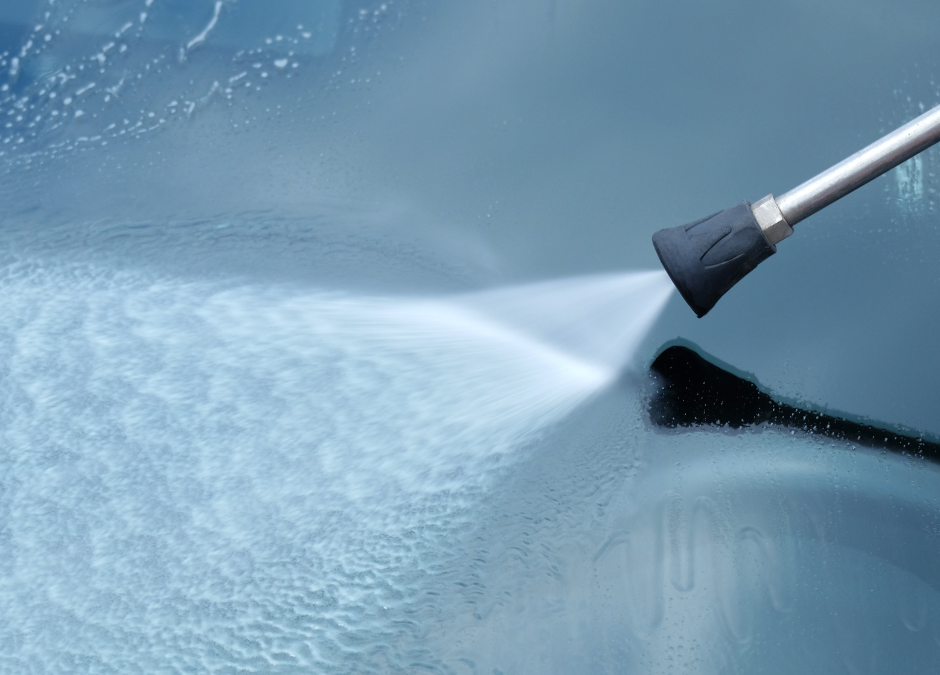
Safe cleaning is usually a step-by-step process. Start with the gentlest setting that can remove the dirt. Hold the wand farther away at first. Then move closer only if the surface stays safe and the dirt remains. This approach lowers the chance of damage and lets you judge how the surface responds.
Different materials react differently. A concrete driveway can often handle more force than soft wood or painted siding. Still, even hard surfaces can chip if they are old or already cracked. That is why a careful test area is so valuable.
Keep your movement steady. Do not stop the spray on one spot for too long. That can leave visible lines or etching. If a spot is not cleaning, increase cleaning time, change the nozzle, or use the right detergent instead of forcing more pressure.
Credit: buckeyemobilepowerwash.com
Use extra care around common danger zones
Some areas need more caution because they can be damaged easily or create extra safety risks. Knowing these danger zones helps you clean more effectively and avoid costly mistakes.
Windows and glass
Glass can crack if hit at the wrong angle or with too much force. Keep a safe distance and use a wide spray. Never spray directly into old window seals or frames that may already be weak.
Electrical fixtures
Stay far away from outlets, light fixtures, power boxes, and wiring. Even if something seems sealed, repeated water spray can force moisture inside. When in doubt, cover the item and clean around it carefully.
Painted and stained wood
Wood is easy to scar. Spray along the grain and use low pressure. If you spray across the grain or get too close, you can leave permanent marks. This is one of the most common beginner mistakes.
Tires and vehicles
Vehicle tires and body panels can be cleaned safely, but avoid spraying too close to badges, trim, mirrors, and rubber seals. High pressure can force water into small gaps and may loosen aging parts.
Handle chemicals with care
If you use detergent, cleaner, or mold remover, treat it with respect. These products can help with tough stains, but they can also irritate skin, eyes, and lungs. Read the label before use and keep the area well ventilated.
Wear gloves and avoid breathing mist for too long. If the product says to let it sit for a few minutes, follow that instruction. More time is not always better. Some surfaces can stain if cleaner dries on them for too long.
Rinse thoroughly after use. Leftover soap can make floors slippery and can also attract more dirt later. A good rinse is part of safe and effective cleaning, not just a final touch.
Follow a safe shut-down routine
Shutting down the washer the right way matters just as much as starting it safely. Pressure can remain trapped in the hose and gun after the motor stops. If you disconnect parts too soon, the sudden release may surprise you or spray water where it is not wanted.
Safe shut-down steps
- Turn off the machine.
- Release the trigger to remove pressure.
- Disconnect water and power or fuel sources as instructed.
- Drain remaining water if the manual recommends it.
- Store the unit in a dry place.
After the job, inspect the hose and nozzles again. Small damage is easier to spot when everything is wet and freshly used. Fixing a worn part early can prevent a failure the next time you clean.
Common mistakes that cause accidents
Even careful users make mistakes when they rush. Most pressure washer problems come from a few repeated habits. Avoiding these mistakes will improve both safety and cleaning results.
- Using too much pressure right away
- Standing too close to the surface
- Ignoring the nozzle type
- Spraying while balancing on a ladder
- Using damaged cords or hoses
- Cleaning near people, pets, or windows
- Skipping eye protection
- Forgetting to test a hidden spot first
One less obvious mistake is cleaning in a rush because the machine feels powerful. The stronger the tool, the more discipline you need. Take your time and work in sections. That simple habit often gives better results than trying to blast everything clean in one pass.
Why safe cleaning often gives better results
Safe use is not just about avoiding injury. It also improves the final look of the surface. When you use the right distance, nozzle, and cleaning method, dirt lifts more evenly. You also avoid swirl marks, gouges, and chipped paint that make the job look worse instead of better.
Careful cleaning also saves money. It reduces the chance of replacing damaged siding, cracked concrete, or ruined wood. In many cases, the best pressure washer safety tips are also the best money-saving tips. A few extra minutes of setup can prevent hours of repair later.
For official general guidance on pressure washer care and safety, you can also review the manufacturer support and safety information from Consumer Reports.
Credit: meninkilts.com
Final safety habits worth remembering
If you only remember a few things, remember these: start low, test first, wear protection, and keep control of the wand. Those simple habits prevent most problems. They also help you clean more confidently, because you are working with the machine instead of fighting it.
Think of a pressure washer as a precise tool, not a force weapon. Used wisely, it saves time and restores surfaces well. Used carelessly, it can damage property and cause injury fast. The best results come from patience, the right settings, and steady control.
Safe cleaning is not complicated. It just needs attention. With the right approach, you can get strong cleaning results while protecting yourself, your home, and everyone around you.
FAQs
1. What are the most important pressure washer safety tips for beginners?
Start with a wide spray, wear eye protection and closed-toe shoes, test a hidden area first, and keep the nozzle moving. Also keep people, pets, and electrical parts away from the spray zone.
2. Can a pressure washer really injure skin?
Yes. The spray can cut skin and push dirt deep into the wound. Even a small injury may need medical care because it can become serious very quickly.
3. Is it safe to use a pressure washer on a ladder?
It is usually not a good idea. The spray can knock you off balance. Use safer tools for high areas or choose extension equipment made for the machine if the manual allows it.
4. What nozzle should I use for safe cleaning?
Begin with the widest safe fan spray. Narrow nozzles are stronger and can damage many surfaces. Only move to a stronger setting if the surface can handle it and the manual allows it.
5. How can I make pressure washing safer around my house?
Clear the area, protect windows and outlets, keep children and pets away, check the machine before use, and work slowly. Safe setup is one of the easiest ways to prevent accidents and damage.
