
A screwdriver looks simple. Most people see only a handle and a metal shaft. But if you use tools often, you know the small details matter. The parts of a screwdriver affect grip, comfort, strength, safety, and how well the tool fits a screw.
That is why learning the names and functions of each part helps more than many beginners expect. It can save time, reduce damage to screws, and even make hard jobs easier. A good screwdriver is not just one solid piece. It is a set of parts working together for control and torque.
In this guide, you will learn the main screwdriver parts, what each one does, and how different screwdriver types change those parts for different jobs. For a broader tool overview, see our guide to different types of screwdrivers. You will also see practical buying tips, common mistakes, and a few details that many new users miss.
Main parts that make a screwdriver work
Most screwdrivers share the same basic structure. The design may look different across brands, but the core parts of a screwdriver stay the same. Each part has a clear role in how the tool feels and performs.
1. Handle
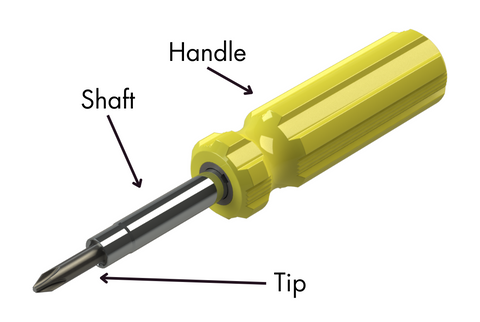
The handle is the part you hold. It gives you control and helps you turn the screw with less effort. A good handle should feel firm but not too hard. It should also fit your hand well.
Handles are often made from plastic, rubber, wood, or a mix of materials. Rubber helps with grip. Hard plastic is common and durable. Some professional screwdrivers use soft grip zones to reduce hand pain during long work.
What to look for in a handle
- Grip: It should not slip when your hands are oily or sweaty.
- Shape: A round or oval handle can improve turning power.
- Size: Larger handles give more torque, while smaller ones help with fine work.
- Comfort: Smooth edges matter if you use the tool for a long time.
One small detail many beginners miss: a handle that feels soft is not always better. Very soft grips can wear out faster or collect dirt. The best handle balances comfort with durability.
2. Shank or shaft
The shaft is the long metal part that connects the handle to the tip. It transfers your turning force from the handle to the screw. In simple words, the shaft is the body of the screwdriver.
Most shafts are made of steel. Higher-quality models may use hardened steel for better strength and longer life. The shaft may be fully exposed or partly covered with insulation on electrical screwdrivers.
Shaft length matters. A short shaft helps in tight spaces. A long shaft reaches deep screws. But a longer shaft can flex more, so it may feel less stable in some jobs.
3. Blade or tip
The tip is the working end of the screwdriver. It is the part that goes into the screw head. The shape of the tip must match the screw type. If the fit is wrong, the tool can slip and damage the screw.
Common tip shapes include flathead, Phillips, Torx, square, and hex. Each one is made for a different screw design. Some tips are magnetic to help hold screws in place.
This is one of the most important parts of a screwdriver because the tip does the actual job of turning the fastener.
Why tip quality matters
- A worn tip can strip the screw head.
- A poor fit can make your hand slip.
- A hardened tip lasts longer and keeps its shape.
- A magnetic tip can help in small or awkward spaces.
4. Ferrule
The ferrule is the metal ring between the handle and the shaft. Not every screwdriver has a visible ferrule, but many do. It helps hold the handle and shaft together more firmly.
On some tools, the ferrule also strengthens the area where the handle meets the shaft. This is useful because this joint takes a lot of stress. A strong ferrule can improve tool life and reduce wobble.
5. Neck
The neck is the narrow section just below the handle and above the shaft in some screwdriver designs. It is not always a separate part, but it is still useful to name it because it affects balance and control.
A well-designed neck gives your fingers a comfortable place to rest. It can also help you guide the screwdriver more accurately when working on small screws.
6. Butt end or striking cap
Some screwdrivers have a striking cap at the end of the handle. This is common in heavy-duty or impact-style screwdrivers. It allows light hammering without damaging the handle.
Regular screwdrivers usually do not need this part. But if you work with stuck screws or tasks that need tapping, the striking cap can be useful. It adds strength and versatility.
How the parts work together
Each piece of the screwdriver has a job, but the real value comes from how they work together. The handle gives you power. The shaft transfers that power. The tip connects that power to the screw.
If one part is poor, the whole tool feels worse. For example, a strong tip with a slippery handle is hard to use. A comfortable handle with a weak shaft can bend under pressure. Good design means balance.
Think of it like a chain. If the grip, shaft, and tip all work well together, you turn screws with less effort and better control. That is why understanding the parts of a screwdriver is more useful than simply knowing its name.
Credit: metmo.co.uk
Common screwdriver types and how their parts differ
Not all screwdrivers are built the same. The basic parts stay similar, but the tip, shaft, and handle shape often change depending on the task.
| Type | Tip shape | Best use | Main difference |
|---|---|---|---|
| Flathead | Flat blade | Simple slotted screws | Wide blade for straight slots |
| Phillips | Cross-shaped | General-purpose screws | Self-centering tip |
| Torx | Star-shaped | Electronics, cars, appliances | Better torque and less slipping |
| Hex | Six-sided | Furniture, machinery | Fits hex socket screws |
| Precision | Small flat, Phillips, or specialty | Phones, watches, small devices | Very small shaft and handle |
Flathead screwdriver
The flathead screwdriver has a single flat tip. It is one of the oldest and simplest designs. It works with slotted screws.
The handle and shaft may look plain, but the tip must be the right width. A blade that is too narrow can slip. A blade that is too wide will not fit the slot properly.
Phillips screwdriver
The Phillips screwdriver has a cross-shaped tip. It was made to center itself in the screw head more easily than a flathead. This makes it useful for common household work.
The tip has a slightly tapered shape. That taper helps it seat into the screw, but it also means the fit must be correct. Using the wrong size often leads to cam-out, which is when the screwdriver slips out of the screw head.
Torx screwdriver
Torx screwdrivers use a star-shaped tip. They are popular because they grip well and allow more torque without slipping. Many modern devices use Torx screws.
In this type, the tip shape is the key difference. The handle and shaft may still look normal, but the better grip from the tip makes the tool feel stronger and more precise.
Precision screwdriver
Precision screwdrivers are small tools made for tiny screws. You will see them in glasses, electronics, laptops, and watches.
These tools usually have a smaller handle and a thinner shaft. The tip is also tiny and very accurate. A magnetic tip is especially helpful here because the screws are easy to lose.
Material choices that change performance
The parts of a screwdriver are not just about shape. The material matters too. Two screwdrivers can look similar but perform very differently because of the materials used in the handle, shaft, and tip.
Handle materials
Plastic handles are common and affordable. Rubber-coated handles improve grip. Wooden handles are less common today, but some users still prefer them because they feel natural.
A smart buyer looks for both comfort and strength. A handle should not crack easily, and it should not become slippery after repeated use.
Shaft materials
Most shafts use steel. Better models use chrome vanadium steel or similar hardened alloys. These materials resist bending and wear.
If you use tools often, a cheap soft shaft can become bent or rounded. That makes the tool less accurate and harder to use.
Tip materials
The tip often needs to be harder than the rest of the tool. If the tip wears out quickly, the screwdriver stops fitting screws well. Hardened tips last longer and protect screw heads better.
One overlooked point: a highly polished shaft may look premium, but the tip is what matters most. The finish is less important than the quality of the working edge.
Special screwdriver parts you may see in professional tools
Some screwdrivers include extra features for safety or performance. These are not always present in basic home tools, but they are useful in certain jobs.
Credit: wonkeedonkeetools.co.uk
Insulated coating
Insulated screwdrivers are designed for electrical work. They have a coating that helps protect against electric shock. This is very important when working near live wires.
If you want to learn more about electrical tool safety, the OSHA electrical safety guidance is a helpful authority source.
Magnetic tip
A magnetic tip helps hold screws in place. This is useful in tight corners, overhead work, and tiny fasteners. It does not change the shape of the screwdriver, but it improves control.
Beginners often think magnetic tips are just a convenience. In reality, they can prevent dropped screws and save a lot of time.
Interchangeable bit holder
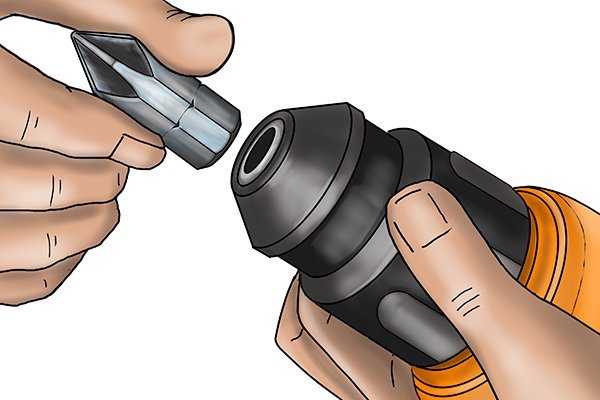
Some screwdrivers use replaceable bits instead of one fixed tip. The handle holds a bit holder or socket, and you can swap in different bit shapes.
This design is flexible and space-saving. It is especially useful for people who need many screw types without carrying a full tool set. If you are comparing manual driving with powered fastening, our screw gun vs drill guide explains the difference.
Ratchet mechanism
Ratchet screwdrivers allow turning in one direction while staying still in the other. This helps speed up repetitive work. The handle usually contains the ratchet, while the shaft and bits do the actual turning.
This is a good example of how a screwdriver can include mechanical parts beyond the basic handle, shaft, and tip.
How to choose the right screwdriver based on its parts
When buying a screwdriver, do not look only at the brand or the price. Look at the parts and ask how each one supports the job you need to do.
- Match the tip to the screw type. A perfect fit matters more than extra force.
- Choose the right shaft length. Short for tight areas, long for deep screws.
- Check the handle grip. It should feel secure in your hand.
- Look at the shaft strength. A stiff shaft gives better control.
- Pick a tip finish that lasts. Hardened tips often perform better over time.
Another detail many people ignore is balance. A tool can have a good tip and a comfortable handle, but still feel awkward if the weight is poorly distributed. If possible, hold the screwdriver before buying it.
Common mistakes people make with screwdriver parts
Most screwdriver problems come from small mistakes. These are easy to avoid once you know what to watch for.

Credit: gettyimages.com
Using the wrong tip size
This is the most common mistake. A wrong-size tip damages both the screw and the screwdriver. It also makes the tool slip more often, especially with head styles like the pan head screw.
Applying too much force
Some users push hard when the tip does not fit well. This does not solve the problem. It usually makes the screw head worse.
Ignoring handle comfort
A handle may look fine in a store but feel painful after ten minutes of work. Comfort matters more than many beginners think, especially for repeated tasks.
Buying by appearance only
Shiny tools are not always strong tools. The handle, shaft, and tip quality matter more than the finish.
Using the wrong screwdriver for electrical work
For electrical jobs, the right insulation is not optional. A regular screwdriver is not a safe substitute.
Why the parts of a screwdriver matter in daily work
You may not think much about screwdriver design until a screw strips, your hand hurts, or the tool slips in a tight spot. Then every part becomes important.
The parts of a screwdriver affect how much power you can apply, how accurately you can work, and how long the tool lasts. That is true whether you are fixing furniture, opening a device, or doing electrical repair.
Understanding the handle, shaft, tip, ferrule, and special features helps you choose better tools and work with more confidence. It also helps you avoid damage that can turn a simple repair into a bigger problem.
FAQs
What are the main parts of a screwdriver?
The main parts of a screwdriver are the handle, shaft or shank, tip or blade, and sometimes a ferrule or striking cap. These parts work together to give grip, control, and torque.
What is the tip of a screwdriver called?
The tip is often called the blade or bit end, depending on the type of screwdriver. It is the part that fits into the screw head and transfers turning force.
Why is the handle of a screwdriver important?
The handle is important because it affects grip, comfort, and turning power. A good handle helps you work longer with less hand strain and better control.
What is the difference between a shaft and a shank?
In many screwdrivers, shaft and shank are used to mean the long metal part between the handle and the tip. Some people use one word more often than the other, but both refer to the same basic section.
Do all screwdrivers have the same parts?
Most screwdrivers share the same basic parts, but some have extra features like magnetic tips, insulated coatings, ratchet systems, or interchangeable bits. These changes depend on the job the tool is made for.
