
When you compare nails vs screws, the answer is not “one is better.” The right choice depends on the job, the material, and the kind of force the joint must handle over time. A fastener that works well for a fence may be a poor choice for a cabinet, and the one that feels strongest at first is not always the one that lasts longest.
Many beginners choose based on habit. They grab nails for speed or screws for strength, but the real difference is more useful than that simple rule. Nails and screws behave in very different ways under pressure. One can bend and move a little. The other can hold tight and resist pulling out. That difference changes everything from framing walls to hanging shelves.
This guide explains the key differences in simple terms, shows the best uses for each fastener, and helps you choose with confidence. By the end, you will know when to use nails, when to use screws, and when a mix of both gives the best result.
What makes nails and screws different
The biggest difference is in the shape and how each fastener grips wood or another material. A nail is smooth or lightly textured. It is driven in with force. A screw has threads that cut into the material as it turns. Those threads give the screw a stronger hold against pulling out.
That sounds simple, but it leads to very different performance. Nails are usually better when a joint needs a little flexibility. Screws are usually better when a joint needs more clamping force and easier removal later.
How nails work
Nails hold by friction and the compression of the material around them. When you drive a nail into wood, the wood fibers grip the shank. The hold is fast, and the work goes quickly. Nails also handle small movement better, which is why they are common in framing and outdoor structures that expand and contract.
Because they do not have threads, nails can absorb shock better than screws in some cases. This is one reason they are used in framing homes, building decks, and other jobs where parts may shift slightly over time.
How screws work
Screws hold by threading into the material. The spiral shape creates strong resistance to pull-out. When tightened, a screw also pulls two surfaces together tightly. That clamping action is a major advantage in furniture, cabinets, and many repair jobs.
However, screws can be more likely to snap under sudden shock or snap from over-tightening. They are also slower to install, especially in large projects. For the nails vs screws decision, this trade-off matters a lot.
Strength is not the same as holding power
Beginners often think screws are always stronger because they are harder to remove. That is not always true. In many building jobs, nails are actually better at resisting certain sideways forces. Screws are often better at resisting pull-out forces. The best fastener depends on what kind of stress the joint will face.
For example, a wall frame may move a little from vibration, wind, and seasonal changes. Nails can handle that movement well. A shelf bracket or cabinet hinge usually needs a tighter, more precise hold, which is where screws shine.
When nails are the better choice
Nails are the right choice when speed, flexibility, and shock resistance matter more than tight clamping. They are also useful when you need to fasten many pieces quickly without spending extra time driving each fastener carefully.
Best uses for nails
- Framing walls in houses and sheds
- Roof sheathing and structural wood panels
- Deck framing in many situations
- Trim work where a nail gun is used
- Temporary fastening during construction
Construction crews often prefer nails for large framing jobs because they are faster to install and less likely to split the wood in the same way a screw can. With the right nail size and type, the joint can remain strong while still allowing the structure to move slightly.
Why nails handle movement well
Wood changes shape with moisture and temperature. In places with weather changes, boards expand and shrink. A nail can bend slightly and still keep holding. That small amount of flexibility is useful in roofs, siding, and framing.
This is one of the non-obvious points many beginners miss. A fastener is not always better because it is rigid. In some projects, a little movement is good because it reduces stress inside the joint.
When nails are not the best option
Nails are weaker when the force tries to pull them straight out. They are also less ideal for items that may need regular removal and reinstallation. If you are building furniture, fixing hinges, or attaching hardware, nails are often not the best fit.
Another common mistake is using nails in thin material where a strong clamp is needed. If two pieces must stay pressed tightly together, screws usually do that better.
When screws are the better choice
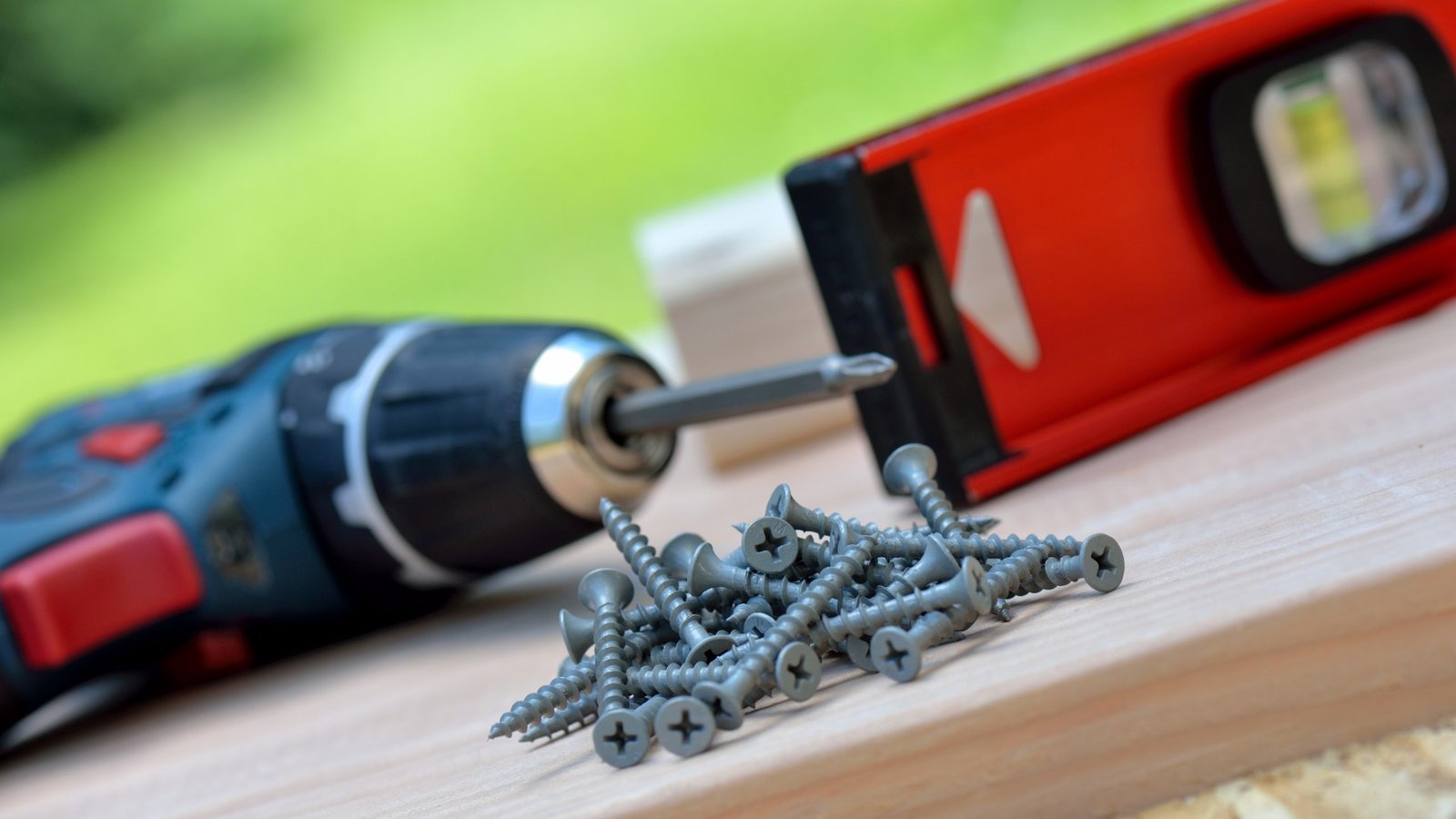
Screws are the better choice when you want a tight hold, better precision, and easier removal later. They are often the first choice for home repairs, furniture assembly, cabinet work, and many interior projects.
Credit: tfasteners.com
Best uses for screws
- Cabinets and furniture assembly
- Door hinges and hardware
- Drywall anchors and light fixtures
- Wood repairs that may need disassembly later
- Projects that need clamping force
Screws are especially helpful when you are joining thinner materials or need the pieces to stay tightly aligned. The threads keep the fastener from loosening as easily as a smooth nail can.
Why screws hold so tightly
The thread pattern of a screw grips the material from multiple angles. That gives better resistance to pull-out. A screw also draws the two surfaces together as it tightens. This is useful when you want no gap between boards.
That extra grip is helpful, but there is a downside. If you overdrive a screw, you can strip the hole or damage the material. This is especially common in soft wood, particleboard, and drywall.
When screws are not the best option
Screws are slower to install and often less practical for large structural jobs. They can also split wood if the pilot hole is missing or the screw is too close to the edge. In jobs with heavy vibration or sudden impact, some screws may loosen over time if the wrong type is used.
Another beginner mistake is choosing a screw just because it “feels stronger.” If the project is structural framing, a nail may actually be the better engineering choice. Strength depends on the type of force, not just how hard the fastener is to remove.
Nails vs screws in real-world projects
The best way to understand nails vs screws is to look at common jobs. Different projects need different fastener behavior. Below is a simple comparison that shows how each one performs in typical situations.
| Project type | Better fastener | Why it works better |
|---|---|---|
| Wall framing | Nails | Fast to install and better with structural movement |
| Cabinets | Screws | Strong clamping and precise hold |
| Deck framing | Nails or structural screws | Depends on design, load, and local code |
| Trim and molding | Nails | Quick installation with small heads |
| Furniture assembly | Screws | Easier to tighten and remove later |
| Temporary work | Nails | Fast and simple to install |
| Hardware attachment | Screws | Better grip for hinges, brackets, and handles |
One useful detail is that some jobs are not about choosing one or the other. For example, carpenters often use both in the same project. Nails may hold the frame, while screws secure hardware or parts that may need future adjustment.
Outdoor projects
Outdoor work adds moisture, temperature change, and movement. That means the fastener choice matters even more. For decks, fences, and siding, use fasteners made for outdoor use. Galvanized or stainless options help resist rust. A regular interior fastener may fail too soon.
If you are unsure, check the project requirements. For structural outdoor work, local building codes may specify the fastener type and size. If you want a reliable general reference, the Family Handyman site offers useful home improvement guidance for beginners.
Wood type changes the answer
Soft wood, hardwood, plywood, and engineered boards do not behave the same way. Soft wood can split easily if a fastener is too large or too close to the edge. Hardboard and particleboard may not hold nails well. Screws usually perform better in engineered materials, but only if the screw is made for that material.
This is another detail beginners often miss. The material is just as important as the fastener. A strong screw in weak board can still fail.
Which one is stronger?
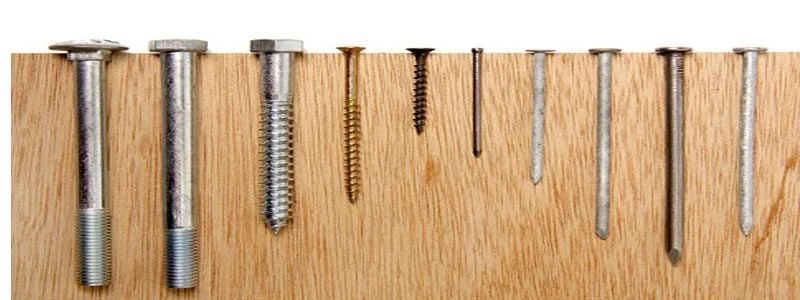
There is no simple winner. A screw usually has better pull-out resistance. A nail can be better in shear situations, where the force pushes sideways across the fastener. That is why framing often uses nails, while furniture and fixtures often use screws.
If the goal is to keep two boards tightly clamped together, screws usually win. If the goal is to build a structure that can handle movement and load without cracking the fastener, nails may be the smarter choice.
Credit: rmfp.com
Shear strength vs pull-out strength
Shear strength means resistance to sideways force. Pull-out strength means resistance to being pulled straight out. Nails often perform well in shear because they can flex a little. Screws usually perform better in pull-out because their threads bite into the material.
That distinction is one of the most important things to understand when comparing nails vs screws. Many people use the wrong fastener because they only think about “tightness” and not the direction of force.
Flexibility can be a strength
It may sound strange, but a fastener that bends a little can sometimes be more durable than one that is perfectly rigid. In a wooden structure, a bit of flexibility can protect the joint during impact or seasonal movement. Nails often benefit from this.
Screws offer more precise control, but that same rigidity can become a weakness in some structural situations. The best fastener is the one that matches the forces in the project.
Common mistakes people make
Choosing fasteners sounds simple until the job starts going wrong. Here are some mistakes that happen often, especially with beginners.
- Using screws everywhere because they seem stronger. This can slow the job and sometimes weaken the joint if the material splits.
- Using nails for everything because they are fast. That can cause loose joints in furniture or hardware work.
- Ignoring material thickness. Thin boards often need pilot holes or smaller fasteners.
- Forgetting about rust resistance. Indoor fasteners may fail outside.
- Overdriving screws. This strips holes and damages the material.
Another mistake is assuming a larger fastener is always better. Bigger is not always stronger. In some cases, a large nail or screw can split the wood or weaken the area around it.
How to choose the right fastener
If you want a simple decision process, start with the job itself. Ask what the fastener must do, what material you are using, and whether the joint should be easy to remove later.
Use nails if:
- You need speed
- The project is structural framing
- The joint may move a little
- You want good shear resistance
- You are doing large-volume installation
Use screws if:
- You need strong clamping force
- The project may need future removal
- You are attaching hardware, cabinets, or furniture parts
- The material must stay tightly aligned
- You want easier repair and adjustment later
In real life, the answer is often a mix. A project may use nails for the main structure and screws for the parts that need precision or service later. That approach often gives the best balance of speed and strength.
Special cases where neither is enough
Some jobs need more than standard nails or screws. Heavy-duty outdoor structures, metal-to-wood connections, and critical load-bearing joints may require special structural fasteners, lag screws, bolts, or connectors. In those cases, do not guess.
If a project carries serious weight or safety risk, follow building codes or the manufacturer’s instructions. A small fastener mistake can create a large problem later. That is especially true in decks, stairs, and home framing.
Credit: mfinelumber.com
Finish matters too
Fasteners are not only about strength. They also affect appearance. Small finish nails leave tiny holes that are easier to hide. Screws often leave more visible heads unless they are countersunk and covered.
If the project is decorative, the clean look may matter as much as the holding power. That is why trim carpenters often use nails, while furniture makers often hide screws with plugs or caps.
Simple final rule for beginners
If you remember only one thing, make it this: use nails for speed and flexibility, use screws for tight grip and easy removal. That simple rule solves many everyday projects.
Still, the best choice depends on the material and the stress on the joint. When the load pushes sideways or the structure needs to move a little, nails often make more sense. When the pieces must stay tightly together and may need future adjustment, screws are usually the better option.
So the nails vs screws choice is not about which one is universally stronger. It is about choosing the right fastener for the force, the material, and the job. That is the difference between a repair that just works for now and one that lasts.
FAQs
Are screws always stronger than nails?
No. Screws usually have better pull-out resistance, but nails can be better in shear strength and can handle movement well. The strongest choice depends on the type of force in the project.
Can I replace nails with screws in framing?
Sometimes, but not always. Framing often uses nails because they install faster and handle structural movement well. If you want to replace nails with screws, use structural screws made for that purpose and follow code rules.
Why do carpenters still use nails?
Carpenters use nails because they are fast, reliable, and often better for large structural jobs. Nails can also flex a little, which helps in buildings that expand, shrink, or shift over time.
When should I use screws instead of nails?
Use screws when you need a tight clamp, a cleaner adjustable hold, or easier removal later. They are common in cabinets, furniture, hinges, and many repair jobs.
Which fastener is best for outdoor projects?
It depends on the project. Outdoor work often needs galvanized or stainless fasteners to resist rust. For fences and some framing jobs, nails may work well. For hardware and detailed attachments, screws are often better.
