
A clogged toilet can turn a normal day into a stressful one very fast. The good news is that many toilet clogs can be fixed without calling a plumber. If the clog is deep in the bowl or near the toilet trap, a toilet auger is often the best tool for the job.
This guide shows how to use a toilet auger in a simple, safe, and practical way. You will learn what the tool does, how to prepare, how to clear the clog, and how to avoid common mistakes. The steps are easy to follow, even if you have never used a plumbing tool before.
A toilet auger is also called a closet auger. It is made for toilets only, so it works better and safer than a regular drain snake in this situation. When used the right way, it can save time, protect your plumbing, and help you avoid messy overflow problems.
What a toilet auger does and why it works
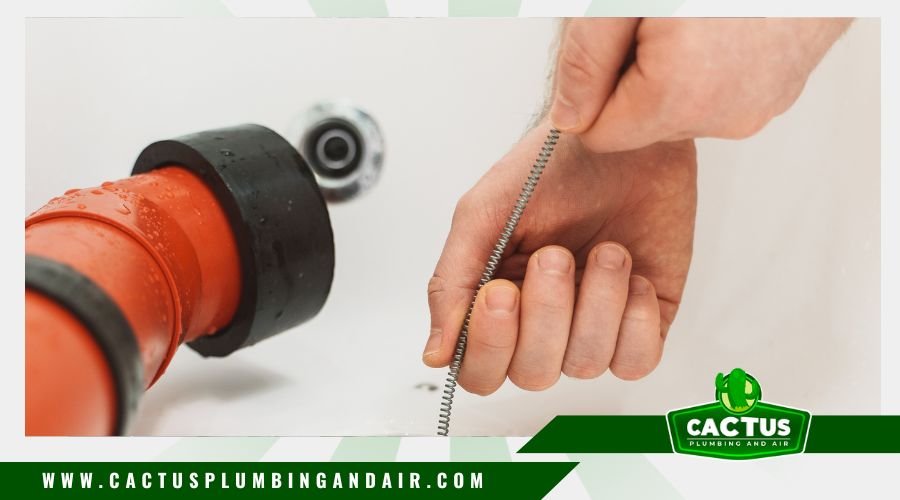
A toilet auger is a hand tool with a curved metal tube and a flexible cable inside. The curved shape fits the toilet bowl without scratching the porcelain too much. The cable can move through the trap and reach the clog, then break it up or pull it back.
Many toilet clogs happen because of too much toilet paper, wipes, small objects, or waste that does not move through the trap easily. A plunger can sometimes move the clog. But if the blockage sits deeper, a toilet auger gives you more reach and control.
One thing many beginners miss is that a toilet auger is not meant to “push harder and harder” until the clog disappears. The real goal is to let the cable do the work. Gentle turning and careful feeding usually work better than force.
When a toilet auger is the right tool
Use a toilet auger when:
- The toilet is clogged and a plunger did not work
- Water drains slowly after flushing
- You suspect the clog is stuck in the toilet trap
- You want a tool made for toilets, not for sinks or tubs
Do not use a toilet auger for every drainage problem. If several drains are backing up at the same time, the problem may be in the main line, not the toilet itself.
Why it is safer than many DIY fixes
A toilet auger reduces the chance of scraping the toilet bowl or damaging the glaze compared with some other tools. It also helps limit splashing because you are working inside the toilet trap area instead of pouring chemicals into the bowl.
Another useful point: chemical drain cleaners are a poor choice for toilets. They may not solve the clog, and they can create unsafe fumes or damage pipes and seals. A toilet auger is a better first-line solution for most toilet blockages.
What you need before you start
Before learning how to use a toilet auger, get your space ready. A little preparation makes the job cleaner and faster.
- A toilet auger
- Rubber gloves
- Old towels or paper towels
- A bucket, if needed
- Disinfectant or bathroom cleaner
It also helps to open a window or turn on a fan. If the toilet is close to overflowing, keep the water level in mind before you begin. You want enough room in the bowl to work safely.
If the bowl is already full, wait before flushing again. Repeated flushing can make the overflow worse. In many cases, the water will slowly drop on its own after a few minutes.
A quick safety note
Wear gloves. Toilet water can contain germs, and the auger itself can pick up debris. Keep children and pets away from the area while you work.
| Problem | Best first move | Why it matters |
|---|---|---|
| Water rising in the bowl | Stop flushing and wait for the level to drop | Prevents overflow |
| Plunger did not work | Use a toilet auger | Reaches deeper clogs |
| Several drains are slow | Check for a larger plumbing issue | May not be a toilet-only clog |
How to use a toilet auger step by step
Here is the core process. Go slowly and stay in control of the cable. The tool works well when you guide it, not when you rush it.
Credit: amazon.com
1. Place the auger correctly
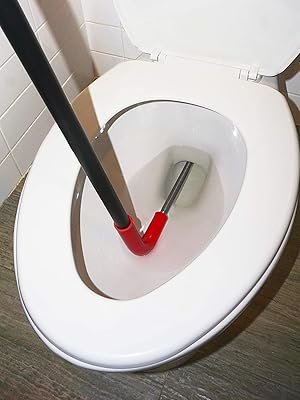
Stand the toilet auger in front of the toilet. Position the curved rubber or plastic end in the bowl opening. The bend in the auger should point into the toilet trap. This shape helps the cable move without scratching the porcelain.
Hold the handle firmly. Make sure the cable is retracted before you insert it.
2. Feed the cable into the bowl
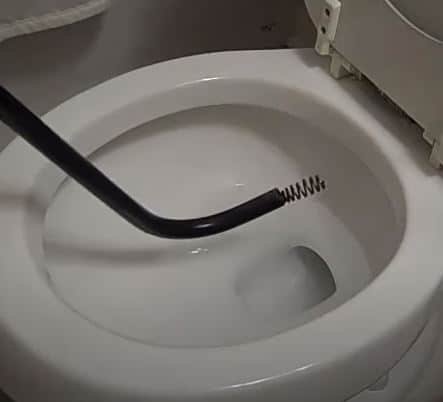
Turn the handle slowly while guiding the cable into the toilet opening. The cable should slide down into the trap with steady pressure. Do not force it if you feel strong resistance right away. The cable may just need a small angle adjustment.
One beginner mistake is pushing too fast. That can jam the tool or make it slip. Slow movement gives you better control and reduces mess.
3. Work the cable through the clog
When the cable meets resistance, continue turning the handle gently. This helps the cable bore into the clog, break it apart, or hook it. Keep the auger stable with one hand while you turn the crank with the other.
If the cable seems stuck, pull back slightly, then try again with a little more turning. Small back-and-forth motions often work better than hard pressure. This is one of the most useful tips for how to use a toilet auger well.
4. Break up or pull out the blockage
Once the cable moves through the clog, keep turning for a few more seconds. This may break the blockage into smaller pieces so water can pass through. In some cases, the cable may bring back part of the clog when you pull it out.
If you pull the cable back and see debris, clean it off carefully. Avoid touching the waste directly. Use toilet paper, a disposable cloth, or gloves to remove any material from the cable.
5. Retract the cable slowly
After the clog seems to clear, turn the handle in reverse to bring the cable back into the auger tube. Do this slowly so you do not splash water or scrape the bowl.
Lift the tool out carefully and set it aside on old towels or in a bucket if needed.
6. Test the toilet with one flush
Flush once to see if the toilet drains normally. Watch the water level closely. If the bowl empties properly, the clog is likely gone.
If the water rises again or drains slowly, the blockage may not be fully cleared. In that case, repeat the process once more. If it still does not work after two tries, the problem may be deeper in the line.
How to know if the clog is gone
A clear toilet usually flushes with a normal swirl, then drains without delay. The water level should return to its usual height. You should not hear gurgling for a long time after the flush.
Here are signs the auger worked:
- The water drains at a normal speed
- The bowl does not fill too high
- The flush sounds normal
- No water backs up after the flush
If the toilet still drains slowly, do not keep forcing the auger endlessly. A stubborn clog can mean there is a partial blockage farther down. Sometimes the real issue is in the sewer line, vent pipe, or another part of the plumbing system.
What to do after the clog clears
Clean the auger with soap and hot water. Then disinfect it according to the product instructions. Wipe the bathroom floor, the toilet base, and any surfaces that may have splashed.
Also watch the toilet for the next few flushes. A clog that seemed cleared can sometimes return if part of the blockage is still in place. If you want to check whether a larger issue exists, a trusted plumbing resource like the U.S. EPA WaterSense program offers helpful water and fixture information.
Common mistakes to avoid
Many people can clear a toilet clog, but small mistakes can make the job harder. Avoid these problems when using a toilet auger.
Credit: toilethaven.com
Using too much force
Forcing the cable can jam it, bend it, or scratch the toilet. The auger is designed for controlled movement. If the clog is tough, patience works better than strength.
Forgetting to protect the floor
Toilet work can get messy. Put towels around the base before you begin. This makes cleanup faster if water drips from the bowl or auger.
Using the wrong tool
A sink snake is not the same as a toilet auger. The toilet auger has a protective bend made for the bowl shape. Using the wrong tool can damage the porcelain or simply fail to reach the blockage.
Flushing too many times
If the toilet is clogged, repeated flushing can push water over the edge. Wait until you have either cleared the blockage or lowered the water level before trying again.
Stopping too soon
Sometimes the clog feels loose before it is fully cleared. That is why a test flush matters. If the first flush still drains slowly, give it one more careful attempt.
Tips that make the job easier
These small habits can make a big difference, especially if you are doing this for the first time.
- Work slowly and keep the cable steady
- Use short turns instead of wild cranking
- Keep your face away from the bowl
- Clean the auger right after use
- Do not mix this job with chemical drain cleaners
Here is a simple rule to remember: if the cable stops, do not panic. Pull back a little, change the angle, and try again. Most toilet clogs need careful movement, not brute force.
Another non-obvious tip is to listen while you work. A small change in sound can tell you the cable has entered the clog or moved past it. That sound often helps you know when to keep turning and when to back off.
When a toilet auger may not be enough
A toilet auger works well for many bowl clogs, but not all plumbing problems. If the clog returns quickly, or if other fixtures in the home are also slow, the problem may be farther down the system.
Call a plumber if:
- The auger does not reach the blockage
- The toilet still backs up after repeated attempts
- Multiple drains are slow at the same time
- You hear gurgling in other sinks or tubs
- There is a strong sewer smell or sewage backup
That extra caution can save you time and help prevent a bigger mess. A toilet auger is a strong tool, but it is not a cure for every plumbing issue.
How to clean and store the auger
Once the toilet is clear, clean the tool right away. Rinse it with hot water. Use soap if needed. Then disinfect the cable and tube according to the product instructions. Dry it fully before storing it.
Store the auger in a dry place. A garage or utility closet works well. Keep it away from household items that should stay clean. If you place the auger in a plastic bag or container, make sure it is completely dry first so moisture does not build up.
Good storage matters more than many people think. A dirty or rusty auger is harder to use next time, and it can spread bacteria if it is not cleaned well.
Simple prevention habits that reduce future clogs
Learning how to use a toilet auger is useful, but preventing clogs is even better. A few small habits can lower the chance of future trouble.
- Use less toilet paper when possible
- Do not flush wipes, even if the package says “flushable”
- Keep small items away from the toilet
- Teach children not to drop toys or paper into the bowl
- Flush in normal amounts, not huge piles of paper at once
If clogs happen often, the problem may be related to low-flow toilet design, old pipes, or a partial blockage deeper in the system. In that case, an auger may solve the symptom, but not the cause.
Using the right toilet paper amount and flushing in stages can help a lot. That simple habit is one of the easiest ways to prevent repeat clogs.
Final thoughts on clearing a toilet clog
A toilet auger is one of the most useful tools a homeowner can own. It is made for toilet clogs, it is safer than many quick fixes, and it can solve a problem in minutes when used properly. Once you know the steps, the process becomes much less intimidating.
The key is to stay calm, move slowly, and let the tool do its job. If you follow the method above, you can usually clear the clog without damage, mess, or stress. And if the blockage does not respond, you will know when it is time to call a professional.
Credit: cactusplumbingandair.com
FAQs
1. How to use a toilet auger without scratching the bowl?
Use the curved protective end correctly, feed the cable slowly, and do not force the tool. Keep the auger centered in the bowl and turn the handle gently. A toilet auger is designed to protect the porcelain better than other drain tools, but careful use still matters.
2. How long does it take to clear a clog with a toilet auger?
Many clogs clear in 5 to 15 minutes. Tougher blockages can take longer, especially if you need more than one attempt. If it still does not work after a few careful tries, the clog may be deeper than the toilet trap.
3. Can I use a toilet auger on any toilet?
Most standard toilets can be cleared with a toilet auger. The tool works best on clogs in the bowl or trap. Very old, fragile, or unusual toilet models may need extra care, so move slowly and avoid forcing the cable.
4. Should I use a plunger before a toilet auger?
Yes, many people try a plunger first because it is fast and simple. If plunging does not work after a few attempts, the toilet auger is the next smart step. It reaches deeper clogs that a plunger cannot move.
5. When should I call a plumber instead of using the auger again?
Call a plumber if the toilet keeps clogging, if multiple drains are slow, if you hear gurgling in other fixtures, or if the auger does not clear the blockage after careful tries. That usually means the problem is beyond the toilet itself.
