
Using a hacksaw looks simple, but clean cuts depend on more than just moving the blade back and forth. If you rush, use the wrong blade, or hold the work badly, the cut can become crooked, rough, or unsafe. The good news is that once you understand the basics, a hacksaw becomes a very reliable tool for cutting metal, plastic, and small pipes.
This guide explains how to use a hacksaw safely and effectively, step by step. You will learn how to choose the right blade, set up your workpiece, control the stroke, and avoid the mistakes that ruin accuracy. These are practical skills, so the goal is not just to cut something, but to cut it well.
If you are a beginner, focus on control before speed. That one habit makes a big difference. A steady hacksaw stroke, the correct blade tension, and proper support for the material will give you much cleaner results than force ever will.
Before you start cutting, it helps to understand the types of hacksaw frames and blades. If your project involves lumber or trim, also check whether a hacksaw can cut wood before choosing the blade.
What a hacksaw is best for
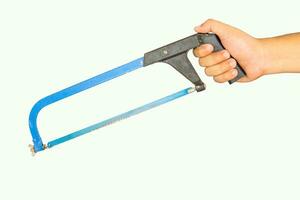
A hacksaw is a hand tool with a thin, replaceable blade held in a metal frame. It is mainly used for cutting metal, but it can also cut plastic, bolts, screws, pipe, conduit, and thin rods. It is not a power tool, so it gives you more control in small jobs where precision matters.
It is especially useful when you need to cut something in a tight space, make a slow and careful cut, or work without electricity. Many people also prefer it for small home repairs because it is quiet, inexpensive, and easy to carry.
One thing beginners often miss is that a hacksaw is not about strength. A sharp blade with the right teeth per inch does the cutting. Your job is to guide it correctly and keep the blade from twisting.
Choose the right blade before you start
The blade matters more than many people think. A wrong blade can make the job slow, rough, and tiring. The best blade depends on the material and thickness you want to cut.
Teeth per inch and what they mean
Hacksaw blades are often labeled by teeth per inch or TPI. Higher TPI means more teeth are touching the material at once, which usually gives a smoother cut on thin material. Lower TPI cuts faster on thicker or softer material, but the finish may be rougher.
| Blade type | Best for | Cutting result |
|---|---|---|
| 18 TPI | Thicker metal, pipe, solid bar | Faster cut, rougher finish |
| 24 TPI | General metal work, tubing | Good balance of speed and smoothness |
| 32 TPI | Thin metal, small tube, delicate work | Slower cut, cleaner finish |
If you are unsure, a 24 TPI blade is a safe general choice for many common jobs. For very thin material, use a finer blade. For heavy material, use a coarser blade.
Blade direction matters
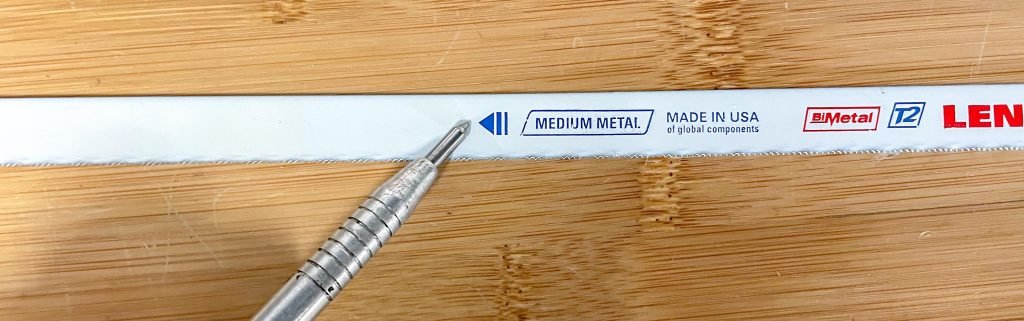
Most hacksaw blades cut on the forward stroke. Make sure the teeth point away from the handle and toward the direction of the push stroke. If the blade is installed backward, the saw will feel awkward and cut poorly.
Another useful detail: a tight blade is easier to control. A loose blade flexes and wanders, which is one of the main reasons cuts go off line.
Set up your work safely
Good cutting starts before the blade touches the material. If the workpiece moves, the cut becomes messy and unsafe. Support is important, but so is the way you position the material.
Clamp the material firmly
Use a vise or clamp whenever possible. The material should not bounce, shift, or rotate while you cut. If you are cutting pipe or thin stock, make sure the clamp holds it close to the cut line without crushing it.
Do not try to hold the material with one hand while cutting with the other unless the piece is very small and safe to control. Even then, extra care is needed. A slipping piece can break the blade or cut your hand.
Mark the cut line clearly
Use a marker, scribe, or pencil to draw the cut line. Then check it from more than one angle. A bold line helps you stay on track, especially when the cut takes several strokes to finish.
Here is a useful habit many beginners skip: mark the waste side of the line. That way you know exactly which side should be removed and you do not accidentally cut into the finished side of the part.
Support thin material near the cut
Thin metal or plastic can vibrate while you work. If possible, support it close to the cut line. This reduces chatter, which is the bouncing motion that makes the edge rough and hard to control.
How to use a hacksaw step by step
Once the material is ready, the actual cutting process is straightforward. The key is to start gently and let the blade establish the path before you increase pressure.
- Check the blade. Make sure it is tight, straight, and installed in the correct direction.
- Secure the workpiece. Clamp it so it cannot move while you cut.
- Align the blade with the mark. Place the blade just on the waste side of the line.
- Start with short, light strokes. Use only gentle pressure for the first few strokes to create a small groove.
- Lengthen the stroke. Once the groove is set, use smooth, full-length strokes through most of the blade.
- Apply steady forward pressure. Let the teeth do the work. Do not force the saw downward.
- Keep the motion straight. Guide the frame carefully so the blade does not twist.
- Slow down near the end. Reduce pressure as the cut finishes to avoid bending or tearing the last section.
A common mistake is pressing too hard at the start. That can make the blade jump and scratch the material in the wrong spot. Another mistake is using short, jerky strokes for the whole cut. A hacksaw usually works best with longer, smooth motion once the cut is established.

Credit: vecteezy.com
Use the full blade when possible
The full length of the blade is designed to be used. Long strokes spread wear across more teeth and help keep the cut straight. Short strokes can work in tight spots, but they often make the cut rougher and slower.
Let the return stroke do less work
Most hacksaw blades cut on the forward stroke only. On the back stroke, reduce pressure and let the blade return gently. Pushing hard both ways adds friction and wears out the blade faster.
One non-obvious tip: if the blade starts to squeal, you may be forcing it too much or the blade may be too fine for the material. Back off slightly and check the blade choice.
How to keep your cuts straight and precise
Precision comes from control, not speed. If you want a clean edge, your saw frame must stay aligned with the cut line from start to finish.
Watch the frame, not just the blade
Many people stare only at the blade tip. That makes it harder to notice when the saw begins to drift. Instead, watch the full frame and the line together. Small corrections are easier than large ones.
Use your body to guide the cut
Stand in a stable position with your shoulders relaxed. Keep both hands steady and move the saw in a straight path. If your stance is awkward, your cut will usually drift. A balanced position helps you control the saw without extra strain.
Start a small groove before going full speed
The first few strokes are important because they create a guide path. If the blade slips during this stage, the whole cut can go off line. A shallow groove keeps the blade on track for the rest of the cut.
Here is another detail beginners often miss: if you need a very accurate finish, cut just outside the line and then file the edge to final size. That is often better than trying to make the hacksaw do all the fine finishing work by itself.
Safety habits that really matter
When learning how to use a hacksaw, safety should never be an afterthought. Even though a hacksaw is a simple tool, the blade is sharp and the workpiece can shift unexpectedly.
- Wear safety glasses to protect your eyes from metal chips.
- Keep your free hand away from the cut line.
- Do not use a cracked or bent blade.
- Use gloves carefully. They can help with grip, but loose gloves can reduce control.
- Clear the area so the saw can move without hitting nearby objects.
- Stop if the blade binds or the workpiece moves.
If you are cutting hard metal, small chips can fly off the blade. That is why eye protection is so important. For more general guidance on hand tool safety, a useful reference is the National Institute for Occupational Safety and Health.
Common mistakes that ruin hacksaw cuts
Most bad cuts come from a few predictable errors. If you know them early, you can avoid them and save time.
Credit: onallcylinders.com
Using the wrong blade
If the blade is too coarse, it may grab thin material and leave a rough edge. If it is too fine, the cut may become slow and clogged. Match the blade to the job.
Forcing the saw
Too much pressure can bend the blade and make the cut wander. It can also cause extra heat and faster wear. A hacksaw cuts best with firm but controlled pressure.
Not securing the workpiece
If the material moves, the saw line moves with it. That creates a crooked cut and increases the chance of slipping. A secure clamp is one of the easiest ways to improve results.
Twisting the blade
Twisting happens when your stroke is not straight or when you try to turn the saw too sharply. This can bend or break the blade. Keep the motion smooth and aligned with the cut.
Cutting too fast near the finish
People often rush at the end because they want the cut to finish quickly. That is when the remaining material is weakest. Slow down and support the piece so the final break is clean.
Cutting different materials with a hacksaw
Different materials need slightly different handling. A hacksaw can cut more than metal, but the technique should match the job.
Metal rod and solid bar
Use a coarser blade if the material is thick. Keep the work clamped tightly and use full strokes. Solid metal needs steady pressure, but not heavy force.
Pipe and tubing
Pipe can flex or roll if not supported well. Clamp it close to the cut, and rotate the saw position only if needed. For very thin tubing, a finer blade gives a cleaner edge.
Bolts and screws
When trimming bolts or screws, try to keep the saw square to the fastener. Use short, controlled strokes until the blade has a groove, then continue evenly. A nut threaded onto the bolt before cutting can help protect the threads near the cut area.
Plastic
Plastic can crack or melt if you rush. Use gentle pressure and a blade that gives enough control. A fine-tooth blade often works better here because it reduces chipping.
Finish the cut properly
The cut is not done just because the piece separates. The finish is what makes the work look clean and fit correctly. A hacksaw often leaves a small burr or sharp edge that should be removed.
Remove burrs and sharp edges
Use a file, deburring tool, or sandpaper to smooth the cut edge. This makes the part safer to handle and helps it fit better if it needs to join another piece.
Check the result against the fit
If the cut is meant to fit into a bracket, joint, or connector, test it before finishing the whole job. A few extra strokes with a file can save a lot of trouble later.
One practical insight: in precision work, the best hacksaw cut is often slightly long, not slightly short. You can remove more material with a file, but you cannot put it back once it is gone.
Keep your hacksaw working well
A clean cut is easier when the tool is in good condition. A dull or damaged blade slows you down and increases errors.
Replace worn blades early
If the saw begins to cut slowly, skip, or require much more pressure, the blade may be worn out. A dull blade is less safe because it encourages force and poor control.
Store blades carefully
Keep spare blades dry and protected so they do not rust or bend. A damaged blade may not look serious at first, but it can fail during use.
Clean the frame after heavy use
Metal dust and debris can collect on the saw frame. Wipe it down so the blade stays seated properly and the adjustment mechanism keeps working smoothly.
Small habits that make a big difference
Some of the best hacksaw results come from tiny habits that beginners often overlook.
First, pause before the first stroke and check alignment again. A five-second check can prevent a crooked cut that takes much longer to fix.
Second, listen to the saw. A smooth sound usually means the blade is cutting well. Loud scraping or squealing often means something is wrong with pressure, alignment, or blade choice.
Third, do not treat every cut the same. Thin tubing, solid bar, and plastic each need slightly different speed and force. Adapting your technique gives better results than using one motion for everything.
Credit: vecteezy.com
Final thoughts
Learning how to use a hacksaw is mostly about control, patience, and good setup. When you choose the right blade, clamp the work securely, and use smooth strokes, the tool becomes very accurate. Clean cuts are not the result of force. They come from balance, alignment, and steady technique.
If you remember only a few things, remember these: start gently, keep the blade straight, let the teeth do the work, and finish with a file when needed. Those small habits will help you work safer and cut better every time.
FAQs
1. What is the best way to start cutting with a hacksaw?
Start with a few short, light strokes to make a shallow groove. Once the blade is on track, use longer and smoother strokes with steady pressure.
2. How tight should a hacksaw blade be?
The blade should be tight enough that it does not flex much during use. A loose blade wanders and makes straight cuts harder to control.
3. Can a hacksaw cut stainless steel?
Yes, but it is slower than cutting softer metal. Use a good quality fine-tooth blade, keep the work secure, and apply steady pressure without forcing the saw.
4. Why does my hacksaw blade keep slipping?
This usually happens when the first groove is not established, the blade is too dull, or the workpiece is moving. Check the setup, blade direction, and blade tension before cutting again.
5. How do I make a hacksaw cut smoother?
Use the correct blade for the material, keep the saw aligned, avoid too much pressure, and remove burrs with a file after the cut. A stable clamp also helps a lot.
