
If a pipe is slow or fully blocked, you want a fix that works fast and does not need a lot of tools. A drain bladder can be a strong answer when the clog is inside a water line or drain line that can handle pressure. Used the right way, it can blast water through the pipe and push out soft buildup, sludge, and some small blockages.
Many people search for how to use a drain bladder because it looks simple, but the tool works best when you understand a few important details first. If you use too much pressure, or connect it to the wrong drain, you can make the problem worse. If you use it well, though, it can save time and help you avoid calling a plumber for a basic clog.
In this guide, you will learn when a drain bladder is useful, how to set it up, how to use it safely, and what mistakes to avoid. You will also see when this tool is not the right choice, which is just as important if you want to protect your pipes.
What a drain bladder actually does
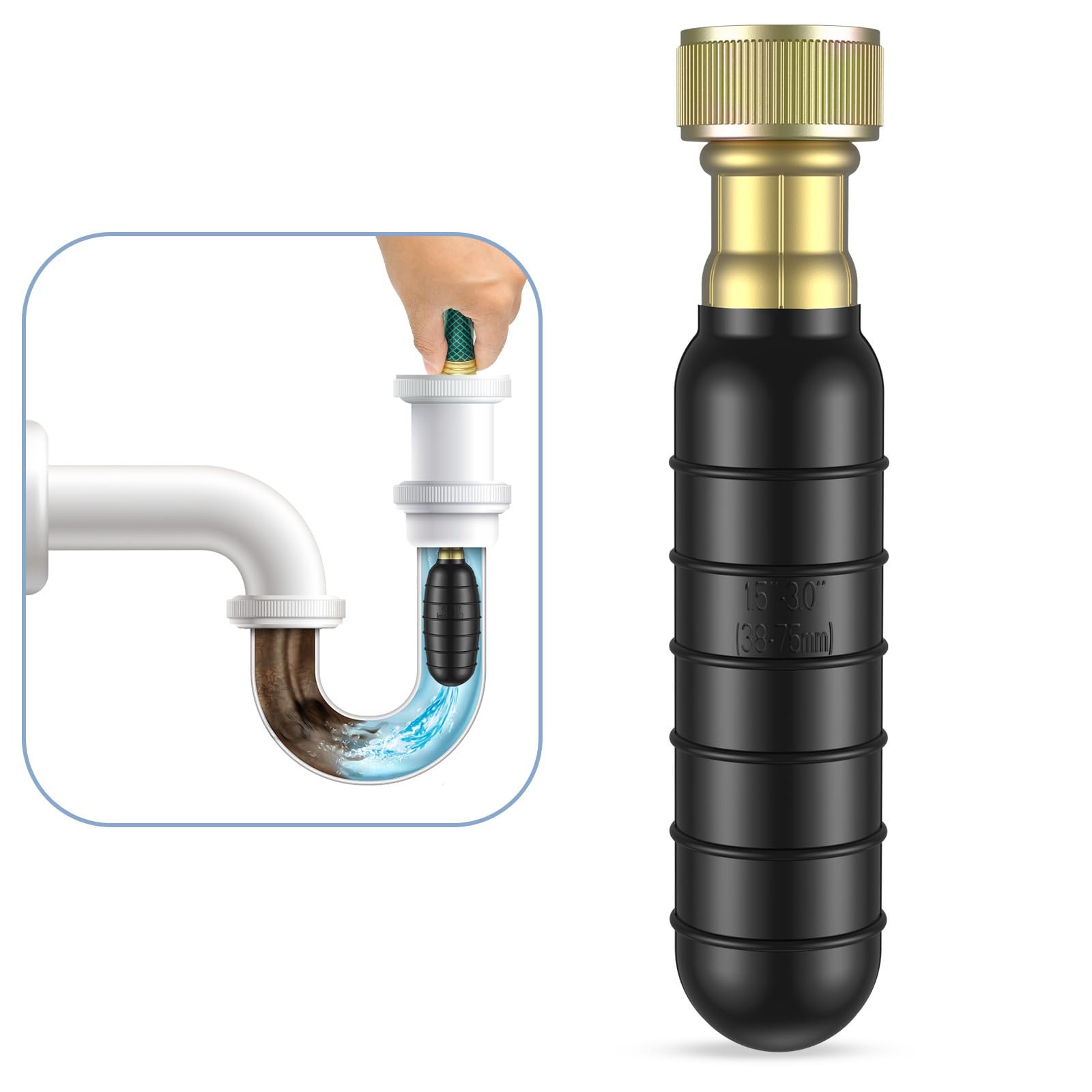
A drain bladder is a rubber or flexible balloon-like tool that attaches to a hose. When water flows into it, the bladder expands and seals inside the pipe. Then pressure builds and sends a strong burst of water through the line. That burst can break apart soap scum, grease, hair buildup, and other light debris.
Think of it as a focused water pump. It does not “cut” the clog. It pushes the clog until it moves or breaks apart. That is why it works best on soft clogs, not hard objects like toys, metal, tree roots, or broken pipe pieces.
The tool is most often used in outdoor cleanouts, toilets, floor drains, or other accessible drain lines. It is less useful in fragile pipes, old pipes, or lines that may already be cracked.
When a drain bladder is a good choice
A drain bladder can help when the drain is slow, backed up, or clogged with buildup that water pressure can move. It is often useful for:
- Kitchen drain lines with grease buildup
- Bathroom drains with soap and hair clogging
- Floor drains that back up after heavy use
- Outdoor sewer cleanouts with soft blockages
It works best when the pipe is clear enough to allow water pressure through. If the line is fully collapsed or blocked by a solid object, the bladder may do very little.
When you should not use one
Do not use a drain bladder if you suspect a damaged pipe, a frozen pipe, or a clog caused by roots or a hard object. High pressure can stress weak plumbing. If water is already leaking, the pipe may fail under pressure.
You should also avoid using a bladder on very old plumbing unless you know the pipe is in good condition. A weak joint or rusted section can burst under force.
What you need before you start
Before learning how to use a drain bladder, gather the right tools. Most jobs need very little equipment, but preparation matters. Missing one small step can cause a mess or reduce the bladder’s effect.
- A drain bladder that fits your hose size
- A garden hose with good water flow
- Access to the drain or cleanout
- Gloves and eye protection
- Old towels or a bucket for cleanup
If you are working near a sink, tub, or basement drain, make sure the area around it is dry enough to handle splashing. If possible, remove any standing water first so you can see what happens as the pressure builds.
You should also know where the water will go if the clog clears. This is one of the most missed steps by beginners. If you push a clog loose, dirty water may rush into a lower drain, basement floor drain, or outside sewer line.
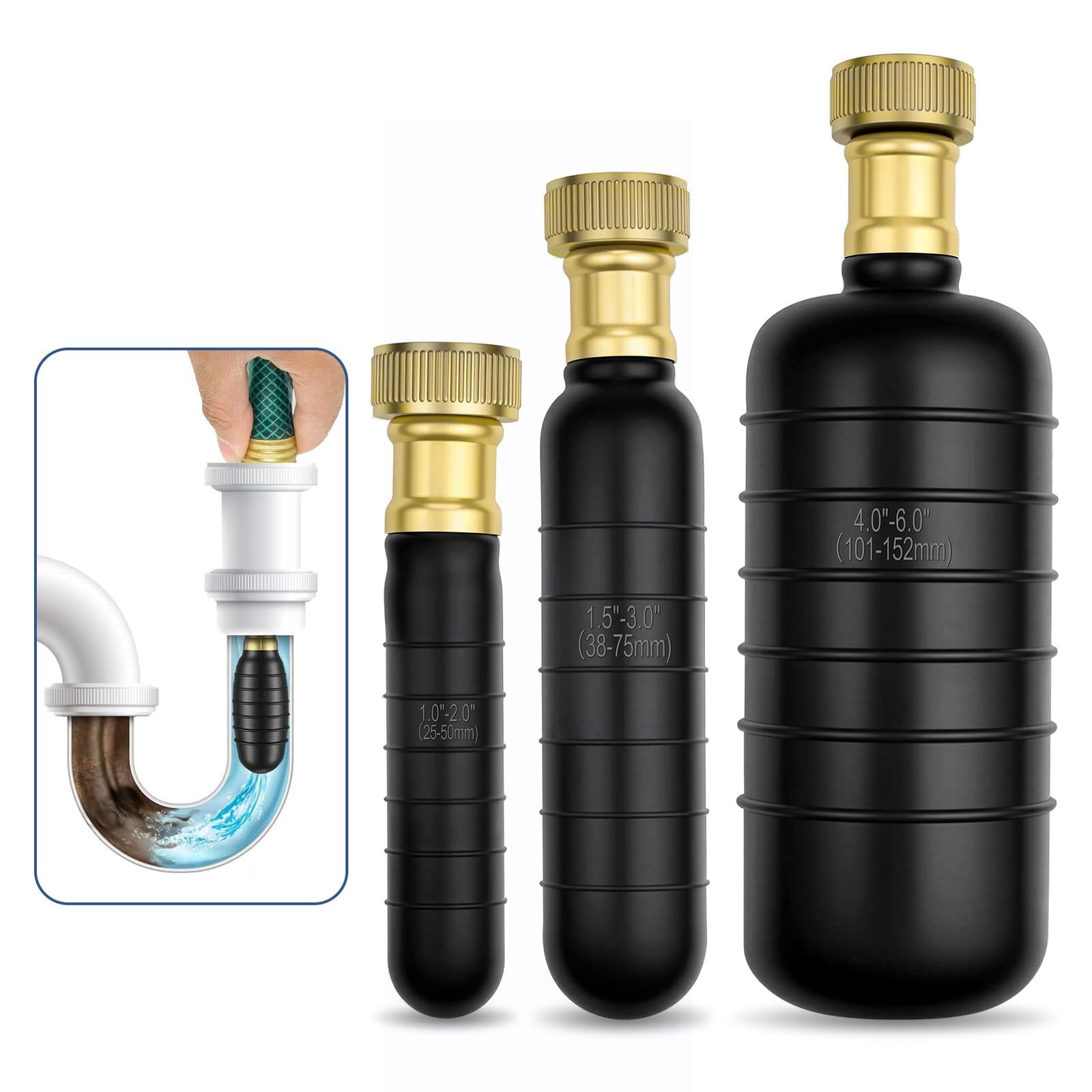
Choose the right drain bladder size
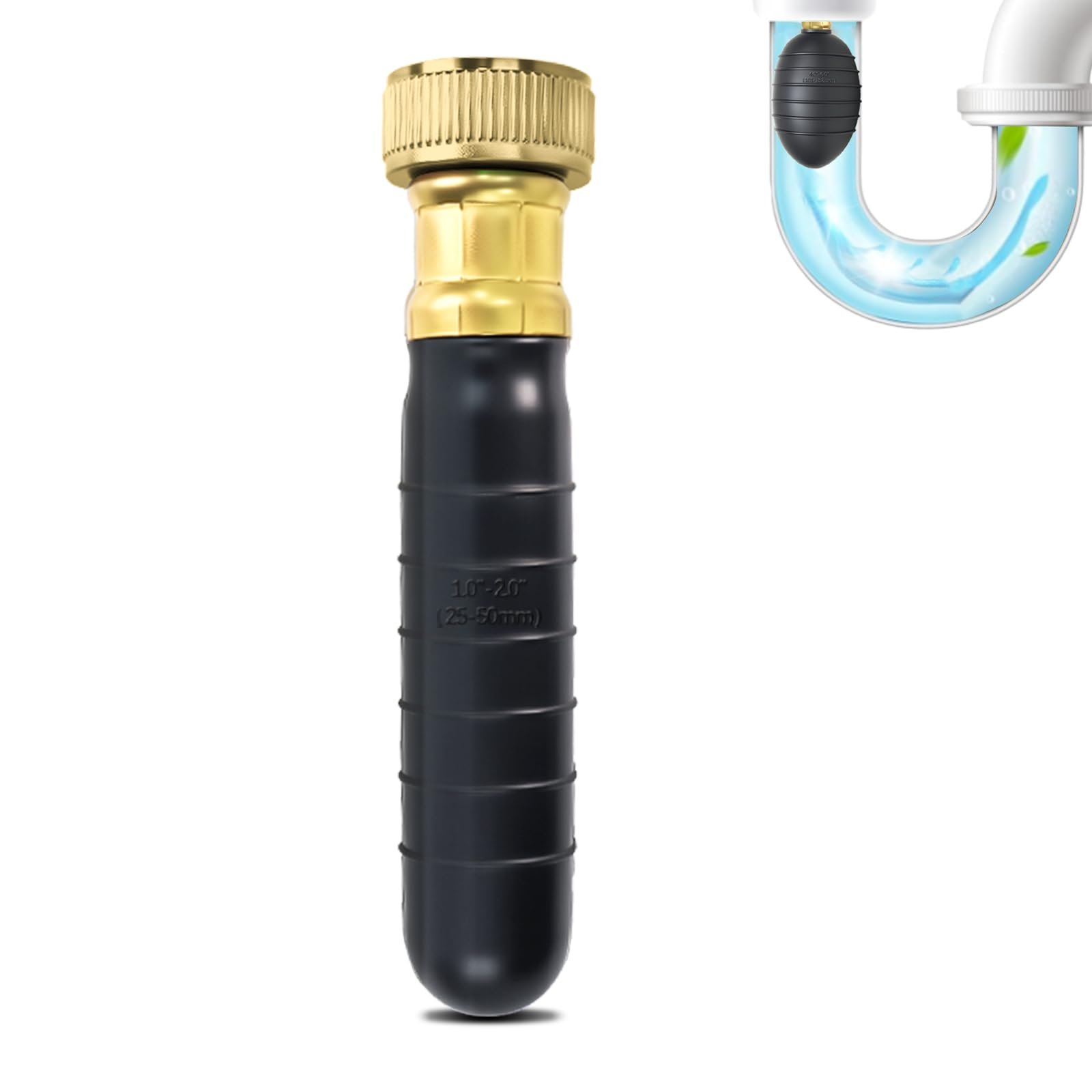
Drain bladders come in different sizes. Some fit small hoses and small lines. Others are made for larger sewer or cleanout pipes. If the bladder is too small, it may not seal well. If it is too large, it may not fit into the opening properly.
Check the product instructions before you start. A proper fit is important because the bladder needs to create a tight seal inside the pipe. A weak seal lowers pressure and makes the tool less effective.
How to use a drain bladder step by step
Now let’s get into the process. The basic method is simple, but each step matters. Follow them in order for the best chance of clearing the clog fast.
1. Locate the best access point
Find the nearest safe opening to the blocked pipe. For many homes, this may be an outdoor cleanout cap, a floor drain, or an exposed drain opening. The best access point is usually the one closest to the clog and strong enough to handle water pressure.
If you cannot find a cleanout, a drain bladder may not be the best tool for the job. Forcing it into the wrong spot can cause backflow or overflow.
2. Remove the cover or stopper
Open the drain access point and clear away loose dirt or debris around it. If the opening has a cover, cap, or stopper, remove it carefully. Make sure the pipe entrance is as clear as possible so the bladder can seat correctly.
This step often looks small, but it matters. Dirt around the opening can stop the bladder from sealing and may also scratch or damage the rubber surface.
3. Insert the bladder into the pipe
Push the drain bladder into the pipe opening far enough to form a secure seal. It should not sit loose at the edge. The goal is to place it where water pressure will go into the pipe instead of escaping backward.
Some bladders work with a short nozzle that goes inside the pipe. Others have a shape that expands and locks in place. Follow the design of your specific model.
4. Connect the hose tightly
Attach the garden hose to the bladder and make sure the connection is tight. A loose hose wastes pressure and can spray water where you do not want it.
It helps to inspect the hose for cracks or weak spots before turning on the water. A damaged hose can burst when pressure rises.
5. Turn on the water slowly at first
Start with low water pressure. This gives the bladder time to settle into place and lets you check for leaks. If everything looks stable, increase the flow gradually.
Do not turn the water on at full strength right away. Sudden pressure can force the bladder out of the pipe or damage weak plumbing.
6. Let the pressure build and hold
Once the bladder expands, it will begin forcing water through the line. Keep the water running long enough to let the pressure work. For some clogs, this may take only a few seconds. For heavier buildup, you may need a minute or more.
Watch the drain carefully. You may hear gurgling, see water move, or notice the level change. These are signs that the clog is starting to break free.
7. Turn off the water before removing it
This step is very important. Shut off the water first, then wait a moment for pressure to drop. Only after that should you remove the bladder from the pipe.
If you pull it out while water is still rushing in, you can get sprayed or cause dirty water to shoot back at you.
8. Flush the line with clean water
After the clog clears, run clean water through the drain for a few minutes. This helps wash out loosened debris and lets you check whether the pipe is flowing normally.
If the drain is still slow, repeat the process once or twice. If it does not improve, stop and reassess. The clog may be deeper or harder than a drain bladder can handle.
How to get better results without damaging pipes
Using a drain bladder well is not just about pressure. It is also about control. A few small habits can improve your results and lower the risk of pipe damage.
Credit: amazon.com
Use steady pressure, not extreme pressure
More pressure is not always better. The goal is enough force to move the blockage, not enough force to strain the system. Older pipes, joints, and seals can fail if the pressure is too high.
Begin with a moderate flow and increase only if the bladder stays secure. If you hear loud shaking, knocking, or see the pipe shift, stop immediately.
Work in short rounds
Instead of holding maximum pressure for a long time, use short bursts. This gives the clog several chances to move without constantly stressing the pipe.
A useful pattern is to run water, stop, check the drain, and then repeat if needed. This gives you better control and helps you spot problems early.
Clear loose debris first
If you can safely remove visible debris from the drain opening, do it before using the bladder. Hair clumps, food scraps, and surface buildup can reduce the bladder’s effect.
This is one of those small steps beginners skip. But a cleaner opening means better sealing and stronger pressure inside the line.
Common mistakes people make
Many people fail with a drain bladder because of simple errors, not because the tool is bad. If you want good results, avoid these mistakes.
| Mistake | Why it causes trouble | Better approach |
|---|---|---|
| Using full water pressure right away | Can blast the bladder out of place or stress weak pipes | Start low and increase slowly |
| Using it on a damaged pipe | High pressure may make cracks or leaks worse | Inspect the line first if possible |
| Not getting a tight seal | Pressure escapes and the clog stays in place | Insert the bladder fully and check the fit |
| Leaving the water on while removing it | Causes splashing and backflow | Turn off water before pulling it out |
| Using it on hard blockages | It will not clear roots, metal, or broken pieces | Use another method or call a plumber |
One non-obvious issue many beginners miss is that a drain bladder can push the blockage deeper if the line has no clear exit path. That is why knowing the layout of the pipe matters. If the clog sits in a spot that has poor drainage behind it, you may only move the problem instead of solving it.
Another common mistake is ignoring repeated slow draining after the clog seems gone. That often means there is still buildup on the pipe walls. A second flush with clean water can help, but if the problem keeps returning, the pipe may need a more complete cleaning.
Drain bladder vs. other clog removal methods
A drain bladder is only one tool. It is fast, but not always the best choice. Comparing it with other methods helps you decide when to use it and when to try something else.
Credit: amazon.com
Drain bladder vs. plunger
A plunger works by creating suction and pressure in the drain opening. It is a good first choice for sinks, tubs, and toilets. A drain bladder, on the other hand, uses stronger water pressure inside the pipe.
Choose a plunger for small, near-surface clogs. Choose a bladder for deeper clogs in sturdy lines with proper access.
Drain bladder vs. drain snake
A drain snake physically reaches into the pipe and breaks up or pulls out the clog. It is better for hair, soft solids, and clogs that sit close enough to reach. A bladder is better when you want to clear a wider section of line quickly.
If you are not sure whether the clog is solid or soft, a snake may be safer first. If the clog is mostly buildup, the bladder may work faster.
Drain bladder vs. chemical drain cleaner
Chemical cleaners can damage pipes, especially older ones. They also often fail on serious blockages. A drain bladder avoids harsh chemicals and uses water instead, which is usually a cleaner choice for the pipe system.
For that reason, many homeowners prefer a bladder before reaching for chemicals. If you want general plumbing advice from a trusted source, the U.S. Environmental Protection Agency offers helpful guidance on safe household maintenance and chemical use.
How to know if the clog is gone
After using the bladder, do not assume success just because water moved once. Check the drain carefully. Good signs include faster flow, no gurgling, and no water backing up after several minutes of flushing.
If the water drains freely and stays that way, the clog may be gone. If the drain remains slow, there may still be buildup farther down the line.
Signs the bladder is not enough
You may need a different fix if you notice any of these:
- Water backs up again soon after use
- The drain makes repeated bubbling sounds
- The bladder inflates but the blockage does not move
- You smell sewer gas or see leakage around the pipe
These signs often point to a deeper problem. In that case, a snake, camera inspection, or professional service may be the better next step.
Safety tips that really matter
Drain bladders are simple, but water pressure is not something to treat casually. A few safety rules can protect both you and your plumbing.
Protect your eyes and hands
Wear gloves and eye protection. Dirty water can splash when pressure builds or when you remove the bladder. Even a small splash can be unpleasant and unsafe.
Stand to the side
Do not stand directly over the opening. If the bladder slips or the line releases suddenly, water may shoot up fast. Standing to the side lowers the risk of getting hit.
Watch for pipe movement
If the pipe shifts, shakes, or leaks, stop the process. The line may not be strong enough for pressure use. This is especially important with old metal pipes or brittle older plumbing.
Never force a bad fit
If the bladder does not fit the opening well, do not jam it in. A poor fit can cause weak pressure or damage the bladder. Use the correct size instead.
When to call a plumber
A drain bladder is useful, but it is not a cure for every clog. Call a plumber if the line keeps backing up, if you suspect pipe damage, or if the blockage appears to be deeper than a simple buildup problem.
You should also stop and get help if wastewater starts overflowing into the house. That may mean the main sewer line is blocked, which needs professional attention.
Another sign to stop is repeated failure. If you have tried the bladder carefully more than once and the drain still does not clear, continued pressure may only waste time or create damage.
Credit: amazon.com
Final thoughts on using this tool the right way
Learning how to use a drain bladder is useful because it gives you a fast way to clear many common clogs without harsh chemicals. The tool works best when the clog is soft, the pipe is strong, and you use controlled water pressure. With the right setup, it can save time and restore flow quickly.
At the same time, this is not a magic fix. Good results depend on choosing the right access point, sealing the bladder properly, starting with low pressure, and knowing when to stop. If you respect those basics, you can use a drain bladder safely and confidently.
FAQs
1. What is the main use of a drain bladder?
A drain bladder is used to send strong water pressure through a pipe to break up or push out soft clogs like grease, soap scum, hair buildup, and sludge.
2. Can I use a drain bladder in a toilet?
Yes, some drain bladders can be used in toilets, but only if the product is made for that purpose and the toilet is not already cracked or damaged. Always follow the tool instructions.
3. How long should I run water through a drain bladder?
Start with a short burst, then increase only if needed. Many clogs clear in less than a minute, but tougher buildup may need a little longer. Do not leave it running without checking for leaks or pipe movement.
4. Will a drain bladder clear tree roots?
No, a drain bladder is usually not strong enough to remove tree roots. Roots need a drain snake, cutting tool, or professional plumbing service.
5. Is a drain bladder better than a chemical drain cleaner?
Often yes, because it uses water instead of harsh chemicals. It can be a cleaner and safer choice for many clogs, as long as the pipe is in good condition and the blockage is the right type.
