
Cordless drill batteries are small, but they control how useful your drill really is. If the battery ages too fast, your tool feels weak, charges poorly, and may stop holding power when you need it most. The good news is that many battery problems are not caused by bad luck. They come from poor storage, heat, deep discharge, or long periods of neglect.
If you want your drill to stay ready for work, you need to know how to store care for cordless drill batteries the right way. A few simple habits can help the battery last longer, charge more safely, and perform better over time. These habits matter even more if you use lithium-ion batteries, which are common in modern cordless drills.
In this guide, you will learn what really helps battery life, what damages batteries quietly, and how to store them during daily use or long breaks. You will also see simple tips most beginners miss, so you can avoid expensive mistakes and get more life from every charge.
What Cordless Drill Batteries Need to Stay Healthy
Most cordless drill batteries do not fail because they are used often. They fail because they are stored badly. Heat, cold, full discharge, and overcharging all reduce battery life. The battery chemistry inside the pack is sensitive, even if the outer case looks strong.
The most common battery type today is lithium-ion. These batteries are lighter, charge faster, and hold power well. They also need careful storage. Older nickel-cadmium batteries are more forgiving in some ways, but they have their own problems, such as memory effect and lower energy density.
Before you store a battery, think about four things:
- Charge level — not too full, not empty
- Temperature — avoid heat and freezing cold
- Humidity — keep the battery dry
- Physical protection — prevent drops, dirt, and terminal damage
These are simple ideas, but they make a big difference. A battery that sits in a hot van, a damp garage, or a charger for weeks will age much faster than one stored with care.
The Best Charge Level for Storage
One of the most useful habits is storing the battery at the right charge level. For most lithium-ion cordless drill batteries, the sweet spot is around 40% to 60% charge for long storage. This level helps reduce stress inside the cells.
Many people make one of two mistakes. They either store the battery fully charged, or they leave it empty after a job. Both are not ideal for long periods. A full battery under storage stress can age faster. An empty battery can fall into deep discharge, which may make it harder or impossible to recharge later.
Why not store it at 100%?
A full battery is not dangerous by itself, but staying full for a long time can increase wear. This is especially true in warm places. If you charge a battery to 100% and then leave it unused for weeks, the cells stay under higher stress than needed.
Why not store it at 0%?
An empty lithium-ion battery can slowly lose more charge over time. If it goes too low, the battery protection circuit may stop normal charging. Some batteries can recover, but others may be permanently damaged.
Practical rule: after using the drill, recharge only what you need for the next job. If the battery will sit for more than a few weeks, aim for a mid-level charge instead of full or empty.
Temperature Matters More Than Most People Think
Heat is one of the biggest killers of battery life. High temperature speeds up chemical aging inside the cells. Cold does not usually damage a battery in the same way, but it can reduce performance and make charging unsafe if the battery is too cold.
The best storage place is usually a cool, dry indoor area. A closet, shelf, or workshop cabinet is often better than a garage, shed, or car trunk. These places can get too hot in summer and too cold in winter.
| Storage condition | Good or bad | Why it matters |
|---|---|---|
| Room temperature, dry place | Good | Reduces battery stress and moisture damage |
| Hot car or sunny window | Bad | Heat speeds up battery aging |
| Freezing garage | Not ideal | Low temperature lowers performance and may harm charging |
| Damp basement or wet shelf | Bad | Moisture can corrode terminals and damage contacts |
If you live in a very hot or very cold area, bring the battery indoors after use. This small habit can add real life to the pack.
Never charge a frozen battery right away
This is an important point many people miss. If a battery is very cold, do not place it straight on the charger. Let it warm slowly to room temperature first. Charging a very cold lithium-ion battery can harm the cells or reduce safety.
Clean Storage Starts with Clean Battery Contacts
Dirty battery terminals can reduce power transfer and make the battery seem weaker than it really is. Dust, metal shavings, oil, and corrosion all interfere with contact between the battery and the drill or charger.
Before storage, inspect the terminals. If you see dirt, wipe them with a clean, dry cloth. For stubborn grime, use a soft brush. If there is light corrosion, clean carefully and do not use too much liquid. The battery should always be fully dry before storage or charging.
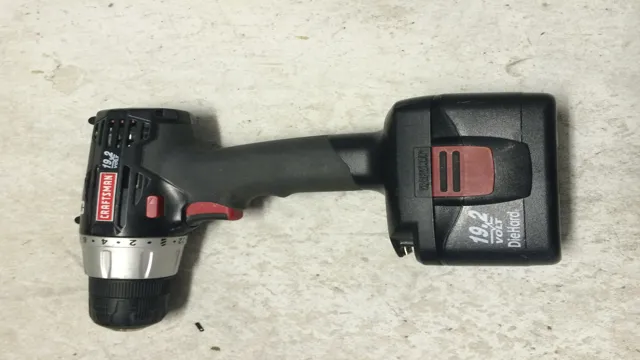
One small habit that helps a lot is keeping batteries away from metal objects in a toolbox. Loose screws, nails, and drill bits can touch the terminals and create a short circuit. That is a serious safety risk.
Credit: ourhometools.com
Use terminal covers if you have them
Some battery packs come with terminal covers. If yours do, use them during storage. They help protect the contacts from dust and accidental damage. If you do not have covers, store the battery in its original case or in a separate compartment.
How to Store Batteries for Daily Use
Not every battery goes into long-term storage. Many people use a cordless drill every few days or every week. In that case, the goal is not perfect long-term preservation. The goal is to keep the battery ready without causing stress.
For everyday use, a simple routine works well:
- After use, let the battery cool for a short time.
- Check whether the next job is soon or far away.
- If you need it soon, recharge it to a useful level.
- If you will not use it soon, store it at a mid-level charge.
- Keep it indoors, dry, and away from heat.
This is one of the easiest ways to apply how to store care for cordless drill batteries in real life. You do not need special tools. You only need consistency.
Do not leave the battery on the charger forever
Many modern chargers stop when the battery is full, but that does not mean endless storage on the charger is best. Keeping a battery connected all the time can still expose it to small heat buildup and long periods at high charge. If the charger becomes warm, that heat adds stress.
A better approach is to charge, remove, and store the battery properly once the charge is done.
Long-Term Storage Needs a Little More Care
If you will not use the drill for a month or longer, take a few extra steps. Long storage is where many batteries lose quality without obvious signs. The pack may still work, but its runtime may drop faster than expected.
Here is a simple long-term storage routine:
- Charge the battery to about 40% to 60%
- Clean the exterior and terminal area
- Store it in a cool, dry indoor place
- Avoid stacking heavy items on top of it
- Check it every 1 to 3 months
That last point is easy to overlook. Batteries slowly lose charge even when not in use. A quick check every few months helps you avoid accidental deep discharge.
If the battery drops very low during storage, recharge it back to the mid range before leaving it again.
Why occasional checking helps
People often think long storage means “forget it until needed.” That is risky. A battery that sits untouched for a year can drift lower than expected. A simple check can prevent damage that is hard to reverse.
How Humidity and Dust Hurt Batteries Slowly
Battery life is not only about charge and temperature. Moisture and dust matter too. A damp environment can cause corrosion on terminals and contacts. Dust can collect on the battery case, charger, and drill connection points.
This does not usually kill a battery overnight. Instead, it creates slow problems. The battery may connect poorly, charge less reliably, or run with more resistance at the contacts.
To protect the battery:
- Do not store it on wet floors
- Keep it away from leaking roofs or pipes
- Do not leave it in a dirty corner with metal dust
- Wipe the case before putting it away
Non-obvious tip: if you work in a workshop with sawdust or metal particles, keep the battery in a closed box or drawer. Tiny debris can build up around the terminals and affect performance over time.
Charging Habits That Extend Battery Life
Storage and charging are connected. Bad charging habits can shorten battery life just as fast as bad storage. The battery does not know whether it is sitting in a drawer or on a charger for too long. It only reacts to stress.
Good charging habits are simple:
- Use the correct charger made for the battery
- Do not cover the charger while it is working
- Let the battery cool after hard use before charging
- Unplug the charger if it becomes unusually hot
- Avoid cheap chargers that do not match the battery type
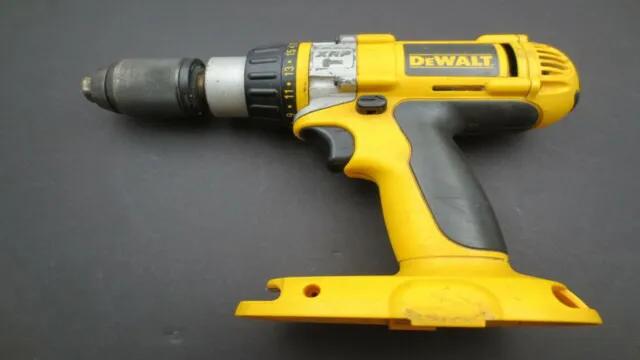
One mistake beginners often make is charging a battery right after heavy drilling. The battery is already warm from use. Adding charger heat on top of that can increase wear. A short cooldown period helps.
Credit: ourhometools.com
Use the right charger for the battery type
This sounds obvious, but it matters. Different battery chemistries and brands may need specific charging behavior. If you want a reliable general reference on safe rechargeable battery use, the U.S. Department of Energy offers helpful guidance.
Signs Your Battery Storage Habits Need Improvement
Sometimes the battery tells you that your habits are not helping. The signs may be small at first, but they are worth noticing early.
- Runtime gets shorter much faster than before
- The battery charges unusually fast or unusually slow
- The battery feels hot during normal use or charging
- The drill loses power suddenly instead of gradually
- The battery swells, smells odd, or looks damaged
If you see swelling or smell something strange, stop using the battery. Do not try to force it into service. Physical damage and swelling can be safety risks.
Non-obvious insight: a battery that appears “dead” after long storage is not always truly dead. Sometimes the problem is simply that it was stored too low for too long. Proper care from the beginning prevents that kind of failure.
Myths That Can Shorten Battery Life
A lot of battery advice comes from old habits, not current battery technology. That is why people sometimes repeat rules that are not useful anymore.
“You must fully drain every battery before charging”
This idea is outdated for most lithium-ion cordless drill batteries. Deep discharge is usually worse than helpful. Partial charging is often healthier.
“It is fine to store batteries anywhere if they are not being used”
Not true. A battery in a hot or damp place still ages, even if it is not working. Storage conditions matter.
“A battery on the charger is always protected”
Not always. The charger may stop at full charge, but the battery still sits under stress if the environment is warm or if the charger is poor quality.
When learning how to store care for cordless drill batteries, it helps to ignore old myths and focus on what current battery chemistry actually needs.
A Simple Routine You Can Follow
If you want a practical routine, keep it simple and repeatable. The best system is the one you will actually follow.
- Use the battery until the job is done.
- Let it cool before charging.
- Charge it only as much as needed for the next use.
- For long breaks, store it around half full.
- Keep it in a dry indoor place at stable temperature.
- Check it now and then if it sits unused.
This routine protects the battery without making it hard to use. It fits daily work, weekend projects, and longer storage periods.
Small Habits That Add Big Battery Life
Battery life is often improved by small choices, not one big trick. The people who get the most from their cordless drill batteries are usually not doing anything special. They just avoid unnecessary stress.
These habits help more than most users expect:
- Store batteries separately from the drill if the tool sits in a hot place
- Keep each battery labeled if you own more than one pack
- Rotate batteries so one pack does not do all the work
- Do not keep dead batteries in a tool bag for weeks
- Inspect the case for cracks after drops
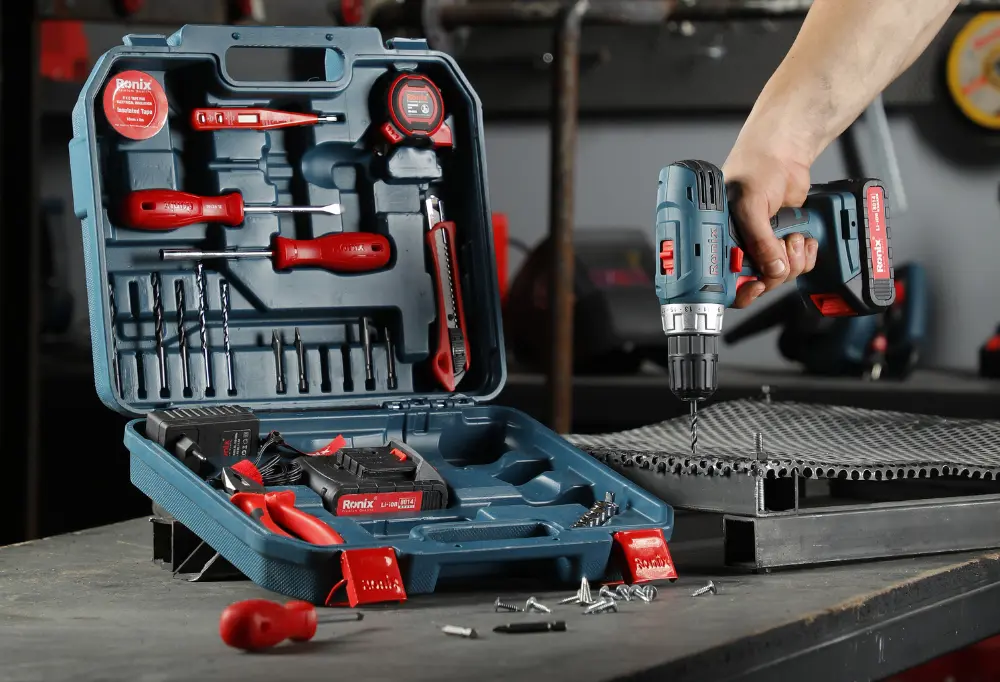
Rotating batteries is a smart move many beginners miss. If you always use the same pack, it wears faster than the others. Rotating helps balance usage and can make your full set last longer.
Credit: ronixtools.com
Final Thoughts on Battery Care
Good battery care is simple, but it must be consistent. The main goal is to reduce stress. That means avoiding heat, preventing deep discharge, keeping the battery dry, and storing it at a sensible charge level. If you do those things, your cordless drill batteries will usually hold up much better.
The best part is that none of this requires expensive tools. Once you understand how to store care for cordless drill batteries, you can build a small routine that protects your investment and keeps your drill ready for work.
FAQs
1. What is the best charge level for storing cordless drill batteries?
For most lithium-ion cordless drill batteries, a charge level around 40% to 60% is best for storage. This level reduces stress on the cells and helps preserve battery life during long breaks.
2. Can I leave my cordless drill battery in the charger all the time?
It is better not to leave it there all the time. Even if the charger stops when full, long periods on the charger can add heat and extra stress. Remove the battery after charging when possible.
3. Is it bad to store drill batteries in the garage?
It can be bad if the garage gets very hot, very cold, or damp. A dry indoor place with stable temperature is usually safer for battery storage than a garage or shed.
4. How often should I check a stored battery?
Check a stored battery every 1 to 3 months. This helps you notice if the charge level drops too low and gives you time to recharge it before damage happens.
5. What should I do if my battery gets very hot during charging?
Stop charging and let it cool down. If the battery repeatedly gets hot, check the charger, the battery age, and the storage conditions. A battery that overheats often may need replacement.
