
Drilling into brick and mortar looks simple until the drill bit starts slipping, the surface chips, or a small crack runs across the wall. That is why many people search for how to drill into brick and mortar before hanging shelves, fixing a TV mount, or installing outdoor fixtures. The good news is that clean holes are possible if you use the right method and do not rush the work.
The biggest mistake is treating brick like wood or drywall. Brick and mortar are dense, brittle materials. They need steady pressure, the right bit, and the correct speed. If you use too much force, the hole can break apart. If you use the wrong spot, the wall can weaken. A little care at the start saves time, money, and frustration later.
In this guide, you will learn where to drill, which tools to use, how to avoid cracks, and what to do after the hole is made. The steps are simple, but the small details matter. That is usually where beginners go wrong.
Choose the right spot before you start drilling
Before you touch the drill, decide exactly where the hole should go. This sounds obvious, but it is the part most people rush. A good spot reduces cracking and makes the anchor hold better.
Brick is usually stronger than mortar, but mortar is often easier to drill. That does not mean every mortar joint is a good choice. Old mortar can be soft and crumbly. New mortar can still be strong enough to hold a light fixture, but not always heavy loads. Brick is often the better choice for heavier items because it gives the anchor more support.
Check the wall carefully. Look for:
- Loose or crumbling mortar
- Broken brick edges
- Existing cracks nearby
- Signs of moisture or salt stains
If the wall is damaged already, drilling there can make the problem worse. Move the hole to a healthier section if possible.
For heavier fixtures, it helps to mark the mounting points and test the layout before drilling. Small changes in position can make a big difference in how the load is spread across the wall.
Gather the tools that help prevent cracks
The right tools do more than make drilling easier. They also reduce the chance of splitting the brick or loosening the mortar. You do not need a huge set of tools, but you do need the correct basics.
Here is a simple setup that works well for most jobs:
- Hammer drill or a regular drill with masonry mode
- Masonry drill bits in the correct size
- Wall plugs or anchors suited to the load
- Painter’s tape to reduce bit wandering
- Vacuum or brush for dust cleanup
- Safety glasses and dust mask
- Measuring tape and pencil for marking
A hammer drill is not always required for very soft mortar, but it makes the work easier on brick and harder mortar. If you use a standard drill, progress may be slower. That is fine if you keep the pressure steady and do not force the tool.
Masonry bits matter more than many beginners think. A dull or worn bit can overheat and tear at the surface instead of cutting it cleanly. That rough action increases the risk of cracking. If the bit is old, replace it.
For heavy items, the anchor choice is just as important as the hole itself. A weak anchor in a perfect hole still fails. Match the anchor size and style to the weight of the object.
| Task | Best tool | Why it helps |
|---|---|---|
| Small picture frame | Standard drill with masonry bit | Less force needed, lower risk of damage |
| Shelf bracket | Hammer drill with masonry bit | Cleaner progress in dense material |
| Heavy TV mount | Hammer drill, strong anchors, level | Improves hold and keeps holes aligned |
| Outdoor fixture | Hammer drill, dust cleanup tools | Better control in rough exterior surfaces |
Mark the hole and protect the surface
Good marking is a small step that prevents a lot of trouble. Use a pencil or marker to show the exact drill point. Measure twice. If you need multiple holes, mark all of them before drilling so you can check alignment.
Place a small piece of painter’s tape over the mark. This helps the drill bit grip the surface and can reduce skidding, especially on smoother brick faces. It also makes the mark easier to see while working.
If you are drilling near finished edges, corners, or decorative brick, protect the surrounding area with a cloth or cardboard. Brick dust can stain nearby surfaces. More important, a safe work area helps you avoid a rushed movement that might chip the wall.
One mistake beginners miss is drilling too close to mortar edges. Mortar joints are weaker at the edges than in the center. If you must drill into mortar, aim for the thickest, healthiest part of the joint, not the side where the mortar meets the brick.
Set the drill correctly before making contact
The drill setting makes a big difference in how the hole starts. Use a masonry bit of the correct diameter for the anchor or fastener you plan to use. If the hole is too small, the anchor may split the wall. If it is too large, the fastener may wobble and fail.
Set the drill to low speed at the beginning. High speed can make the bit dance across the surface. Start slow until the bit has a small groove. After that, you can increase speed a little if needed.
If your drill has a hammer mode, use it for brick or hard mortar. The hammer action helps break the surface bit by bit. But do not use hammer mode for every situation. For very fragile mortar, a gentler approach may be safer at first.
Also, check the depth stop if your drill has one. Drilling too deep can weaken the wall, especially if you hit empty cavities or fragile material behind the surface. A depth stop helps keep every hole consistent.
For a useful general reference on masonry drilling and fastener safety, you can review guidance from ENERGY STAR when working on home improvement projects that involve wall mounting and secure installation planning.
Credit: finepowertools.com
Drill into brick and mortar the safe way
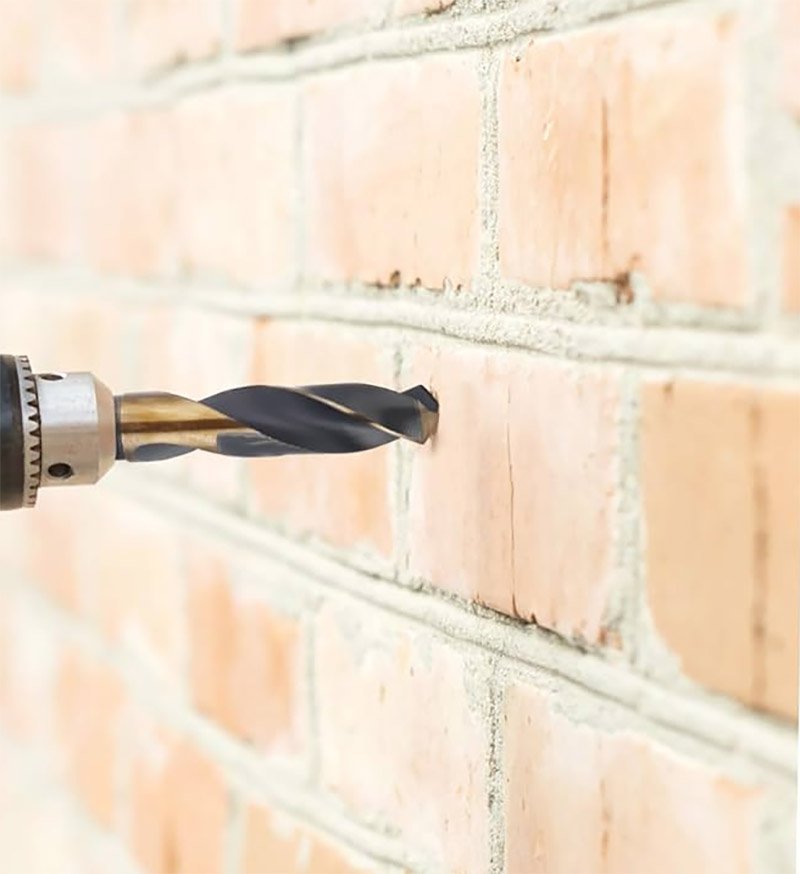
Now comes the main part. Keep your stance stable and hold the drill straight. A crooked hole weakens the anchor and puts uneven pressure on the wall. That uneven pressure is one of the fastest ways to create cracks.
- Place the bit on the taped mark.
- Start the drill at low speed.
- Apply light, steady pressure.
- Let the bit cut instead of forcing it.
- Pause if the bit overheats or starts to bind.
The key idea is simple: steady pressure, not hard pressure. Many people think pushing harder makes the job faster. In masonry, that often does the opposite. Excess force can chip the surface and stress the surrounding material.
As the bit cuts into the wall, pull it out once or twice during deeper holes to clear dust. Dust buildup makes the bit run hot and slows cutting. A hot bit can also glaze the material and create a rougher hole.
If you are drilling brick, expect a firmer feel. If you are drilling mortar, the bit may sink faster. That speed can be helpful, but it can also fool you into pushing too quickly. Keep the same careful pace.
What to do if the bit starts wandering
If the drill bit slides at the start, stop immediately. Do not keep drilling in the wrong place. Reset the bit, add a little more tape if needed, and begin again at a slower speed. A wandering bit often causes small chips that grow into larger cracks.
What to do if you hit very hard resistance
Sometimes you may hit a very dense section of brick or a hard aggregate inside mortar. Do not jam the drill harder. Instead, back the bit out, clear dust, and try again with controlled pressure. If the bit is too small or dull, switch to the correct size or a sharper one.
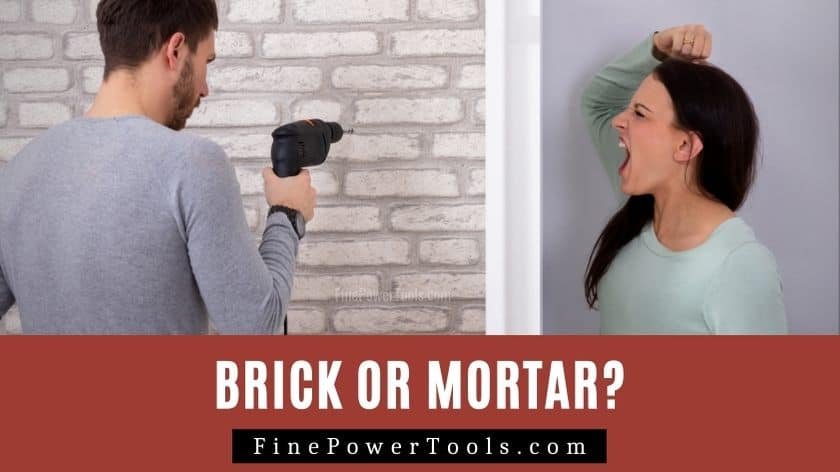
Drill into brick or mortar: which one is better?
This is one of the most common questions in the topic of how to drill into brick and mortar. The answer depends on the job.
Brick is often the better choice for strength. It usually gives the anchor a more reliable grip. Mortar can be easier to drill, but it can also crumble sooner, especially if the wall is old or weathered.
Use this simple rule:
- Choose brick for medium to heavy loads when the brick is in good condition.
- Choose mortar for light items when the joint is solid and you want easier drilling.
- Avoid damaged areas even if they look easy to drill.
One non-obvious point many beginners miss: old mortar may drill easily because it is weak, not because it is ideal. Easy drilling is not the same as a strong hold. If you want a hook for a lightweight item, mortar may be fine. If you want a shelf or bracket, brick is usually safer.
Another detail people often miss is wall age. Older homes may have softer mortar, softer brick, or hidden repairs. In those cases, test carefully. What works on one section of wall may fail in another.
Clear the dust before placing anchors
Dust inside the hole reduces grip. This step is often skipped, but it is important. If the hole is packed with dust, the anchor may not sit fully in place. That can lead to movement later, and movement leads to cracks or loose fittings.
Use a vacuum, a small brush, or even a squeeze blower to clean out the hole. If the hole is deep, clean it more than once. A quick puff of air is not always enough.
After cleaning, test the hole by inserting the anchor gently. It should fit snugly without force. If you have to hammer it too hard, the hole may be too small. If it falls out, the hole may be too large.
This is also the moment to check for unexpected problems. If dust keeps falling out for too long, the wall may be more crumbly than expected. In that case, stop and reassess before adding weight.

Credit: reddit.com
Install anchors and fasteners without forcing them
Once the hole is clean, insert the correct anchor. The anchor should match both the material and the object weight. Light plastic plugs may be enough for small items. For stronger support, use heavier-duty masonry anchors.
Tap the anchor in gently with a hammer if needed, but do not pound it hard. Hard hammering can expand pressure in the wall and create cracks around the hole. The anchor should slide in with controlled taps, not violent blows.
When you drive in the screw, stop as soon as it feels firm. Tight is good. Over-tight is not. A common mistake is assuming that more tightening means more strength. In masonry, over-tightening can split the anchor or crack the brick face.
For outdoor jobs, choose fasteners that resist rust. A strong hole still fails if the screw corrodes later.
Match anchor type to the load
Do not use the same anchor for every project. A small picture frame and a heavy wall shelf need very different support. If you are unsure, check the packaging for load ratings and choose the stronger option when the item is important.
Common mistakes that crack brick and mortar
Most drilling damage happens because of simple habits, not bad luck. If you avoid the mistakes below, you will get cleaner holes and better results.
- Using too much force – Let the drill do the work.
- Starting at full speed – This causes slipping and surface chips.
- Using a dull bit – Worn bits heat up and tear the surface.
- Ignoring dust buildup – Dust reduces anchor grip.
- Over-tightening screws – This can split the anchor or crack the wall.
- Drilling near damaged mortar – Weak sections fail more easily.
One more mistake deserves special mention: drilling too close to the edge of a brick. Brick edges are more fragile than the center. If the hole is near the edge, the pressure can break off a corner. When possible, move the hole to a stronger spot.
Beginners also forget to check the wall behind the surface. If the wall has hidden pipes, wiring, or cavities, drilling can create bigger problems than a cracked hole. Always inspect the area before you begin.
How to repair a small chip or hairline crack
Sometimes a tiny chip happens even when you are careful. That does not always mean the job is ruined. Small cosmetic damage can often be repaired if it is caught early.
For a minor chip, clean away loose dust and fill the damaged edge with a suitable masonry repair product. Follow the product instructions and let it cure fully before adding more load.
If you see a hairline crack, stop drilling in that spot. Do not try to widen the hole. Small cracks can spread, especially if the wall already has age or moisture damage. In many cases, it is better to move the fastener to a new spot.
If the crack gets larger, or if the mortar starts breaking away in chunks, the area may be too weak for your project. That is the point to change the location or ask a masonry professional for advice.
Safety matters more than speed
Brick dust is fine and easy to inhale, so wear a dust mask. Safety glasses are also important because small chips can fly out without warning. Even a short drilling job can throw more debris than expected.
Keep your hands away from the spinning bit and hold the drill with both hands if possible. If you are on a ladder, make sure the ladder is stable before you start. A rushed position often leads to a crooked hole or a sudden slip.
Also, take care when drilling outside in cold weather. Cold brick can be more brittle. That means it may chip more easily if you use aggressive pressure. In cooler conditions, work a little slower and check the surface more often.
Credit: homeskillset.com
Simple step-by-step recap
- Choose a solid spot in brick or mortar.
- Mark the hole clearly and protect the surface.
- Use the right masonry bit and drill setting.
- Start slow and keep the drill straight.
- Apply light, steady pressure.
- Clear dust from the hole.
- Insert the correct anchor gently.
- Tighten fasteners without overdoing it.
If you remember only one thing, remember this: drilling masonry is about control, not force. The wall does not reward strength. It rewards patience, the right tools, and careful placement.
FAQs
Can I drill into mortar instead of brick?
Yes, you can drill into mortar for light to medium tasks if the mortar is in good condition. But mortar is often weaker than brick, so brick is usually better for heavier items. Avoid soft or crumbling mortar.
What size drill bit should I use for brick or mortar?
Use a masonry drill bit that matches the anchor size you plan to install. The anchor packaging usually tells you the correct bit size. If the hole is too small, the anchor may split the wall. If it is too large, the anchor may not hold.
Do I need a hammer drill to drill into brick and mortar?
A hammer drill helps a lot, especially for hard brick and dense mortar. For small, light jobs, a regular drill with a masonry bit may work. It will just take more time and steady pressure.
How do I stop brick from cracking when drilling?
Start slow, use a sharp masonry bit, keep the drill straight, and avoid pushing too hard. Also, do not drill too close to edges or damaged spots. Cleaning dust from the hole helps reduce stress on the wall.
What should I do if the hole becomes too large?
If the hole is too large, use a larger anchor that fits the opening, or move the fastener to a new spot. Do not force a small anchor into an oversized hole, because it will not hold well.
