
If you are asking how thick can a plasma cutter cut, the short answer is: it depends on the machine. A small handheld unit may cut around 1/4 inch cleanly, while a powerful industrial system can slice through several inches of steel. But “can cut” and “can cut well” are not the same thing.
That difference matters a lot. Many buyers look only at the maximum cut thickness printed on the box. In real work, the result depends on metal type, machine power, torch quality, air supply, travel speed, and even the cut style you need. A cutter that can sever thick steel may not leave a clean edge on that same thickness.
This guide explains the real cutting limits of plasma cutters in simple terms. You will learn what maximum thickness means, how to read manufacturer ratings, and how to choose the right machine for your job without wasting money.
What “cut thickness” really means
When people ask how thick a plasma cutter can cut, they often mix up three different numbers. These numbers are not the same, and that is where confusion starts.
1. Severance cut
This is the thickest metal the machine can cut through at all. The cut may be slow, rough, and may need cleanup after. It is useful for emergency work or rough cutting, not for pretty edges.
2. Recommended cut
This is the thickness where the cutter works well in normal use. You get better speed, better edge quality, and less stress on the machine. For most buyers, this is the number that matters most.
3. Clean cut
This is the thickness where the machine makes a smooth, square cut with little slag. If you need parts that fit well, this is the figure you should trust more than the maximum severance rating.
A common mistake is buying a machine based on severance thickness only. That can lead to disappointment. A cutter rated for 1 inch may only give you a good clean cut on 1/2 inch or less.
How thick can a plasma cutter cut in real life?
The answer depends on machine size and output. Here is a practical view of common plasma cutter classes.
| Plasma cutter type | Typical clean cut thickness | Typical severance thickness | Best use |
|---|---|---|---|
| Small 120V unit | 1/8 in. to 1/4 in. | 3/8 in. to 1/2 in. | Light shop work, auto repair, thin sheet metal |
| Mid-range 240V unit | 3/8 in. to 5/8 in. | 3/4 in. to 1 in. | General fabrication, farm repair, home shop work |
| Heavy-duty machine | 3/4 in. to 1 in. | 1 1/4 in. to 2 in. or more | Thicker structural steel, industrial cutting |
| Industrial CNC system | 1 in. and above | Up to several inches | Production cutting, heavy fabrication, large plate work |
These numbers are general, not exact. Two machines with the same amp rating can perform differently. Torch design, duty cycle, air quality, and consumable condition all affect the final result.
Also, thicker metal is not the same across all materials. Steel is the easiest material for plasma cutting. Stainless steel and aluminum can also be cut well, but the settings and results can vary. Reflective or coated metal may need extra care.
What affects the maximum cutting thickness?
If you want a true answer to how thick can a plasma cutter cut, you have to look beyond the rating sticker. Several real-world factors decide how far the machine can go.
Amperage
More amperage usually means more cutting power. A 30-amp machine is for thin metal. A 60-amp or 80-amp machine can handle much thicker material. Higher amps also help maintain a stable arc through heavier plate.
Still, amperage alone does not tell the full story. Some machines are built to use that power better than others. That is why a 60-amp cutter from one brand can perform better than another 60-amp model.
Input power
Many smaller plasma cutters run on 120V. Larger units often need 240V. Industrial systems may use three-phase power. More input power usually supports higher output, which means more cutting capacity.
If your shop only has standard household power, you may not get the thickness you want. This is one of the most common buyer mistakes. People buy a machine first, then discover their outlet limits the machine’s real performance.
Air pressure and air quality
Plasma cutters need clean, dry air. Water, oil, or weak air pressure can ruin cut quality fast. Thick cuts are especially sensitive because the arc needs to stay stable longer.
Here is a non-obvious point many beginners miss: bad air can make a strong plasma cutter behave like a weak one. Even an expensive machine may cut poorly if the air supply is dirty or unstable.
Cut speed
If you move too slowly, the edge gets rough and the torch may overheat. If you move too fast, the arc may not fully penetrate. The right speed changes with thickness, material, and amp setting.
Thicker metal usually needs a slower travel speed, but not so slow that slag builds up. Finding that balance takes practice.
Torch angle and standoff
The torch should stay at the right height above the metal. Too far away and the arc becomes weak. Too close and the consumables wear quickly. A bad angle also causes the cut to widen or bevel.
On thick cuts, a small mistake in torch height has a bigger effect than on thin sheet metal. That is why hand cutting thick plate is harder than many people expect.
Consumable wear
Electrodes, nozzles, and swirl rings wear out over time. As parts wear, cut quality drops. You may still see the arc, but the cut becomes wider, rougher, or less consistent.
For best results, replace worn parts early. Trying to save a few dollars on consumables often costs more in wasted metal and poor work.
Clean cut thickness vs maximum thickness
This is the part that matters most when choosing a machine. A plasma cutter’s marketing sheet may say it can cut 1 inch, but the real question is: can it cut 1 inch well?
If you are making brackets, panels, or parts that must fit together, clean cut thickness is the number to trust. If you only need to remove scrap or cut something rough for later grinding, severance thickness may be enough.
Think of it like this: a cutter rated for 1 inch severance might only give you a nice edge on 1/2 inch steel. That is normal. It does not mean the machine is bad. It means the rating was misunderstood.
Another useful rule: if you plan to cut near the machine’s limit often, buy one size larger than you think you need. This gives you better cut quality, longer consumable life, and less frustration.
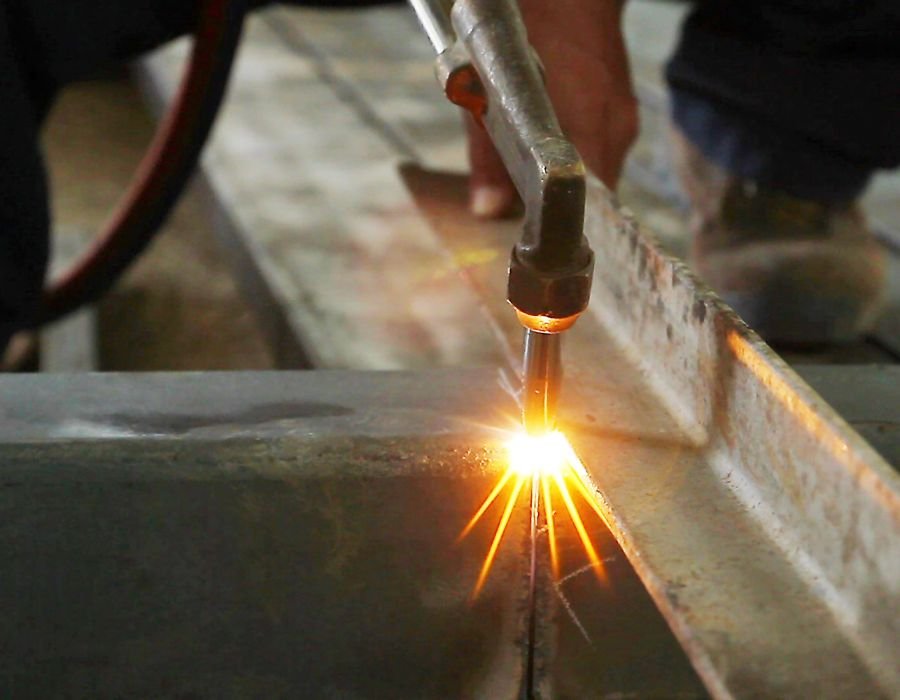
Credit: plasmacuttingfactory.com
Plasma cutter thickness by application
The right machine depends on what you do most often. A machine that is perfect for sheet metal may be the wrong tool for farm equipment repair.
Auto body and sheet metal
For thin metal, speed and control matter more than extreme thickness. A small plasma cutter works well here. Clean cuts on 18-gauge to 1/8 inch steel are usually the goal.
In this range, a powerful machine is not always better. Too much heat can warp thin panels. A smaller unit with fine control may give better results.
Home shop and DIY work
Many home users cut brackets, tubing, angle iron, and light plate. A mid-range 240V cutter is often the best choice. It gives enough power for serious work without the cost and power demands of an industrial unit.
For this type of work, a machine that cleanly cuts 3/8 inch to 1/2 inch is usually very practical.
Farm and repair work
Farm repairs often involve dirty, rusty, and thicker steel. That means you need more reserve power. A cutter rated for at least 1/2 inch clean cut is often a safer choice than a small entry-level model.
Rust and paint do not make plasma cutting impossible, but they do make it less efficient. Extra power helps the arc stay stable through poor surface conditions.
Industrial fabrication
For production and heavy structural work, the machine must cut thick steel repeatedly with consistent quality. This is where high-amperage systems and CNC tables become important.
At this level, the issue is not only maximum thickness. It is also cut speed, precision, and repeatability over long runs.
How to read plasma cutter specs the smart way
Manufacturer specs can be useful, but only if you know what to look for. Do not stop at the biggest number on the page.
- Check clean cut thickness first. This is the best sign of practical performance.
- Look at severance thickness second. It tells you the absolute limit, not the comfortable working range.
- Match the duty cycle. A cutter may reach a thickness rating, but not for long periods.
- Check the input power requirement. Make sure your shop can support it.
- Look for air pressure needs. Weak compressors can reduce performance.
Here is another important insight: many spec sheets are tested in ideal conditions. Clean steel, perfect air, correct voltage, and brand-new consumables can make a machine look better than it will in a real shop. Real work is messier. Always leave a margin.
What the amp rating usually means
As a rough guide, higher amps support thicker cuts. But there is no single universal chart that works for every brand. Still, the following pattern is common:
- 30 to 40 amps: thin sheet, light fabrication
- 50 to 60 amps: general-purpose cutting, moderate thickness
- 70 to 90 amps: thick plate and frequent use
- 100 amps and above: heavy industrial cutting
This range helps, but it is not enough by itself. Always compare it with the machine’s clean cut rating and the real type of work you do.
Why thicker cuts are harder than they look
Many beginners assume that if a plasma cutter can melt metal, thickness should not matter much. In reality, thicker metal creates several problems at once.
First, the arc must stay focused for a longer path through the material. Second, heat must be removed fast enough so the cut can pass through without stopping. Third, the edge at the bottom of the plate is harder to separate cleanly than the top.
This is why thick cuts often show more dross, wider kerfs, and more bevel. It is also why cut quality falls off before the machine fully runs out of power.
One more thing beginners often miss: thicker metal requires better edge starting. Piercing a thick plate is harder than cutting from the edge. A machine may cut thick material if you begin at the edge, but struggle with a center pierce.
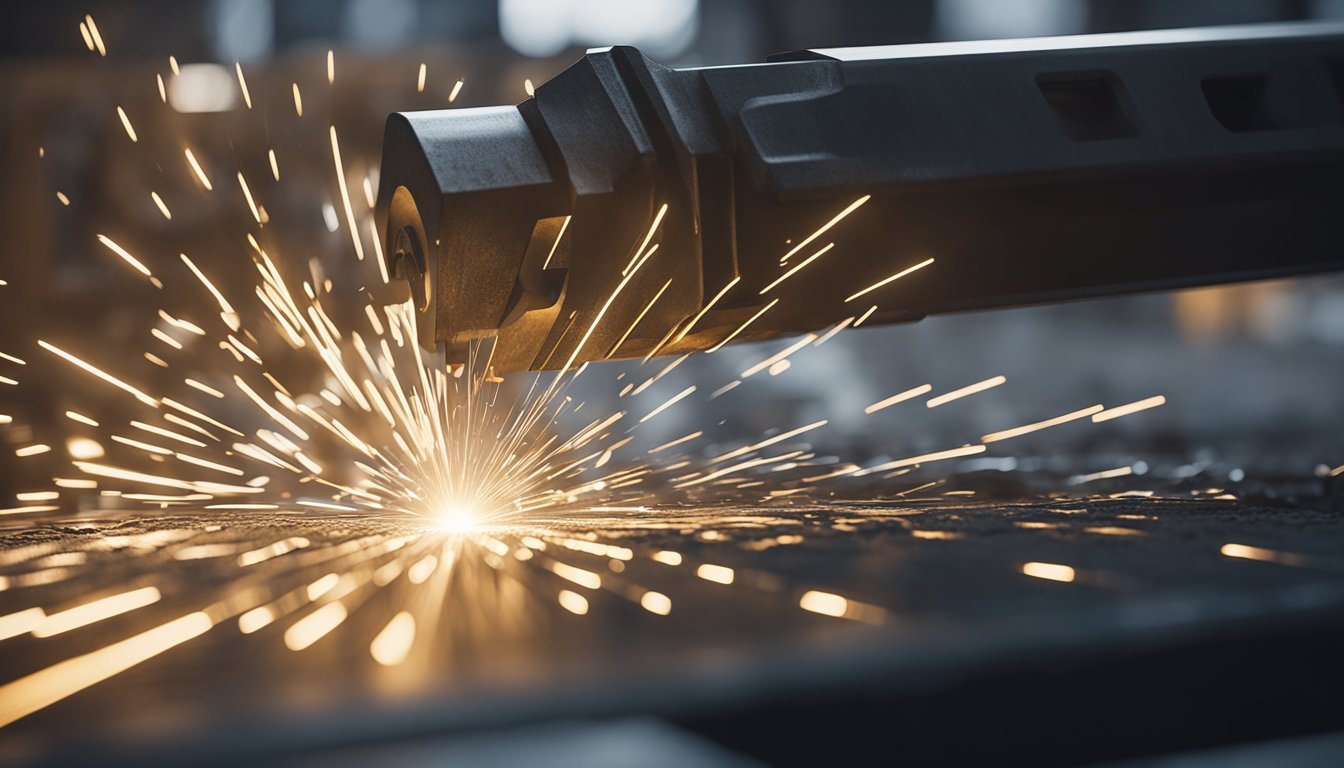
Credit: plasmacuttingfactory.com
Best practices for cutting thicker metal
If your machine is near its limit, technique matters a lot. Small improvements can make a big difference.
- Use clean, dry air at the correct pressure.
- Keep consumables in good shape.
- Use the right amp setting for the material.
- Move at a steady speed without pausing too long.
- Hold the torch at the correct height.
- Start from the edge when possible instead of piercing.
These steps sound simple, but they save a lot of time. Many “weak machine” complaints are really setup problems.
If you want a reliable external reference for safe plasma cutting practices and machine selection basics, the Hobart plasma cutter guide is a useful place to compare general concepts and safety guidance.
Common mistakes when buying for thick cuts
People often make the same buying errors. Avoiding them can save money and frustration.
Choosing by maximum thickness only
This is the biggest mistake. Maximum thickness sounds impressive, but it does not tell you how good the cut will be. Always look at clean cut thickness too.
Ignoring power requirements
A machine is only useful if your shop can run it. If it needs more voltage or current than you have, performance will suffer.
Buying too small for future work
Many people buy a cutter for today’s thin jobs, then need thicker cuts later. If your work may grow, choose a little extra capacity now.
Overlooking air supply
A strong plasma cutter with a weak compressor is a poor match. Clean air is not optional.
Expecting perfect edges at the limit
Even good machines lose edge quality as thickness rises. That is normal. Plan for grinding or cleanup if you are working near maximum thickness.
How to choose the right plasma cutter thickness for your work
The best machine is not the one with the biggest number. It is the one that matches your most common job.
If you mostly cut thin sheet, buy for clean control, not max thickness. If you cut plate often, choose a machine with a clean cut rating above your usual material. If your work changes often, buy some extra capacity so the machine is not always pushed to the edge.
A simple rule works well: choose a plasma cutter that can cleanly cut at least 25% more than your most common material thickness. That extra room gives you better speed, cleaner cuts, and less wear.
For example, if most of your work is 1/2 inch steel, a cutter with a strong clean cut rating at 5/8 inch or more is a smarter choice than a machine that only barely reaches 1/2 inch.
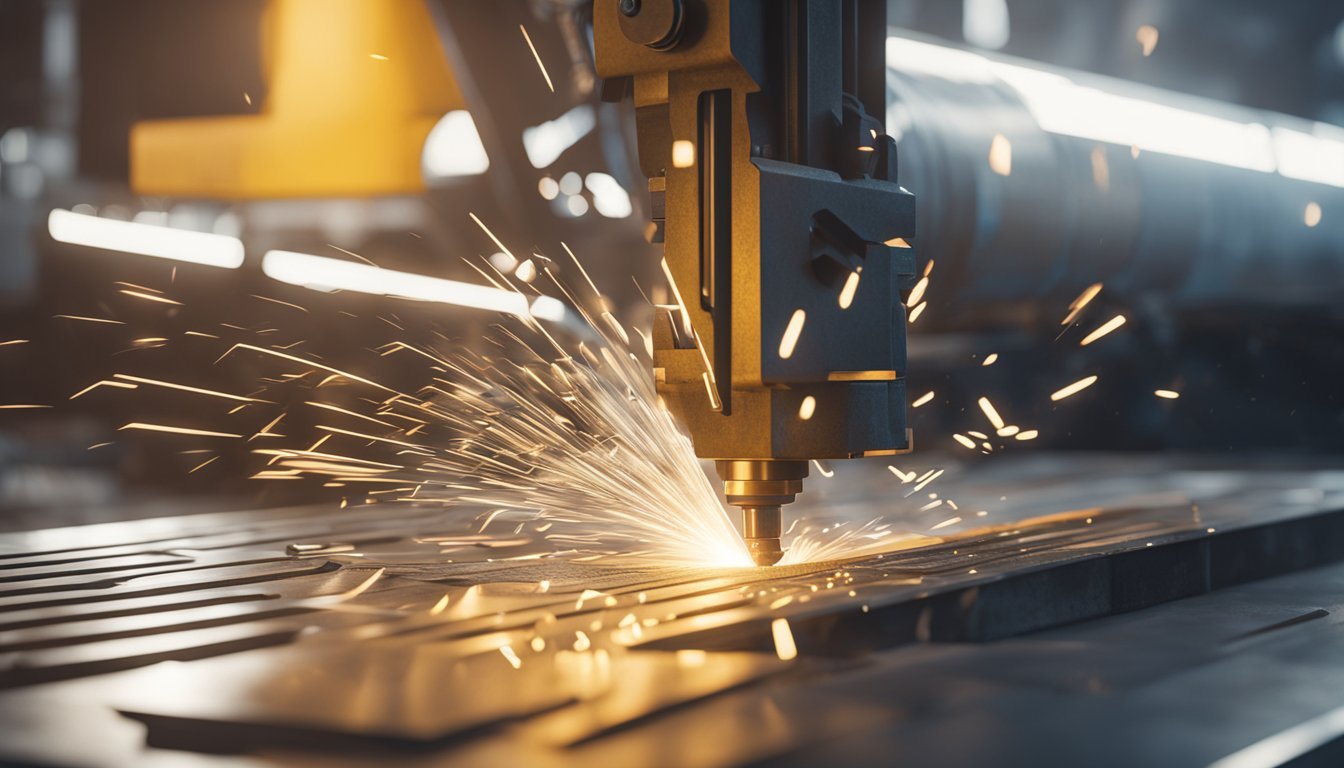
Credit: plasmacuttingfactory.com
Final answer: how thick can a plasma cutter cut?
A plasma cutter can cut anything from very thin sheet metal to several inches of steel, depending on the machine. Small units may cleanly cut up to 1/4 inch and sever about 1/2 inch. Mid-range machines often cleanly cut around 3/8 inch to 5/8 inch and sever up to 1 inch. Heavy industrial systems can cut much thicker.
But the real answer to how thick can a plasma cutter cut is not just about the biggest number. It is about whether you need a clean edge, how often you cut that thickness, and whether your setup supports the machine properly. If you understand those points, you will choose the right cutter with much more confidence.
FAQs
1. What is the maximum thickness a plasma cutter can cut?
It depends on the machine size. Small plasma cutters may cut up to 1/2 inch in severance, while heavy industrial machines can cut several inches of steel. Clean cut thickness is always lower than maximum severance thickness.
2. Can a plasma cutter cut 1 inch steel?
Yes, some high-power plasma cutters can cut 1 inch steel, especially in severance mode. However, the cut may not be clean. For regular work, you need a machine rated for strong clean cuts at that thickness.
3. Does a higher amp plasma cutter always cut thicker metal?
Usually, yes, but not always by a large amount. Air quality, torch design, power input, and consumable condition also affect cutting thickness. A well-built 60-amp machine may outperform a poorly set up higher-amp unit.
4. Why does my plasma cutter struggle with thick metal?
The usual causes are low air pressure, dirty air, worn consumables, wrong travel speed, or a machine that is too small for the job. Thick metal exposes setup problems more than thin metal does.
5. Should I buy a plasma cutter based on clean cut or severance thickness?
Buy based on clean cut thickness if you want good part quality. Use severance thickness only as the absolute upper limit. For most people, clean cut rating is the more useful number.
